According to scientists , it is impossible to eliminate ChatGPT from the educational process; on the contrary, its use should be encouraged, but it requires instructors to be "smarter" than ChatGPT.
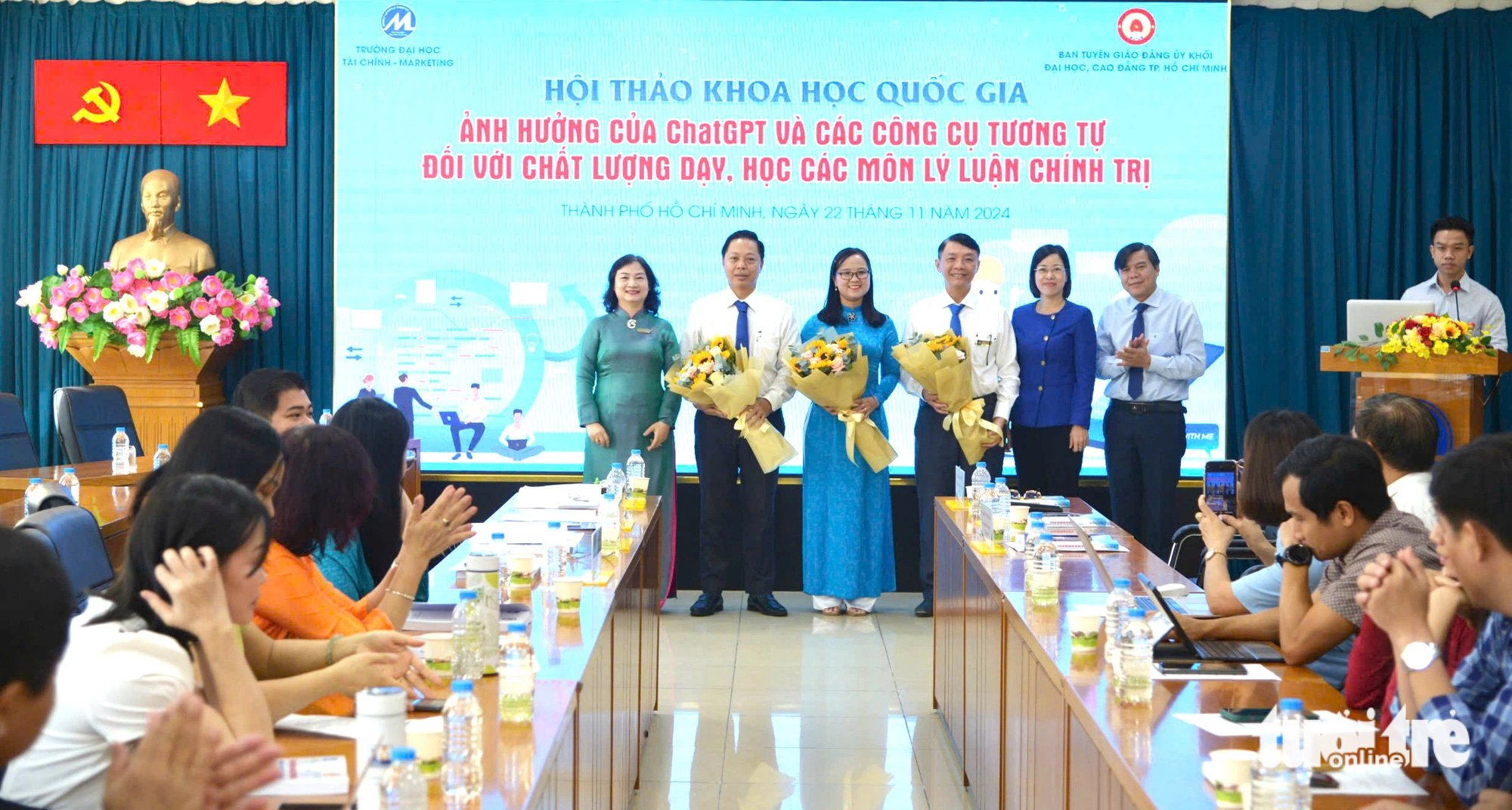
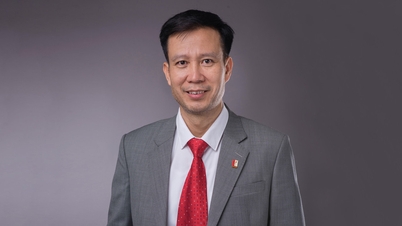
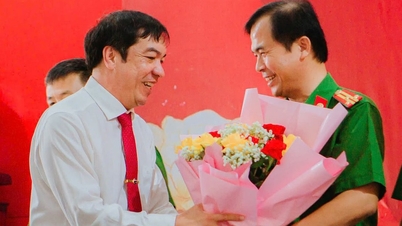
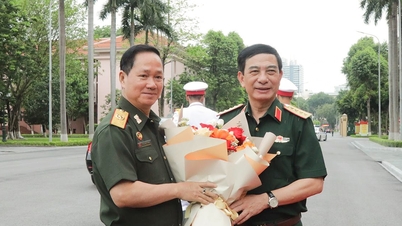
Mr. Tang Huu Phong - Deputy Head of the Propaganda Department of the Ho Chi Minh City Party Committee (right) - presents flowers to the organizers of the seminar - Photo: TRAN HUYNH
On the morning of November 22nd, the national scientific conference "The Impact of ChatGPT and Similar Tools on the Quality of Teaching and Learning Political Theory Subjects" was organized by the University of Finance - Marketing in collaboration with the Propaganda Department of the Party Committee of the University and College Bloc of Ho Chi Minh City, with the participation of nearly 100 scientists.
ChatGPT poses many significant challenges for instructors.
According to Colonel, Dr. Pham Van Quoc (Nguyen Hue University), the emergence of ChatGPT is a breakthrough in artificial intelligence (AI) technology, having a significant impact on all aspects of social life, including education in general and political theory education in particular.
According to research at several political theory training institutions, with the support of ChatGPT, both teachers and students shorten the time spent searching for information compared to before; preparing a course outline draft only takes about 30 minutes, or even faster.
Besides its advantages, this application also poses significant challenges for faculty and training institutions in changing teaching methods, student assessment and evaluation methods, and curriculum standards.
"The difficulties and challenges that political theory education will face in the coming years will be greater as ChatGPT continues to develop strongly."
"Currently, the education systems of many countries are expressing concern that the application of AI will make it easier for students to cheat on exams and plagiarize," Mr. Quoc commented.
Associate Professor Pham Thi Kien (University of Economics Ho Chi Minh City) stated: "When using ChatGPT, students can easily search for information and answer questions without needing guidance from lecturers, which reduces opportunities for direct interaction and diminishes the connection between lecturers and students."
Furthermore, ChatGPT can reduce students' ability to concentrate and pay attention, as they are easily distracted by other notifications and messages during their studies.


Furthermore, reliance on ChatGPT may reduce students' opportunities to develop direct communication skills with instructors and classmates, impacting their future communication abilities.
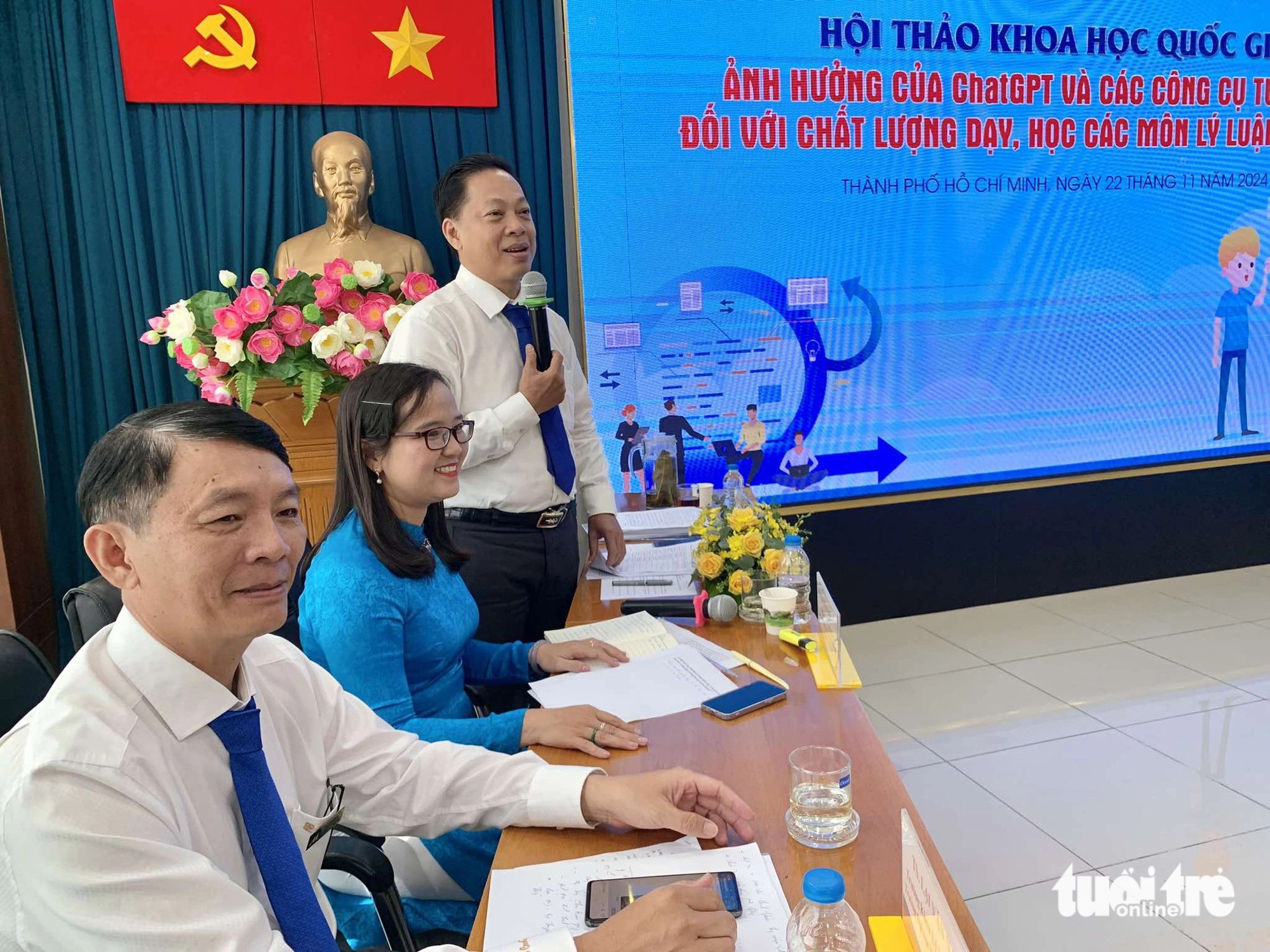
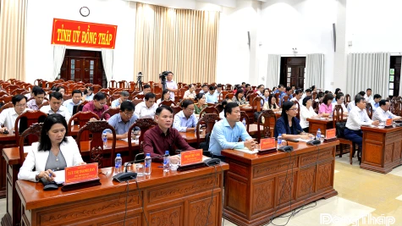
Scientists assert that ChatGPT cannot replace instructors in teaching - Photo: TRAN HUYNH
The use of ChatGPT in teaching and learning should be encouraged.
According to Dr. Quoc, despite concerns about potential negative impacts and challenges, with the right approach and appropriate solutions, ChatGPT will become an effective tool in promoting the development of political theory education methods.
"In political theory education, we should not only avoid removing ChatGPT from the educational process, but also actively encourage its use and find ways to turn challenges into conditions for improving the quality of political theory education at each training institution," Mr. Quoc emphasized.
In addition, he suggested reforming the assessment method by minimizing reliance on essay writing and maximizing direct interviews, discussions, and presentations.
Similarly, Associate Professor Pham Thi Kien also believes that it is currently impossible to prohibit students from using ChatGPT. The application of ChatGPT in education offers many benefits, but also poses some challenges if not strictly controlled. One of the main issues is the lack of direct interaction between lecturers and students.
It is necessary to innovate the methods of political theory education by orienting it towards using active teaching methods, combining verbal methods with visual and practical methods.
Therefore, lecturers need to become true content creators, demonstrating a proactive and positive spirit, daring to think, daring to act, and daring to innovate, so that ChatGPT truly becomes a tool in teaching and research.
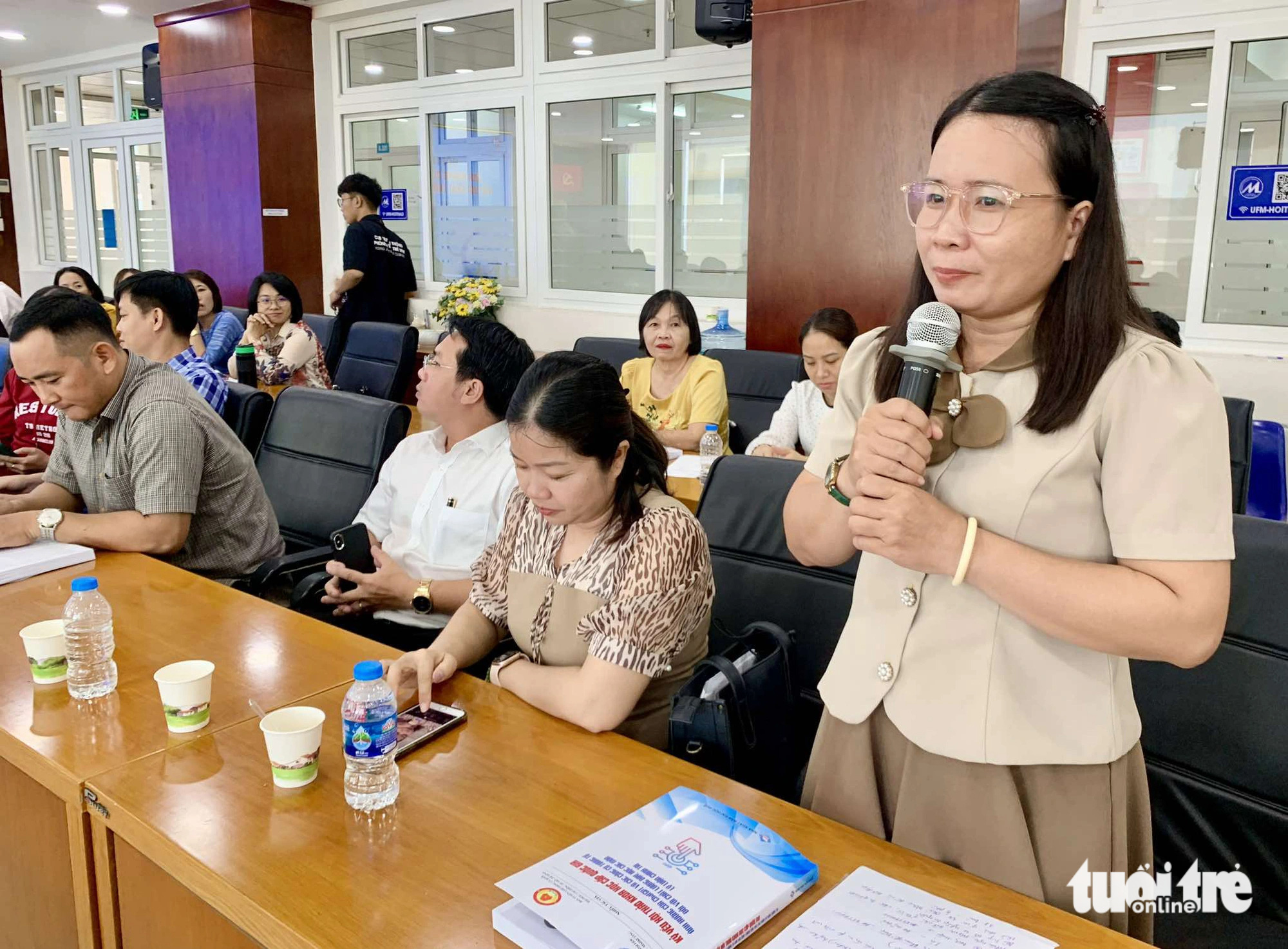
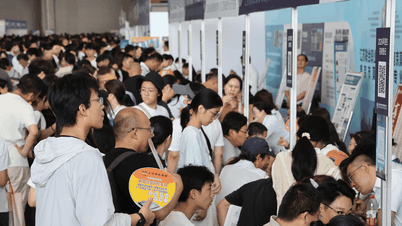
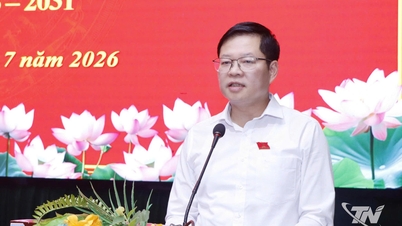
Scientists speaking at the workshop on the morning of November 22nd - Photo: TRAN HUYNH



Upholding scientific integrity
Dr. Dang Thi Minh Phuong (Ho Chi Minh City University of Industry) also noted that in the context of the 4.0 revolution, ChatGPT has a positive impact on the teaching process by providing new experiences, but there are also negative aspects that need to be further researched and explained in order to maximize its potential and strengths, and mitigate its risks and shortcomings when teaching political theory subjects in universities today.
Lecturers teaching these subjects must not only impart theoretical and practical knowledge but also encourage critical thinking, critical analysis, and the ability to analyze necessary viewpoints, sources, and historical data for students.
For instructors who rely heavily on ChatGPT, using it to create lectures or answer questions quickly can diminish creativity and the ability to independently research academic materials, leading to passivity in the teaching process.
"Lecturers must absolutely not be dependent on ChatGPT for ideas, content, methods, etc. On the other hand, they must uphold academic integrity, not copy, and not become 'machines' that simply follow the content suggested by ChatGPT," Ms. Phuong noted.
Source: https://tuoitre.vn/giang-vien-can-phai-thong-minh-hon-chatgpt-20241122104208379.htm