Preserve identity for development.
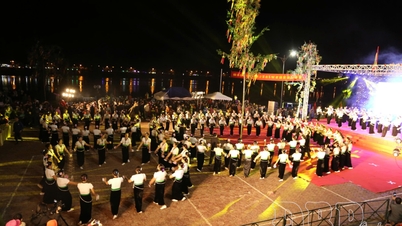
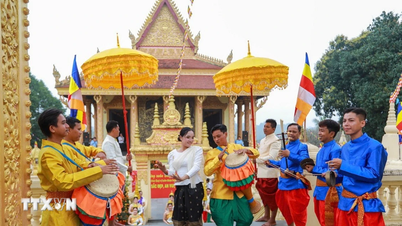
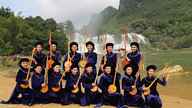
A region inhabited by many ethnic minorities is a priceless cultural treasure. The Red Dao with their coming-of-age ceremony, the Pa Then with their fire dance, the Nung with their Sli melodies, the Hmong with their khen flute music, the Tay with their Then songs, the Cao Lan with their Long Tong festival… All are like unique pieces of a puzzle.
If preserved, honored, and promoted, that identity will not only be a memory but also become a resource for socio-economic development. Culture is not just for viewing and reminiscing, but also for connecting, exchanging, and creating new values in the context of integration.
Community-based tourism – awakening heritage regions.
Tuyen Quang and Ha Giang are already famous for ecotourism and community-based tourism. But when merged, a broader inter-regional tourism space will open up:
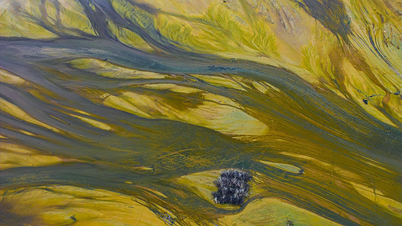
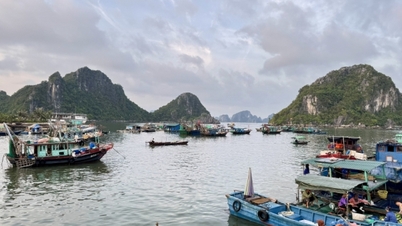
• Na Hang - Lam Binh - Bac Me: This area forms a "dry Ha Long Bay" amidst the vast forest, featuring the Gam River, a hydroelectric reservoir, Pac Ta mountain, and Khuoi Nhi waterfall.
• Dong Van Stone Plateau - Hoang Su Phi terraced rice fields - Thuong Lam valley: Connected to form a cultural and agricultural experience route in the highlands.
• The Thanh Tuyen Festival - Buckwheat Flower Festival: If coordinated effectively, this will not only attract visitors during the festival season but also create a "year-round tourism season".
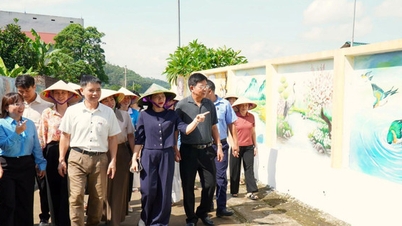
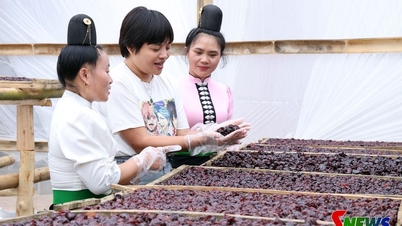
Local people become the main actors in community-based tourism development. Their kitchens, food, homes, looms, rice paddies, and songs will be the products that attract tourists. Tourism is not just about selling services, but also about giving away living experiences, allowing visitors to "touch" the soul of the highlands.
Traditional craft villages - OCOP: From products to stories

When it comes to developing OCOP products, many people often think about packaging, labeling, and traceability. But the root lies in the local story.
• Shan Tuyet tea from Na Hang, Hoang Su Phi, and Xin Man is not only known for its sweet and astringent taste, but also for the "thousand-year-old tea leaves" clinging to misty mountain rocks.
• Ha Giang's mint honey is not just sweet, but also "the essence of mountain rocks and wind."
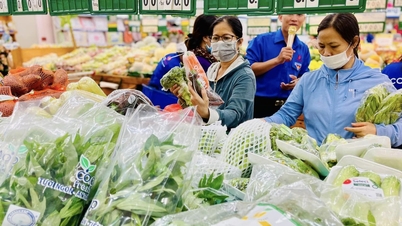
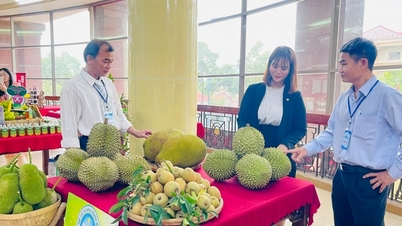
• Minh Huong duck, Ham Yen mandarin oranges, Khau Mang sticky rice, Na Hang vermicelli – each product embodies a collective memory, a cultural story.
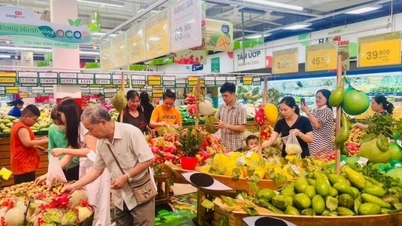
When an OCOP product is associated with a traditional craft village and a tourism experience, its value lies not only in the product itself, but also in the memories, experiences, and trust it evokes.
Socio-economic development stemming from cultural identity.
Promoting national identity does not mean returning to the past, but rather stepping into the future from the roots of tradition.
• Economy: Community tourism, traditional crafts, and OCOP products create jobs and increase income.
• Society: Strengthening community bonds, preserving customs and traditions, and passing them on to future generations.
• Environment: Exploiting cultural and ecological resources in conjunction with conserving forests, water resources, and landscapes.
A sustainable development strategy will begin with the local people – so that they are confident that their national identity does not make them backward, but rather makes them different, outstanding, and valuable in a flat world.

In conclusion, a “new tapestry”
If Tuyen Quang and Ha Giang are considered a single body, then national identity is the blood flowing through its veins. The economy can create strength, infrastructure can open up opportunities, but culture and identity are the soul that keeps the land vibrant and allows for profound development.
It is believed that with each woven piece of brocade fabric, each Then song, each flute melody, each dance performance, this land is creating a "new space for development"—preserving its age-old essence while opening the door to the future.
Le Minh Hoan
Source: https://baotuyenquang.com.vn/van-hoa/202508/giu-ban-sac-khai-pha-khong-gian-phat-trien-moi-170341b/