

Growing up in a Vietnamese family in the Czech Republic, Tran Anh Thang's (Jackie Tran Anh) childhood was intertwined with the familiar sight of a kitchen drawer always stocked with packets of instant coffee – robusta coffee with sugar and milk powder, ready in just a few minutes for a sweet, creamy cup of coffee. Thang's house also always had pre-ground robusta coffee.
According to Thang, Vietnamese coffee is often associated with robusta – a type of bean with a bold, less acidic, and strong flavor, well-suited to milk-based drinks or creative beverages. Meanwhile, specialty arabica coffee stands out for its fruity aroma, clean acidity, and complex flavor profile.
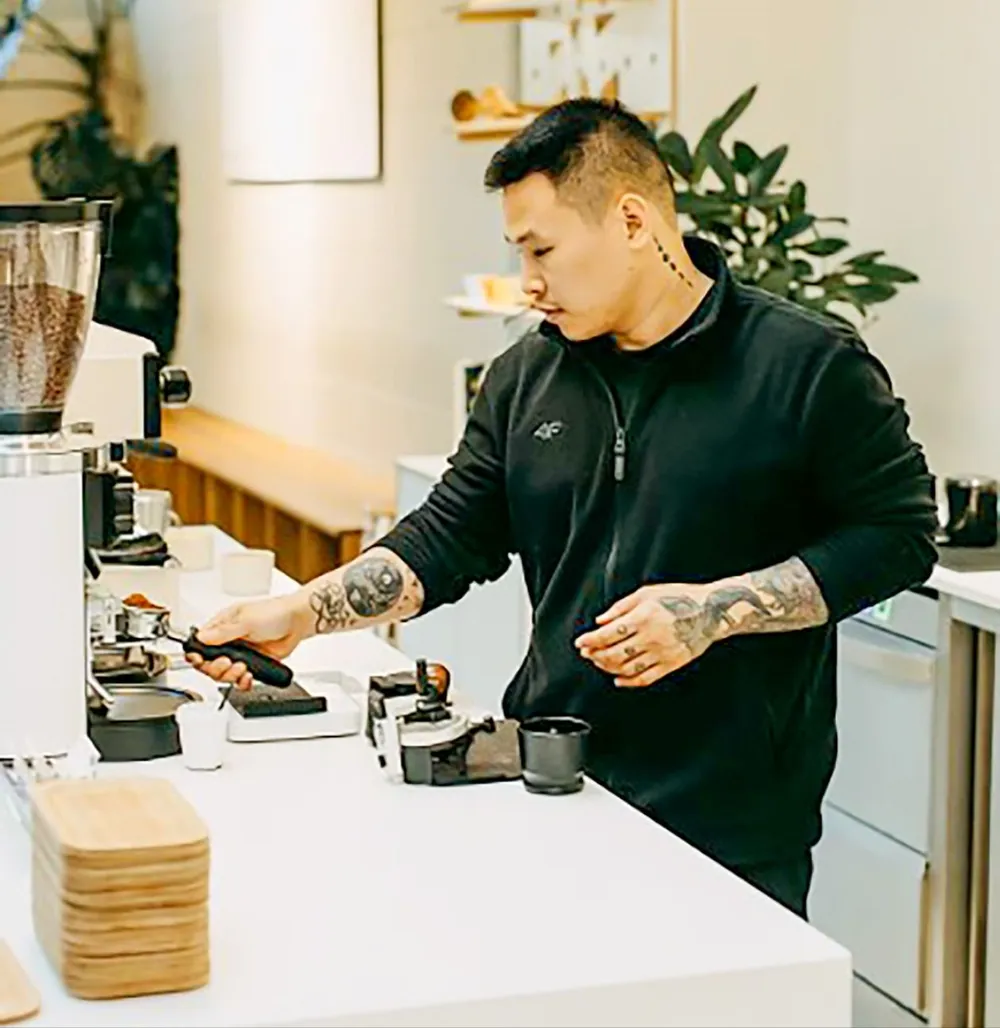
For Thang, each type of coffee has its own context and way of being enjoyed. The important thing is to understand what you are drinking and why. This perspective forms the foundation of Tran Anh Thang's coffee philosophy. He never wants to replace Vietnamese coffee with specialty coffee, but rather wants to "connect two worlds ."
Vietnamese coffee is strong and bold. Arabica, on the other hand, emphasizes terroir (a combination of natural factors including climate, soil, altitude, etc.) and precision in roasting and brewing. According to Thang, this combination helps his coffee retain its Vietnamese essence, but elevates it with better ingredients and a more precise process.
Thang's perspective was formed very early on due to his family's long-standing involvement in the culinary industry.
According to the Czech newspaper iDNES.cz, a wave of Vietnamese pho has gradually spread throughout the Czech Republic, starting from Thang's family's pho restaurant. Interestingly, Thang initially didn't want to follow in his parents' footsteps in the culinary field; instead, he wanted to spend his time traveling and photographing landscapes. He also didn't intend to open a cafe, but rather a photo gallery.
But when his mother suggested selling some snacks to visitors, the exhibition space gradually transformed into a cafe. That's Cafefin – his first business and also his true "school" in the world of coffee.
Cafefin was born and made a difference. The cafe combines coffee with brunch (a combined breakfast and lunch meal) featuring Vietnamese elements such as porridge, banh mi, or sticky rice with mango. From that foundation, Thang gradually built up many different models.
Following Cafefin are May Coffee, An Bistro, Format, Pleiku, and especially Mazelab, the project that best exemplifies his coffee philosophy. It's not just a coffee shop, but also a roastery and importer of green coffee beans. Here, customers can sample rare coffee batches, special collections, or renowned geisha batches from international auctions.
Mazelab's menu is very simple: espresso, milk espresso, and filter coffee, with no complicated drinks or elaborate decorations. According to Thang, this is the most direct approach to coffee.
He started roasting his own coffee in 2023. Initially, this decision stemmed partly from the need to optimize costs for his coffee shop system. But gradually, roasting coffee helped him gain a deeper understanding of the coffee bean's journey from farm to bar. He wanted to have a direct connection with producers, build his own roasting profile, and develop his own expertise.
Mazelab's main coffee sourcing comes from Ethiopia, Kenya, and Panama – countries known for their distinctly flavorful coffee varieties. They also source from Colombia, El Salvador, Ecuador, and Guatemala, depending on the season. Some rare coffees, such as Geisha from Panama, are even more expensive and are sold in small portions for customers to experience.
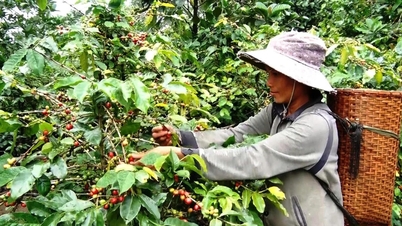
According to Thang, what customers see is only the finished cup of coffee. But to get that cup of coffee is a long journey, from the farmer, through harvesting, roasting, tasting, developing the roasting profile, to controlling the water and extraction every day. Therefore, he makes coffee not to pursue absolute perfection, but out of responsibility to the coffee growers, the raw materials, and the customers.
Source: https://www.sggp.org.vn/giu-gin-ban-sac-ca-phe-viet-noi-dat-khach-post846364.html















































































Comment (0)