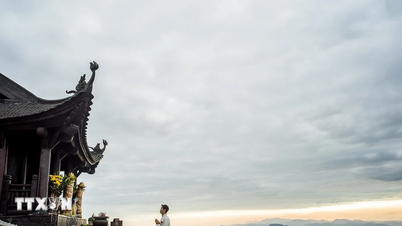
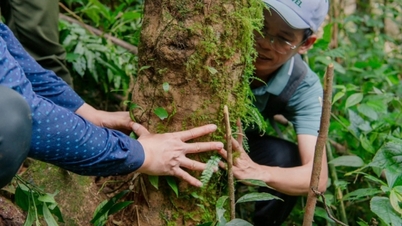
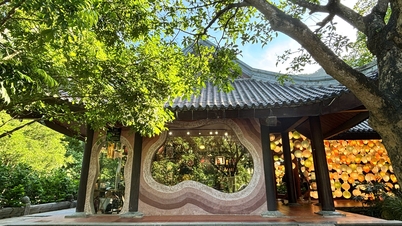
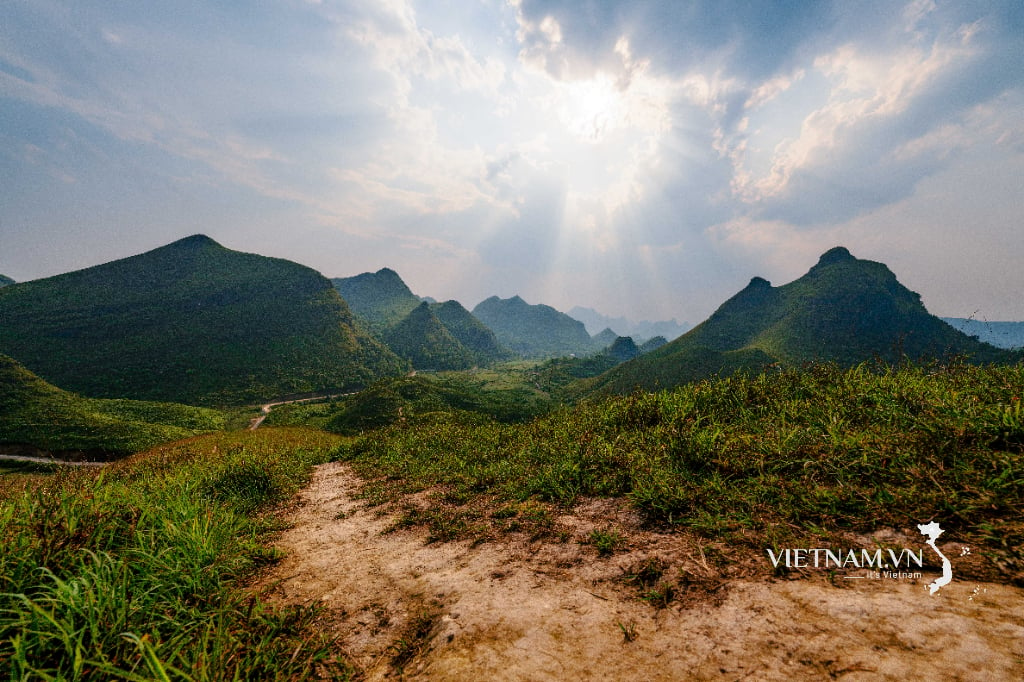
The harmonious blend of poetry and music is evident in his representative musical compositions. When reading Lâm Quý's poems, composer Xuân Vệ not only saw the scenery but also heard the "breath" of the mountains and forests, giving wings to his work "Mystical Suối Giàng." Amidst the lingering mist and fragrant tea aroma, the musical notes follow the poetic sentiment, creating a musical space that is both ethereal and real, allowing the listener to touch the sacred spirit of the mountaintop.
His encounters with poets were always an intersection between the "stillness" of poetry and the "movement" of music. Through the verses of author Pham Duc Hao, composer Xuan Ve "captured" the vibrant heartbeat hidden behind each word to write the work "The Festival Still Remains in Spring." It is not only the sound of the festival, but also the fervent voice of the highland people in the face of the changing seasons.
Each note resonates like a soaring bird, carrying with it the joy, pride, and heartfelt love that two kindred spirits of artists yearn for their homeland. The harmonious blend of poetry and music transforms the familiar spring festival into a poetic artistic space, captivating anyone who listens even once.
Composer Xuan Ve's creative journey bears a very unique mark. He uses music as a "key" to decipher and elevate the structure of language. With "The Scent of Ripe Apples in Spring," set to a poem by The Sinh, or "Autumn in Mu Cang Chai, " set to a poem by The Quynh, there is a harmonious connection in the passionate perspective on the changing landscapes of Northwest Vietnam. The verses are merely static snapshots, but through the lens of Xuan Ve's music, the scent of ripe apples becomes more intense, and the golden hues of the terraced rice fields seem to shimmer more.
The encounter between musician and poet Dinh Ngoc Lam in "Yen Bai on an Autumn Afternoon," or Le Thanh Binh in "Peach Blossoms," is a kindred spirit of nostalgic souls. They share a love and pride for a city undergoing transformation, and in doing so, they carefully craft melodies that partly cling to the past, and partly rejoice in the new rhythm of life.



Beyond simply depicting the landscapes of his homeland, the connection between poetry and music in composer Xuan Ve's work also lies in the themes of epic and devotional songs – where gratitude is celebrated as a lofty human value. The themes of President Ho Chi Minh in the poems of Hoang Viet Quan ("People in the Mountains Remember President Ho Chi Minh") and Le Van Cuong ("People in the Highlands Remember President Ho Chi Minh") touched the deepest parts of his creative consciousness.
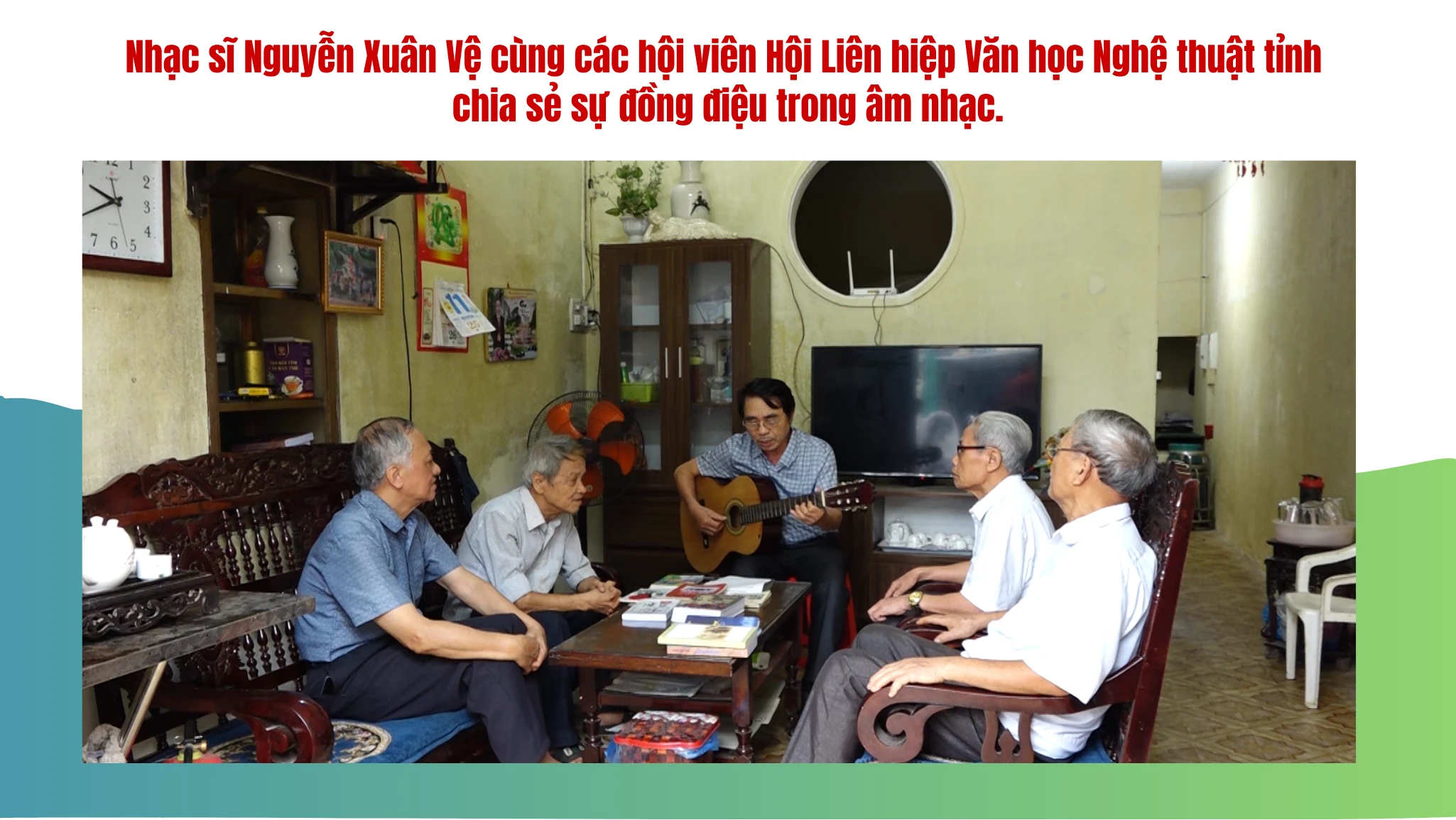
Composer Xuan Ve chose the most rustic musical elements of folk traditions to convey the heartfelt emotions in his poetry. Each solemn, poignant note is like a heartfelt incense offering from the highlanders to their beloved national leader.
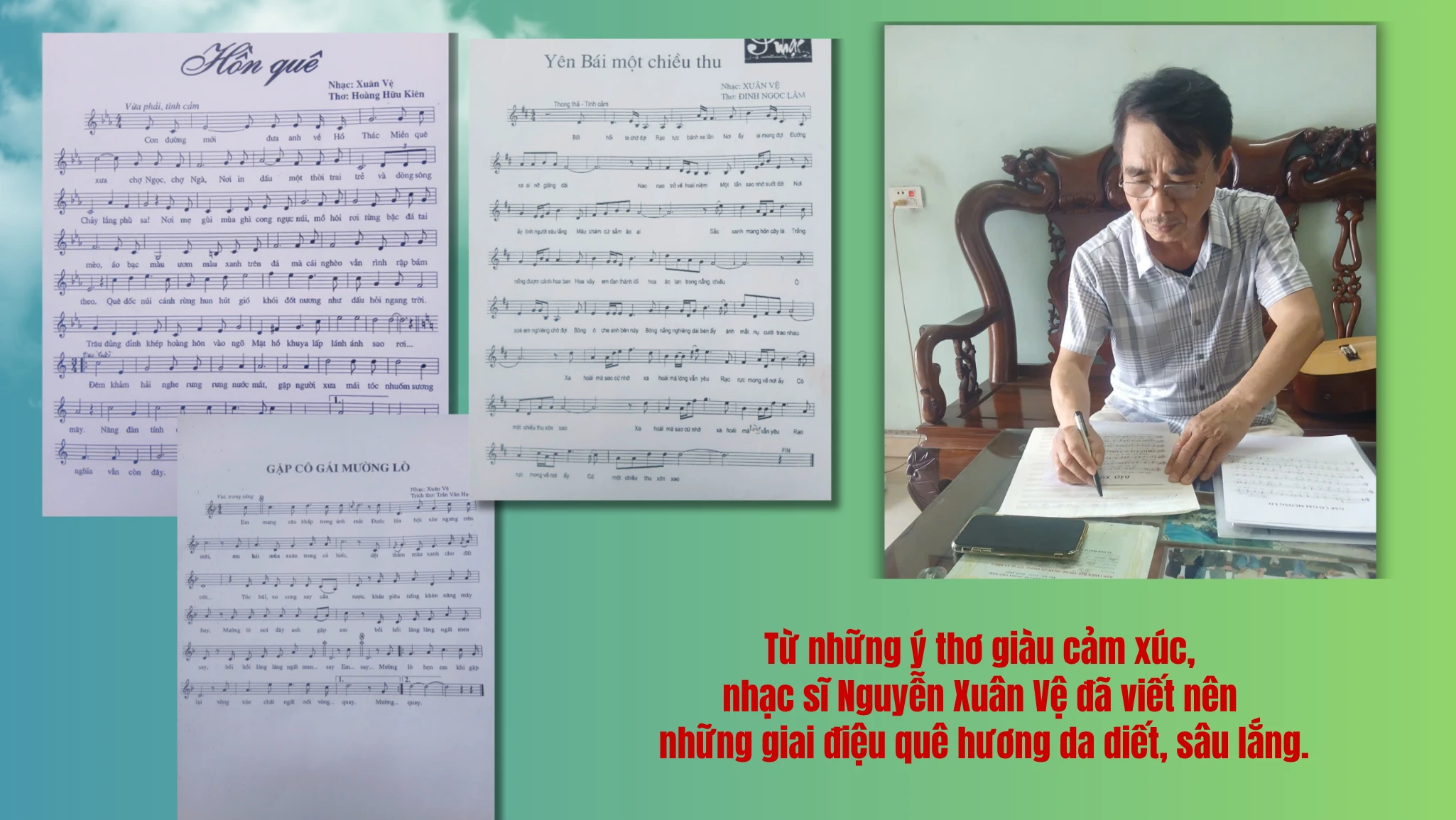
Composer Xuan Ve's empathy extends across the diverse geographical and historical landscapes of his homeland, from waterfalls and riverside docks to valleys. This includes Thac Ba Lake in Hoang Huu Kien's "Homeland Soul" and Mai Lich Hong's "Thac Ba Lake in Autumn." His music follows the verses, sometimes vast like waves, sometimes tranquil like memories, weaving a sonic monument to this land.
When he bowed before the beauty of the people, he joined author Tran Van Hac in "Meeting the Girl from Muong Lo," and with An Nhu in "Come to My Hometown," or with Vu Thuy in "My Hometown in the Mountains"... These melodies are as soft as the flowing robes of the people, as sweet as a cup of corn wine, the culmination of love for his homeland and the most authentic portrayal of the simple, free-spirited souls of the people here. Listening to these melodies, one feels the entire cultural space of the highlands – both ethereal with mist and clouds, yet warm, sincere, and loyal.
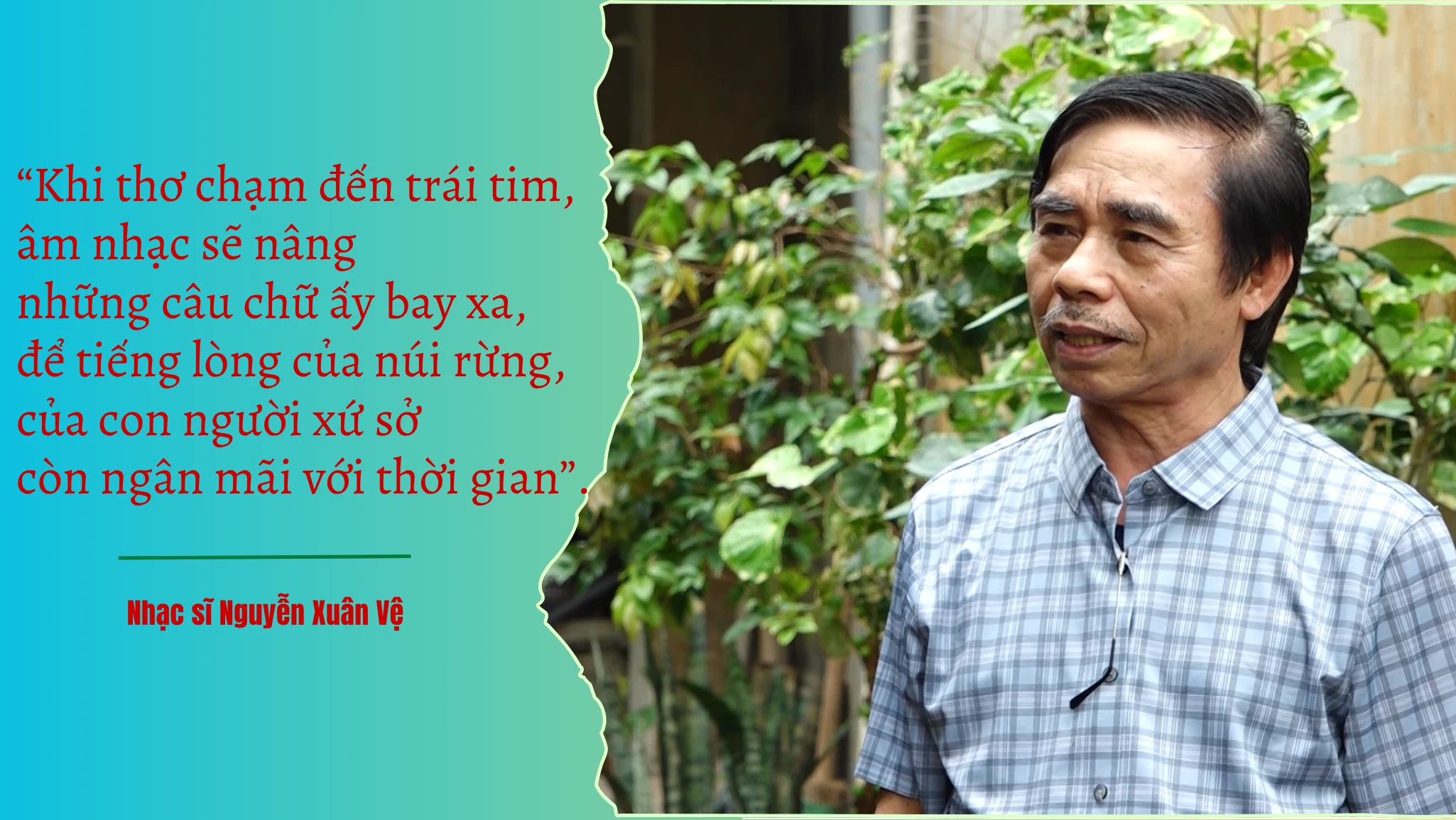



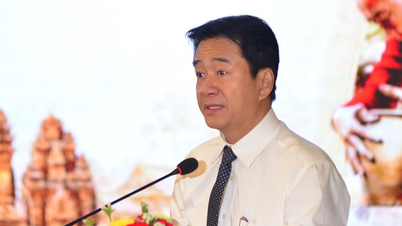
With nearly 50 years dedicated to his songwriting career, composer Nguyen Xuan Ve's musical works, especially his songs set to poetry, are a musical diary recording his unwavering love for his homeland, Lao Cai. The harmony between poetry and music not only gives his works wings but also helps them retain their value over the years.
The vitality of those poignant melodies has resonated, is resonating, and will continue to do so, like a refreshing stream that soothes the listener's soul, reminding each person of the sacred bond with their roots and homeland. These works not only enrich the local literary and artistic heritage but also affirm the position of a son and artist who has dedicated his life to preserving the spiritual and cultural values of his homeland.
Source: https://baolaocai.vn/giu-hon-cau-tho-det-tieng-long-xu-so-post901320.html
![[Image] A look back at the capital's preparations for the century-long master plan.](https://vphoto.vietnam.vn/thumb/1200x675/vietnam/resource/IMAGE/2026/06/29/1782750453122_quy-hoach-100-nam-minh-duy-1-2118-jpg.webp)






















![[Photo] General Secretary and President To Lam works with the Party Committee of the Government on the work of preventing and combating storms, floods, extreme natural disasters and climate change.](https://vphoto.vietnam.vn/thumb/1200x675/vietnam/resource/IMAGE/2026/06/29/1782729441945_a1-bnd-0385-9454-jpg.webp)