

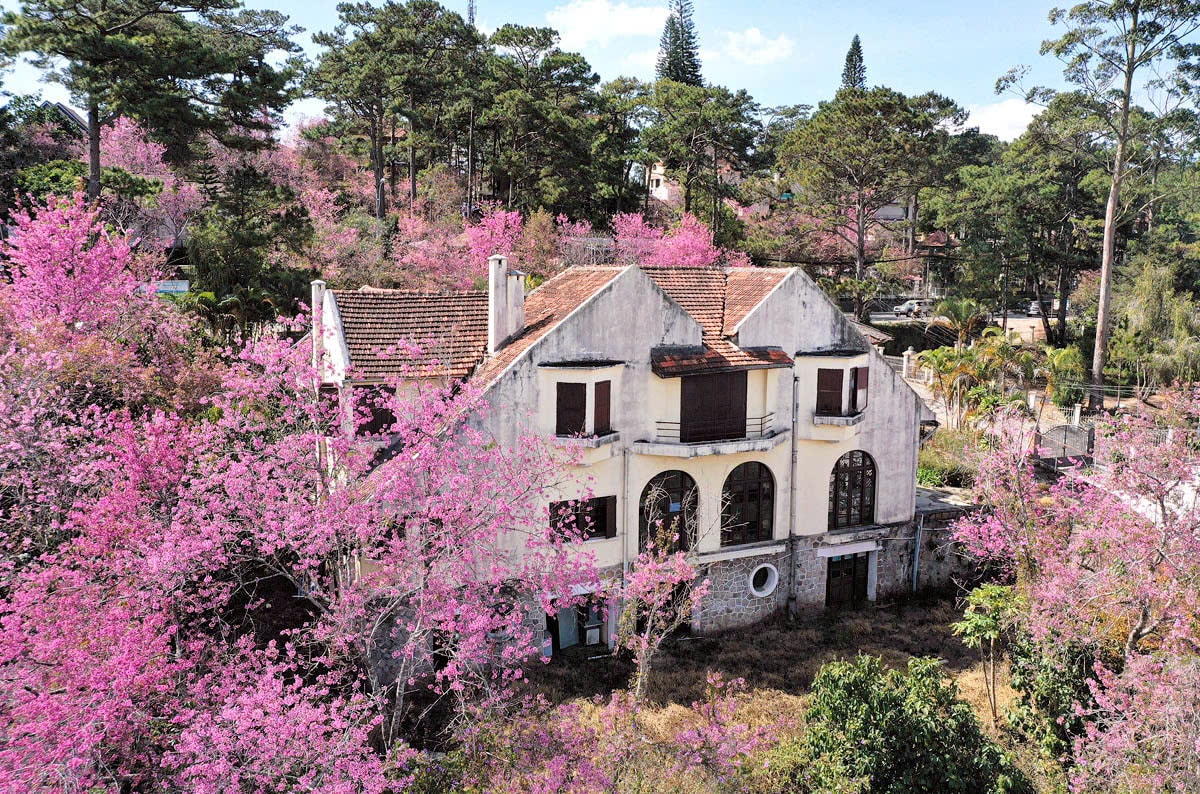
Da Lat was discovered in 1893 by the explorer and doctor Yersin and was built as a resort town for the French in Indochina at that time. Therefore, from the beginning, Da Lat was planned as a resort town, in which French-style villas were the central component contributing to the city's soul. The European-style buildings, harmoniously combined with the hilly terrain and highland climate, create an architectural and landscape whole that is difficult to find elsewhere.
According to Architect Tran Duc Loc, Vice President of the Lam Dong Provincial Urban Planning and Development Association, recent urban planning has always aimed to develop Da Lat into a city with distinctive heritage values, including its planning and architecture. This affirms the value and honors the collection of old French-style villas within Da Lat's overall architectural heritage.
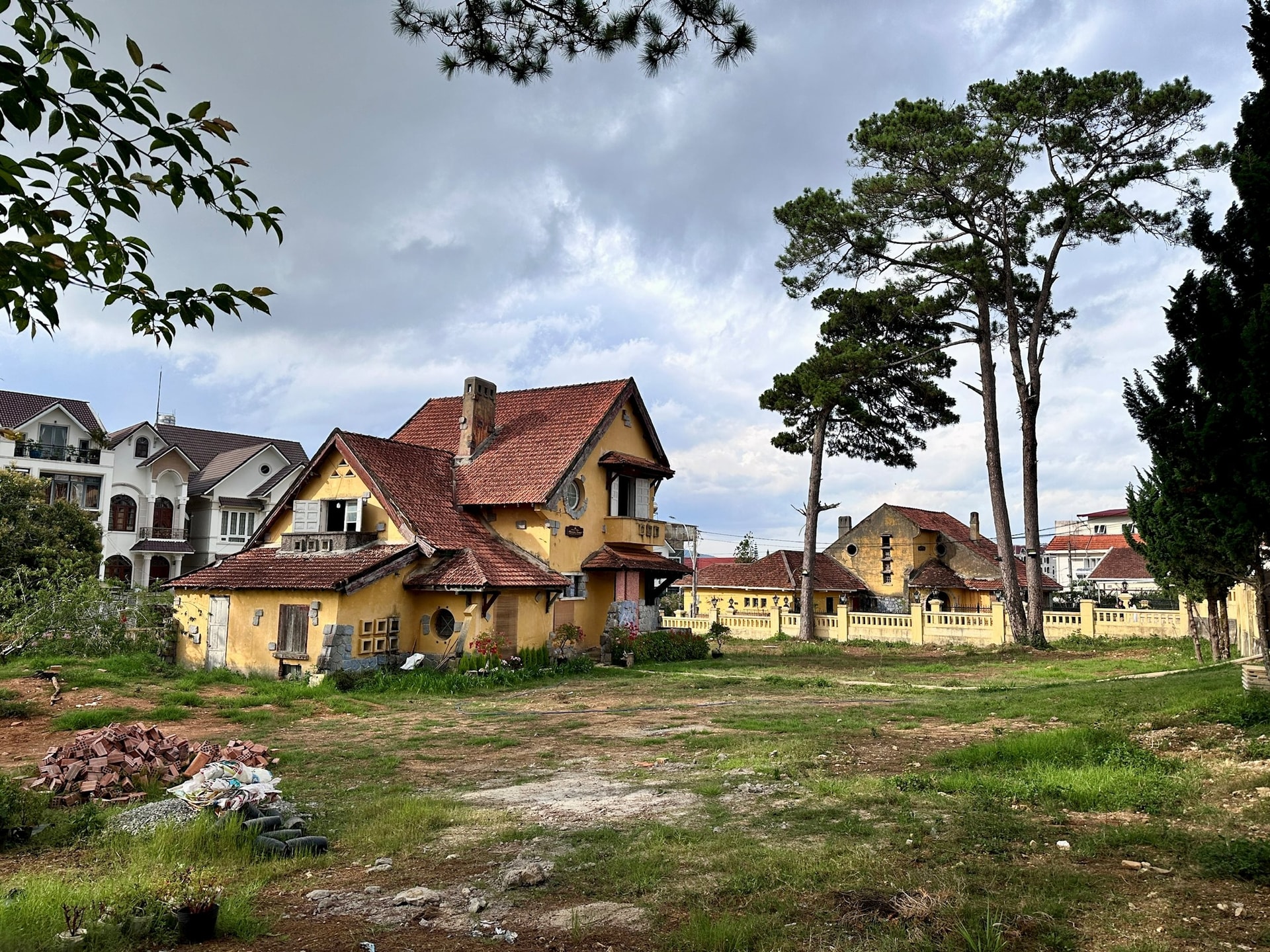
It is known that Da Lat currently has about 1,000 old villas, of which 166 are managed by the State, including 3 villas in group 1, 69 in group 2, and 94 in group 3. The state-owned villas are currently used as agency headquarters, leased out, occupied by residents, and some are vacant… According to the Department of Construction, through the villa management and utilization projects issued by the Provincial People's Committee, the villas have been inventoried and monitored in terms of number, area, renovation, repair, and demolition status… These projects have also created a legal framework to put the villa fund into effective use, encouraging organizations and individuals to participate in maintenance, renovation, repair, and construction investment for exploitation and business; thereby generating additional revenue for the provincial budget, contributing to urban beautification, and preserving and enhancing the unique architectural values of the area. However, the management and use of villas still have some limitations. Some villas have been handed over but the investors have been slow to put them into operation and use, leading to deterioration. Some villas have been demolished but have not been rebuilt by the investors, causing a waste of resources. The inspection, detection, and handling of violations in the management and use of villas have not been timely, allowing households to build extensions that affect the structure and architecture of the villa grounds…
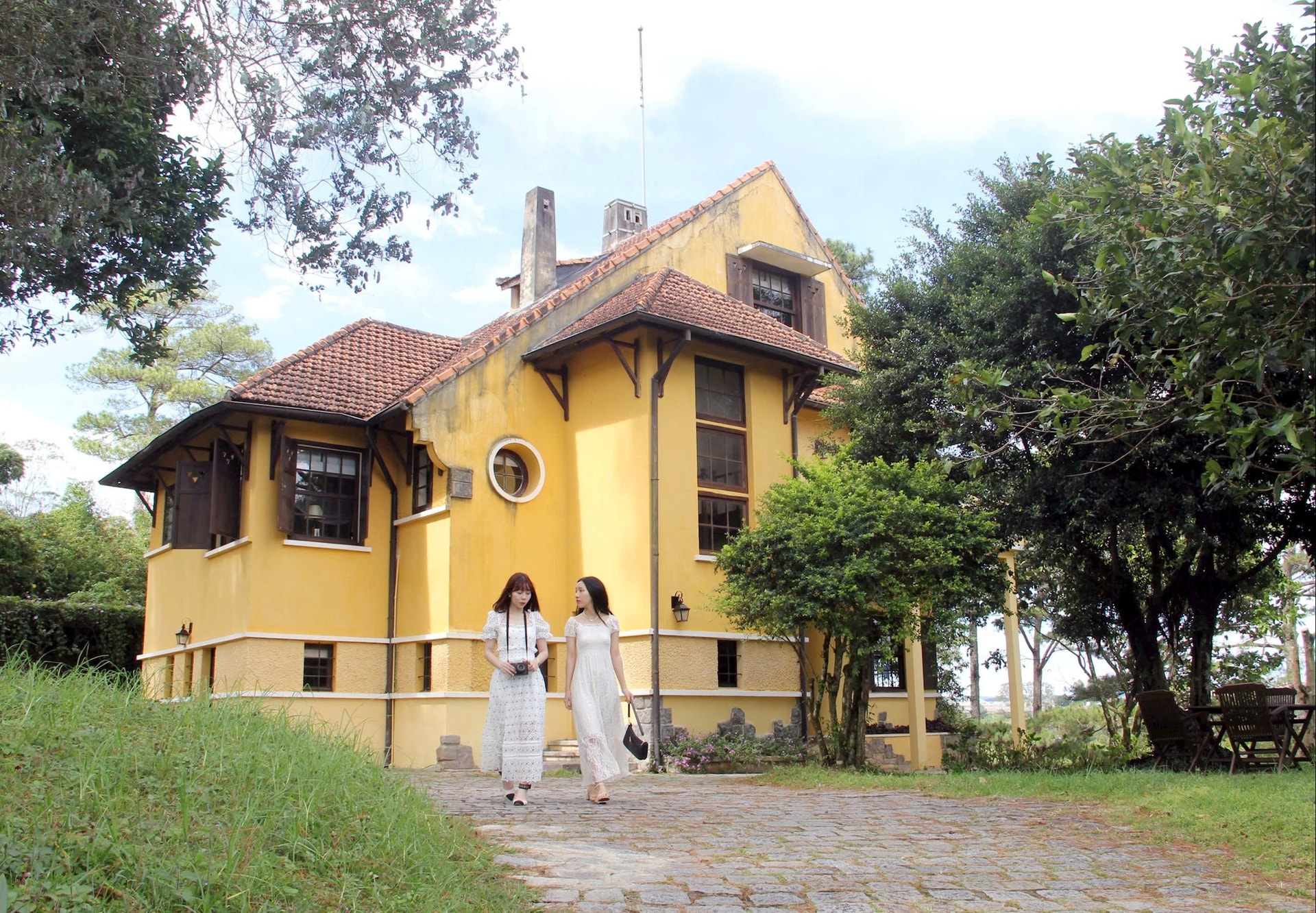
According to Architect Tran Duc Loc, to date, we have not yet completed the procedures to recognize this collection of villas as "heritage areas or structures" (according to the Law on Cultural Heritage) or "architecture of value" (according to the Law on Architecture). Therefore, in some respects, we have not yet correctly recognized the true cultural and historical value of this collection of villas. Consequently, during the exploitation, management, and use process, certain limitations are unavoidable, leading to the destruction, degradation, or alteration of the "original nature" of the structure and art in some valuable villa buildings…
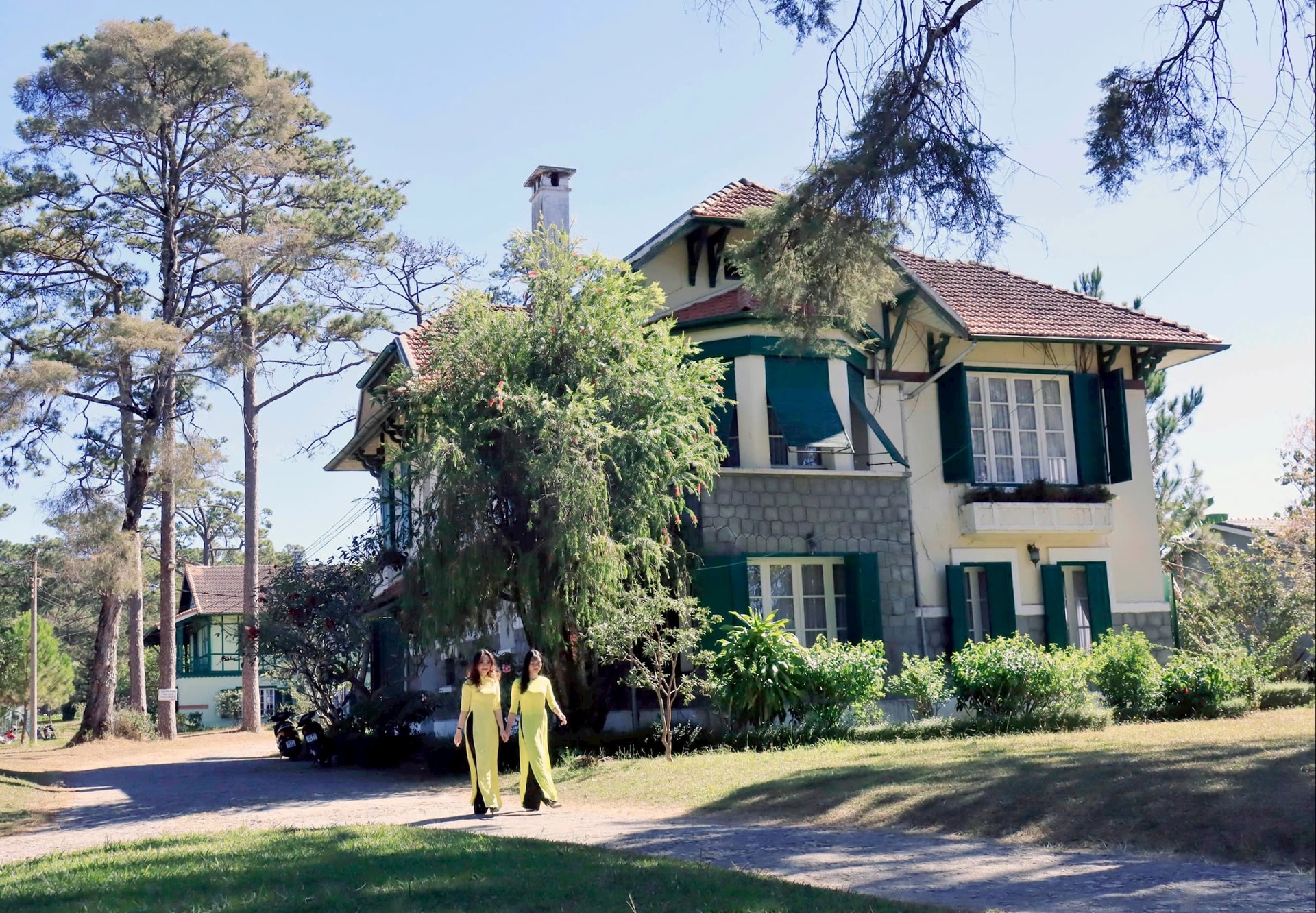
Mr. Tran Duc Loc believes that the most urgent task now is to inventory, assess, and carry out legal procedures to recognize the French villa fund (old and historical). Buildings with durable structures and artistic value, and a lifespan of 50 years or more, could be included in the list of recognized "heritage buildings or architecture" or "architecture of value"; from there, regulations and rules for exploitation, attracting investment, and managing and utilizing them could be developed.
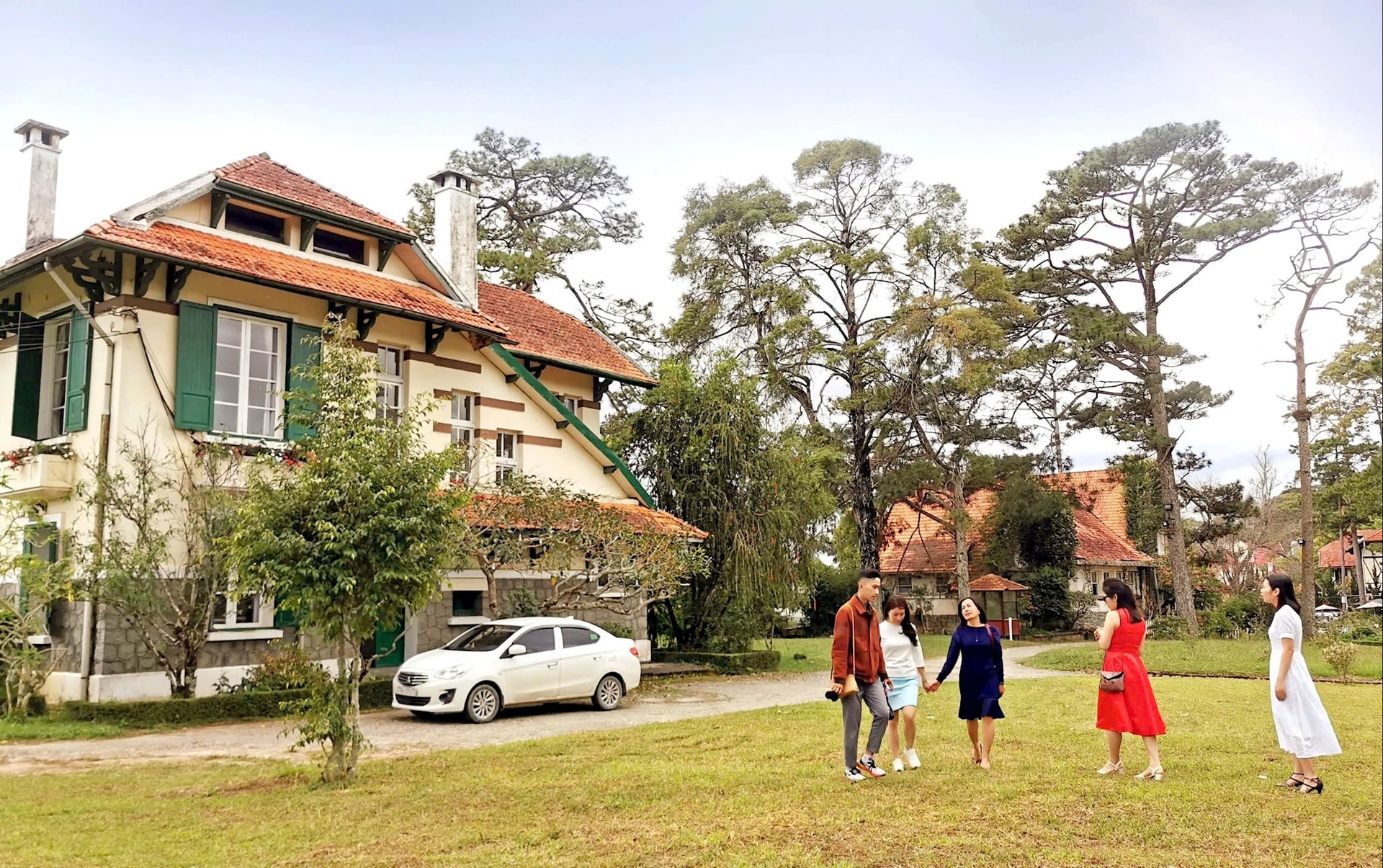
Accurately identifying the value, perfecting the legal framework, and building appropriate management and exploitation mechanisms for the French villa fund will help Da Lat preserve and develop this valuable resource more effectively. This will enable Da Lat to develop in a modern direction while retaining its unique elegance and tranquility – one of the values that has made this city so attractive for over a century.
Source: https://baolamdong.vn/giu-net-reu-phong-410123.html





























































































Comment (0)