

The gloomy growth outlook for major economies and global inflation are negatively impacting a highly open economy like Vietnam. Reduced orders, capital shortages, and stringent new requirements from import markets are posing significant challenges for businesses.
The risk of businesses closing down, even going bankrupt, and workers losing their jobs is looming large... Forecasts indicate that the difficulties will continue, so how can businesses survive in the coming period?
Businesses are struggling, and workers are losing their jobs.
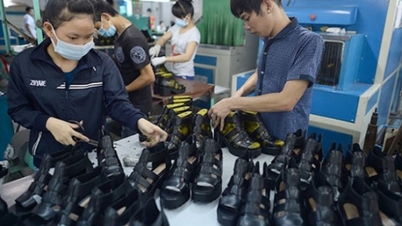
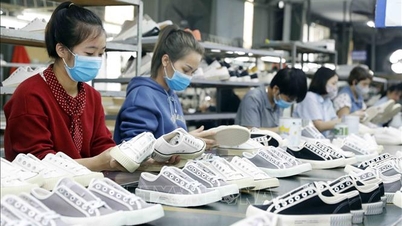
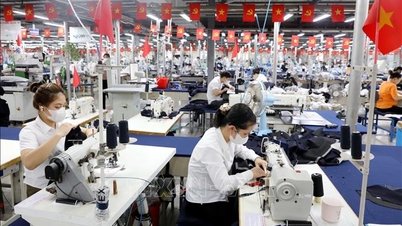
The decline in orders has forced many businesses into operating at a reduced capacity, a reality in the footwear industry. "Never before have businesses in the footwear industry faced such difficulties as they do now," shared Mr. Pham Hong Viet, Chairman of the Hanoi Footwear Association. According to Mr. Viet, both domestic and international market demand has sharply declined. The export market showed signs of downturn from July 2022, and by the first quarter of 2023, order cuts were very serious. The common reduction was 50-70%; in some cases, domestic businesses had almost no export orders. Faced with this situation, since the end of last year, businesses have begun reducing working hours and downsizing production lines.
Construction businesses are also facing an unfavorable situation. According to Mr. Nguyen Quoc Hiep, Chairman of the Vietnam Association of Construction Contractors, construction businesses only achieved about 8% of their annual plan in the first quarter of 2023; whereas the average for previous years was around 18-20%. This year, some businesses reported not having any projects since the beginning of the year.
In addition to facing the general situation of a lack of orders and reduced production, many businesses also report difficulties in accessing capital for production, with high bank interest rates and input costs. The most cumbersome administrative procedures remain in areas such as taxes, fees, land clearance, social insurance, fire prevention and control, and construction. Furthermore, many businesses are concerned about the handling of administrative procedures in many localities, especially given the tendency for officials to evade responsibility, pass the buck, and slow down the processing of tasks.
 |
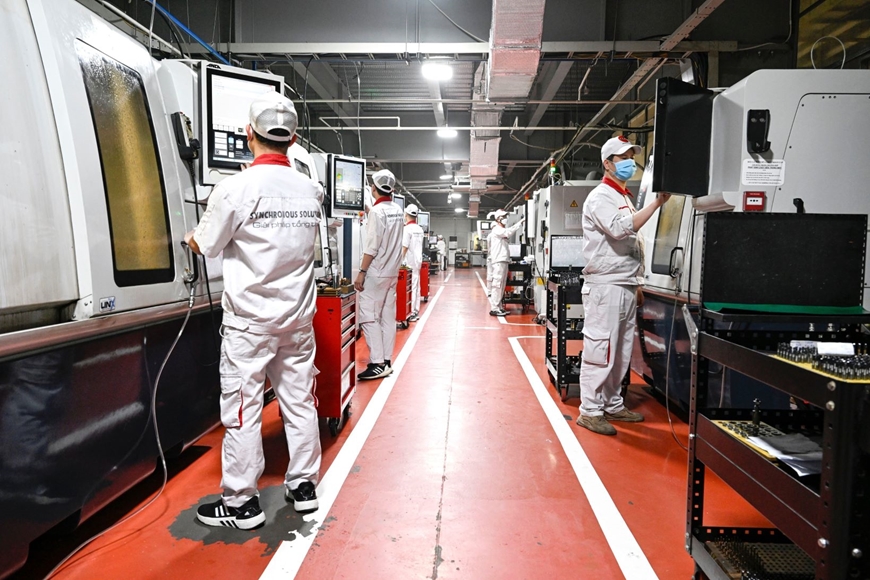 |
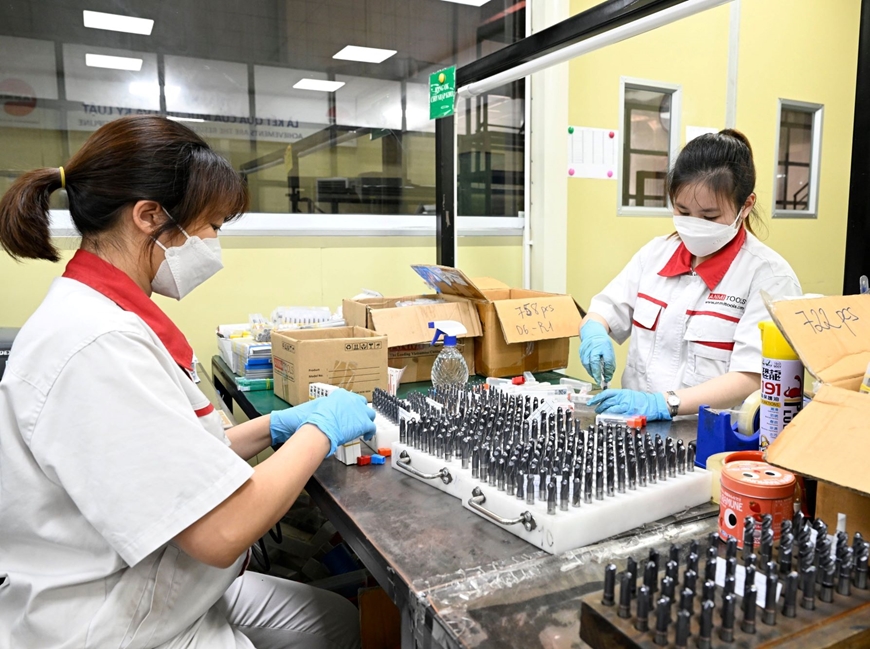
| Production activities at An Mi Tools Co., Ltd. Photo: VIET TRUNG |
According to the National Assembly's Economic Committee, many businesses are facing significant debt repayment pressure, forcing them to transfer ownership or sell shares at very low prices, with many cases involving sales to foreign partners. Meanwhile, according to the General Statistics Office of the Ministry of Planning and Investment , in the past four months, an average of 19,700 new businesses were established or resumed operations each month; however, the number of businesses withdrawing from the market was also considerable, with an average of 19,200 businesses leaving the market each month.
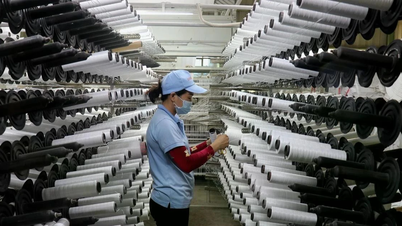
Alarmingly, the situation of many businesses in various industries and localities cutting back on orders began in the fourth quarter of 2022 and continued into the first quarter of 2023, leading to hundreds of thousands of workers experiencing reduced working hours or job losses, affecting their livelihoods. According to quick reports from localities, the number of workers laid off by businesses nationwide in the first quarter of 2023 was nearly 294,000; nearly 149,000 workers nationwide lost their jobs. This was concentrated in the textile, footwear, and electronics component manufacturing industries, mainly in provinces with many industrial parks and export processing zones such as Dong Nai, Binh Duong, Bac Ninh, and Bac Giang.
Furthermore, information from the State Bank of Vietnam indicates that as of April 25th, credit growth across the entire economy only reached 2.75%. This shows that production and business activities are facing difficulties, and the ability of businesses and the economy to absorb capital is very low. According to many experts, the essence of the credit issue and the phenomenon of businesses "starving for capital" at this time is not that the banking system lacks capital, but rather that businesses have capital but are hesitant to borrow, unable to absorb it due to high interest rates, or businesses cannot find markets for their products, thus they are reluctant to borrow for production.
Support policies need to be implemented effectively.
Businesses are urging the National Assembly and the Government to take concrete, decisive actions and promptly implement solutions to support businesses, especially in areas such as markets and capital. In particular, businesses desire a clear legal framework that creates favorable conditions for their operations. The Government's proposal to the National Assembly to reduce the Value Added Tax (VAT) rate by 2%, applicable to many groups of goods and services currently subject to a 10% tax rate, is highly anticipated by businesses and the public. Reducing VAT will contribute to lower production costs and product prices, thereby helping businesses recover and expand their production and business activities.
According to Mr. Pham Hong Viet, the recent support and incentives regarding taxes, finance, and credit, as well as the proposed 2% VAT reduction by the Government, have truly created momentum for businesses. However, businesses still request that ministries and agencies provide timely information on market conditions; organize trade promotion activities; and offer interest rate subsidies and debt restructuring to help businesses overcome this difficult period.
Feedback from the business community also indicates that requirements for sustainable development, digital transformation, circular business, traceability, supply chain assessment, etc., significantly increase costs. To avoid being left out of the global game, businesses need to restructure and synchronously change their production and business strategies. However, most Vietnamese businesses are small and medium-sized enterprises with insufficient economic resources, making it difficult for them to quickly transform their production models without preferential capital for green production. “Currently, businesses producing green products have lower profit margins compared to conventional production. Businesses need to accept financial sacrifices and overcome these challenges to meet requirements and avoid being excluded from the supply chain. This shows that businesses wanting to green their operations need financial resources and time; it cannot be completed in one or two years,” said Mr. Le Tien Truong, Chairman of the Board of Directors of Vietnam Textile and Garment Group.
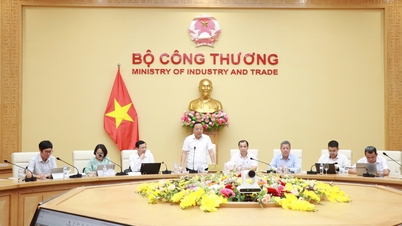
To address production difficulties, the Ministry of Industry and Trade continues to effectively implement domestic demand stimulation programs, support trade promotion, and seek and exploit new markets and orders for businesses. The Ministry of Industry and Trade proposes that the National Assembly and the Government direct relevant ministries and agencies to immediately resolve difficulties and obstacles related to fire prevention and fighting regulations that are consistent with the practical production activities of businesses, so that businesses can quickly complete the procedures to bring new projects into operation. The State should only conduct post-inspection to expedite the progress of bringing new investment projects into operation...
Many also believe that, in the current difficult economic climate, improving the business environment is a cost-effective yet highly effective way to provide support. “Solutions to improve the business environment and ensure a safe policy environment for businesses should be considered one of the key tasks of ministries, sectors, and localities. It is necessary to stimulate the reform momentum of local governments, along with mechanisms to protect those who dare to think and act,” expressed Ms. Nguyen Minh Thao, Head of the Business Environment and Competitiveness Research Department, Central Institute for Economic Management Research.
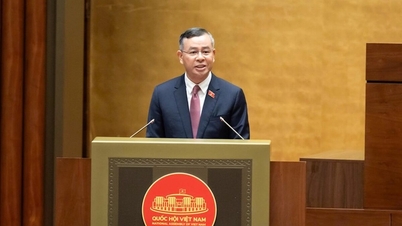
During the group discussion on the socio-economic situation at the fifth session of the 15th National Assembly, held on May 25th, Minister of Planning and Investment Nguyen Chi Dung acknowledged that the biggest difficulty facing the economy is the difficulty faced by businesses. Therefore, more decisive action is needed in implementing solutions to support businesses and create a foundation for economic development. In particular, administrative bottlenecks, if not quickly resolved, will hinder the operations of businesses and the economy.
VU DUNG
Source



![[Photo] General Secretary and President To Lam meets with National Assembly delegates from ethnic minorities.](https://vphoto.vietnam.vn/thumb/1200x675/vietnam/resource/IMAGE/2026/04/20/1776696701056_a1-bnd-8331-3342-jpg.webp)
![[Image] National Assembly discusses the implementation of the socio-economic development plan.](https://vphoto.vietnam.vn/thumb/1200x675/vietnam/resource/IMAGE/2026/04/20/1776696707422_ndo_br_img-20260420-185419-jpg.webp)














































































Comment (0)