

Local officials with no prior experience in education management
According to survey data from the Department of Education and Training in early August 2025, there are 126 officials and civil servants in charge of education in 124 communes and wards. Of these, 83 civil servants have professional qualifications in pedagogy or related fields; the remaining 43 civil servants have professional qualifications in other academic disciplines.
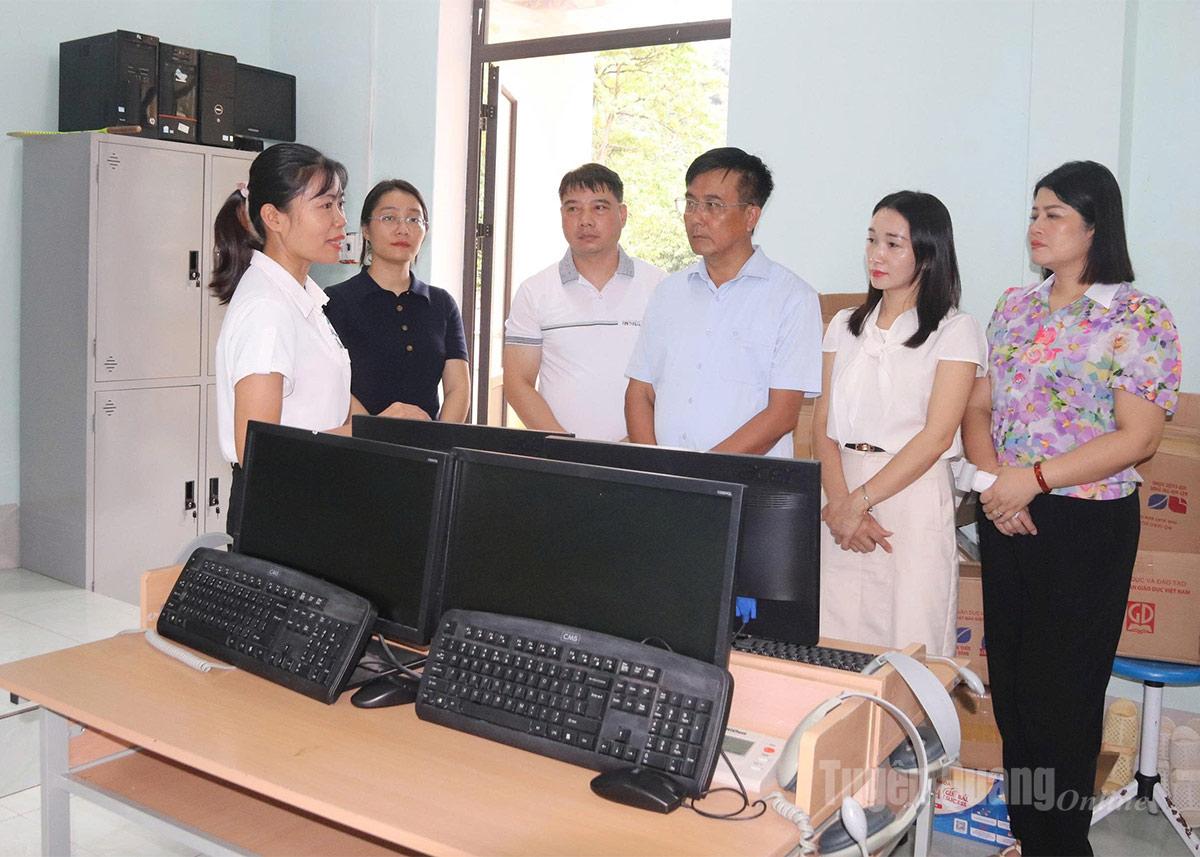 |
| Leaders of the People's Committee of Thanh Thuy commune and officials in charge of education inspected teaching and learning at schools. |
When the two-tiered local government system was implemented, Ms. Ly Thi Huong was assigned to oversee education in Nhu Khe commune. With her background in healthcare management, she initially felt a bit overwhelmed by the new responsibilities. Ms. Huong explained: "Nhu Khe commune currently has six public schools with a total of 1,539 students, of which 42% are ethnic minorities. This requires education officials to quickly familiarize themselves with the local area to effectively manage the education system. Meanwhile, education is a broad field, demanding macro-level management knowledge and a thorough understanding of the system."
Even those with pedagogical expertise face significant challenges when juggling new, complex tasks requiring in-depth knowledge of finance, accounting, and management across all three levels of education. Ms. Luong Thi Loan, Deputy Head of the Culture and Social Affairs Department in charge of education in Yen Lap commune, shared: "Previously, I only specialized in the curriculum and teaching methods for primary school."
Now, the job requires a thorough understanding of regulations and documents regarding budget revenue and expenditure, and financial settlements for preschools, primary schools, and secondary schools. Each level has its own unique characteristics, from the nutritional needs of preschool children and textbooks for primary school students to the new general education curriculum. Not to mention, we also have to handle issues related to school health, school security, and facility management. Everything is new and cannot be learned overnight.”
Challenges from practice
Currently, each commune-level Culture and Social Affairs Department is only allocated 1 to 2 staff positions for civil servants in charge of education and training. In some places, education officials also handle multiple other areas. The enormous and complex workload, from data collection and file processing to advising and directing professional work, creates a clear and overwhelming burden.
Ms. Nguyen Thi Thanh Huan, a civil servant in charge of education in Viet Lam commune, expressed: "I have to research and learn while I work because there are quite a few new regulations, so the pressure is immense. We not only do administrative work but also have to take on roles as consultants, advisors, and even provide professional guidance to schools."
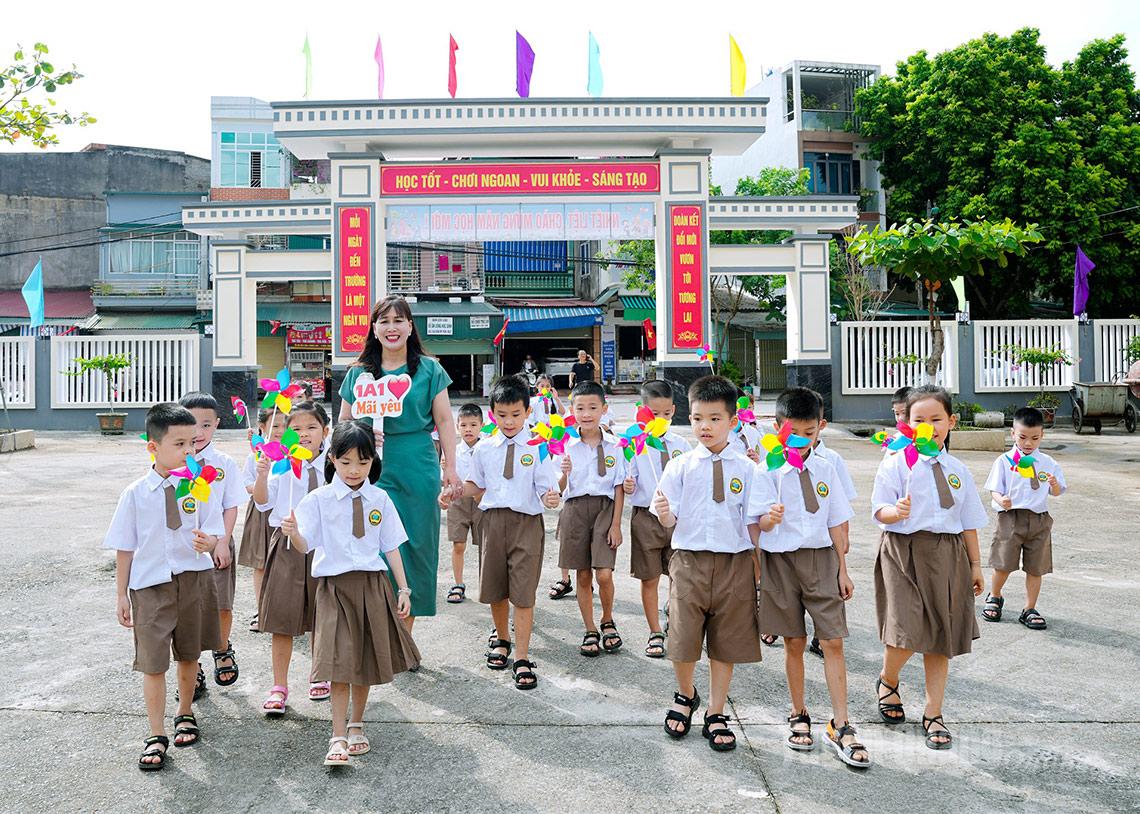 |
| Teachers and students of Hung Thanh Primary School, An Tuong Ward, welcome the new school year. |
The limited professional capacity of civil servants in charge of education not only affects administrative work but also directly impacts professional quality. Support from the commune level to schools and teachers becomes ineffective.
According to Mr. Le Hong Duc, Deputy Principal of Nhu Han Primary School in Nhu Khe commune: “Previously, when we had professional issues or needed guidance on paperwork and procedures, we could contact the primary school specialist at the district education department directly. Now, a commune-level official has to oversee everything from preschool to secondary school; they don't have enough time or expertise to support us in a timely manner. Often, we have to figure things out and manage on our own.”
When commune-level administrators lack educational expertise, advising on the implementation of programs and plans, innovating teaching methods, and assessment becomes difficult. Some localities with few schools at each level lack peer-level professional support and sharing, leading to fragmented activities and difficulties in organizing inter-school professional development activities (competitions, workshops), which negatively impacts the quality of teacher professional development.
Ms. Vi Thi Duong, Head of the Culture and Social Affairs Department of Kien Thiet commune, shared that Kien Thiet has one primary school and one kindergarten. Organizing competitions such as "Excellent Homeroom Teacher," "Excellent Teacher at the commune level," etc., would be difficult, leading to a lower professional quality of the competitions.
Overcoming difficulties
After listening to various opinions, the Ministry of Education and Training organized a nationwide training conference for commune-level officials, combining in-person and online formats. Simultaneously, they held seminars to find solutions to the challenges. In these conferences, the Ministry's leaders affirmed that decentralizing education management to the commune level is an inevitable step. For success, it requires the cooperation of all levels and sectors, and especially the effort to improve professional and managerial capacity at the grassroots level – the closest to the people.
To address these difficulties step by step, Tuyen Quang proactively implemented many solutions. Before the new school year, the Department of Education and Training established a working group comprising leaders and specialists from various departments to directly guide schools. Simultaneously, they distributed sets of documents titled "Guidelines for Implementing State Management of Education under the Two-Tier Local Government System." However, in the long term, supplementing the number of commune-level civil servants with suitable positions to oversee the education sector is essential.
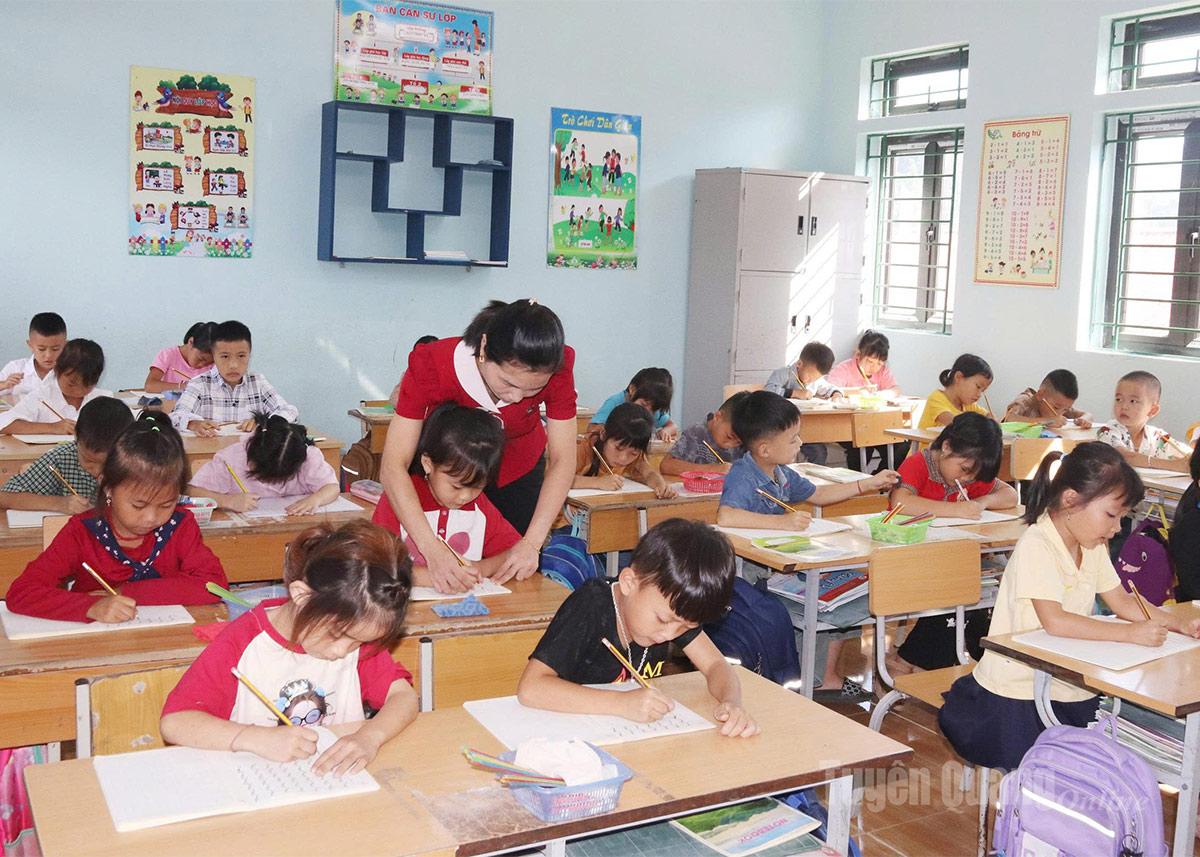 |
| First grade students at Quyet Tien Primary School (Quan Ba commune) during class time. |
Comrade Vu Dinh Hung, Director of the Department of Education and Training, affirmed: “We consider improving the capacity of grassroots officials as a key factor. In the coming time, we will implement training courses and in-depth professional development for civil servants in communes on education management. At the same time, we will second school administrators to support communes and wards that lack education management staff; and establish a close coordination mechanism between the Department of Education and Training and the People's Committees at the commune level to promptly support the implementation of tasks.”
Recently, the Ministry of Education and Training issued a document addressing some difficulties and obstacles faced by localities in the field of education and training when implementing a two-tiered local government system. This includes a solution to recruit and second education administrators and teachers at all levels with appropriate expertise and experience to positions responsible for education and training at the commune level.
Mr. Nong Tien Sy, a teacher at Thuong Son Ethnic Boarding Junior High School in Thuong Son commune, has been seconded to serve as a civil servant in charge of education in Thuong Son commune. Mr. Sy shared: “I started my duties as a specialist in charge of education in the commune on August 10th. With my professional qualifications, I will try my best to complete the assigned tasks well.”
In addition, commune-level officials proactively improve their capabilities and learn from each other to fulfill their duties. Ms. Ly Thi Huong, the education officer in Nhu Khe commune, said: “Besides self-study and research, we have established Zalo groups to share knowledge and provide professional support to complete our tasks. I also hope for more in-depth training courses and hands-on guidance so that we can perform our duties in the best way possible.”
Recently, at numerous seminars and conferences organized by the Ministry of Education and Training, solutions to address the difficulties facing the education sector have been proposed. Among these, many delegates suggested that once the system is operating stably, localities could consider new models, such as "inter-communal school clusters," establishing a joint group responsible for 3-5 neighboring communes.
This group will be under the direct supervision of the Department, with a staff of 5-6 people, comprising education experts and specialists at each educational level, ensuring a team of highly qualified personnel and reducing the burden on local governments. This is one of the approaches being studied and considered by many localities.
Initial difficulties in managing education at the commune level are an inevitable part of a transition process. However, with the decisive involvement of the Ministry of Education and Training and the proactive efforts of local authorities, these obstacles will gradually be overcome. All efforts are directed towards a common goal: providing the best possible learning environment for students and opening up a bright future for the education sector in the new era.
Giang Lam
 |
Dr. Luc Quang Tan
Director of Thai Nguyen University's branch campus in Ha Giang
Synchronizing solutions to improve quality
To improve the effectiveness of education management under a two-tiered local government system, a comprehensive set of solutions is required. First, it is necessary to strengthen the training and professional development of education officials at the commune and ward levels. Training content should include knowledge of state management, education management, law, school regulations, human resource management, finance, and digital technology application skills. The assessment of officials' capabilities should be conducted periodically, linked to performance evaluation criteria and appointments. At the same time, priority should be given to allocating a reasonable budget for education, especially in disadvantaged areas.
Standardizing the workforce, improving management capacity, and incorporating professional standards into the recruitment of civil servants in charge of education are also crucial. Promoting the application of information technology, implementing smart school models, and managing according to ISO standards are inevitable trends.
Finally, it is necessary to promote socialization, leveraging the role of the community, school administration, parent associations, and social organizations in monitoring, advising, and mobilizing resources for education.
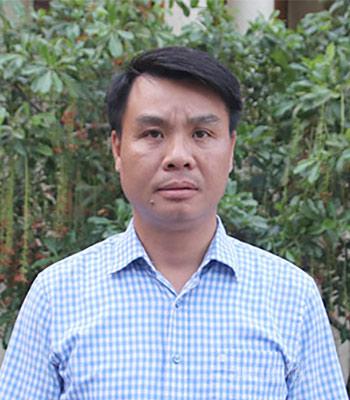 |
Comrade Nguyen Duy Huan
Vice Chairman of the People's Committee of Quan Ba Commune
Overcoming obstacles to bring education into order.
In the 2025-2026 school year, the entire commune will have 9 schools under the management of the Commune People's Committee with a total of nearly 5,000 students. The workload is enormous, and management requirements are increasingly high, but the commune-level staffing is limited, and officials have to take on multiple responsibilities, making it difficult to assign personnel with the correct educational specialization.
In Quan Ba, the Head of the Culture and Social Affairs Department is trained in education, but the specialist directly in charge of the field has expertise in social work. This disparity leads to many difficulties in implementing tasks. To overcome this, the People's Committee of the commune directs the department's leaders to regularly and directly guide and support the specialists in improving their capacity, helping them quickly adapt and ensuring the progress and quality of their work. At the same time, they promptly identify difficulties to gradually resolve them, determined to bring education in the locality into order, meeting the requirements of fundamental and comprehensive educational reform.
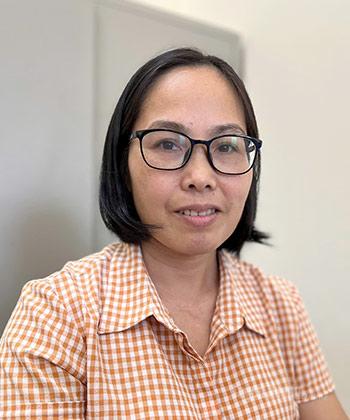 |
Comrade Duong Thi Kim Xuyen
Education specialist, People's Committee of Nong Tien Ward
I would like to receive management training.
Previously, I worked in the education sector. After transferring to the People's Committee of Nong Tien Ward, I was assigned to oversee the ward's education sector, which was quite advantageous. However, education is a specialized field with many aspects and contents, requiring a solid foundation of knowledge, practical understanding, and the ability to constantly update my knowledge in order to provide timely and accurate advice to the ward leaders and offer practical support to schools.
Therefore, in addition to striving to learn and work with the highest sense of responsibility, we urgently need training and professional development. At the same time, we need regular, specific guidance documents so that civil servants in charge of the education sector have a basis for implementing plans and tasks. Only then can we ensure consistency and continuity in gradually improving our capacity and meeting the increasingly high demands of educational management at the grassroots level.
 |
Teacher Chau Thi Mien
Principal of Tan Long Secondary School, Tan Long Commune
Strengthening coordination
This school year is the first year after the commune merger, with many changes in education management. As the head of the commune, I am well aware that the quality of education cannot come solely from the school's efforts. First and foremost, the Commune People's Committee needs to pay close attention to and direct the implementation of education policies and guidelines, especially in the context of the newly merged commune, where management has many new aspects.
Simultaneously, the joint mobilization of resources to invest in infrastructure and teaching equipment is a key condition for teachers and students to effectively implement educational reforms. In addition, coordination in organizing extracurricular activities, traditional education, and caring for the spiritual well-being of students is of particular importance. When the government, schools, and parents truly work together, we will create a comprehensive educational environment, contributing to the formation of a generation of citizens who are both knowledgeable and responsible to their homeland.
Source: https://baotuyenquang.com.vn/xa-hoi/202508/go-kho-sap-xep-cong-chuc-giao-duc-b0831ff/









































































Comment (0)