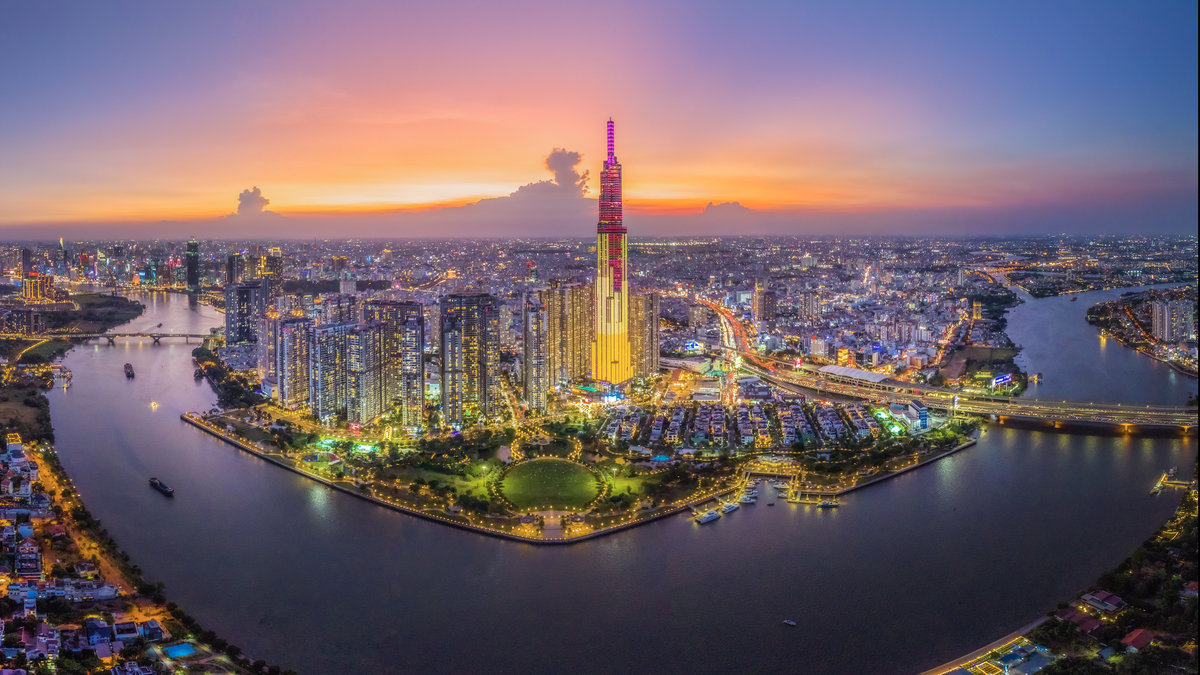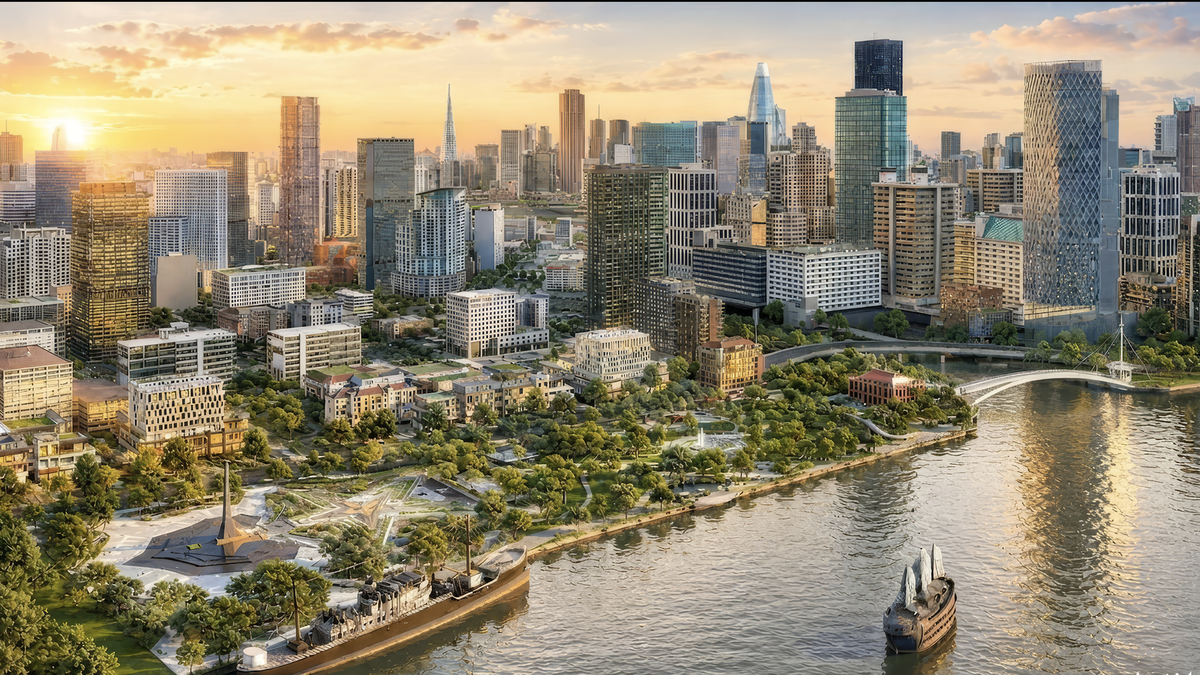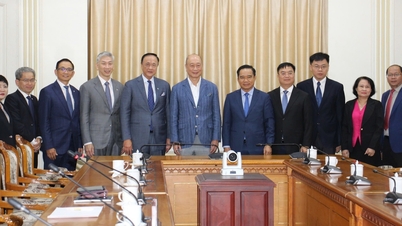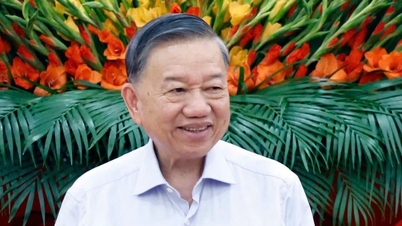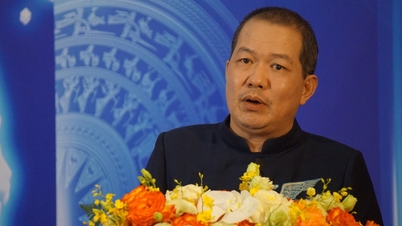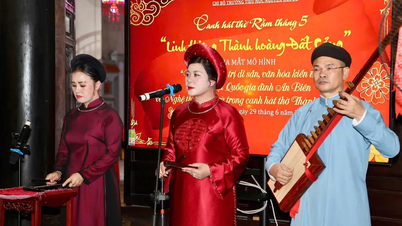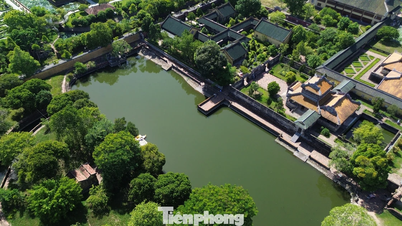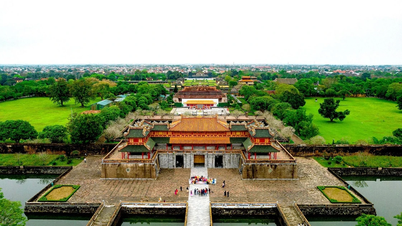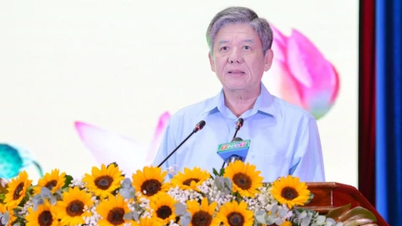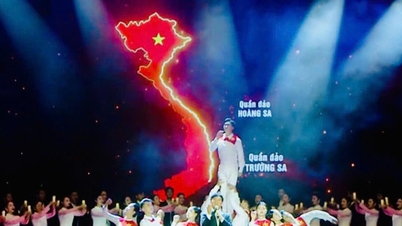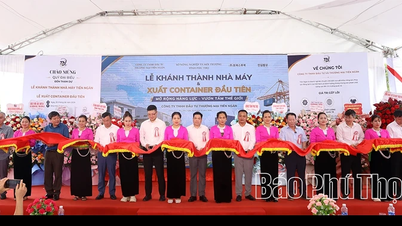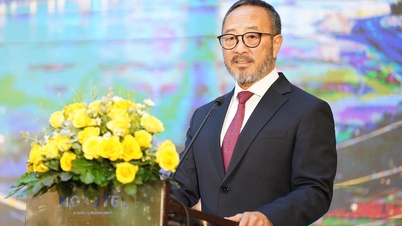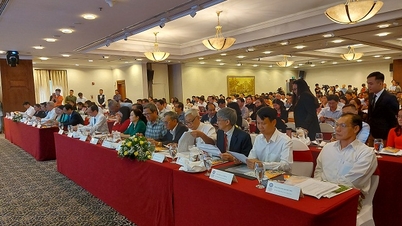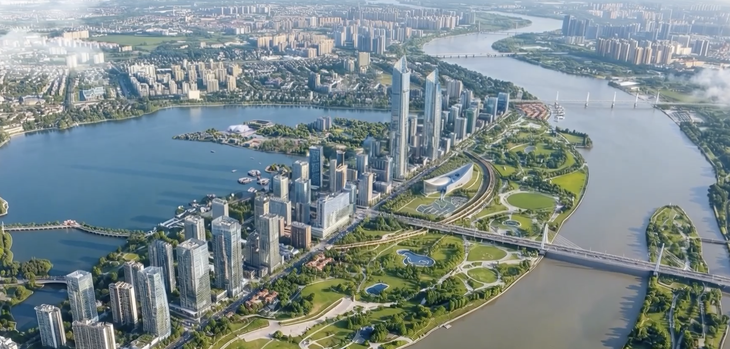
Screenshot taken from a video overview of Hanoi's 100-year urban planning vision - Source: Hanoi People's Committee

 Báo Tuổi Trẻ•30/06/2026
Screenshot taken from a video overview of Hanoi's 100-year urban planning vision - Source: Hanoi People's Committee
What the people of Hanoi are waiting for right now is for the planning to be implemented soon.
Some decisions bring about change in just a few years, while others shape a city's appearance for decades. For Hanoi, 2026 can be considered a milestone. For the first time, the capital city will not only announce a series of major investment projects but also introduce a master plan with a century-long vision.
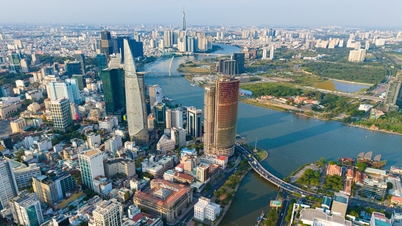
What is noteworthy is not only the scale of investment, but also the path Hanoi has chosen for its development. The city aims for a multi-centered model, with public transportation as the main axis, expanding development space both above and below ground, and encompassing a digital platform. Further afield, the goal is to become one of the ten happiest capitals in the world by 2065.


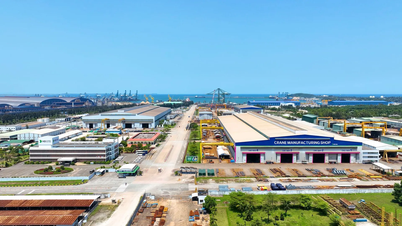
To realize that goal, Hanoi has many favorable conditions. Domestic and foreign capital continues to flow into the capital. Hundreds of new projects have been announced, and many large enterprises have committed to partnering. This reflects recognition of the investment environment and demonstrates confidence in the city's development prospects.
However, planning is only valuable when implemented effectively. Many cities around the world have had ambitious master plans, but these have stalled due to lengthy procedures, land acquisition issues, or a lack of coordination between different levels and sectors. This lesson reminds us that opportunities will slip away quickly if implementation doesn't keep pace.
Perhaps a city isn't modern simply because it has more high-rise buildings. A capital city also cannot be livable if its residents still face traffic congestion, pollution, a lack of green spaces, or the gradual erosion of cultural values. The success of urban planning should be felt through tangible things like convenient transportation, a clean environment, good public services, and more public spaces.
Therefore, Hanoi now needs to accelerate the implementation of urban planning. Investment procedures should continue to be streamlined, and bottlenecks related to land and site clearance should be promptly addressed. Along with this, there needs to be stronger decentralization, clearly defined responsibilities for each level and sector, transparency in project progress, and increased dialogue with the people to create consensus during implementation.
In the competition among cities, opportunities always come with pressure. Hanoi currently possesses planning, mechanisms, and resources. What is most needed now is to transform these advantages into concrete projects, better services, and a higher quality living environment for its people.
When the plan is realized through concrete actions, today's figures will not remain merely announcements. They will become new roads, livable residential areas, green spaces, and development opportunities. That is the lasting value of a century-long plan and the path for Hanoi to gradually realize its aspiration of building a cultured, modern, distinctive, and happy capital city.



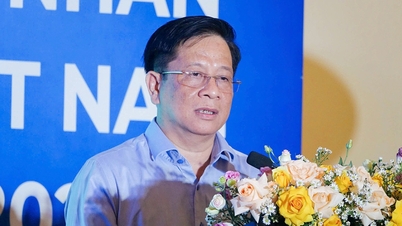
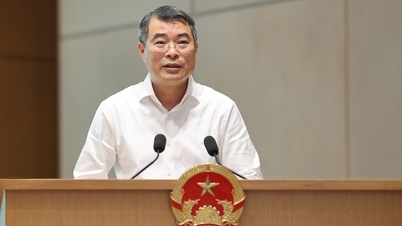
At the conference announcing the Hanoi Capital City Master Plan with a 100-year vision and promoting investment in 2026, held yesterday morning (June 29), Hanoi Party Secretary Tran Duc Thang posed insightful questions that served as a guiding principle for the entire development process: What benefits will the people receive? How will the quality of life change? How will the identity of Thang Long - Hanoi be preserved?...
QUANG THẾ
Source: https://tuoitre.vn/ha-noi-va-co-hoi-tram-nam-100260629214417995.htm





![[Photo] Strengthening character and expertise: Intense training for artillery soldiers.](https://vphoto.vietnam.vn/thumb/1200x675/vietnam/resource/IMAGE/2026/06/30/1782815602541_lu-368-1875-4571-jpg.webp)