

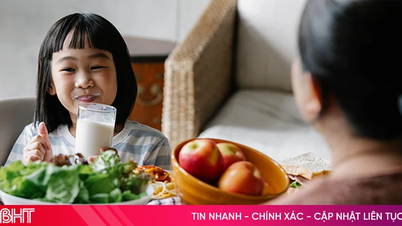
A nutritious breakfast, a balanced school lunch, and a micronutrient-rich dinner not only lay the foundation for good health but also contribute to nurturing intelligence and physical development for future generations.
Close collaboration between families, schools, healthcare providers , and local authorities has become an urgent requirement. Building healthy nutritional habits starting today is crucial for ensuring a healthy, happy, and well-rounded generation.
Nguyen Hoang Lam, a student in class 5A2 at Bac Cuong No. 2 Primary School in Cam Duong ward, said: “ I hope that this school year there will be more dishes with vegetables. Such dishes are both nutritious and help us concentrate better on our studies.”
In addition, Vu Thuy Duong, a student in class 5A2 at Bac Cuong No. 2 Primary School in Cam Duong ward, shared: "I hope the school menu will change regularly, be more nutritious, and ensure food safety for my health after each school day."
For elementary school children, forming healthy eating habits is the foundation for their health, intelligence, and resilience throughout their learning journey.
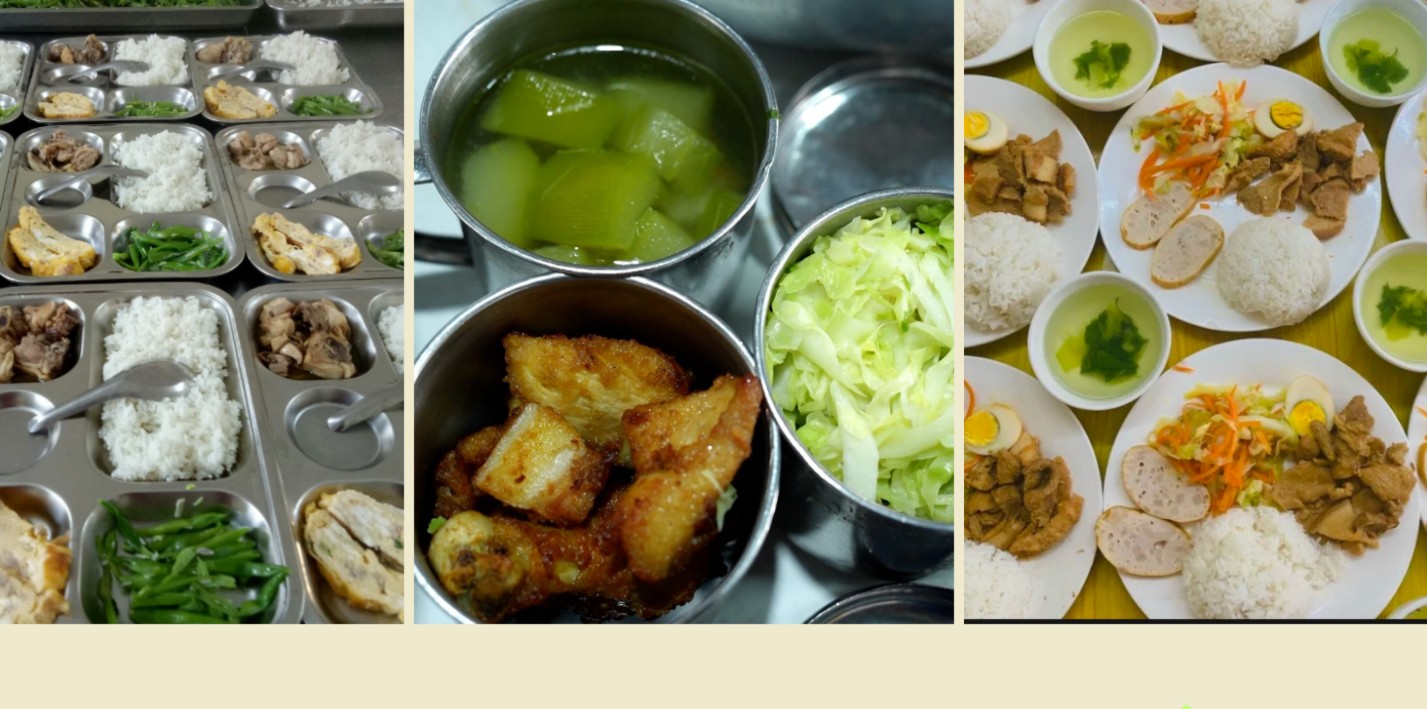
While students directly experience the benefits of nutrition, parents play a guiding role. Each family meal not only provides nutrition but also instills in children a scientific and disciplined lifestyle.
Ms. Le Thi Thanh Huyen, mother of Luong Minh Quan, a student at Bac Cuong No. 2 Primary School in Cam Duong Ward, shared: “Thanks to the school's care and the doctor's guidance, I understand even more clearly the importance of providing my child with a balanced, varied, and regularly varied diet. The family will cooperate with the school to monitor the school lunch program, instill healthy habits in our child, and limit fast food and bubble tea. When parents set a good example, children will gradually develop a healthy lifestyle to excel in their studies and achieve holistic development.”
While children are easily tempted by fast food and sugary drinks, it is the perseverance and exemplary behavior of parents that will become a "shield" protecting their children's long-term health.
Parents are partners at home, while schools are the organizations that directly oversee and manage school meals. Nutrition at school is not just about portions; it's an important part of holistic education .
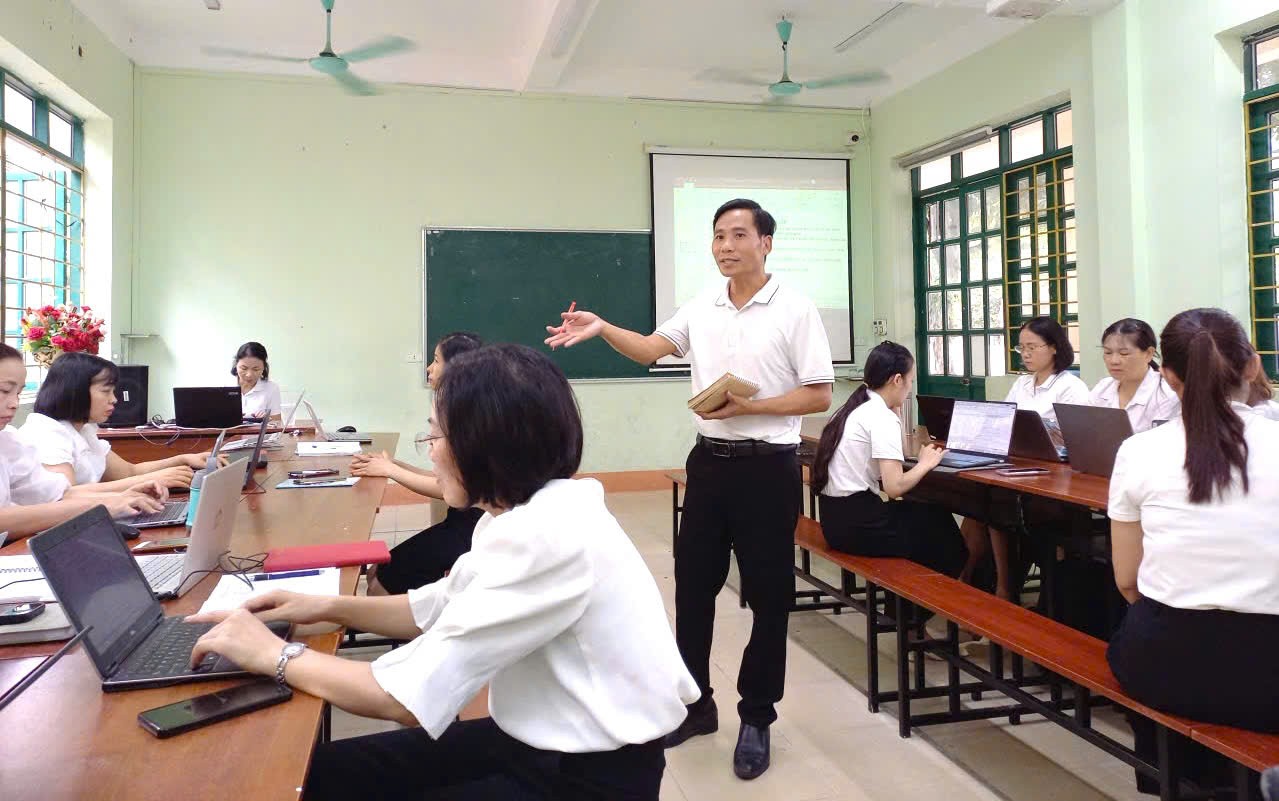
Mr. Pham Trong Huu, Deputy Principal of Bac Cuong No. 2 Primary School, affirmed: “Nutrition is the foundation that helps students have enough energy, health, and concentration to study, play, and develop comprehensively. The school has established a survey team, signed a contract with a reputable unit, publicly announced the weekly menu, and conducted regular checks. Meals are always balanced, diverse, and suitable to taste. We also actively cooperate with parents to educate and adjust students' eating habits.”
In reality, when school lunches are of guaranteed quality, students are healthier, more active, and more attached to their school. This also forms the basis for parents to place their trust in the school, thereby creating a healthy and happy educational environment.
Ensuring proper school nutrition is not only the responsibility of families and schools, but also requires close supervision from local authorities. This is because food safety, from ingredient selection to processing, is a key factor in protecting the health of thousands of boarding students.
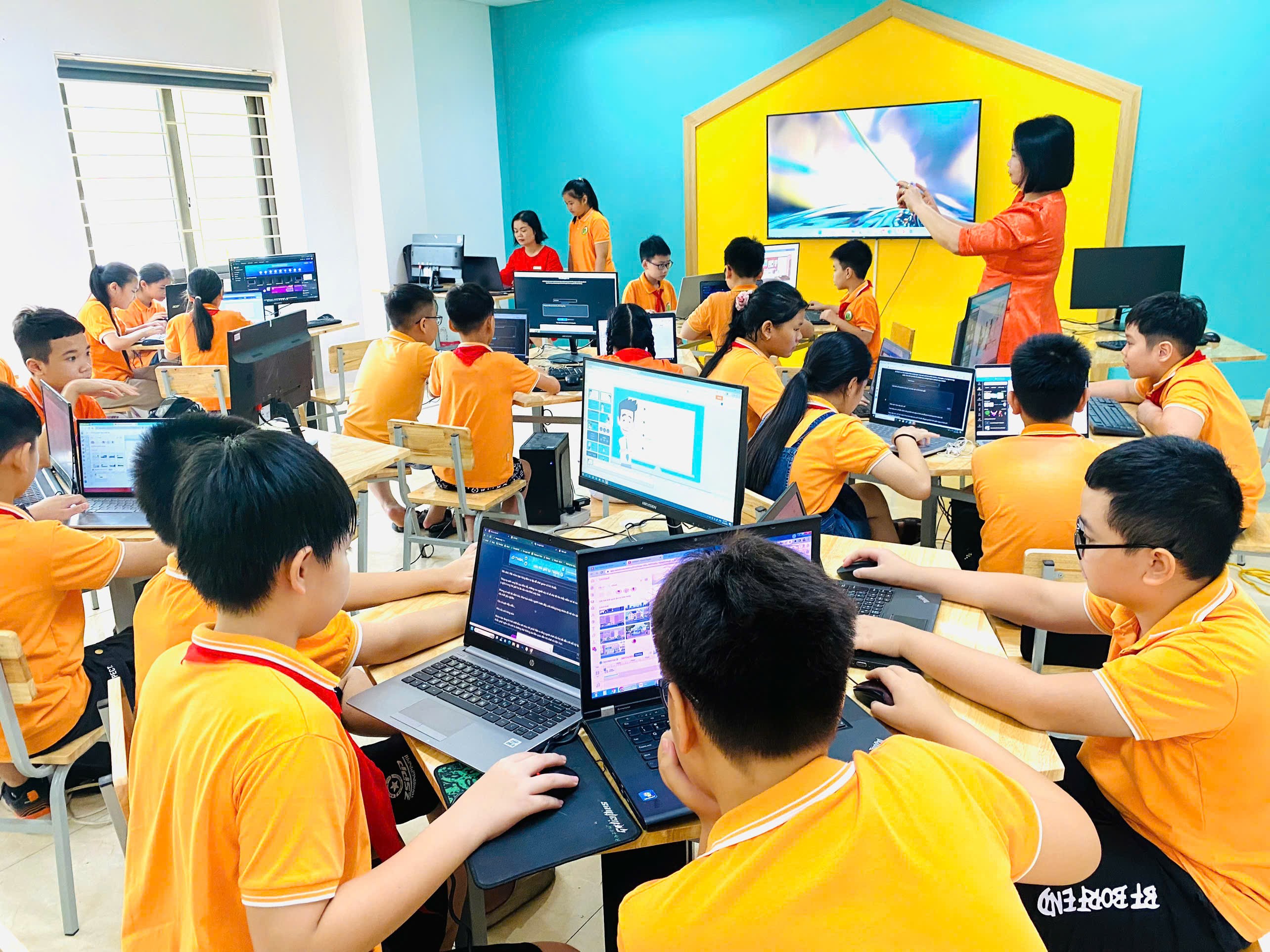
Mr. Bui Ngoc Minh, Deputy Head of the Culture and Social Affairs Department of Cam Duong Ward, said: “From the beginning of the school year, the ward has directed schools to develop diverse and nutritious menus and coordinate with parents to agree on meal plans. Regular and unscheduled inspections have been and will be implemented; the results will also be publicly and transparently disclosed in accordance with the spirit of Decree 214/2025/ND-CP. In the future, we will encourage partnerships with clean food suppliers, train nutrition staff, and expand the “Safe Kitchen - Green School” model, aiming for sustainable development.” The government's participation in supervision not only increases transparency but also builds trust among parents, while affirming accountability in education and caring for the younger generation.
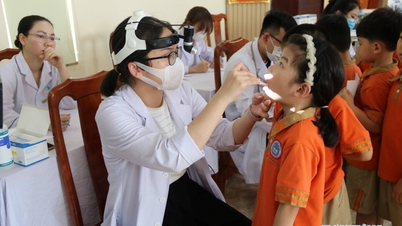
While students are the direct participants, parents provide guidance, schools organize activities, and the government supervises, the healthcare sector is the force that provides the scientific basis.
The principle of school nutrition is sufficiency, balance, and variety. Children need four nutrient groups: carbohydrates, protein, healthy fats, and vitamins and minerals from fruits and vegetables.
Breakfast accounts for 25-30% of the day's energy, helping children stay alert and focused. In addition to the main meal, supplementary snacks such as fruit, yogurt, and milk should be included. Food must be fresh, hygienically prepared, and varied regularly to prevent micronutrient deficiencies and create interest. Most importantly, parents need to set a good example, avoid using sweets as rewards, and involve children in meal preparation to form positive habits from a young age.
The doctor's insights not only emphasize scientific principles but also offer concrete solutions that can be applied immediately in families and schools.
From students to parents, from schools to government and healthcare – each link plays a crucial role in building a well-rounded and nutritious future for the younger generation. When meals are safe and balanced, it's not just about nutrition today, but also an investment in tomorrow. In a context where fast food and sugary drinks are increasingly prevalent, building a healthy lifestyle for students becomes an urgent task. This is not the responsibility of any one individual, but requires the collective effort of the entire community to create a healthy, confident generation ready to conquer knowledge. A truly happy education is only complete when each school meal is prepared with responsibility and love for the children.
Source: https://baolaocai.vn/hanh-trang-du-chat-post881275.html

![[Photo] General Secretary and President To Lam presides over a meeting on assessing national development resources.](https://vphoto.vietnam.vn/thumb/1200x675/vietnam/resource/IMAGE/2026/05/20/1779253785852_a1-bnd-2943-8519-jpg.webp)

































































Comment (0)