This is not only the responsibility of each soldier but also reflects deep affection and gratitude towards the older generation, with the desire to bring the fallen soldiers back to their hometowns after many years lying on the battlefields of the past.
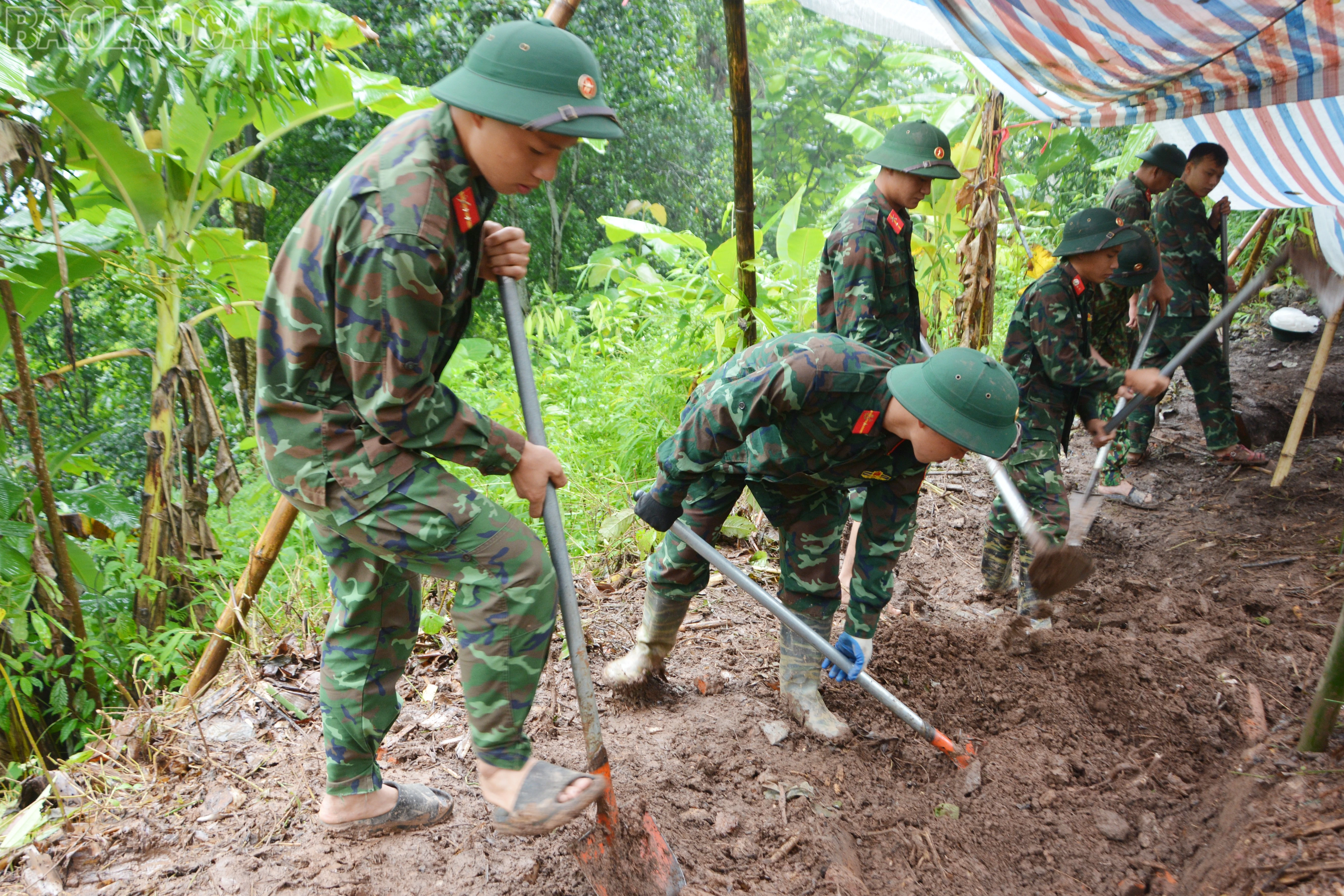
In early July, heavy rain continued in many areas of the province. In the K30 fortress area, Lao Cai ward, under a thin tarpaulin temporarily stretched over the hilltop, more than a dozen officers and soldiers of the team searching for and collecting the remains of fallen soldiers have been working diligently since June 29th.
Amidst the sounds of hoes and shovels, layers of soil were carefully peeled away, in the hope of finding more remains or a memento left behind by fallen soldiers.
Corporal Ban Van Thang, from the team searching for and collecting the remains of fallen soldiers, shared: “This is the first time I’ve undertaken such a special mission. The rainy season has begun, so the soil is muddy and the terrain slippery, making digging and searching for the remains of fallen soldiers very difficult. We constantly remind each other to be very careful and meticulous in every action to achieve the best possible results.”
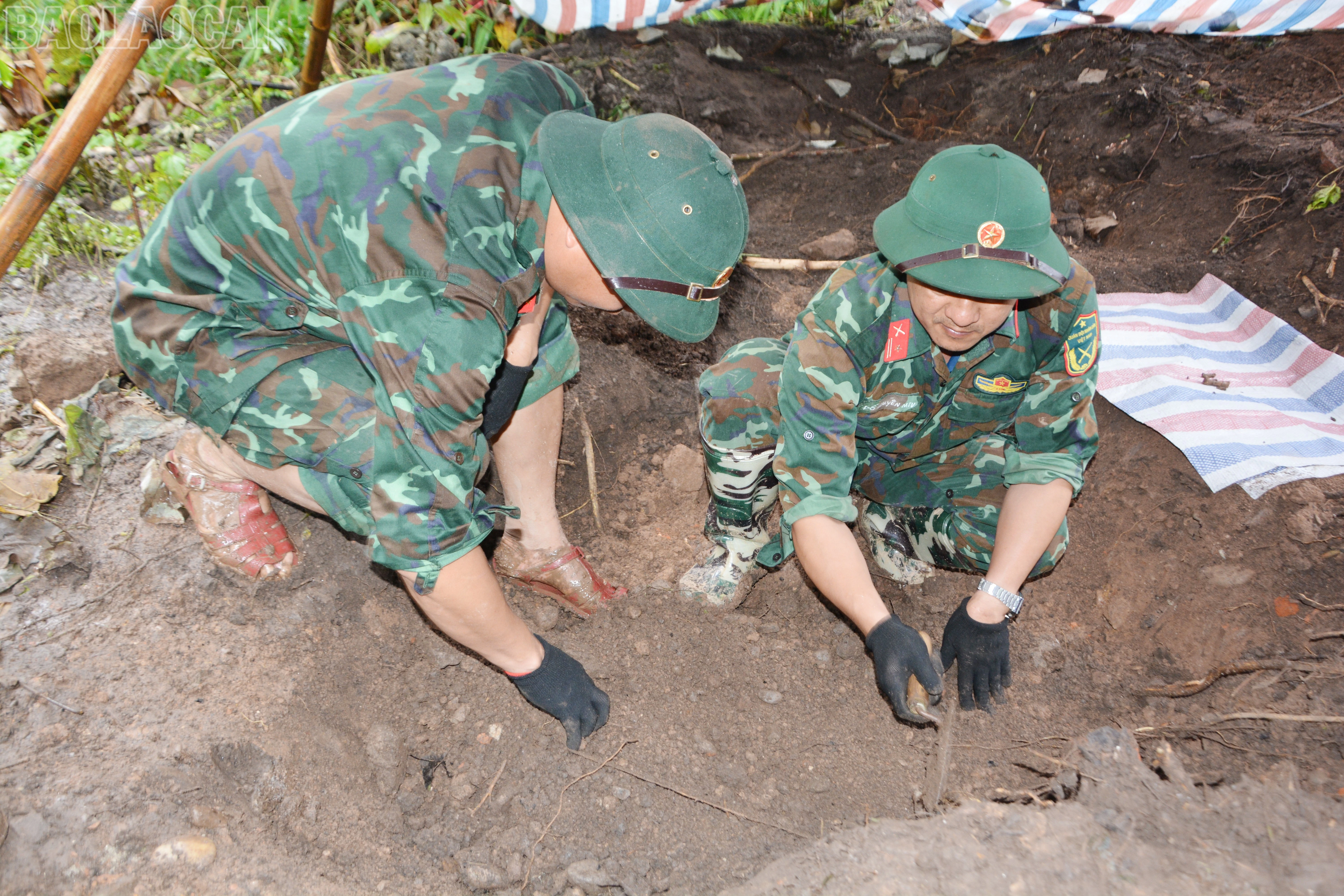
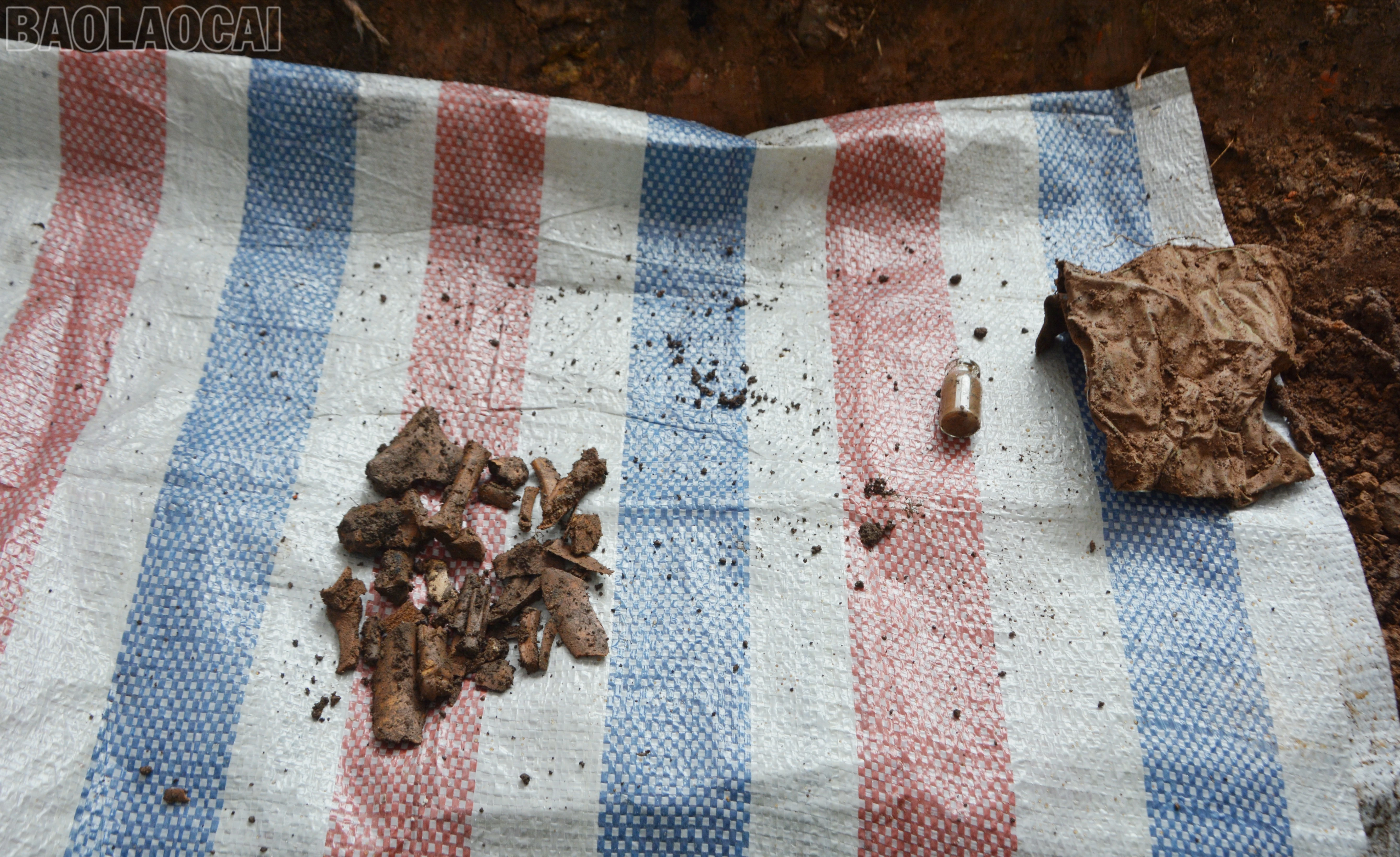
After many days of persistent searching under thick layers of soil and rocks, the search team discovered the first remains and artifacts in the K30 fortress area. This initial result became a valuable source of encouragement for each officer and soldier to continue their efforts in the journey of searching for and collecting the remains of fallen soldiers, bringing them back to their homeland.
Earlier, the team searching for and collecting the remains of fallen soldiers had completed another meaningful mission at Hill 350B, Dong Quang village, Bat Xat commune.
Based on information provided by Mr. Hoang Xuan Duc, a revolutionary hero residing in Bat Xat commune, the unit conducted a field survey to identify the area suspected of containing the remains of fallen soldiers.
However, after many years of being affected by nature, the terrain here has changed significantly. The traces of the battlefield have been almost erased, overgrown with trees, and filled with soil and rocks, making it very difficult to pinpoint the exact location.
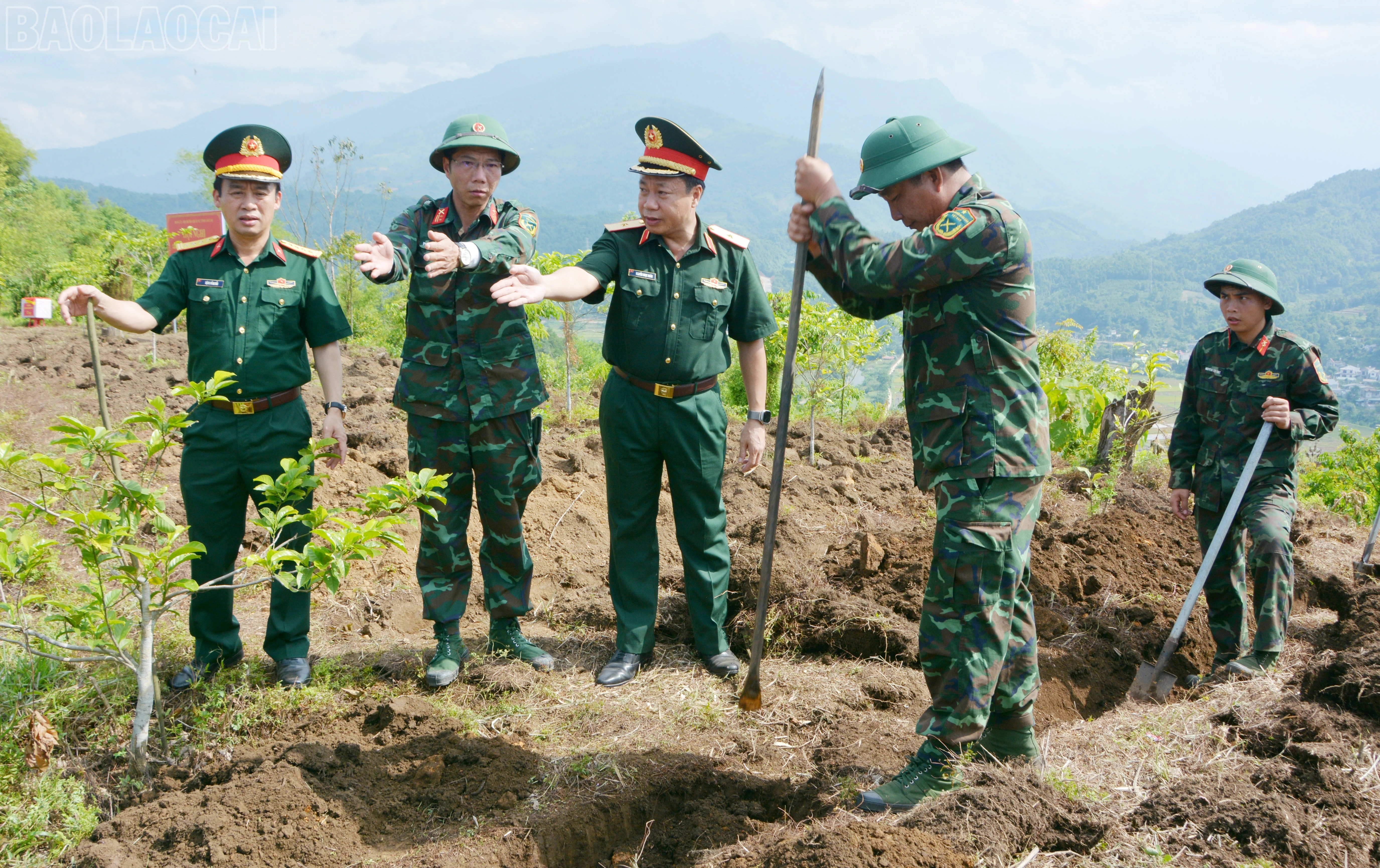


The search operation took place in late June, under the scorching summer sun. The search area was located on a high hill, making movement for the officers and soldiers quite challenging. To ensure their health, the unit set up temporary camps right at the scene, taking advantage of breaks between continuous working hours.
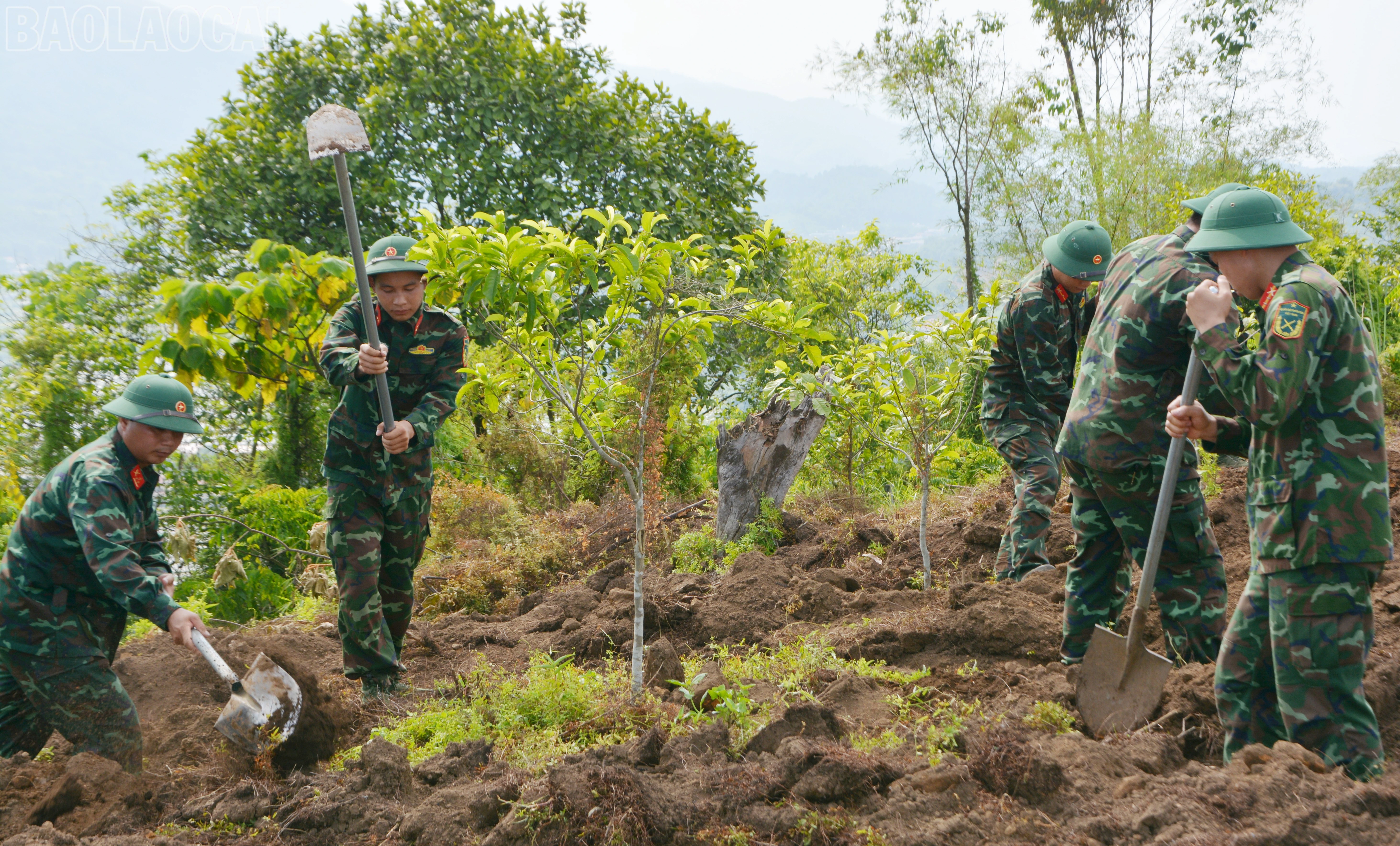
Under the scorching sun, the sweat of the officers and soldiers dripped into the earth, each swing of the pickaxe and shovel on the hilltop continued in a rhythmic, relentless manner. Their perseverance and determination were rewarded as fragments of bones, buttons, glass bottles, canteens... belonging to the fallen soldiers were gradually found beneath layers of dark soil.
These are sacred relics, reminding us of the heroic and resilient fighting spirit of our forefathers on this borderland, a land once ravaged by war.
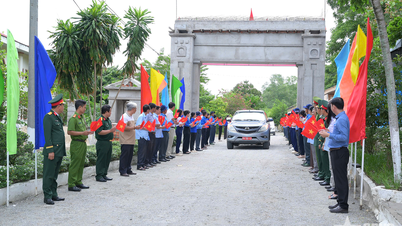
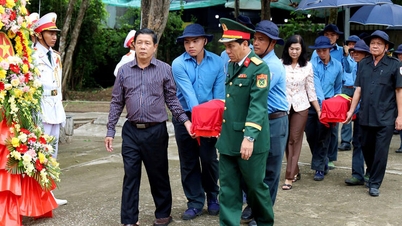
After a week of tireless work, the search team recovered nine sets of remains of fallen soldiers at Hill 350B. Following the completion of the recovery, the remains were handed over to the local authorities for a solemn memorial service and burial in accordance with regulations, demonstrating the profound gratitude of the Party Committee, government, armed forces, and people of Lao Cai province to those who sacrificed their lives for the independence and freedom of the Fatherland.
According to Lieutenant Colonel Pham Khac Truong, Political Officer of the team searching for and collecting the remains of fallen soldiers, the work of searching for and collecting the remains of fallen soldiers faces many difficulties due to the complex terrain, harsh natural conditions, and limited information sources for verification. However, with deep affection and gratitude towards the heroic martyrs, the officers and soldiers in the team always clearly understand their responsibility and are determined to successfully complete the assigned task.
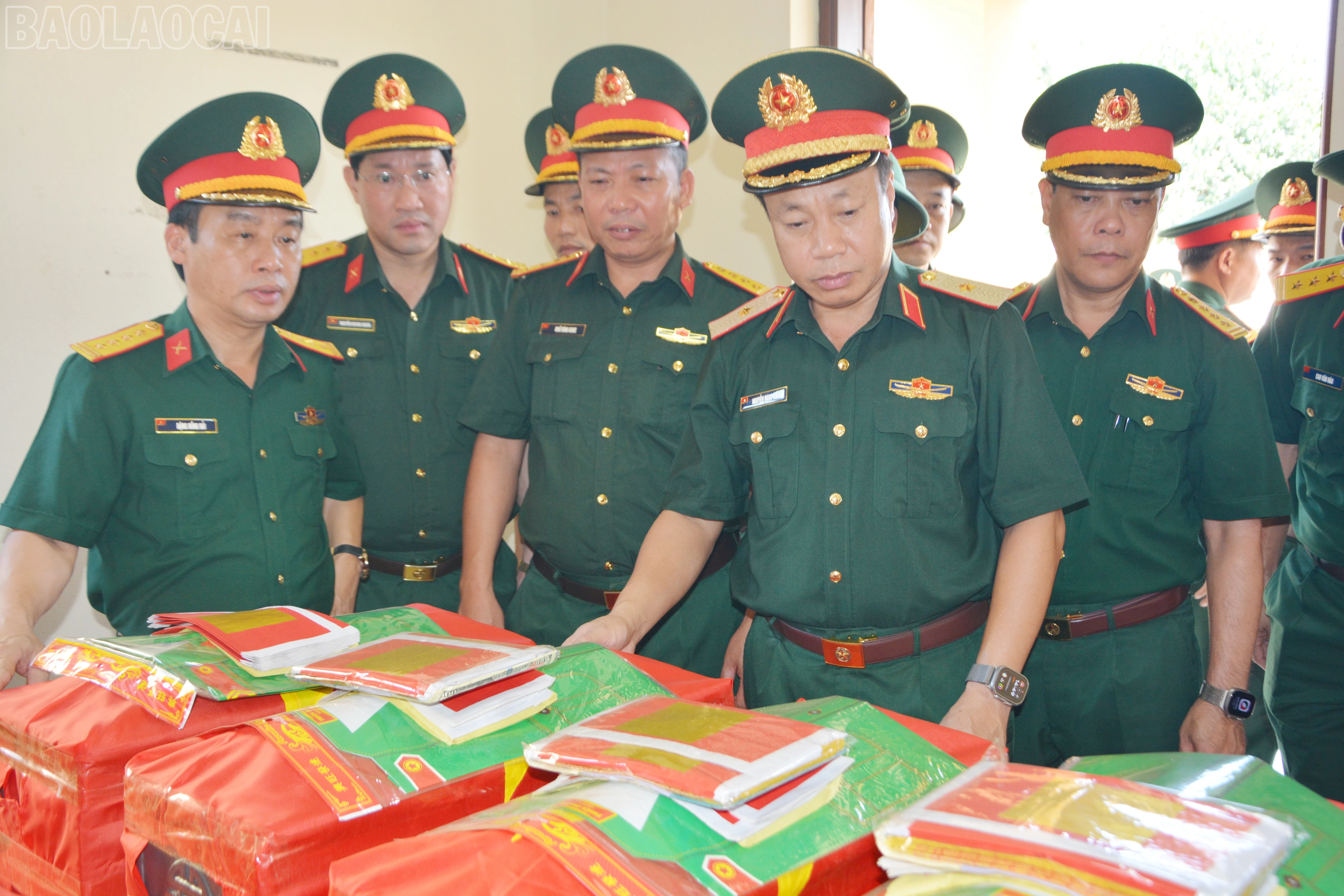
The team searching for and collecting the remains of fallen soldiers currently has 54 officers and soldiers, divided into 3 working groups, carrying out tasks in the areas of Y Tý, A Mú Sung, Bát Xát and Lào Cai ward.
Each person was assigned a specific task, from gathering and verifying information, conducting field surveys, clearing the site, to directly excavating and searching for remains. Regardless of scorching sun or heavy rain, the task forces persevered, remaining in the area from early morning until dusk.
Faces flushed red from the scorching sun, shoes heavy with mud and dirt, uniforms soaked with rainwater, and hands aching from hours spent wielding hoes and shovels could not dampen the spirit and determination of the officers and soldiers to "overcome the sun and rain" in their search for their comrades.
For them, each set of remains, each artifact found, is not only the result of days of tireless searching but also a tribute to those who sacrificed for the independence and freedom of the Fatherland, and helps fulfill the long-awaited hopes of the martyrs' relatives.
The search for and collection of the remains of fallen soldiers has always been identified by Lao Cai province as a particularly important political task, carrying profound humanitarian significance, contributing to the effective implementation of policies for those who have rendered meritorious service and educating the younger generation about patriotic traditions and gratitude.
In the first six months of 2026, authorities collected biological samples to identify fallen soldiers at 10 out of 15 martyrs' cemeteries in the province, covering 929 out of 1,262 graves.



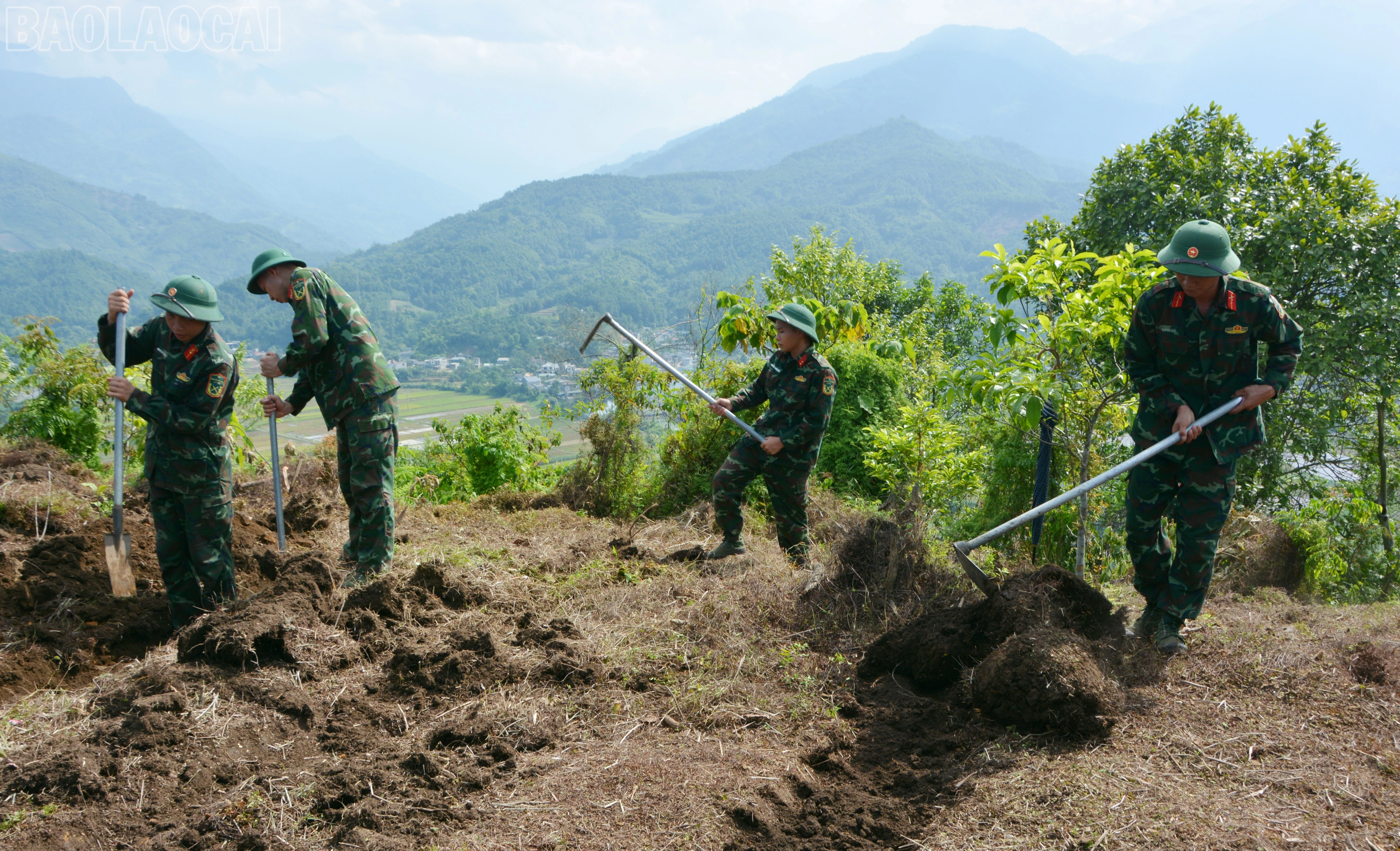
To date, the forces have mobilized more than 2,300 man-days, conducting surveys and excavations on nearly 270 hectares, thereby recovering 14 remains of fallen soldiers, including 10 remains whose information has not yet been identified.
In addition, the province is urgently reviewing information on the relatives of fallen soldiers and preparing the conditions to collect DNA samples from more than 3,400 relatives according to the plan of the Ministry of Public Security, creating a basis for comparison and identification of fallen soldiers whose identities are still unknown.
The search and repatriation of the remains of fallen soldiers is still being carried out by Lao Cai province with high determination. Each set of remains found represents another outstanding son returning to his homeland, embraced by his comrades and family.
Whether under the scorching sun or in the pouring rain, the soldiers tasked with searching for and collecting the remains of fallen soldiers silently remain at the scene, patiently searching for every trace of their comrades. Each set of remains found not only concludes a long-term search but also extends the principle of "drinking water, remembering the source," continuing the story of gratitude towards those who dedicated their youth to the independence and freedom of the Fatherland, so that they may soon be brought back to their motherland.
Source: https://baolaocai.vn/hanh-trinh-dua-cac-anh-tro-ve-dat-me-post903041.html





![[Image] Overview of the construction site for the underground station of metro line 5 at the Hanoi Ring Road 1 intersection.](https://vphoto.vietnam.vn/thumb/1200x675/vietnam/resource/IMAGE/2026/07/03/1783065595682_ndo_br_z7974930852369-100ca093c306e72675f1d3700966a86b-jpg.webp)