

On the afternoon of December 8th, continuing the program of the 11th session, the Hue City People's Council, 8th term, spent time discussing, considering, and voting on many important contents related to socio- economic development, budget, and ensuring social security in the area.
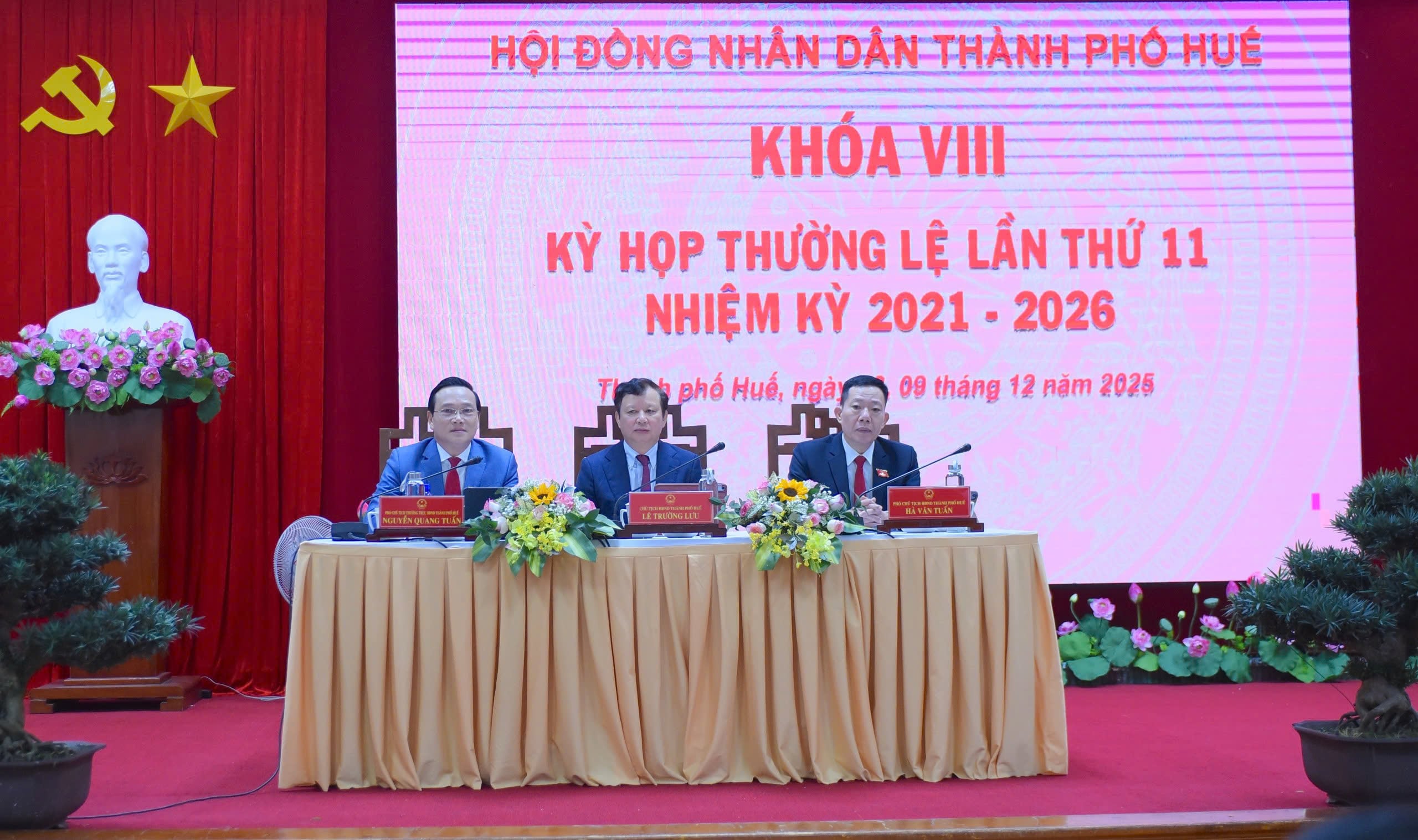 |
| The Standing Committee of the City People's Council presides over and conducts the session. |
Over 252 billion VND allocated to mitigate the consequences of floods and heavy rains.
At the meeting, delegates reviewed the presentations from the City People's Committee and listened to the verification reports from the Standing Committees of the City People's Council on many major issues. Among them, the most notable were the plan for allocating funds to address damage caused by floods in 2025; and presentations on public investment.
Regarding the allocation of over 252 billion VND for flood relief, the Economic and Budget Committee of the City People's Council stated that Hue has received 350 billion VND from the central government through three decisions of the Prime Minister; an additional 2 billion VND from Dak Lak province; and 148.5 billion VND mobilized through the City's Fatherland Front. The total amount received is approximately 500.5 billion VND.
This time, the urgent need to address the damage caused by natural disasters is 332 billion VND. The City People's Committee has proposed allocating 252 billion VND, including: 2.7 billion VND to support people in repairing their houses; 14.3 billion VND for minor repairs, cleaning up mud and debris, and repairing damaged equipment; 58 billion VND to restore infrastructure for education, culture, and historical sites; and 177 billion VND to restore transportation, irrigation, agriculture , environment, green spaces, and street lighting.
The remaining 100 billion VND will be prioritized for major projects after sufficient documentation has been reviewed. The committee agreed on the allocation plan to "timely address the damage caused by floods and heavy rains."
Regarding proposals on public investment, two review reports from the Economic and Budget Committee indicate that after the restructuring of the government model, development investment capital managed by district-level budgets has been transferred to the city budget.
The People's Committee of the city submitted to the People's Council a proposal to adjust and supplement the medium-term and 2025 public investment plan with the same capital of 1,015.032 billion VND, implementing 475 projects.
The Department of Finance reviewed and cross-checked with the Treasury to ensure full legal compliance. The Board agreed with the submitted documents, assessing the adjustments as "within the proper authority and necessary to ensure the progress of public investment after the reorganization of administrative units."
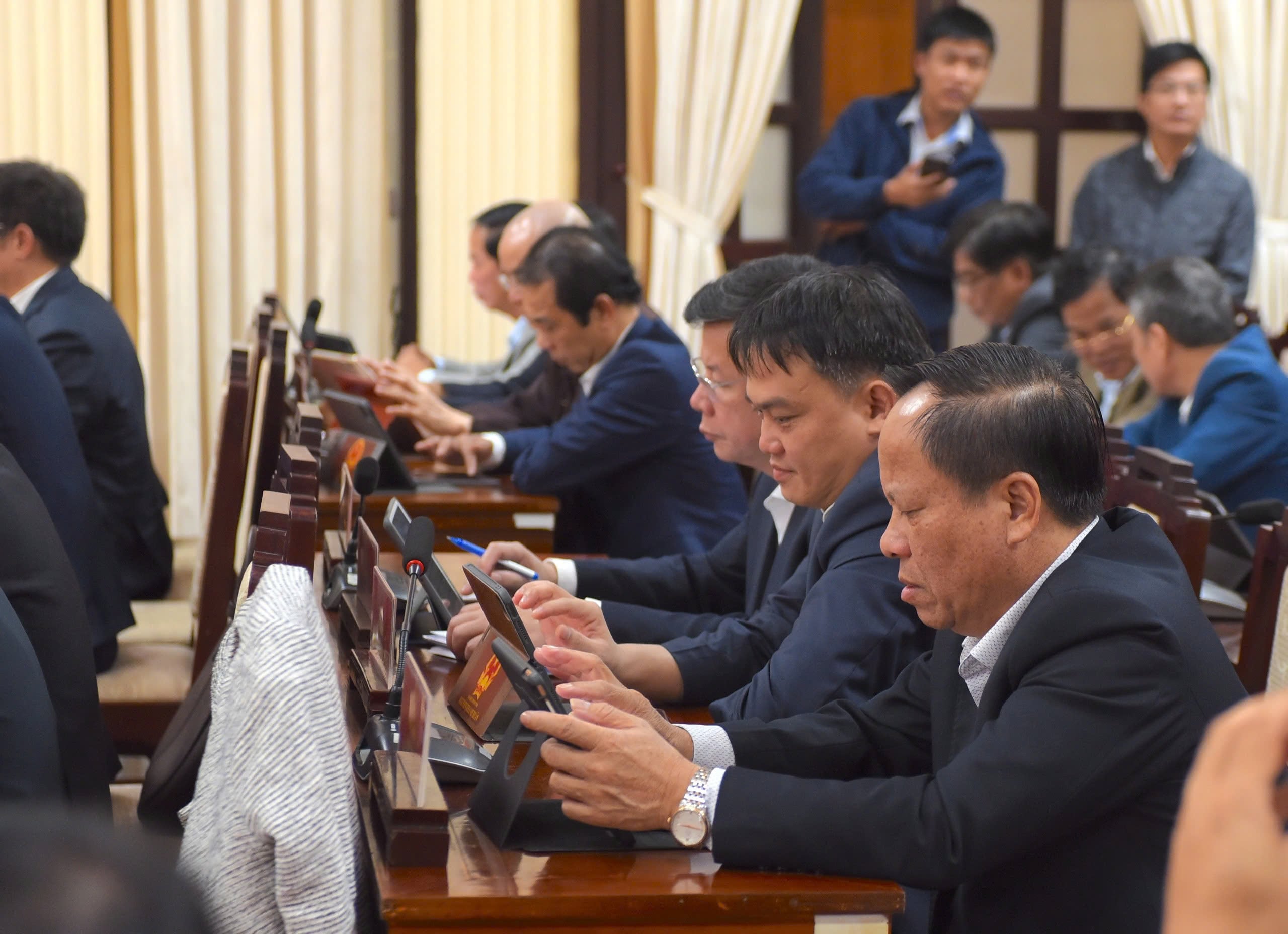 |
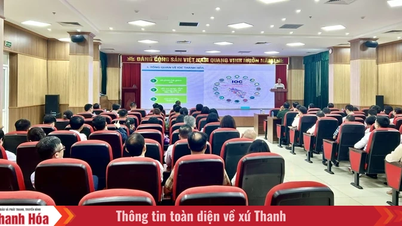
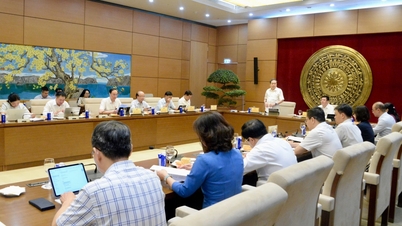
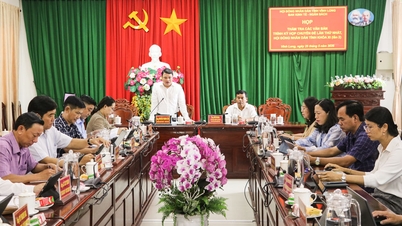
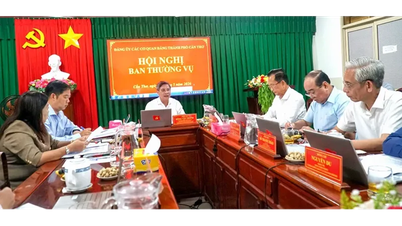
| Delegates study the report at the session. |
Improving policies for part-time workers.
Regarding social welfare, the City People's Council has considered a policy of providing a one-time allowance to employees working outside the official staff quota at district-level associations who are laid off due to the implementation of the two-tiered local government model.
After reviewing this matter, the Legal Committee of the City People's Council concluded that the issuance of a resolution stipulating a one-time allowance for employees working outside the official payroll at associations before July 1, 2025, is necessary and within the proper authority. This is a group of people who must retire immediately when the city transitions to a two-tiered local government model.
According to the draft, the support level is divided into groups. Retired Chairpersons and Vice-Chairpersons of the Association: A subsidy equal to 5 months' current salary or remuneration. Chairpersons and Vice-Chairpersons still of working age: 5 months' salary plus 1.5 months' salary per year of service with mandatory social insurance contributions. Contract workers: 3 months' salary plus 1.5 months' salary per year of service. In cases without salary or remuneration: Support equal to 5 times the basic salary.
The total expenditure does not exceed 24 months' salary as stipulated. The Legal Department stated that this level of support is in accordance with legal regulations, budgetary capacity, and "ensures the legitimate rights of beneficiaries and creates consensus in the reorganization of the organizational structure."
At the meeting, the Legal Affairs Committee also presented a comprehensive overview of the organization of villages and residential areas after the administrative unit reorganization and the transition to a two-tiered local government model. Following the reorganization, the city currently has 1,105 villages and residential areas, including 423 villages and 682 residential areas. The Committee stated that 100 villages and 76 residential areas still do not meet the required size standards; in some places, only 15-20 households remain due to the relocation and clearance of historical sites.
Many localities are still struggling due to inconsistent terms for village heads and group leaders; the process of changing names is slow, with two communes/wards yet to complete the task.
Despite the heavy workload, grassroots officials have strived to maintain activities, mediate disputes at the local level, disseminate policies, and mobilize the people to build culture and beautify urban areas. However, non-specialized personnel are subject to frequent changes in personnel quality; infrastructure is deteriorating in many places, and there is a lack of community centers; payments of severance pay to those laid off under Decree 154/2025 are delayed; and difficulties are evident as the 2024 Social Insurance Law requires non-specialized personnel to contribute to mandatory social insurance but lacks regulations on funding support.
The Legal Affairs Committee proposed that the Government promptly issue new regulations on the organization of villages and residential areas in accordance with the two-tiered government model; and supplement the mechanism for allocating allowance funds, including support for social insurance and health insurance. The City People's Committee needs to review and reissue regulations on the classification of villages and residential areas from 2021; complete the payment of severance pay; and strengthen training and development for grassroots officials…
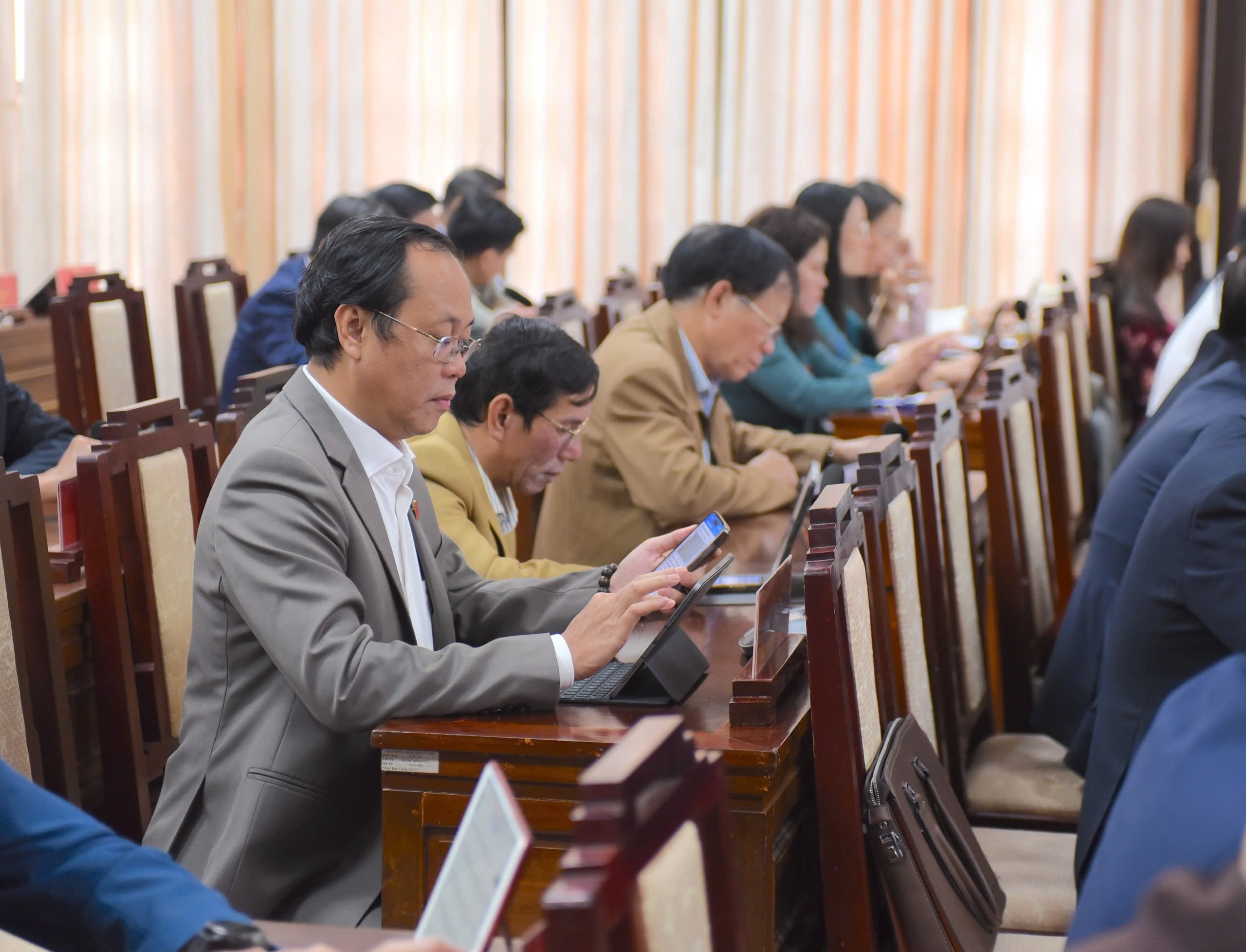 |
| Delegates vote to approve the resolution at the session. |
At the meeting, many other issues were also considered, such as: regulations on criteria for establishing civil defense teams; the level of civil registration fees; the mechanism for decentralizing revenue sources, expenditure tasks, and the percentage of revenue sharing between different levels of government; adjustments to medical examination and treatment service prices; the zoning plan for the Hai Nhat Dam - Ta Rinh Lake ecological tourism area; regulations on areas where livestock farming is prohibited and areas for swiftlet farming; the policy on reclassifying forests in the Sao La and Phong Dien Nature Reserves; and the decision on the number of professional and technical labor contracts under Decree 111/2022/ND-CP for the 2025-2026 school year…
Participating in the discussion, delegate Vo Le Nhat argued that in the context of operating a two-tiered local government model, the commune level will be further decentralized with many new management tasks, especially in areas such as managing housing and land facilities; operating health stations; managing educational facilities, etc.
However, budgetary resources for maintaining and repairing infrastructure remain limited and do not meet the requirements given the ever-increasing volume of work and infrastructure that need to be managed.
Delegates suggested that city leaders pay attention to allocating more resources to ensure that communes have the necessary conditions to effectively carry out their tasks, especially the maintenance and repair of essential infrastructure and facilities in the area.
Following discussions, the City People's Council unanimously approved 19 resolutions, including the contents presented during the working day, as well as a resolution on the results of monitoring the resolution of voters' petitions at the 10th session and the results of resolving issues arising between the two sessions.
The resolutions adopted are considered an important basis for Hue City to implement its socio-economic development tasks for 2025-2026, perfect the two-tiered local government model, and create momentum for national target programs in the area.
Source: https://huengaynay.vn/chinh-polit-xa-hoi/theo-dong-thoi-su/hoan-thien-bo-may-thuc-day-dau-tu-160725.html







































































Comment (0)