For decades, many rivers have been transformed into concrete canals or drainage systems for densely populated cities. But now, in many parts of the world , a new mindset is emerging: restoring rivers, cleaning up water sources, and returning green corridors to cities – places where people can walk, cycle, breathe fresh air, and re-establish a connection with nature. When riverbanks are revived, ecosystems are healed, and the quality of life and mental health of communities are enhanced.
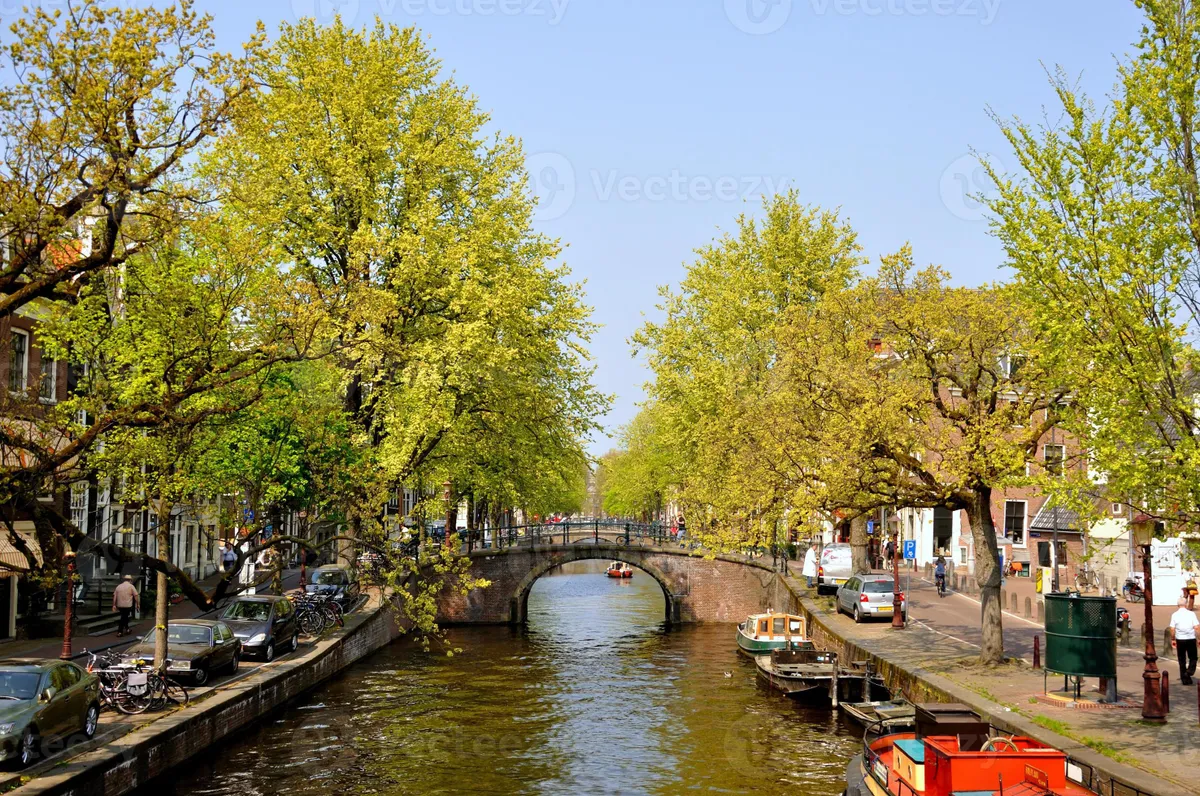
A tree-lined river in Amsterdam, Netherlands . Photo: Amsterdamia
When cities lose their rivers
The history of many major cities is closely linked to rivers. Water provides sustenance, facilitates trade, and shapes the cultural identity of each region. However, with industrialization and urbanization, many rivers are gradually being seen as obstacles to development.
Waterways that were once central to community life have been reduced to make way for roads, factories, and construction. In many places, rivers have been transformed into drainage canals or covered in concrete. For decades, the prevailing planning philosophy has been to control nature rather than to live in harmony with it.
The consequences extend beyond environmental pollution and biodiversity loss. As rivers disappear from daily life, cities also lose valuable public spaces—places where people can meet, relax, and connect with nature.
Today, with climate change, extreme heat, and urban health problems on the rise, many urban planners are beginning to view rivers in a different light. Instead of simply seeing them as irrigation or drainage infrastructure, they are viewing rivers as part of a green infrastructure system that contributes to improving public health.
The return of the streams
One of the most famous stories of urban river restoration is the Cheonggyecheon stream renovation project in Seoul, South Korea .
Once obscured by highways for decades, this stream was restored in the early 2000s. Today, Cheonggyecheon has become one of the city's most beloved public spaces, attracting millions of visitors each year who come to walk, relax, and participate in cultural activities.
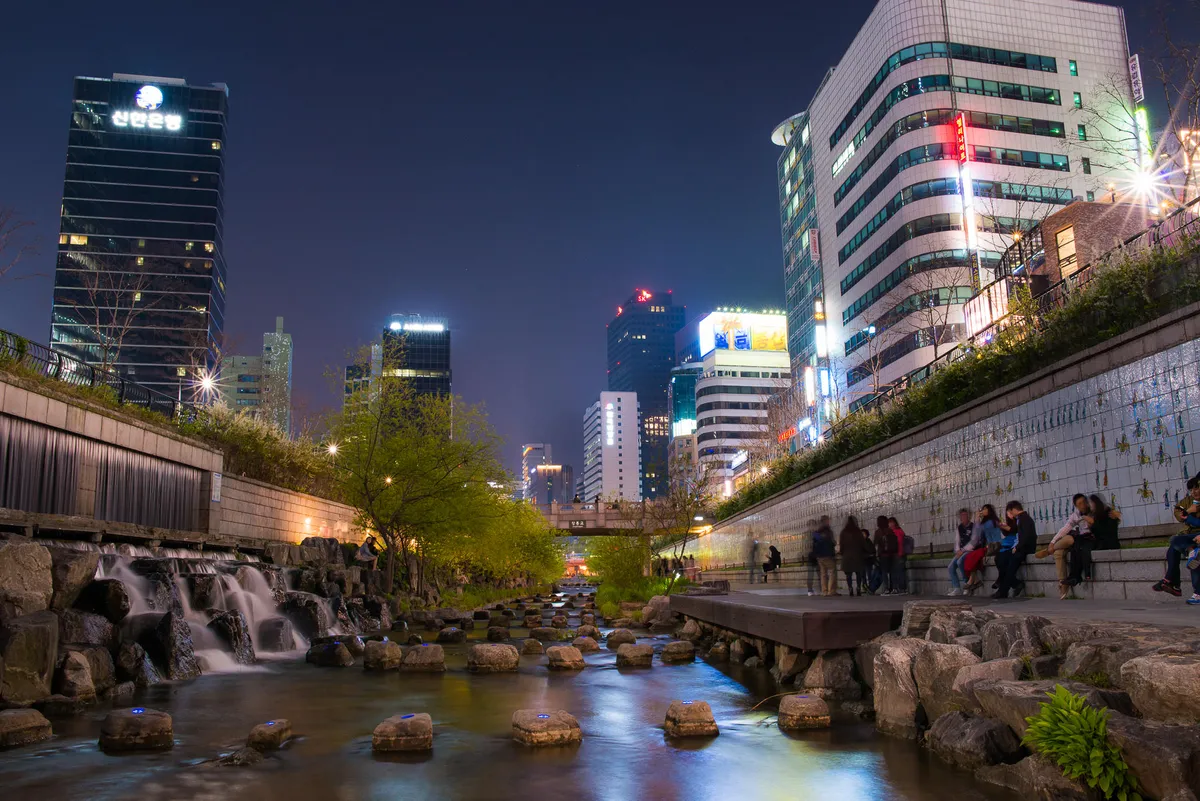
Cheonggyecheon Stream in Seoul, South Korea. Photo: Green Life City

In Europe, many countries are also promoting programs to restore natural river flows. Hundreds of old, unused dams have been dismantled to help river ecosystems recover. The Netherlands has implemented the "Room for the River" program, allowing rivers more space to expand during flood season instead of trying to confine the flow with rigid dike systems.
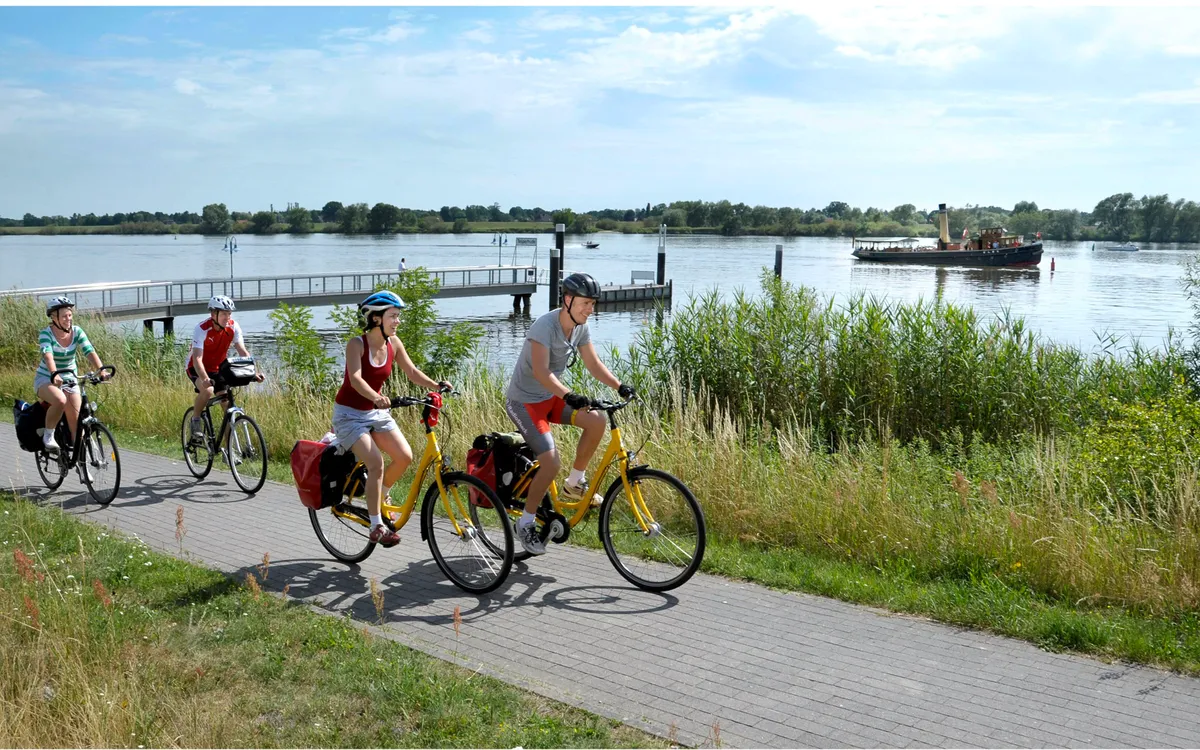
It's no coincidence that many river restoration projects around the world include the construction of pedestrian, cycling, and community spaces along the banks. In Dresden, Germany, the famous Elbe Cycle Route, running along the Elbe River, has become a symbol of green living, where the river is not just a landscape but also an integral part of the urban health infrastructure. Every day, thousands of residents and tourists choose to cycle, walk, or simply relax under the trees along the riverbanks to enjoy the fresh air and rare tranquility amidst the hustle and bustle of modern life.
The common thread among these projects is a new approach to nature. Beyond the goals of protecting flora and fauna and improving the landscape, they aim to build cities that are more resilient to climate change and provide a healthier living environment for people.
Green spaces for a healthy community
One of the most obvious benefits of river restoration is its ability to reduce urban heat.
In the context of many cities continuously experiencing record-breaking heatwaves, bodies of water and riverside vegetation act as "natural air conditioners." Water absorbs heat more slowly than concrete and asphalt, helping to regulate the microclimate of the surrounding area. Green corridors along rivers also facilitate better air circulation, contributing to reducing the urban heat island effect.
But the benefits of restored waterways don't stop there. When riverbanks are transformed into parks, walkways, and bike paths, people have more opportunities for physical activity in their daily lives. Numerous studies show that living near green spaces and bodies of water is associated with higher levels of physical activity, which in turn helps reduce the risk of obesity, cardiovascular disease, and many other non-communicable diseases.
Riverside spaces also provide opportunities for community activities such as strolling, exercising, organizing cultural events, or simply meeting friends and family. These social interactions are crucial for mental well-being but are often overlooked in discussions about the environment.
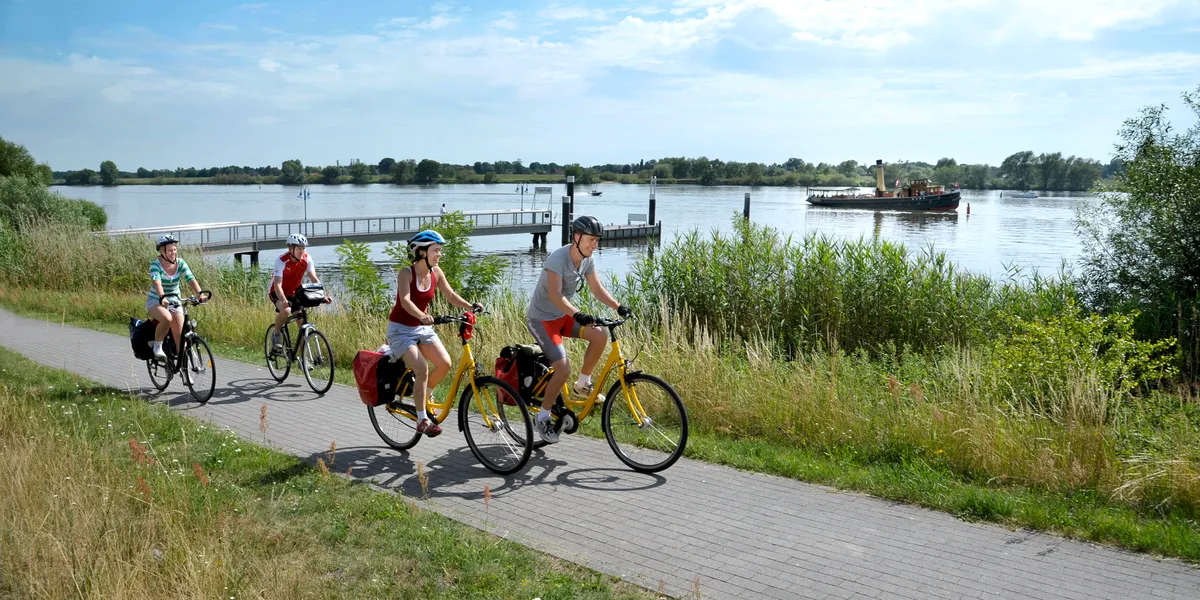
The most beautiful cycling route in Europe runs along the Elbe River near Dresden, Germany. Photo: Elbe Cycle Route
A dose of mental comfort in the heart of the city.



In recent years, scientists have become increasingly interested in the concept of "green-blue spaces," which include areas with greenery combined with natural bodies of water, creating ecosystems that help reduce urban heat, improve air quality, and encourage people to exercise more. Instead of being separated from nature by concrete roads and parking lots, people have the opportunity to reconnect with rivers – the lifeblood that once nourished the formation of cities.
Numerous studies have also shown that regular exposure to green spaces and bodies of water can contribute to stress reduction, improved mental state, and enhanced quality of life. Simply sitting by the riverbank, listening to the sound of flowing water, or gazing at the reflection of sunlight on the water's surface can provide a relaxing effect on the brain.
In an increasingly urbanized world, where people spend most of their time amidst concrete blocks, screens, and work pressures, such spaces become especially valuable.
Public health experts argue that nature also serves as a resource for mental well-being. Therefore, restoring rivers has both ecological significance and can be seen as an investment in the lives of urban residents.
When rivers revive, nature heals. But perhaps even more valuable is that people also find a more balanced way of life. Because health is not only preserved in hospitals but is also nurtured every day by clean water, riverside trees, leisurely walks, and rare moments of tranquility in the heart of the city.
Source: https://vtv.vn/hoi-sinh-nhung-dong-song-10026062416401311.htm
![[Photo] Strengthening character and expertise: Intense training for artillery soldiers.](https://vphoto.vietnam.vn/thumb/1200x675/vietnam/resource/IMAGE/2026/06/30/1782815602541_lu-368-1875-4571-jpg.webp)