

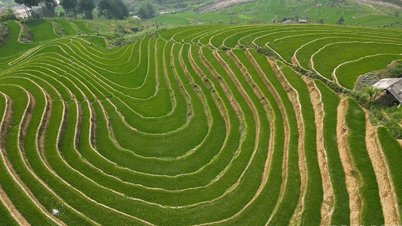
In the morning in Lam Thuong commune, a gentle mist hangs over the mountain slopes, and the sound of babbling streams blends into the peaceful rhythm of the village life. In this setting, the stilt houses of the Tay people appear simple yet warm. Not elaborate or ostentatious, it is precisely this rustic charm that creates a sense of intimacy and tranquility, attracting many tourists to choose this place as their destination.
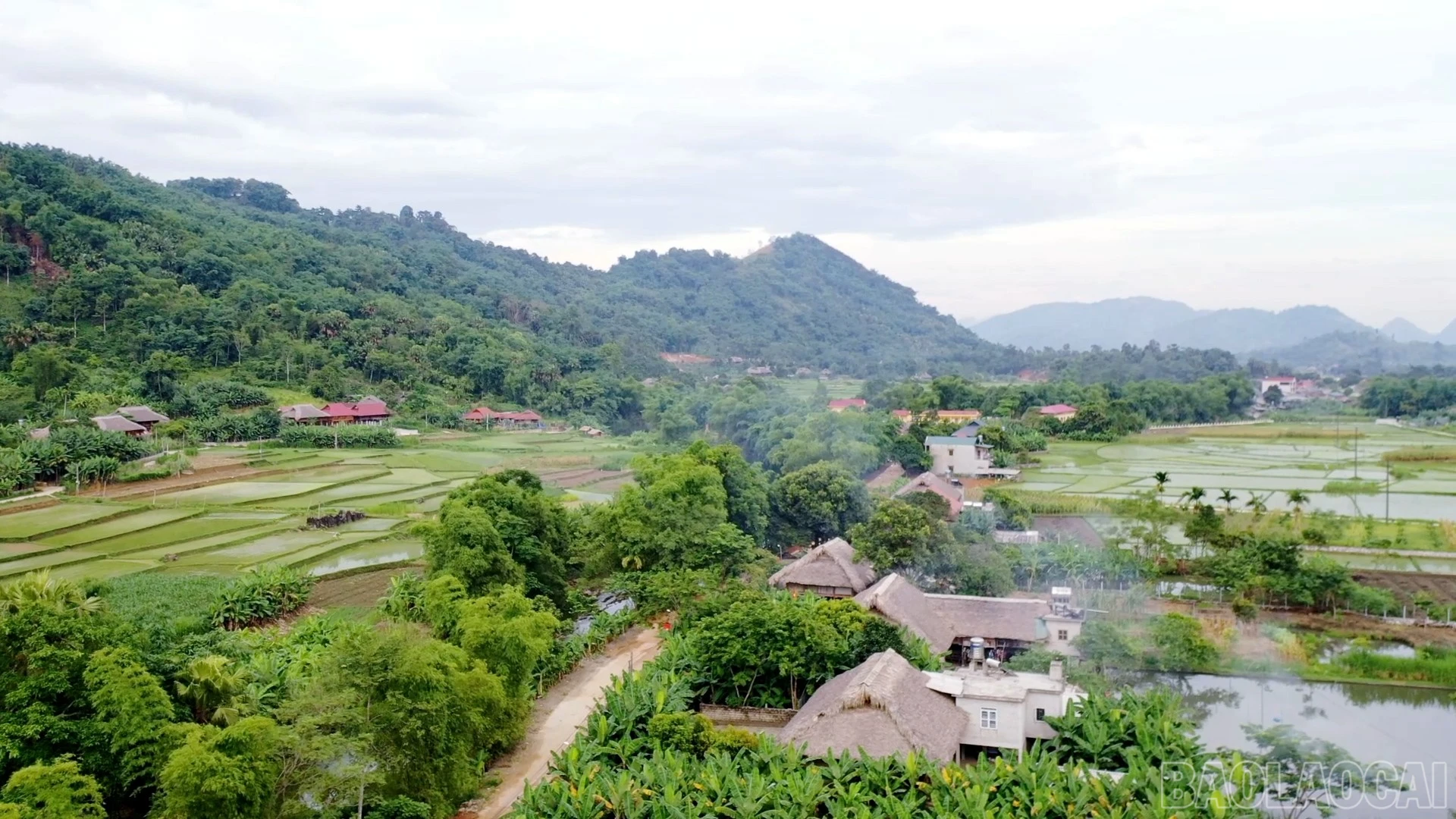
Most homestays here retain their traditional architecture: thatched roofs, wooden floors, and wooden staircases leading to the common living areas. Inside, familiar items are still present, from the fireplace and loom to the simple table and chairs. Each detail not only serves daily life but is also a part of the memory, telling the story of the life, work, and customs of the Tay people through generations.
Ms. Hoang Thi Nay, owner of Dung Phieu Homestay in Nam Chan village, shared: "Tourists come not only to relax but also to learn about and experience the life of the local people. Therefore, from meals to hospitality, all customs and traditions are preserved as they are."
That's what creates truly unique experiences. Tourists aren't just guests; they become part of the family, cooking with the host, picking vegetables, weaving, or gathering around the fireplace to listen to stories. These seemingly simple things become the highlight, because they offer authentic experiences that not all types of tourism can provide.
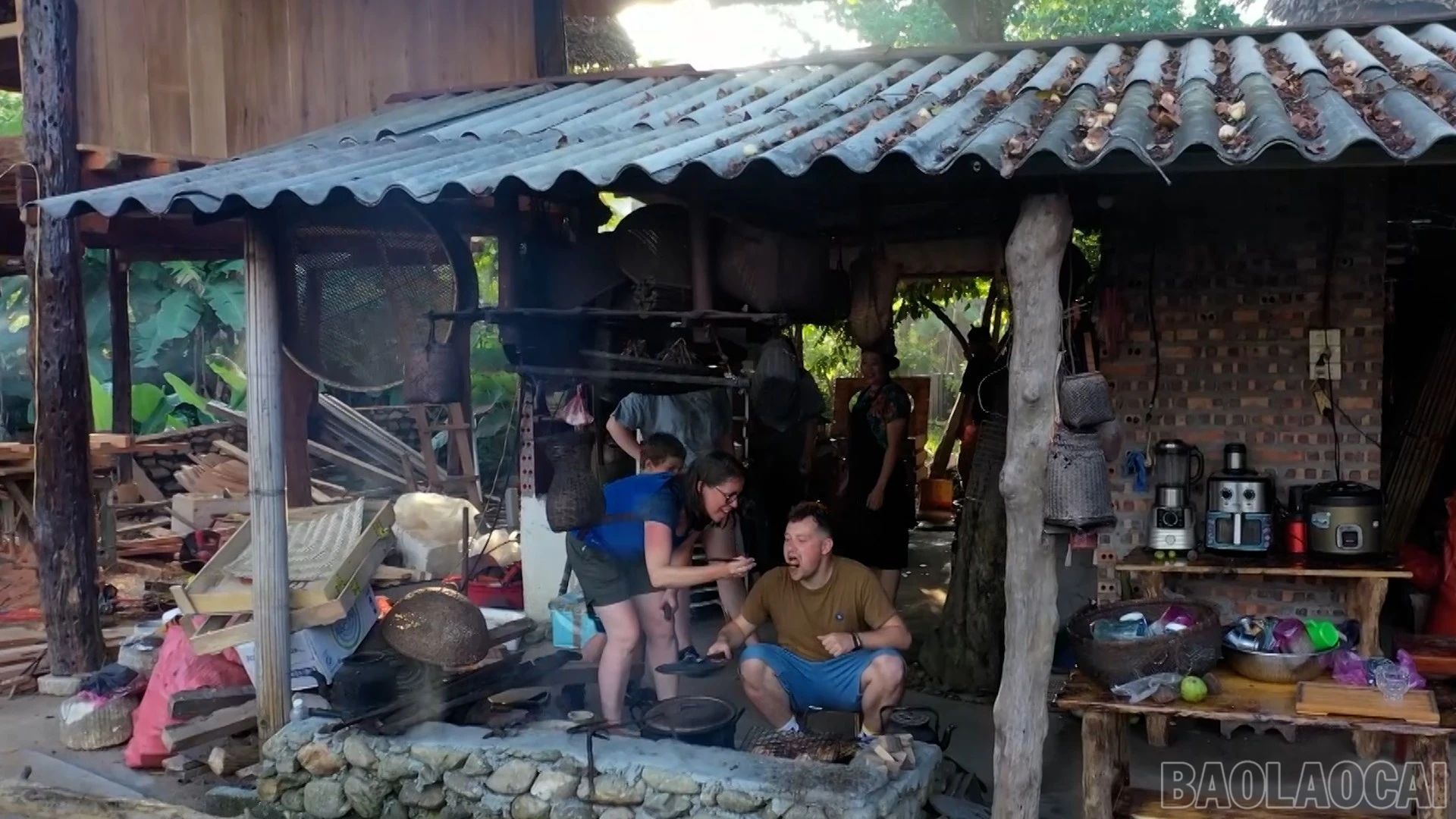
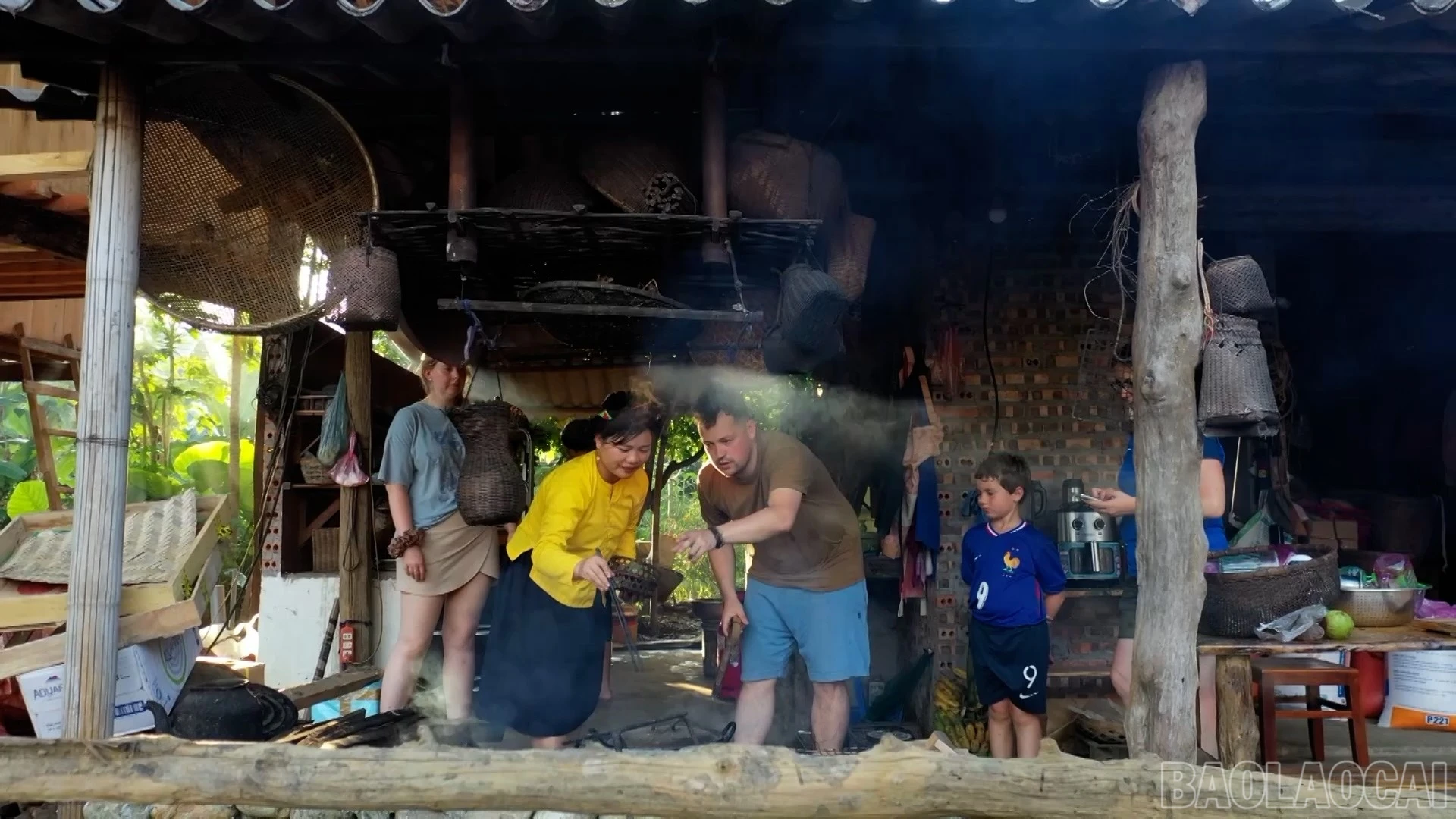
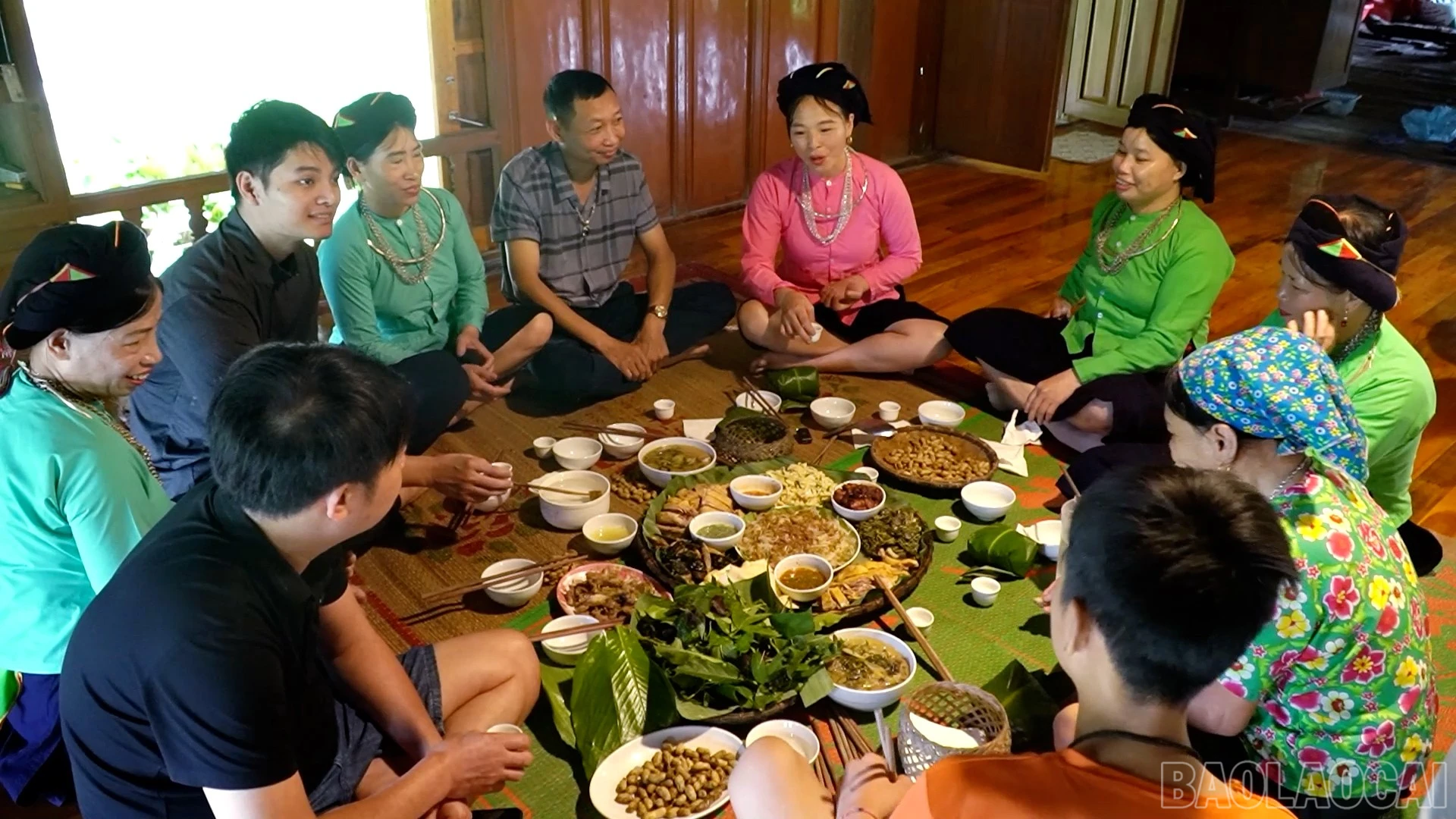
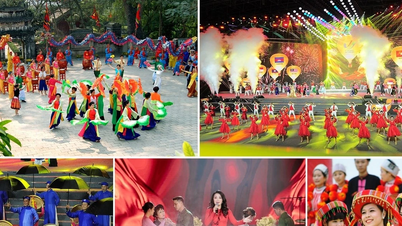
In recent years, Lam Thuong commune has proactively developed community-based tourism, focusing on culture. From a few initial models, the commune now boasts over 10 homestays, along with numerous traditional performing arts groups, attracting tens of thousands of visitors annually. This figure not only reflects the appeal of the destination but also demonstrates the appropriate direction of linking tourism development with the preservation of the Tay ethnic group's cultural identity.
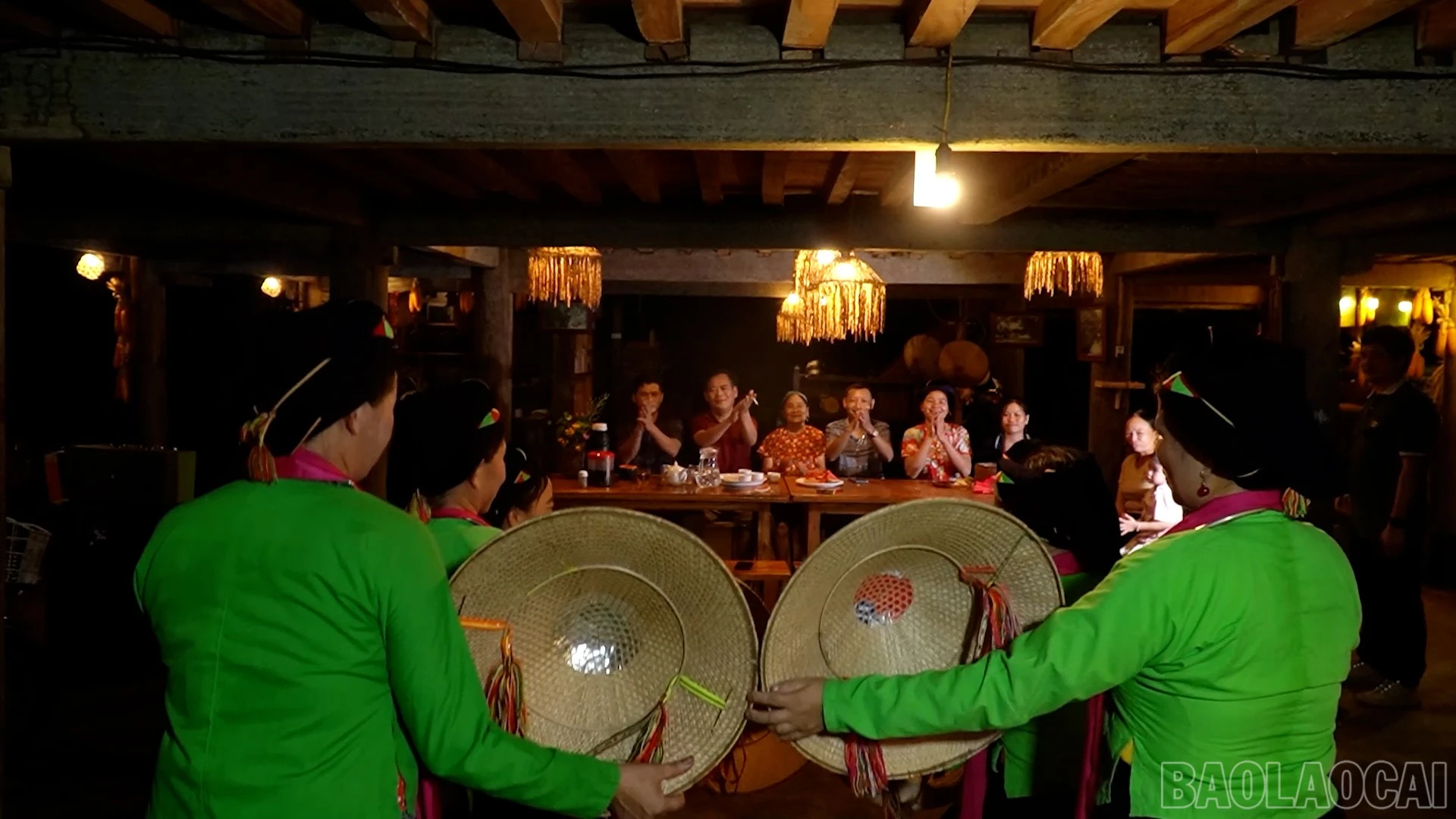
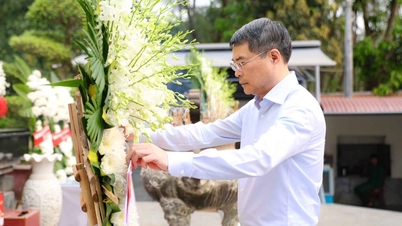
According to Mr. Au Van Tinh, Chairman of the Vietnam Fatherland Front Committee of Lam Thuong commune, the guiding principle in Lam Thuong is to develop tourism without losing its cultural heritage. Locals are encouraged to preserve their traditional stilt houses, customs, and daily life. This authenticity is what creates the uniqueness and sustainable value of local tourism.
Leaving Lam Thuong and arriving in the Muong Lo region – considered the cradle of Thai ethnic culture – visitors will enter a cultural space with a more vibrant and rich character. While the Tay region is characterized by simplicity and tranquility, here, culture is expressed through bright colors, decorations, costumes, and daily life.
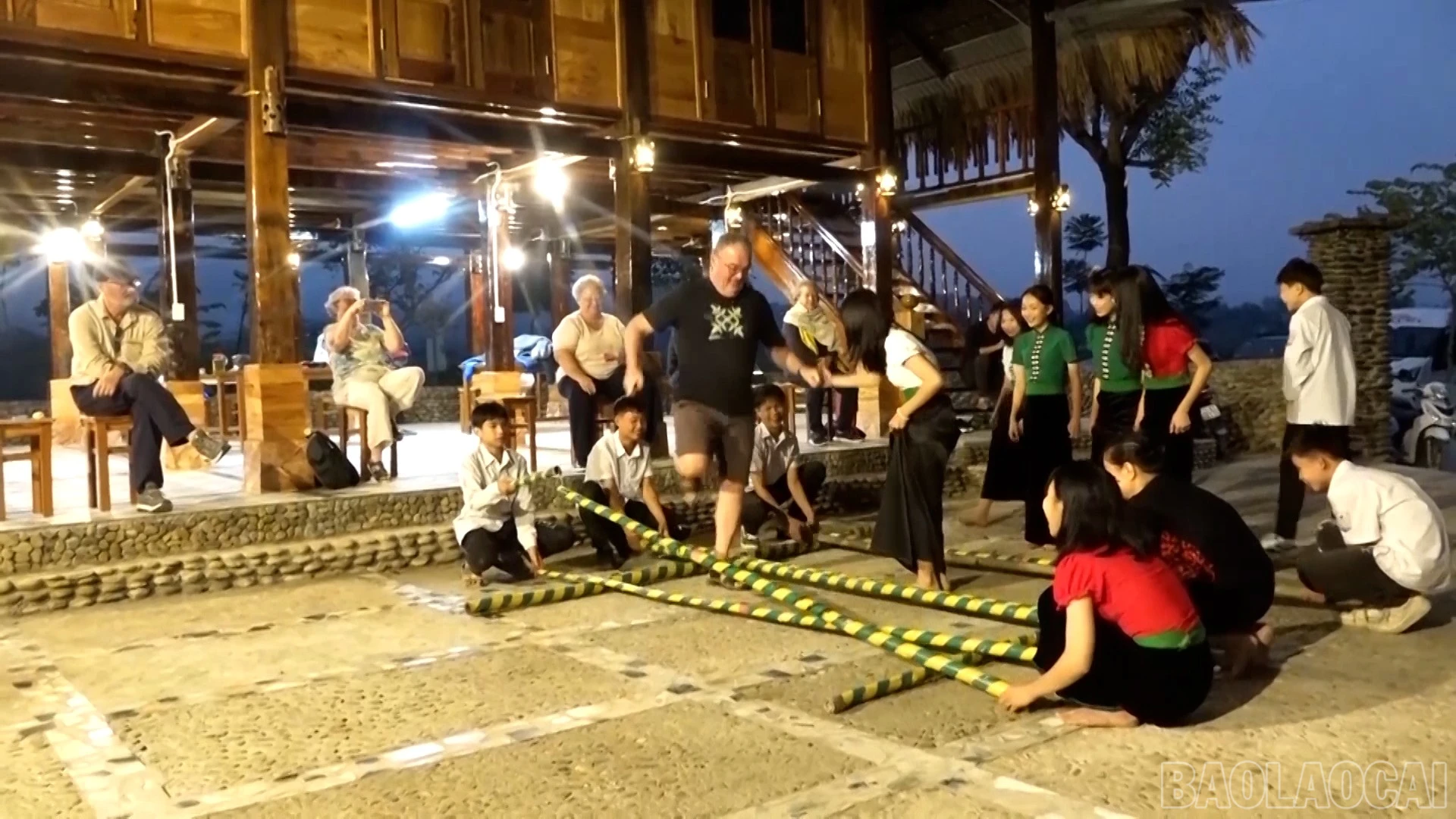
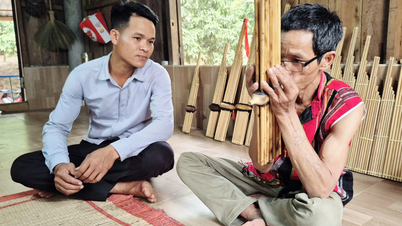
Each homestay is like a "living museum"—a place where culture isn't displayed in glass cases but is present in everyday life. The vibrant brocade fabrics, traditional costumes, the way guests are welcomed, and community activities all bear the distinct mark of Thai ethnic culture.
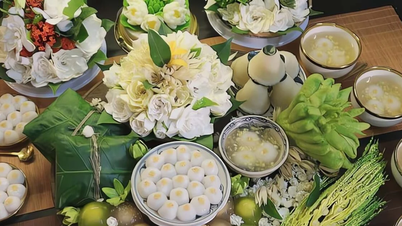
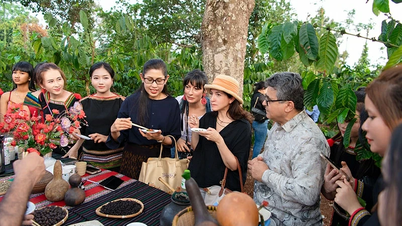
In Muong Lo, cuisine is an indispensable part of the travel experience. A meal with Tu Le sticky rice, pa pinh top (a local dish), smoked meat, or bamboo shoot soup is not only appealing for its flavor but also embodies the folk knowledge, production practices, and way of interacting with nature of the local people.
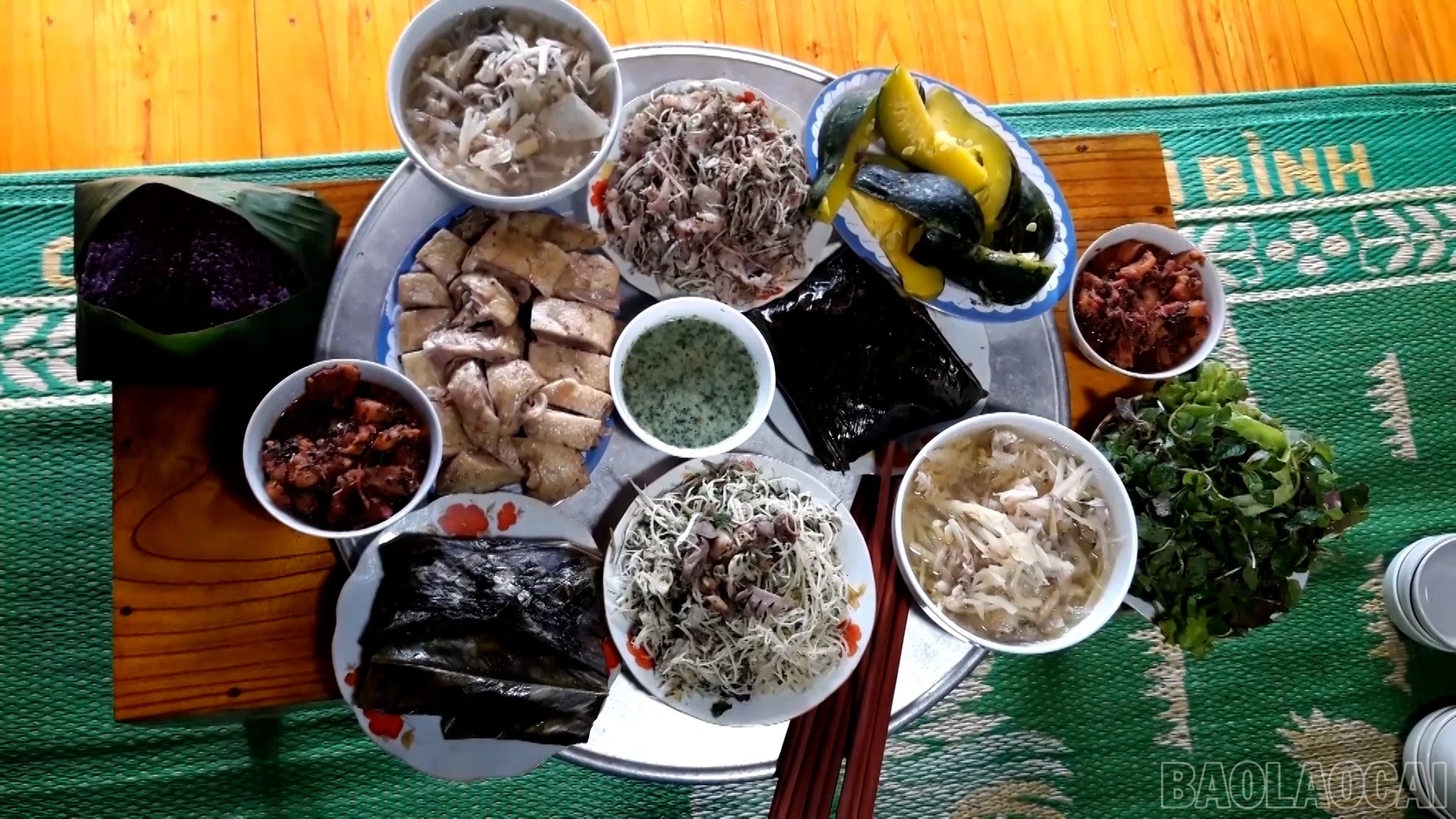
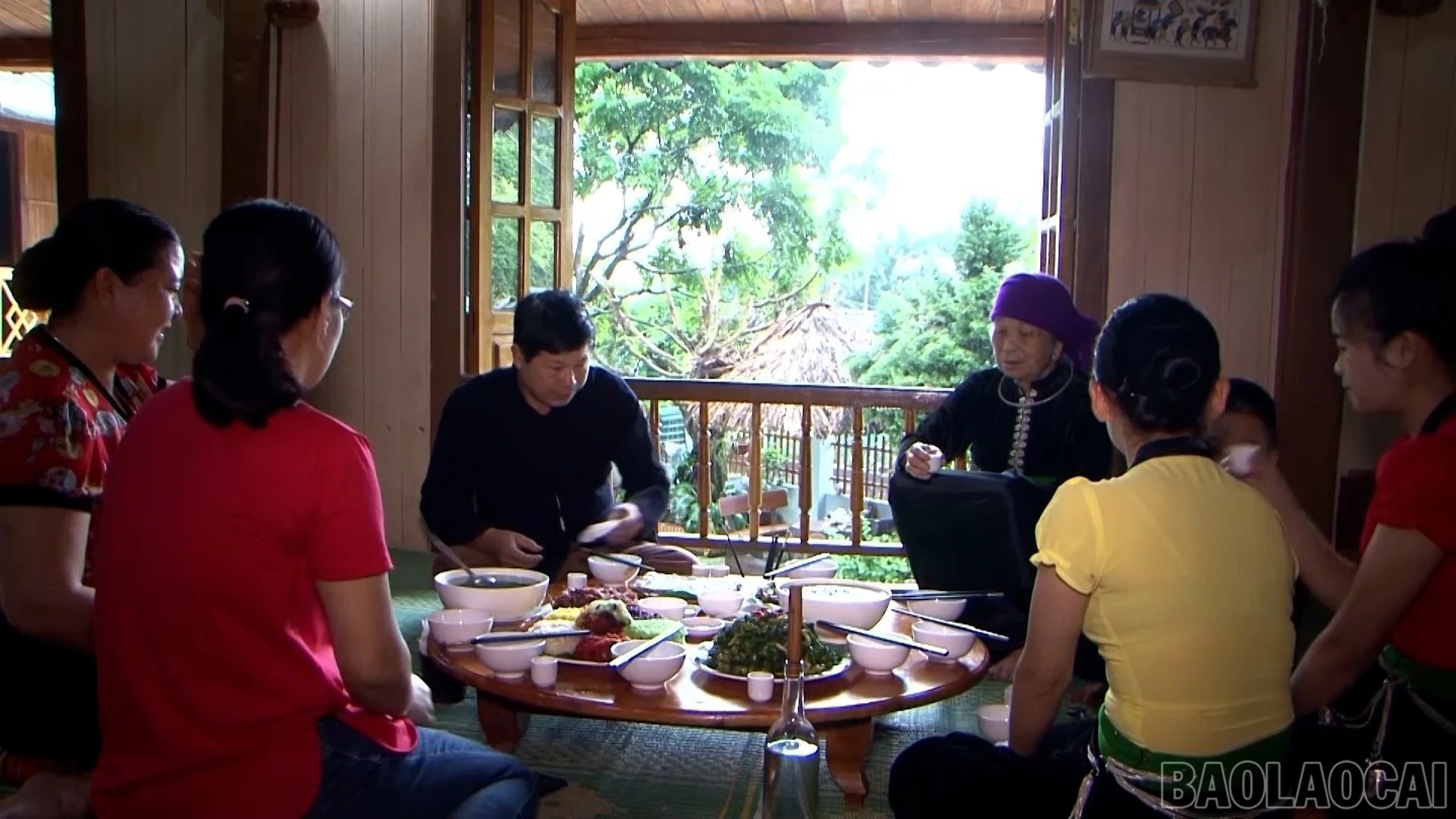
According to Mr. La Minh Tien, an official from the Culture and Social Affairs Department of Trung Tam Ward, homestays today are not just places to stay, but spaces where tourists can fully experience the culture, from cuisine and lifestyle to communication. Every detail, no matter how small, contributes to a complete experience.
It's noteworthy that many homestay owners have become true "storytellers." They not only serve guests but also proactively introduce them to the meaning of each pattern, custom, and dish. Their sincerity, simplicity, and deep understanding of the culture have made each story more vivid and profound.
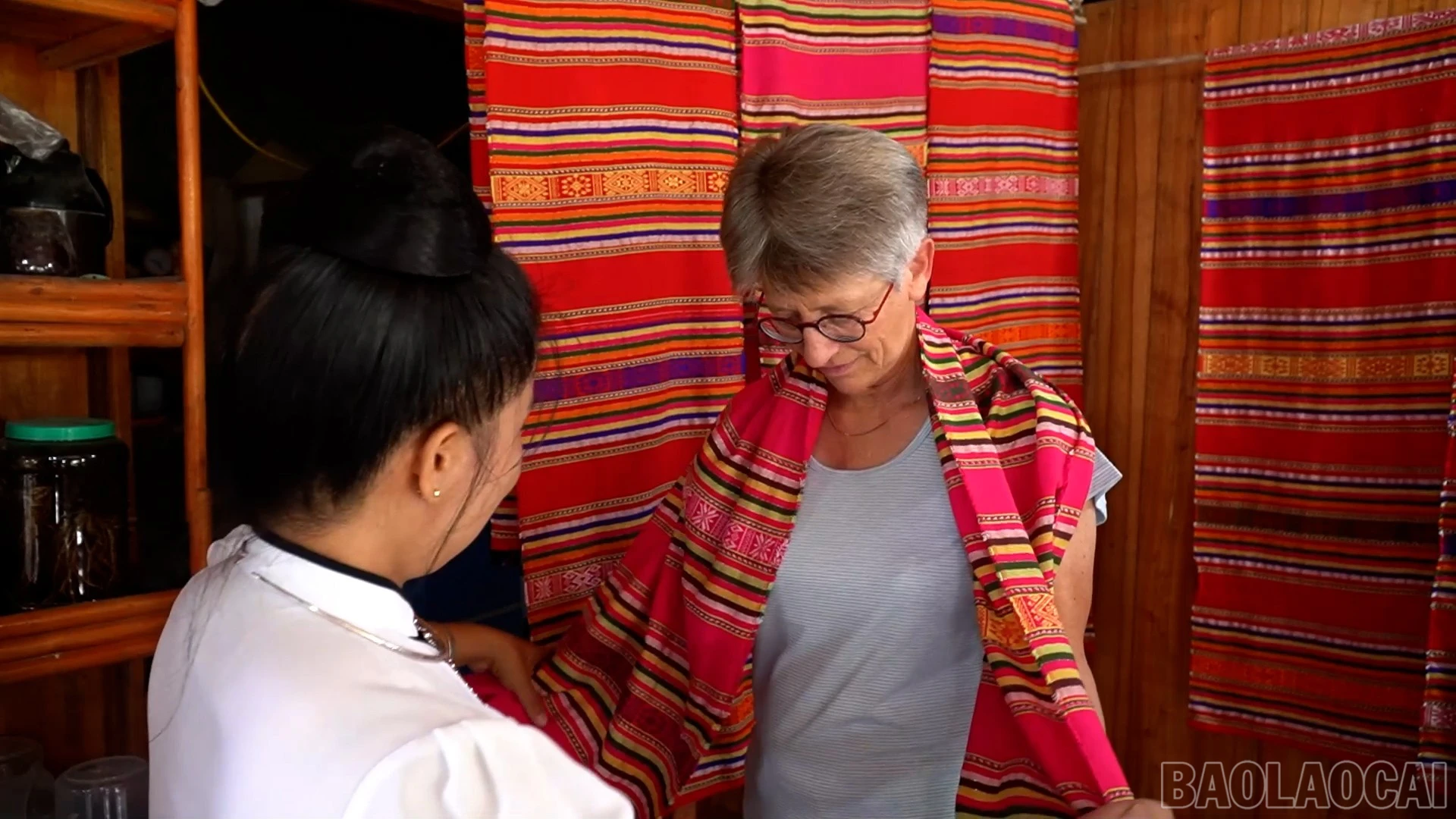
Not just limited to a few locations, the homestay model linked to local culture is increasingly being replicated in Lao Cai. This type of accommodation not only creates livelihoods for the people but also contributes to preserving and passing on traditional values that are facing the risk of disappearing.
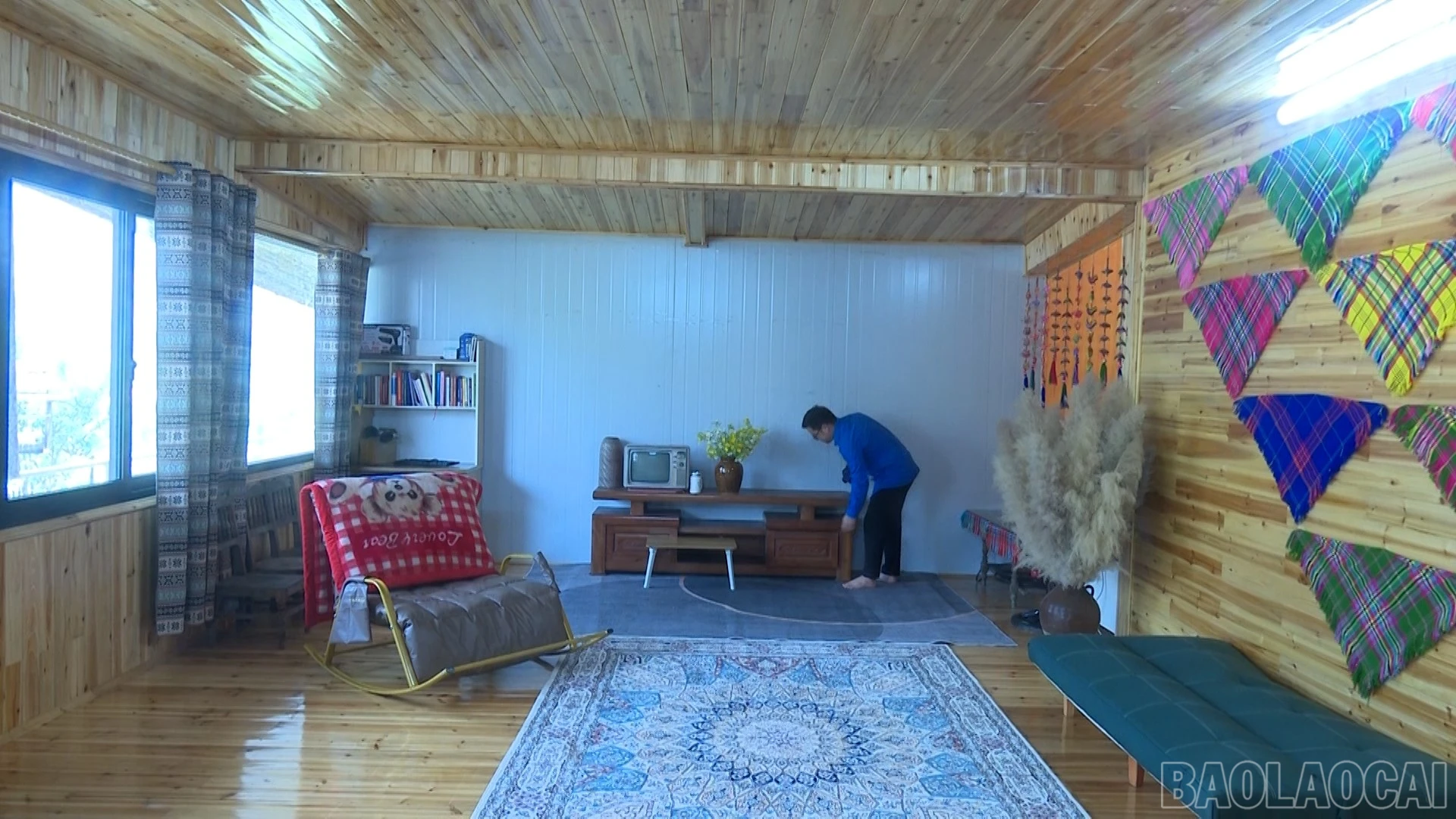
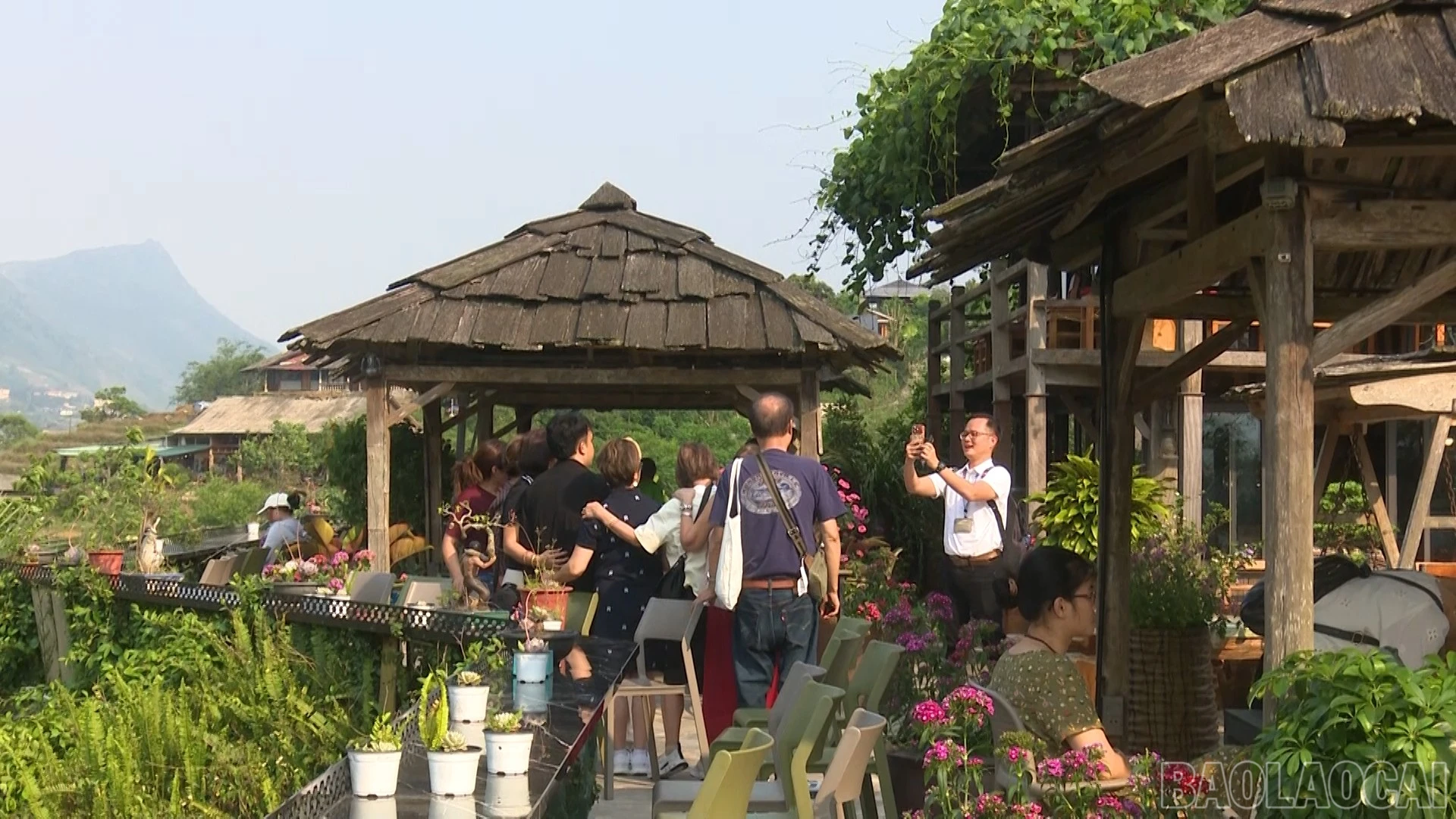
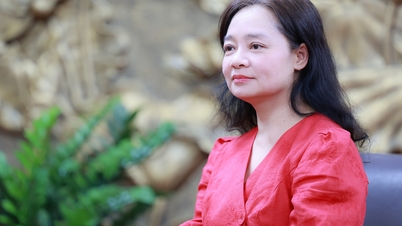
According to Ms. Dinh Thi Huyen, Director of the Northwest Development Cooperation Center, it is encouraging that people are becoming increasingly aware of the role of culture in tourism development. No longer pursuing tourism as a fad, many homestays are proactively preserving their unique identity, considering it a core element for long-term development.
In reality, when culture is placed at the center, tourism not only develops but also becomes sustainable. Tourists come not only to relax but also to learn, connect, and experience. And it is these simple yet unique local values that create the unique appeal of the highlands.
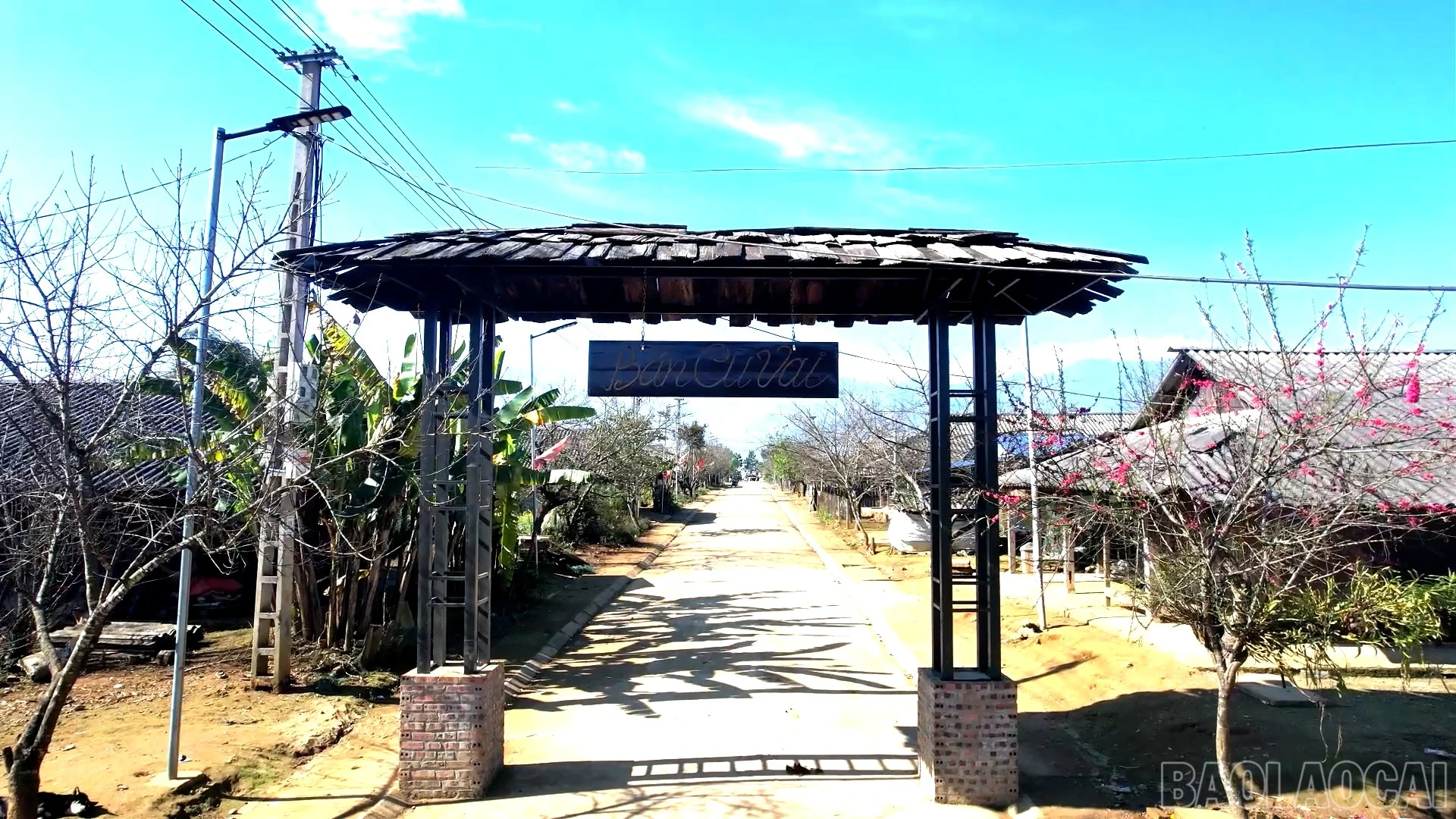
From simple stilt houses to vibrant spaces, each homestay tells cultural stories in its own unique way. There, culture is not confined, but is present in every meal, every daily routine, every word, and every laugh.
Homestays, once just places to stay, have now become repositories of memories, places to connect people, and places to spread traditional values. These simple, quiet yet enduring stories are contributing to the vitality of highland tourism today and in the future.
Source: https://baolaocai.vn/homestay-ke-chuyen-van-hoa-post898212.html


















































Comment (0)