|
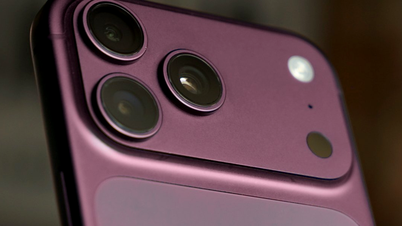
iOS 27 supports iPhone 11 and similar models that previously supported the operating system. Photo:Apple . |
At WWDC 2026, Apple officially introduced iOS 27 and new updates for macOS. A notable point in this year's announcement is that iOS 27 continues to support all devices compatible with iOS 26, while focusing on optimizing device performance through interventions in the system core.
According to Stacey Ford, Apple's Vice President of Operating Systems Programs, iOS 27 will be available on a wide range of devices. Instead of periodically removing older models as was the practice with some previous updates, the new operating system version maintains compatibility with last year's list of devices.
Specifically, devices supported for upgrading to iOS 27 include the iPhone 11 series (released in 2019), iPhone SE (2nd and 3rd generation), and the iPhone 12, 13, 14, 15, 16 series and the latest generations.
This move means the iPhone 11 line will continue to receive major operating system updates for the eighth year since its release. In the context of the mobile phone industry, software support for up to eight years is noteworthy, compared to the 5-7 year update commitments recently adopted by some Android manufacturers.

The iOS 27 update focuses on optimizing task processing speed, especially for older devices. Ms. Ford stated that the company has released updates to the CPU scheduler. This change is designed to improve responsiveness on older iPhone models, while also optimizing performance on newer phones.
According to data released by Apple, the system optimizations have resulted in specific speed improvements. Specifically, app launch speeds will increase by 30%, and new photos will appear in the library up to 70% faster than before.
In terms of overall performance, faster content loading speeds across the system and faster file transfer times via AirDrop were also noted. Besides iOS 27, the WWDC 2026 event also saw updates to the macOS operating system. Apple is continuing to refine its Liquid Glass design language, focusing on improving the structure and visual experience for users.
Two major changes to the macOS interface include a unified toolbar. A new toolbar design has been applied to all applications to create a more seamless and intuitive structure.
Additionally, the company has extended the sidebar. This bar is designed to extend all the way to the edge of the screen to minimize distractions at the corners, allowing for a more focused workspace.
In addition, latency in everyday connection operations has been eliminated. As a result, switching between networks will be more automatic and faster, providing a seamless user experience.



Source: https://znews.vn/iphone-ra-mat-tu-2019-van-duoc-len-ios-27-post1658117.html