

This decision immediately attracted attention, not only because of the tense wartime context but also because of the exceptional record of the individual who had just been given top security authority.
Zolghadr is not an unfamiliar name in the Iranian power structure. He belongs to the first generation of the Islamic Revolutionary Guard Corps (IRGC), a force established after the 1979 Iranian Islamic Revolution.
Having directly participated in the Iran-Iraq war, he built his career through a series of key positions, from Chief of Staff of the IRGC Joint Chiefs of Staff for eight years to Deputy Supreme Commander for another eight years.
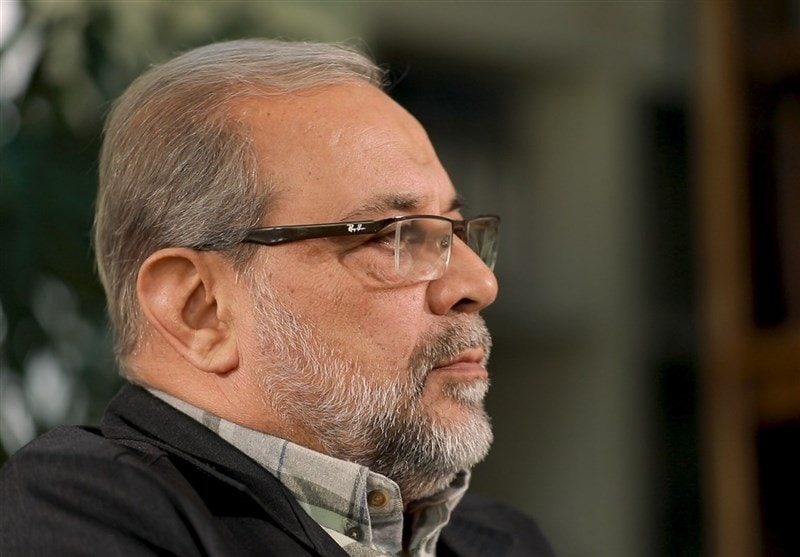
After his military career, Zolghadr transitioned into politics and the judiciary, most recently serving as secretary of the National Interests Advisory Council since 2023. He is considered a "security figure of considerable stature"—a man who possesses both battlefield experience and the ability to operate the power apparatus.
The selection of Zolghadr reflects Iran's need to find someone capable of filling the void left by Larijani. This position requires not only a deep understanding of security but also the ability to coordinate high-level strategies, especially given the SNSC's close ties to the office of Supreme Leader Mojtaba Khamenei.
Observers believe this appointment is not simply a reaction to the current conflict, but the result of a long selection process aimed at finding a suitable figure for an extremely sensitive role. With his extensive military background, Zolghadr is also considered by hardline groups to be more appropriate in the context of escalating conflict.
Upon taking office, he faced a series of immediate challenges. Attacks continued in many areas, from Tehran and Isfahan to western and northwestern provinces such as East Azerbaijan, raising concerns about the risk of internal instability.
Meanwhile, Iranian authorities have arrested hundreds of people accused of collaborating with foreign entities, amid lingering repercussions from protests earlier this year.
At the regional level, Iran continues to launch missile attacks and increase pressure in the Strait of Hormuz, significantly impacting global trade and oil prices. These developments place Zolghadr in a position where it must simultaneously address two fronts: internal security and external confrontation.
His role extended beyond that to the realm of diplomacy . Any negotiations with the United States aimed at ending the war would require Zolghadr's approval, demonstrating his direct influence on strategic decisions.
Source: https://congluan.vn/iran-co-bo-nao-an-ninh-moi-10335781.html


































































Comment (0)