

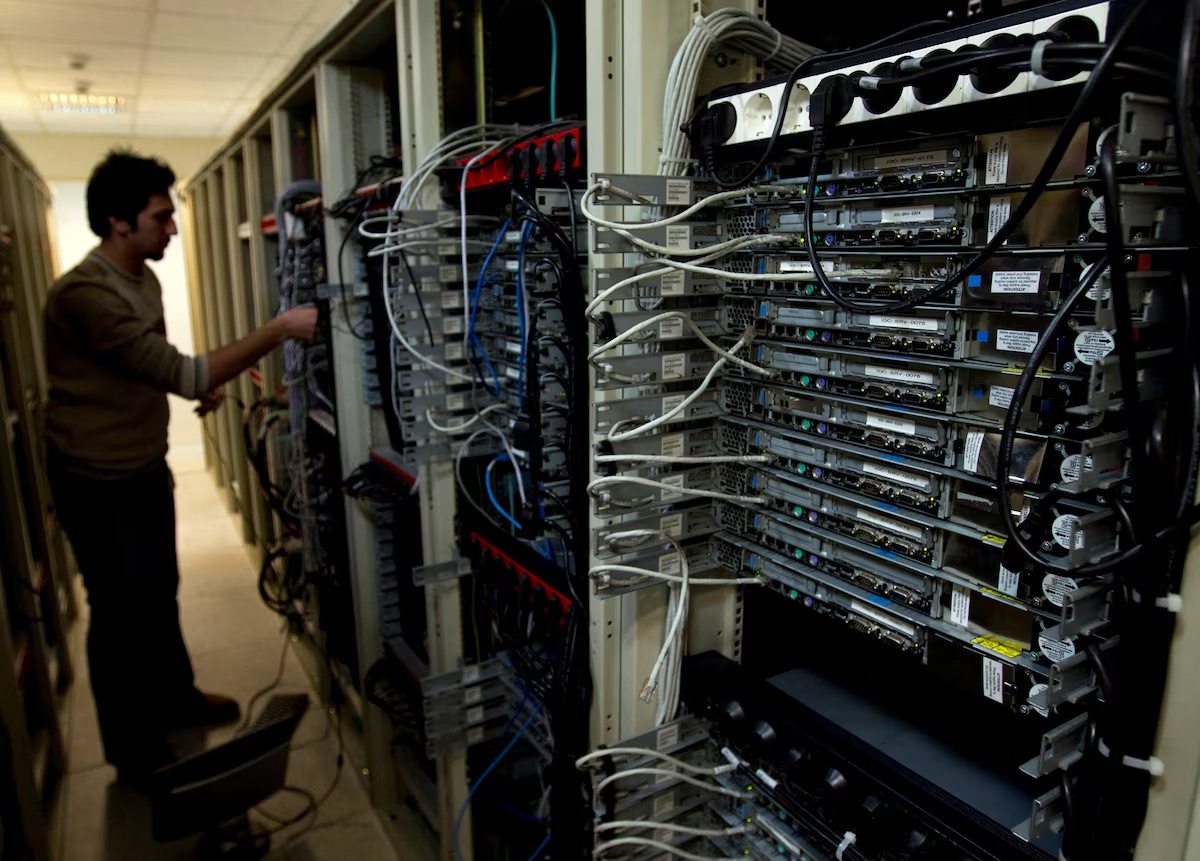
During the 12-day conflict with Israel, Iranians experienced a near-total internet outage lasting several days, according to The Conversation . Network services, including mobile services, were constantly disrupted. The Iranian government stated that it ordered the disconnection to ensure cybersecurity.
“Iran controls information really, really tightly,” Marwa Fatafta, policy and advocacy director of the Berlin-based digital rights group Access Now, said in an interview with The Associated Press . “Their goal is pretty clear.”
Completely cutting off the internet in a country is considered a serious act, restricting people's right to communicate and their access to information, especially during times of conflict.
In countries where network and telecommunications services are privately operated, the government typically maintains control through legislation or administrative regulations, such as age restrictions on adult content. Iran, however, has spent years building the capacity to directly control its domestic telecommunications infrastructure.
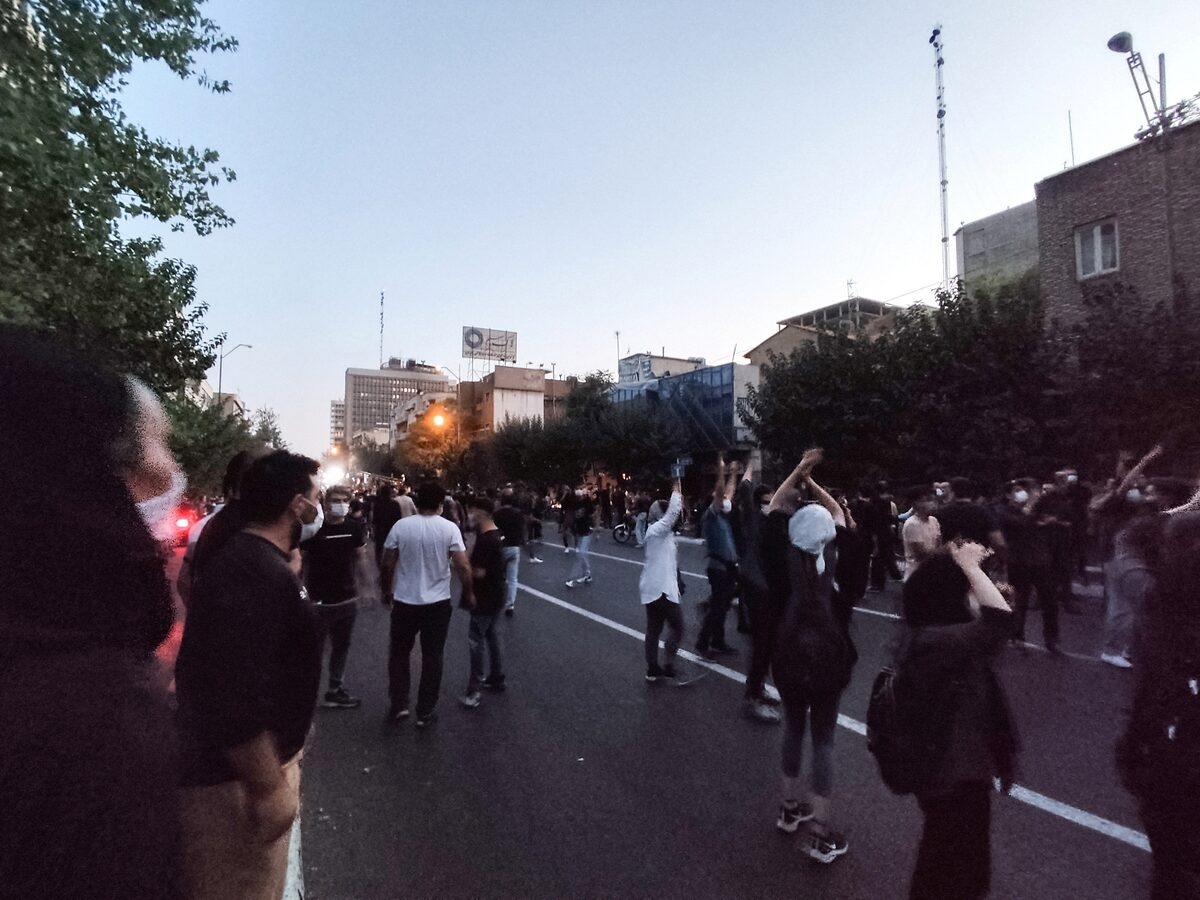 |
There have been instances of internet outages in Iran during events such as the September 2022 protests. Photo: Reuters . |
So how can a country tightly control internet access? And could this happen anywhere else in the world ?
How does a country "cut off" the internet?
The internet encompasses applications, online services, and websites. There are many ways to control internet access, but generally, there are two ways a country can block its citizens' access.
The first method is to physically disconnect the hardware, that is, to shut down the internet connection points entering the country, which can be thought of as "unplugging" a power cord. This allows for easy restoration of the connection when the government wants to, but the impact would be far-reaching. The entire country, including the government, would be unable to access the internet unless they had their own dedicated connection system.
The second method is blocking using software and network configuration. Every device connected to the Internet, such as a computer or phone, has an IP address (Internet Protocol), for example, 77.237.87.95 is an IP address assigned to a network provider in Iran.
However, instead of memorizing sequences of numbers, people use domain names to access websites. The link between IP addresses and domain names is managed by the DNS (Domain Name System). Governments can manipulate the DNS system to prevent people from accessing internet services by falsifying the IP addresses associated with domain names.
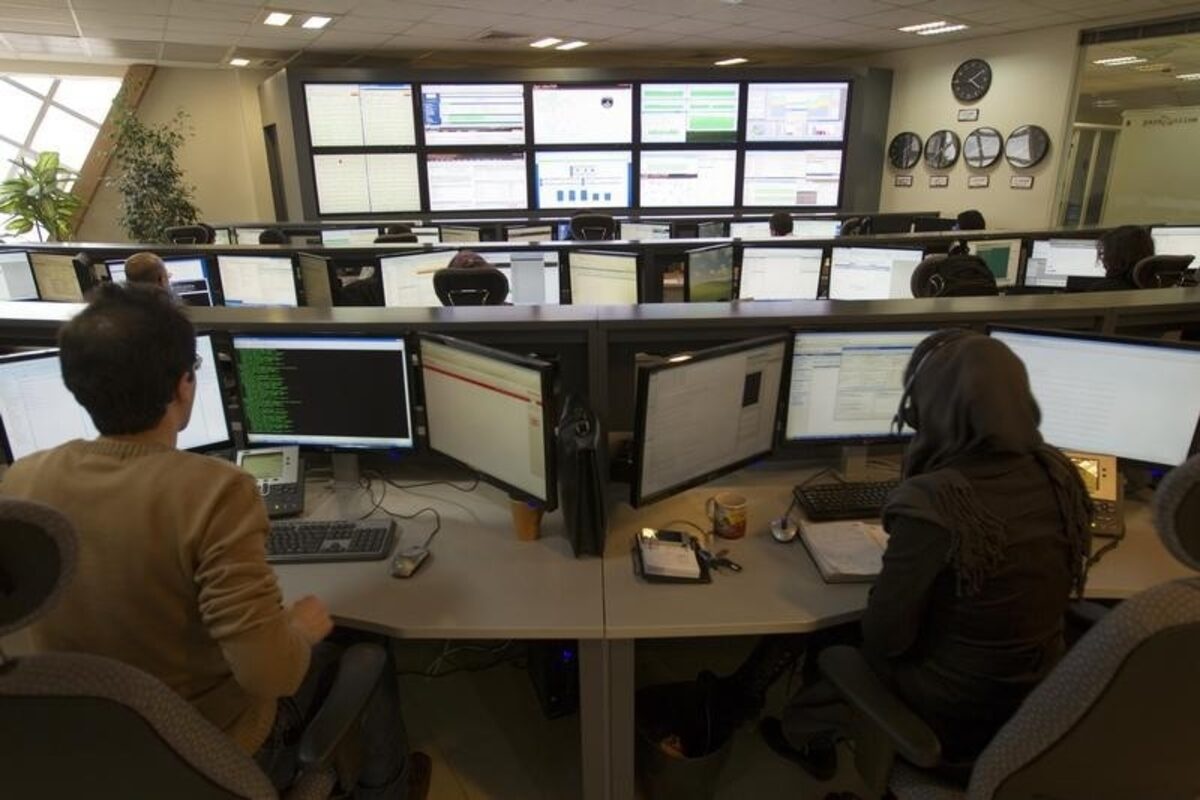 |
Technicians monitor data streams in the control room of an internet service provider in Tehran in 2011. Photo: Reuters . |
Similarly, it interferes with the flow of Internet data. IP allows devices to send and receive data through networks controlled by internet service providers. These networks rely on the Border Gateway Protocol (BGP), which can be understood as a system of traffic signs that helps route data around the world.
If the government requires domestic network operators to remove their BGP links from the global network, domestic devices will be unable to access the internet, and conversely, the outside world will not be able to "see" that country on the internet.
Many countries have previously restricted or completely cut off internet access to deal with major events.
A recent example is the widespread internet outage in Bangladesh in July 2024, during student protests against civil service recruitment policies. In 2023, Senegal also restricted internet access to quell protests after a political leader was convicted. In 2020, India implemented a prolonged internet cut in the disputed Kashmir region. In 2011, Egypt also shut down BGP to deal with political instability.
These examples show that if a government wanted to shut down the internet, they could absolutely do so, requiring no special technical expertise.
Is it possible to reconnect after the internet has been disconnected?
Virtual private networks (VPNs) have long been used to bypass internet censorship in heavily controlled countries, and continue to be a useful tool. However, there are recent indications that Iran has tightened its restrictions on VPN use.
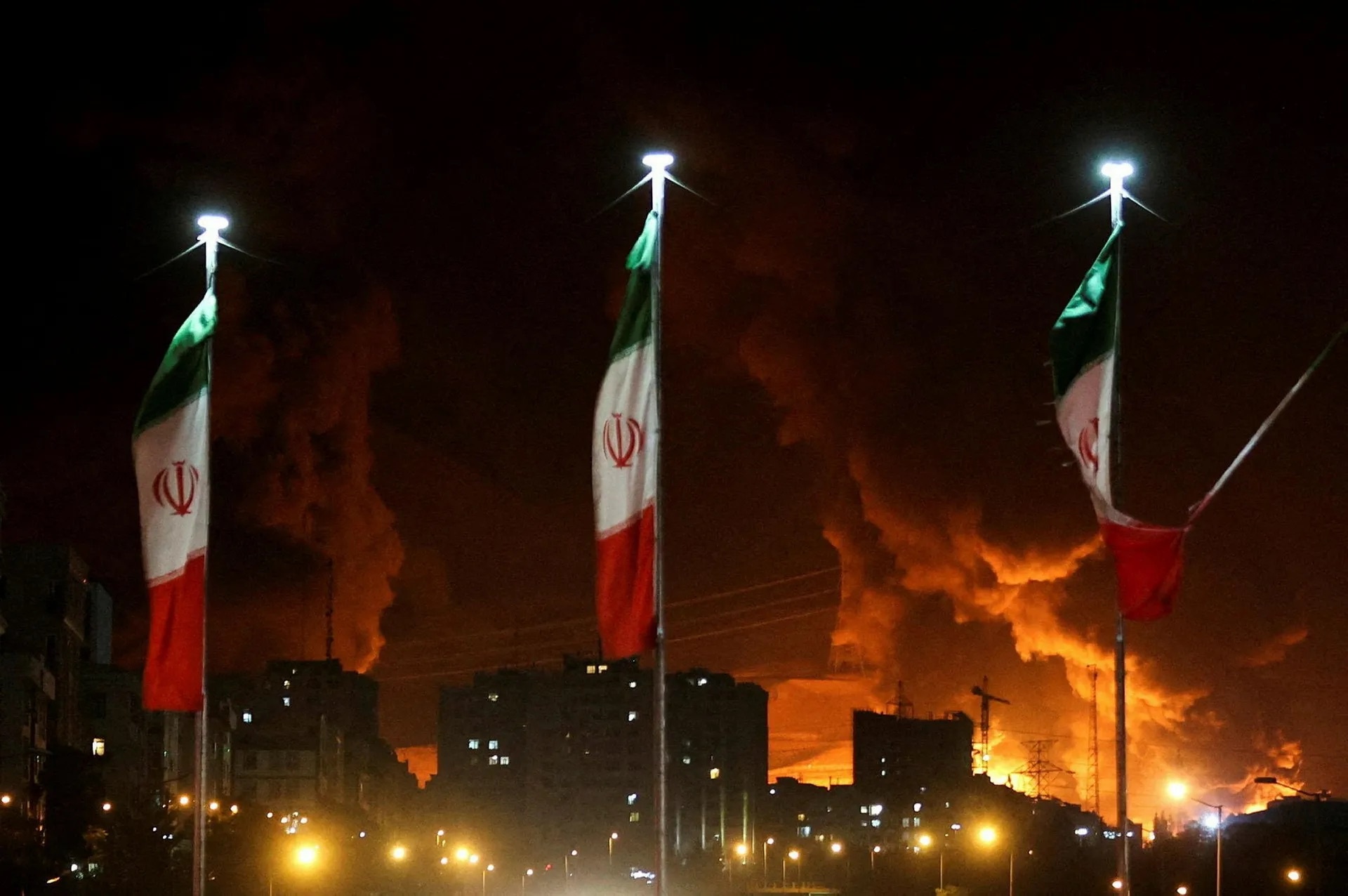 |
Fire and smoke rise from the Israeli attack on the Sharan oil depot in Tehran on June 15. Photo: Reuters . |
VPNs are also ineffective when the internet connection is completely cut off at the hardware level or BGP is blocked.
In these situations, the most viable solution is satellite internet, a service independent of traditional network infrastructure. Satellite internet is particularly useful in remote areas where there is no or no possibility of building a wired network infrastructure. Even if traditional wired or wireless connections are interrupted, satellite services such as Starlink, Viasat, HughesNet, and others can still provide internet access to user devices from satellites orbiting the Earth.
To use satellite internet, users need a specialized antenna from service providers. In Iran, Elon Musk's Starlink was activated during a network outage. According to several independent sources, thousands of Starlink devices are currently operating secretly in the country.
Source: https://znews.vn/iran-da-cut-internet-ca-nuoc-nhu-the-nao-post1563575.html
























































































Comment (0)