 |
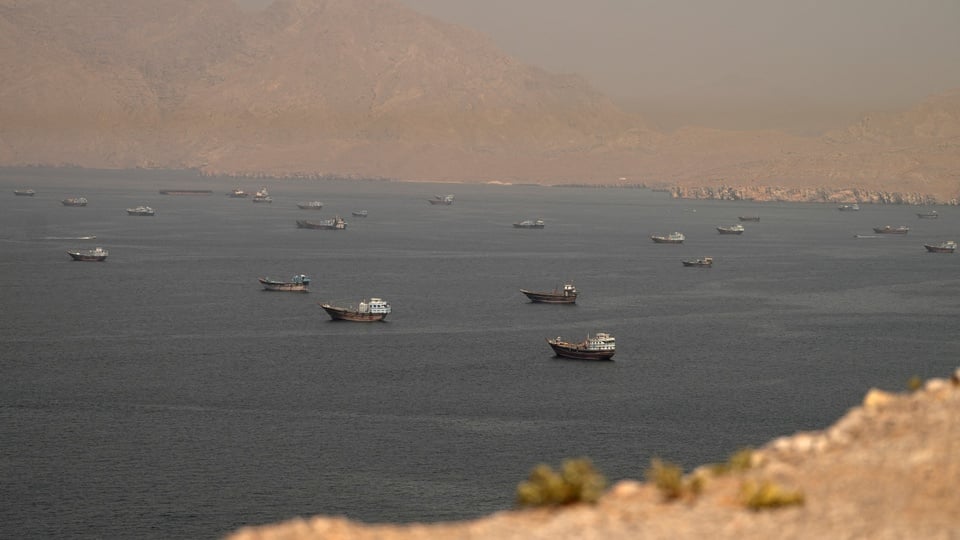
Ships navigate the Strait of Hormuz after restrictions are gradually lifted. Photo: Reuters . |
According to Reuters , the US government has officially authorized the purchase and sale of crude oil, petroleum products, and petrochemicals originating from Iran until August 21st.
This move to ease decades-long sanctions comes as Washington is working to push for a final peace deal with Tehran.
Previously, due to supply disruptions caused by the blockade of the Strait of Hormuz since March, Asian refineries had been frantically seeking alternative sources of supply from the US, Russia , Africa, and Latin America.
However, the interim peace agreement between the US and Iran has helped reopen the strait, releasing oil that had been trapped for months and putting significant pressure on the global oil market.
Iran offers its wares.
Against this backdrop, the National Iranian Oil Corporation (NIOC) has begun sending proposals to Asian refineries to offer to buy oil. A source close to NIOC said the company is calculating the delivery prices of competing crude oil grades in China in preparation for spot sales.
Another source revealed that Iranian oil sellers have temporarily suspended offers to China's Shandong province to assess demand from other countries.
However, an Indian refiner candidly shared: "Most oil companies had already secured their supplies until the end of August. We didn't anticipate an exemption, so we bought whatever supply was available on the market. In fact, we even pre-ordered some crude oil shipments for August at a higher premium."
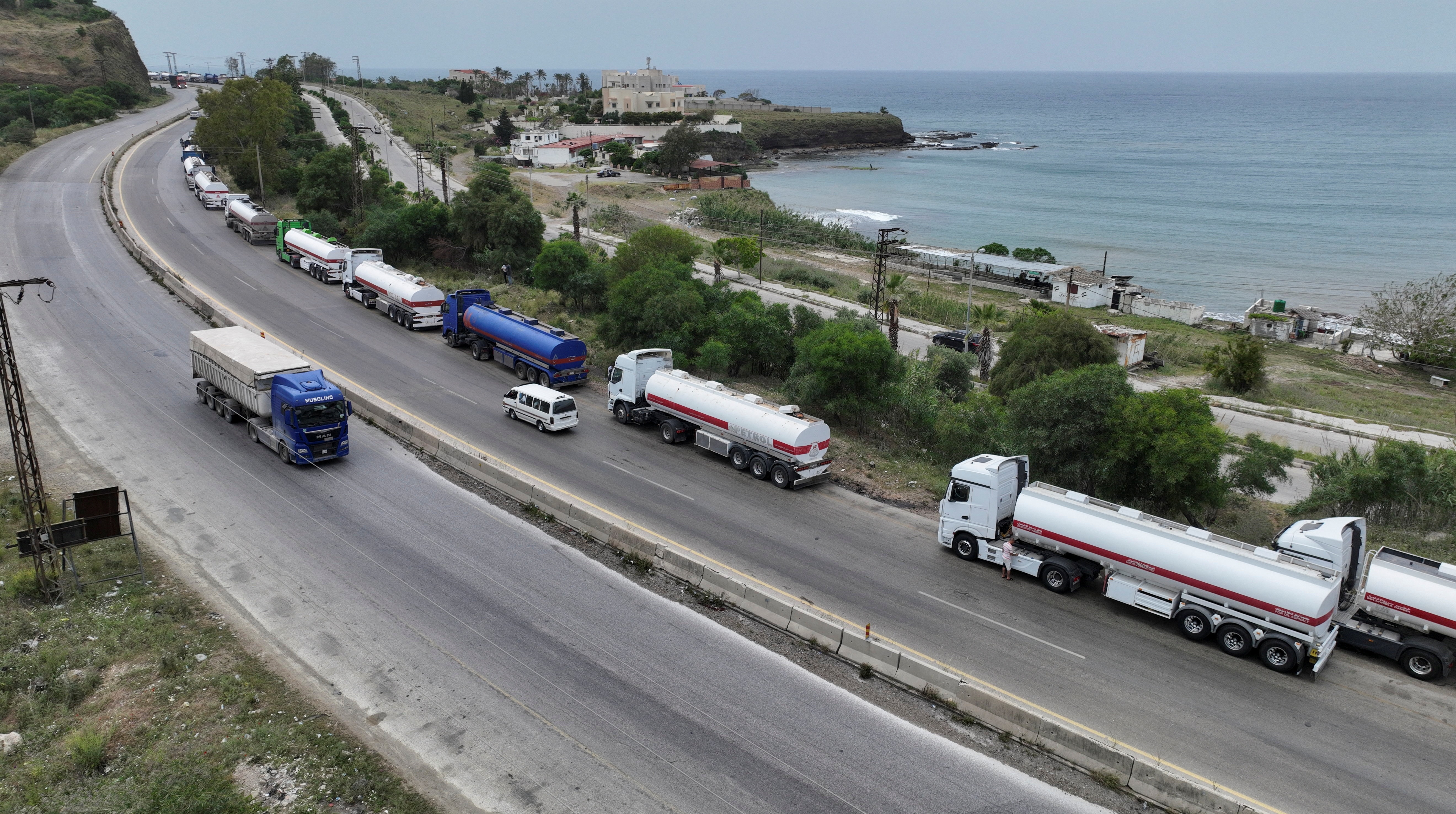 |
Oil trucks from Iraq are rushing to the Baniyas oil port in Syria for shipment around the world. Photo: Reuters . You may also like  What is Lien Khuong Airport like now?After being closed for over three months for runway and taxiway repairs, Lien Khuong Airport is entering the final stages of completion, preparing for its reopening.  Dong Thap Provincial Tax Department intensifies efforts to clean up tax identification numbers.In implementing Decision No. 595/QD-CT of the Tax Department on the deployment of the "Cleaning up tax identification numbers - Removing bottlenecks in business" campaign, the Dong Thap Provincial Tax Department has been strengthening solutions, reviewing and handling violations to create a favorable and transparent business environment.  Construction begins on three projects at Hoa Hiep Industrial Park.The Phu Yen Economic Zone Management Board, in collaboration with Ba Hai Joint Stock Company, Hoang Long Vina Production and Trading Company Limited, and KOTINOCHI Joint Stock Company, held the groundbreaking ceremony for the factory construction. |
Sumit Ritolia, chief analyst at shipping tracking firm Kpler, commented: "With India's crude oil supply stable until August, the biggest beneficiary of any sanctions waiver for Iranian oil is likely to be China, which needs crude oil for both processing and replenishing its strategic reserves."
Representatives from three other Asian refineries, which stopped buying Iranian oil nearly a decade ago, also confirmed they have purchased enough crude oil for the present, while other non-sanctioned sources are now more affordable.
In addition, sources from the Japanese oil and gas industry indicate that regulatory compliance hurdles and tight deadlines will force the country's refineries to conduct trial runs before officially resuming procurement activities.
Many businesses remain hesitant.
Investors and businesses are also cautious about the temporary nature of this sanctions easing, in addition to unresolved challenges regarding the banking system and payment methods.
Despite this, the shipping tracking company Vortexa stated: "Iran will take advantage of this opportunity to transport as many shipments out of the Gulf as possible."
The agency reported that the amount of Iranian crude oil at sea had increased by 6 million barrels in the past 48 hours, bringing the total amount of crude oil floating at sea to 126 million barrels.
About half of them are now close to Asia, and the other half are also moving in that direction. Vortexa forecasts that China's independent refineries, or "teapots," will remain the ultimate buyers, even though their demand is relatively weak due to production cuts since May.
The return of Iranian oil supplies is dealing a severe blow to global oil prices, causing Brent crude oil prices to fall by about 16% since the beginning of June. Oil traders expect the arrival of Iranian oil to widen the discounts offered on Russian oil, and force other Gulf producers like Saudi Arabia to lower their official selling prices in order to regain market share.
Nevertheless, legal hurdles remain a major obstacle for companies wishing to resume imports. In India, refiners have stated they will not commit to purchases unless the easing of US sanctions is guaranteed to extend beyond August.



For fuel oil, the easing of sanctions will continue to put downward pressure on the market, especially for high-sulfur oil, despite traders predicting only slight growth in Iran's oil and marine fuel business due to the banking and payment system remaining a major bottleneck.
Source: https://znews.vn/iran-van-kho-ban-dau-post1662458.html

![[Photo] General Secretary and President To Lam receives Palestinian Ambassador Saadi Salama](https://vphoto.vietnam.vn/thumb/1200x675/vietnam/resource/IMAGE/2026/06/25/1782365384740_a1-bnd-9423-8322-jpg.webp)

![[Photo] General Secretary and President To Lam attends the 13th National Congress of the Ho Chi Minh Communist Youth Union](https://vphoto.vietnam.vn/thumb/1200x675/vietnam/resource/IMAGE/2026/06/25/1782356968989_ndo_br_1-jpg.webp)