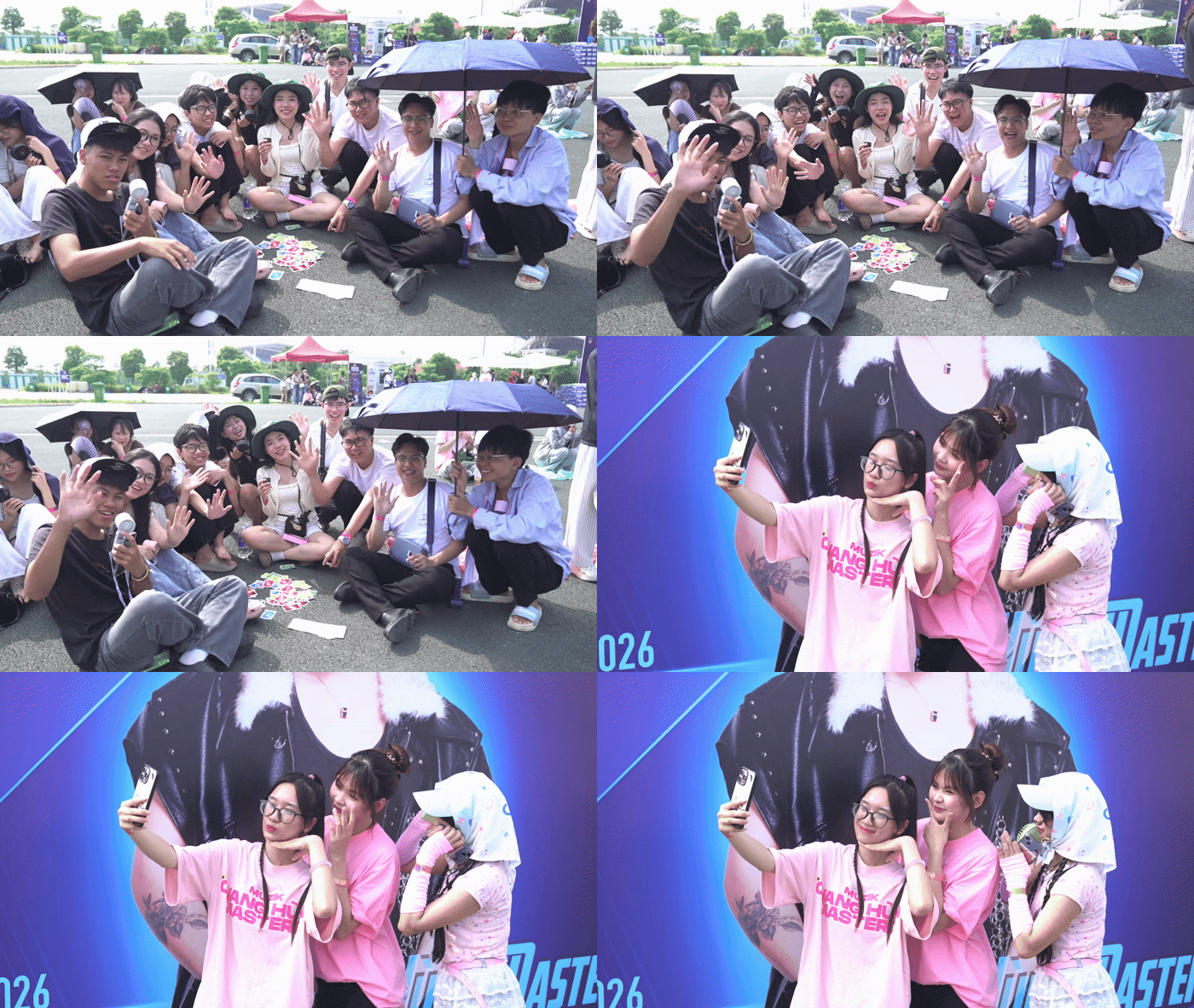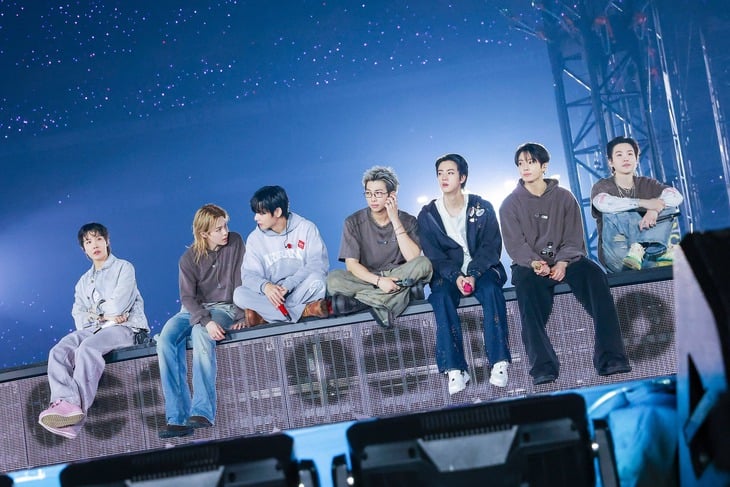
Just one concert by BTS or BLACKPINK being licensed in China would be a symbolic signal for the entire Asian entertainment industry - Photo: Big Hit Music
From Tencent Music becoming SM Entertainment's second-largest shareholder to the growing number of positive signs regarding performance activities, the South Korean entertainment industry is asking: Will the "door to China" truly open again?
The market of 1.4 billion people is opening up after nearly a decade of "freezing".
In 2016, relations between Beijing and Seoul became strained after South Korea deployed the US THAAD missile defense system.
Since then, a wide range of Korean cultural activities have virtually disappeared from the Chinese market. K-pop concerts have been canceled. Korean television programs have been restricted. Korean actors and idols have almost completely disappeared from mainland platforms.
Reuters noted that these unofficial restrictions have lasted for nearly a decade, causing South Korean entertainment companies to lose one of the world's largest markets.

SEVENTEEN is also rapidly rising to prominence thanks to their active promotion and the presence of a Chinese member in THE8. - Photo: X
Before 2016, China was a "gold mine" for K-pop. EXO, Super Junior, Girls' Generation, BigBang, and TVXQ all had massive fan bases there.
Many Chinese artists, such as Luhan, Kris Wu, Lay Zhang, and Tao, also rose to prominence through the South Korean idol training system. However, everything seems to have "frozen" since 2016.
A significant turning point came in May 2025, when Tencent unexpectedly placed a large bet on SM Entertainment.
According to filings in South Korea, Tencent Music Entertainment spent approximately $177 million to acquire a 9.7% stake in SM Entertainment from HYBE. This deal makes Tencent the second-largest shareholder in the company, behind groups like aespa, NCT, RIIZE, and EXO.


This deal is not simply a financial investment. Reuters, citing analysts, suggests it could signal that the Chinese market is preparing for a strong resurgence of K-pop activities in the future.
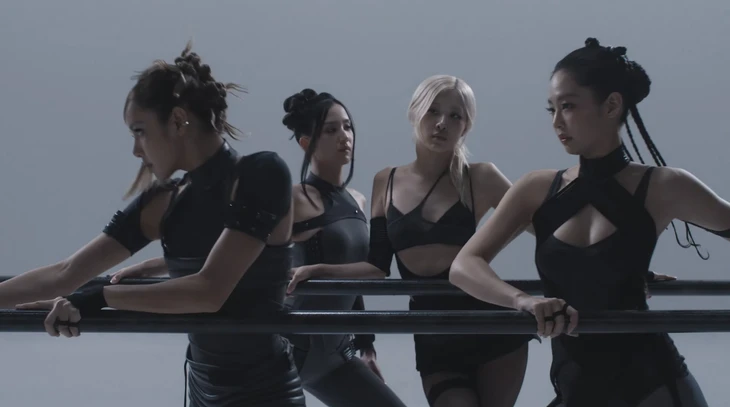
BLACKPINK is the leading K-pop girl group in terms of public recognition and fashion influence in China - Photo: X
K-pop needs China more than ever.
For South Korean entertainment companies, the most attractive thing isn't digital music sales. What they really need is concerts.
A single concert in Beijing, Shanghai, or Guangzhou can generate millions of dollars in revenue from tickets, sponsorships, and merchandise. If the Chinese market fully reopens, tour revenue for K-pop companies could skyrocket.
After years of explosive growth, the K-pop industry is also entering a phase of fierce competition. The South Korean market is small, while the US, Japan, and Southeast Asia are becoming increasingly crowded with hundreds of new groups.
Major entertainment companies like HYBE, SM, JYP, and YG all need larger markets to sustain their growth. And it's hard to find a more attractive destination than China, given that its population alone is nearly 30 times larger than South Korea.
Even if only a small fraction of Chinese fans are willing to buy concert tickets or albums, the revenue generated would still be enormous.
But China in 2026 is not the China of 2016. So, if K-pop makes a comeback, it will be entering a completely different environment. Over the years, China has developed strong domestic idol programs, short-video platforms, and its own entertainment ecosystem.
Furthermore, China has repeatedly cracked down on excessive fandom culture, restricting "idol-chasing" activities deemed to have a negative impact on young people.
This means K-pop will no longer enter a "blank" market. They must compete with domestic idols, Chinese digital platforms, and a generation of audiences whose tastes have changed significantly.
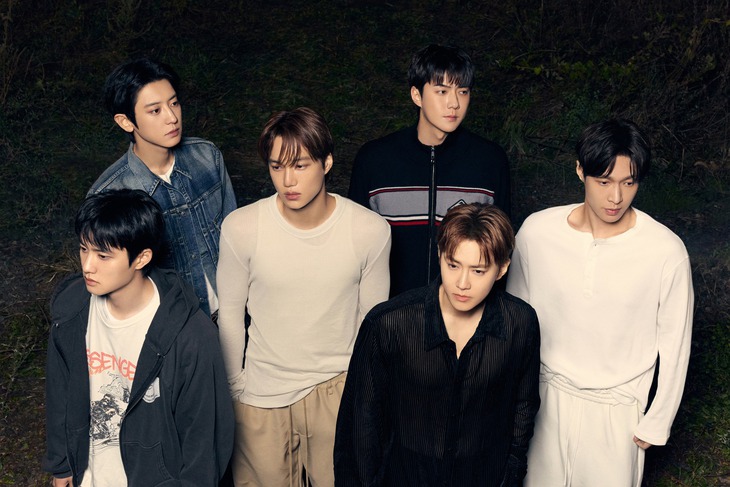
EXO is a K-pop boy group that consistently maintains its leading position thanks to its massive and dedicated fanbase - Photo: X



BTS, BLACKPINK, and the biggest question.
If the doors truly reopen, the first names to benefit will most likely be BTS, BLACKPINK, EXO, aespa, or Seventeen.
Especially for BTS, the group is making a strong comeback after completing their military service and launching a new global tour.
Observers believe that if just one BTS or BLACKPINK concert is licensed in China, it would be a symbolic signal for the entire Asian entertainment industry.
Because after nearly a decade of hiatus, what was anticipated was not just the return of a musical genre. It was also the revival of one of Asia's most influential cultural exchange routes of the century.
Source: https://tuoitre.vn/k-pop-dang-can-trung-quoc-hon-bao-gio-het-100260624114051824.htm

![[Photo] A phone-free summer afternoon at the village library](https://vphoto.vietnam.vn/thumb/1200x675/vietnam/resource/IMAGE/2026/06/27/1782551770949_anh-1-jpg.webp)



![[Photo] Thousands of people participate in a run to show their support for the campaign "Sharing a common determination to build drug-free communes, wards, and special zones".](https://vphoto.vietnam.vn/thumb/1200x675/vietnam/resource/IMAGE/2026/06/27/1782554475933_0673e2a3df7b5e25076a-8283-jpg.webp)