Intel, Google, Arm, Qualcomm, Samsung , and other tech companies have formed an alliance called the UXL Foundation in an effort to develop open-source software to free AI developers from their long-standing dependence on NVIDIA chips. In other words, the UXL alliance aims to find the key to enabling developers' programs to run on any machine without being picky about the chip used.
NVIDIA's Achilles' heel?
According to AFP, NVIDIA has become the world's most valuable chip manufacturer with a total market capitalization of $2.2 trillion thanks to its supply of AI chips. These chips are ushering in an era of generative AI developers, a form of artificial intelligence focused on creating new content and data based on existing data.
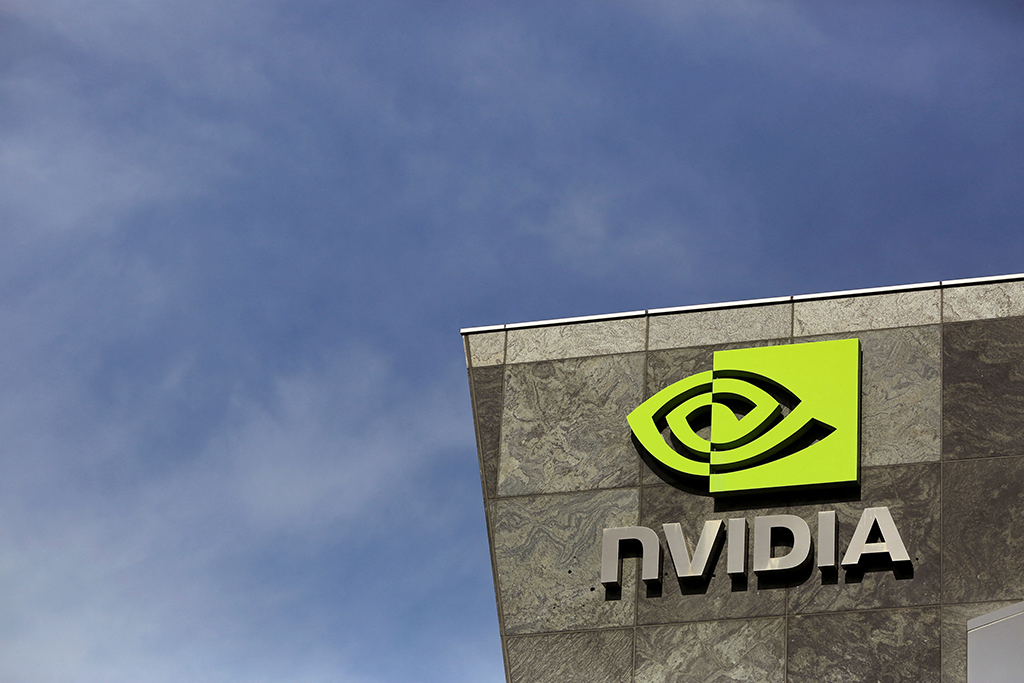
Nvidia is leading the way in AI development.
The chips from the American corporation are currently in high demand worldwide, whether from startups or established tech giants like Microsoft, Google, or OpenAI, the creator of ChatGPT. Despite the US embargo, many Chinese companies are still trying to purchase NVIDIA chips.
Besides its hardware, a significant part of NVIDIA's formidable strength comes from its computer code called CUDA, which has been researched and developed for nearly 20 years. This puts NVIDIA almost invincible. More than 4 million developers worldwide rely on NVIDIA's CUDA software platform to build AI and other applications.

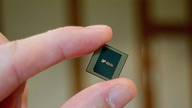

NVIDIA solidifies its dominance with its AI superchip.
Now, an alliance of tech companies such as Qualcomm, Google, and Intel is planning to loosen NVIDIA's grip on the market. They are part of a growing group that includes financiers and companies seeking to break free from NVIDIA's dominance in the AI field. The goal is to focus the attack on the chip giant's secret weapon: CUDA software, which forces developers to use NVIDIA chips.
"We have shown developers how they can decouple from the NVIDIA platform," Reuters quoted Vinesh Sukumar, Qualcomm's head of AI and machine learning, as saying yesterday.
New weapons
Beginning with Intel-developed technology called OneAPI at the time of its formation in September 2023, the UXL alliance plans to build a suite of software and computing tools that can power a wide variety of AI chips. According to Reuters, this open-source project aims to allow companies' computer code to run on any machine, regardless of the type of chip or hardware it uses.
"Within the framework of machine learning, we want to create an open-source ecosystem and boost productivity while allowing for hardware choice," Reuters quoted Bill Magro, Director and Chief Engineer for Computing Performance. Google is one of the founding members of UXL and helped define the project's technical direction.
Intel spends $100 billion to dominate the semiconductor industry.
UXL's technical steering committee is preparing to list specific technical specifications in the first half of this year. The alliance's engineering team plans to finalize the technical details to reach a complete state by the end of 2024. In addition to the initial companies, UXL will continue to add big names in the cloud computing industry such as Amazon, Azure, as well as other chip manufacturers.



Intel's OneAPI is already in use, and the next step is to create a standard programming model designed for AI. Beyond simply competing with NVIDIA, UXL also aims to support the company in terms of both hardware and code in the long term.
NVIDIA faces off against nearly 100 startups.
UXL's plan is just one of many efforts to seize market share from NVIDIA in the AI field. Reuters, citing data collected by PitchBook (US), reported that numerous venture capital fund managers and other companies have invested more than $4 billion in 93 different startups. Their goal is to "overthrow" NVIDIA by exploiting its software vulnerabilities. And they have achieved initial success. PitchBook noted that these startups generated more than $2 billion in profits in 2023 from exploiting NVIDIA's vulnerabilities, compared to $580 million the previous year.
Source link