Precious medicinal herbs
Quang noodles, whether with shrimp, pork, chicken, eel, or snakehead fish, are usually marinated with turmeric and shallots, creating a very distinctive flavor. Other popular dishes such as snakehead fish stewed with banana, flying fish braised with turmeric, stir-fried offal with turmeric, and stir-fried vermicelli with turmeric are all dishes that evoke strong memories for people from Quang Nam. Surely, our ancestors understood, to some extent, the great benefits of turmeric.
Turmeric has long been considered a valuable medicinal herb in traditional medicine due to its outstanding health benefits. The main active ingredient in turmeric is curcumin, which not only possesses powerful anti-inflammatory properties but also supports antioxidant activity, protects the brain, improves cardiovascular health, boosts immunity, and offers many other benefits.
Curcumin is what gives turmeric its powerful anti-inflammatory properties. We know that chronic inflammation is the cause of many dangerous diseases such as arthritis, diabetes, cardiovascular disease, and neurodegeneration.
Curcumin has the ability to inhibit five key enzymes involved in the inflammatory process, including NF-KB, COX-2, LOX, INF-2, and IL-6. By controlling these enzymes, curcumin helps reduce inflammation in the body, thereby supporting the treatment and prevention of many chronic inflammatory diseases.
special active ingredient
Turmeric is considered a miracle remedy due to its powerful antioxidant properties. Oxidation is a process that leads to premature aging and cell damage, especially in the brain. Turmeric helps balance these factors because curcumin can inhibit MAO-B – an enzyme that can destroy neurotransmitters in the brain.



Selegiline is a common medication for Parkinson's disease and depression, based on an active ingredient that inhibits MAO-B. A similar mechanism suggests that curcumin may have effects in protecting the brain, thereby helping to prevent neurodegeneration, preserve memory, maintain cognitive function, and improve mood.
Curcumin also stimulates Brain-Derived Neurotrophic Factor (BDNF). BDNF promotes the growth and longevity of nerve cells, thereby improving memory, enhancing cognitive function, and supporting the treatment of neurodegenerative diseases such as Alzheimer's and Parkinson's.
The endothelium of arteries plays a crucial role in regulating blood pressure and preventing the formation of blood clots and plaque. Prolonged inflammation can damage the endothelium, significantly increasing cardiovascular risks.
Curcumin can help protect the endothelium of arteries by inhibiting scar tissue formation, reducing the risk of arterial plaque, protecting LDL fatty compounds from oxidation, and directly preventing atherosclerosis. Therefore, turmeric also has a protective effect on the cardiovascular system and blood vessels.
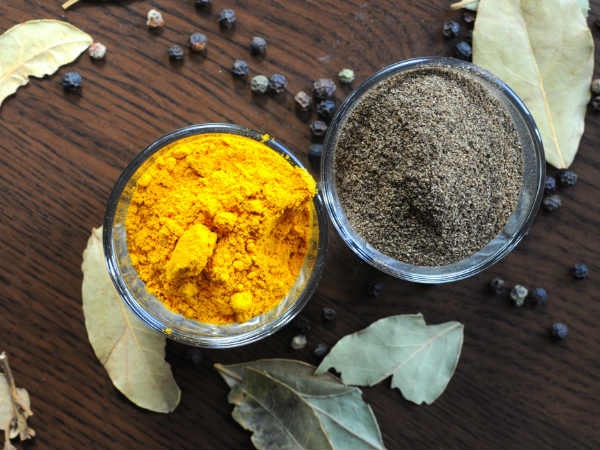
The medicinal properties of turmeric spice
Curcumin helps improve insulin sensitivity, thereby supporting blood sugar control and reducing the risk of type 2 diabetes, helping to stabilize blood glucose. Furthermore, turmeric has anti-inflammatory and anti-infectious properties, helping to speed up wound healing and prevent scarring.
Curcumin has the ability to kill harmful bacteria without affecting beneficial bacteria, thereby helping to balance the gut microbiome and strengthen the immune system. Therefore, turmeric is very good for digestive diseases such as stomach ulcers, Crohn's disease, and irritable bowel syndrome.



Curcumin also has the ability to collect heavy metals present in the body and support their elimination, helping to reduce the negative impact of heavy metals on health. This is extremely useful if the body experiences slow wound healing, chronic fatigue, or headaches.
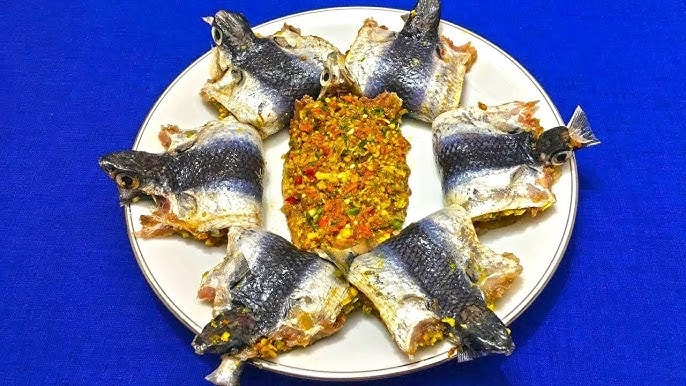
In the long run, turmeric will be an excellent remedy for preventing cancer. If we are concerned about mercury in seafood, why don't we cook it with turmeric?
In fact, there's no need to eat turmeric every day or use high doses, as the body only absorbs a small amount of curcumin. Instead, consume a small amount by mixing it with water or using it as a spice in dishes.
Source: https://baoquangnam.vn/khai-thac-hoat-chat-chua-benh-tu-nghe-3150252.html


![[Photo] Strengthening character and expertise: Intense training for artillery soldiers.](https://vphoto.vietnam.vn/thumb/1200x675/vietnam/resource/IMAGE/2026/06/30/1782815602541_lu-368-1875-4571-jpg.webp)