


The smiles of Khmer girls at Chung Rut Pagoda.
Tan Bien is a border district located in the northern part of Tay Ninh province, with a 92.5km border shared with Cambodia across three communes. Notably, the Xa Mat international border gate connects directly with the Kingdom of Cambodia. Meanwhile, a highlight is the Lo Go - Xa Mat National Park, one of the 10 ASEAN Heritage Parks in the country. It is also a unique nature reserve in Vietnam with a rich and diverse array of flora and fauna.
Lo Go - Xa Mat National Park, with a total buffer zone area of over 18,600 hectares, spans four communes: Tan Lap, Tan Binh, Hoa Hiep, and Thanh Tay in Tan Bien district. Of this, the strictly protected zone covers over 8,198 hectares, the ecological restoration zone is over 10.8 hectares, and the administrative and service zone is 129 hectares.
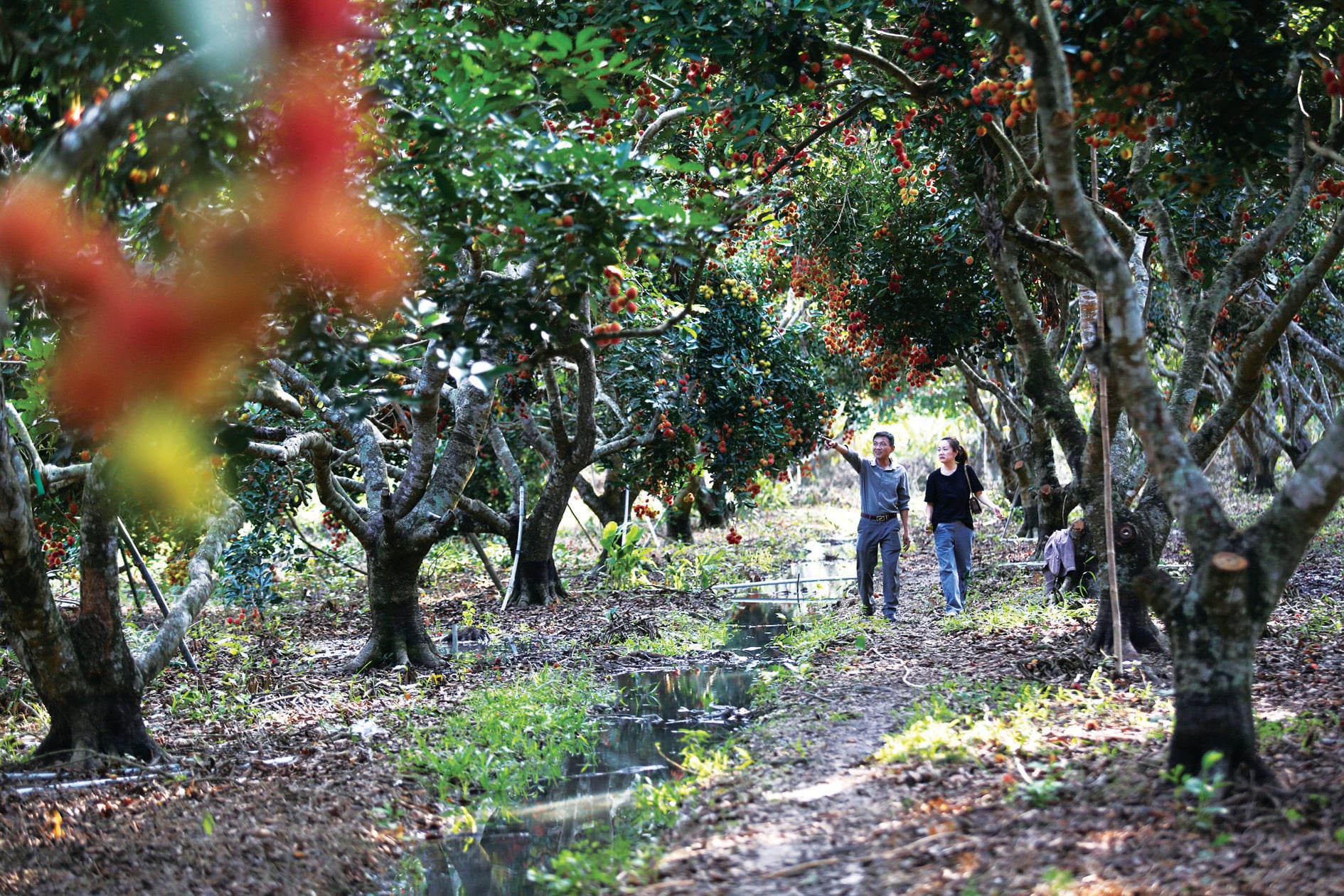
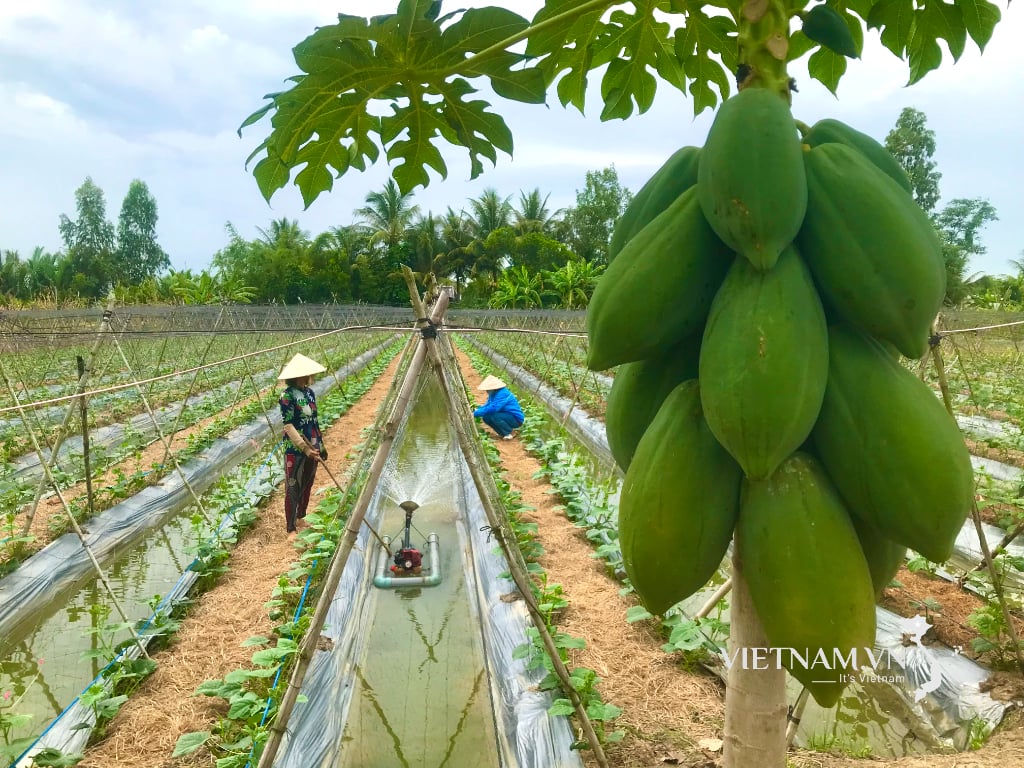
Tourists from Ho Chi Minh City were introduced to a rambutan cultivation model by a garden owner in Hoa Hiep commune, Tan Bien district.
To date, the national park has identified more than 700 plant species, 42 mammal species, 203 bird species, and 58 reptile species… Many mammal species are listed in the World Red List (IUCN, 2005): black-footed langur, silver langur, long-tailed monkey, pig-tailed monkey, slow loris. Species listed in the Vietnam Red List include short-eared dog bat, muntjac, wild cat, silver-cheeked civet, black squirrel, muntjac, crested porcupine, flying squirrel…
Besides its biodiversity value, the Lo Go - Xa Mat National Park area is also a historical site. It bears witness to many important relics from the resistance war against the US, such as the Provisional Revolutionary Government of the Republic of South Vietnam's base, the Central Propaganda Department of the Southern Region, the Liberation Radio Station, and the Liberation Film Studio... With these advantages, Tan Bien district is considered by Tay Ninh province to have great potential for developing cultural tourism, eco-tourism, heritage tourism, and spiritual tourism.
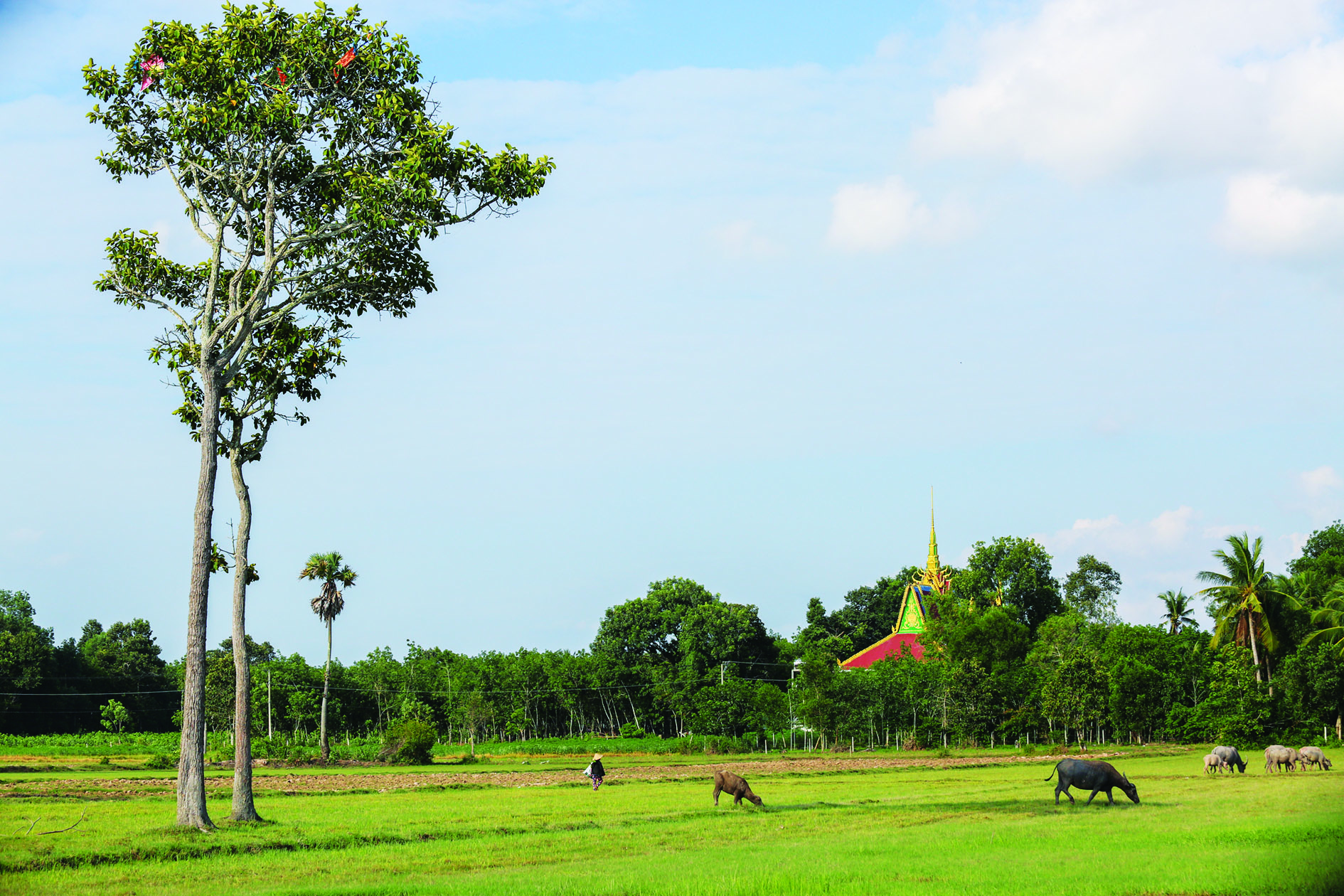
The daily lives of the people, mainly the Khmer ethnic group, are often closely connected to temples.
According to statistics, in the first six months of 2023 alone, Tan Bien district welcomed 60,246 visitors, reaching 86% of the planned target (the 2023 plan was 70,000 visitors). This is a promising figure for tourism in a border district of Tay Ninh province.
Specifically, the Central Committee Headquarters of the Southern Region received 40,010 visitors; Lo Go - Xa Mat National Park received 2,975 visitors; the Tomb of General Tra Vong received 16,805 visitors; and Chot Mat Tower received 456 visitors.
To ensure the sustainable development of local tourism, according to the Tan Bien District People's Committee, in 2023, the district will continue to implement its tourism development plan until 2025 and its orientation until 2030.
Accordingly, the Tan Bien District People's Committee has assigned specialized units to focus on investing in and developing the infrastructure of historical and cultural relics in conjunction with tourism development. At the same time, the district will coordinate the exploitation, development, and synchronous connection with various tourism routes and tours, such as: visiting cultural and historical relics, and heritage tourism, with a focus on the National Special Historical Relic of the Central Committee Headquarters of the Southern Region.
Ecotourism and relaxation can be found at Lo Go - Xa Mat National Park. Spiritual tourism can be experienced at the tombs of Quan Lon Tra Vong and Huynh Cong Gian. In addition, riverside tourism along the Vam Co Dong River, combined with the Lam Thon dance of the Khmer ethnic group, will be another major highlight for experiential tourism.

Chung Rut Pagoda is a beautiful temple with a long and rich cultural history in Hoa Hiep commune, Tan Bien district.
Mr. Tran Anh Minh, Director of the Department of Culture, Sports and Tourism of Tay Ninh province, added that the province has great potential for developing border tourism if it knows how to combine the strengths of different areas. Mr. Minh emphasized: "In the short term, the tourism industry will develop synchronously, connecting and effectively exploiting tourism related to its historical roots."
These include the National Special Historical Site of the Central Committee Base of the Southern Region, the Tay Ninh Provincial Party Committee Base at Boi Loi, the An Thoi Tunnel, the Kim Quang Cave Base, the Junction City Victory Site, the Tua Hai Victory Site... In addition, the tourism industry is also developing ecotourism and heritage tourism associated with the ASEAN Heritage Park - Lo Go - Xa Mat National Park. Hopefully, in the near future, Tan Bien district will also become an attractive ecotourism destination of the province.”

Khmer girls perform the Lam Thon dance.
Currently, localities, especially border districts, particularly Tan Bien, are encouraging accommodation businesses to invest in and upgrade their facilities, technology, and services. They are also investing in transportation and tourism infrastructure projects to meet the increasing demands of tourists.
At the same time, continuously improve the quality and develop tourism products, prioritizing distinctive tourism products with unique characteristics; develop tourism in conjunction with protecting natural resources and the environment.
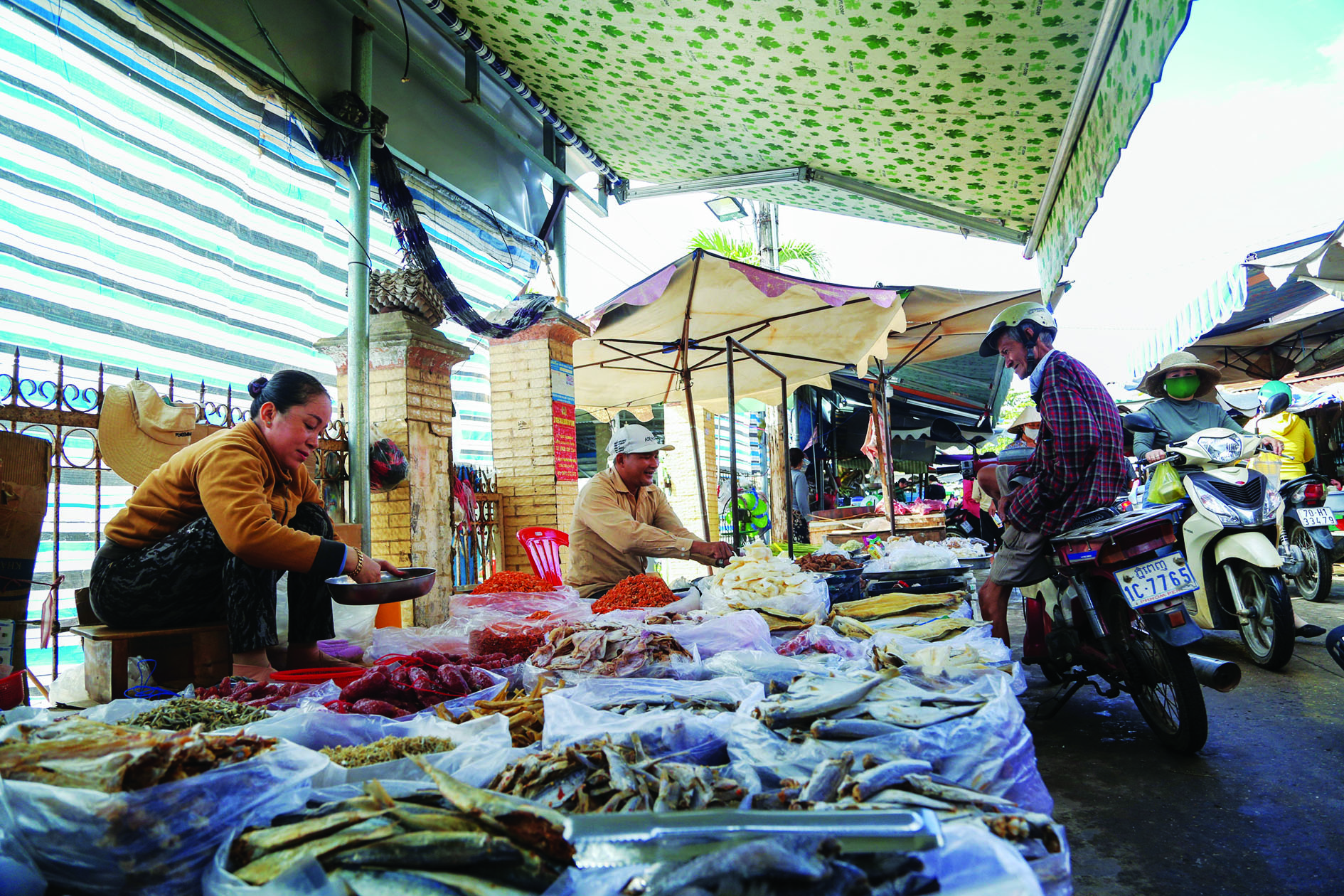
Tan Lap Market is also a distinctive feature of the Tan Bien border region.
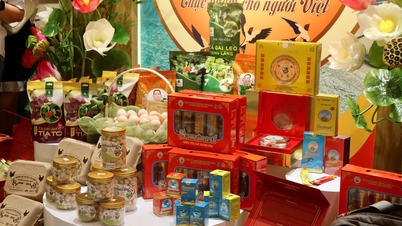
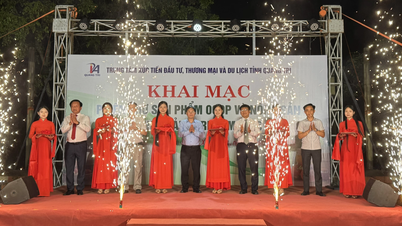
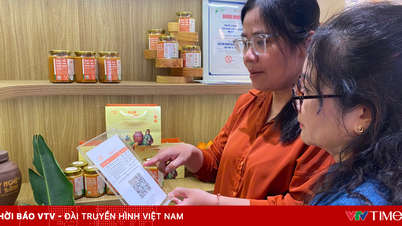
Furthermore, according to the Tan Bien District People's Committee, with the One Commune One Product (OCOP) program, the district has so far had 3 OCOP products recognized by the Provincial People's Committee: Phuc Binh Duong fermented tofu from Thanh Tay commune (4 stars); Fagri cantaloupe from Tra Vong commune (3 stars); and super early Thai jackfruit from Tan Lap commune (3 stars).
Currently, relevant units are coordinating with Thanh Binh and Tan Phong communes to guide businesses in preparing dossiers to participate in the One Commune One Product (OCOP) program in 2023. This is also considered a highlight in terms of having new local tourism products to meet the needs of tourists.
Tuong Linh
Source link




















































































Comment (0)