Chuong Pagoda is an architectural and artistic monument with a harmonious layout in the style of "inner courtyard, outer enclosure connected," designed symmetrically along the main axis from the triple-arched gate to the ancestral hall. The Chuong Pagoda complex includes the triple-arched gate, front hall, main hall, ancestral worship area, Mother Goddess worship area, bell tower, and two rows of corridors, all arranged in a continuous, unified manner and facing south.
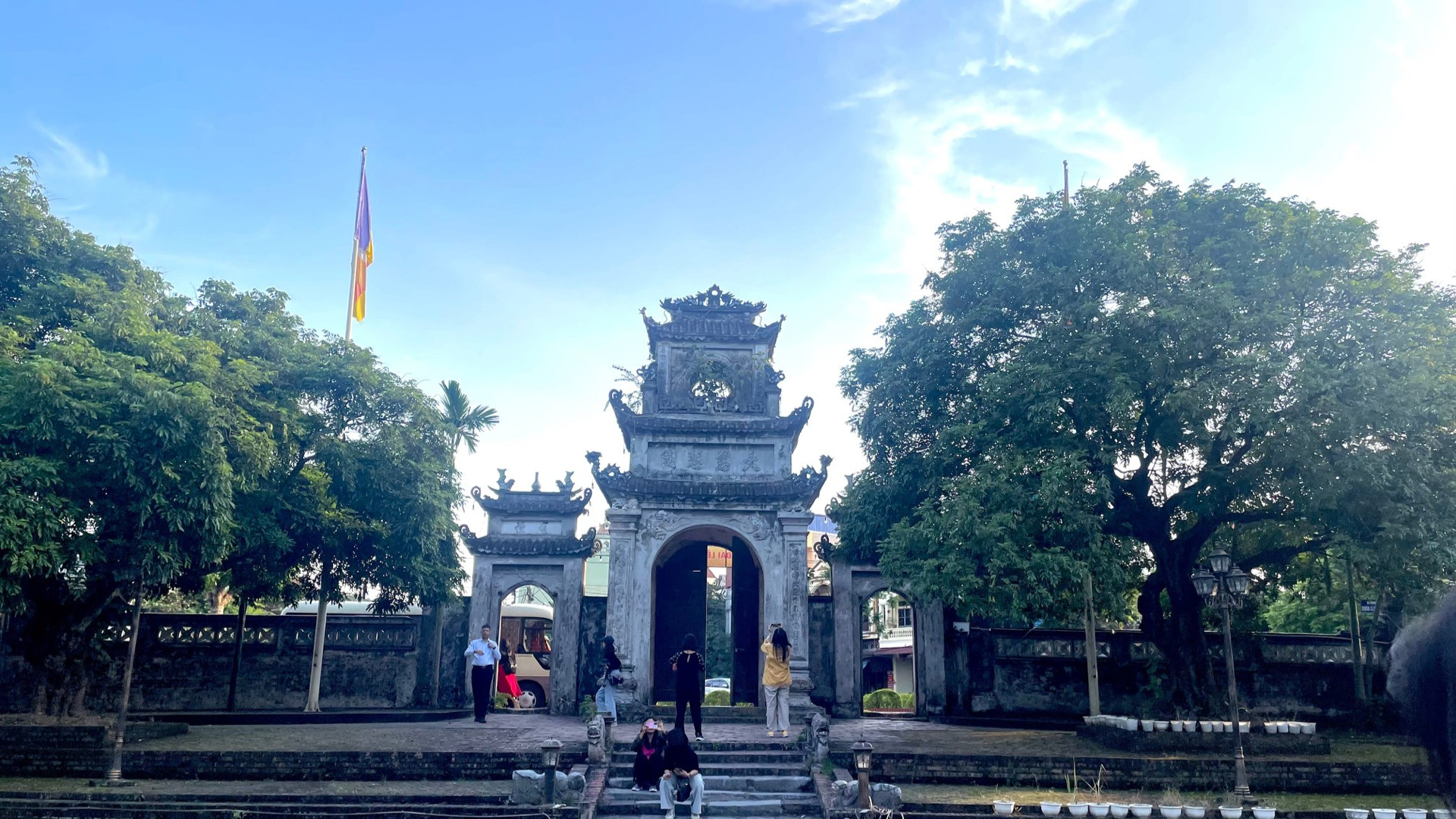
The triple-arched gate of Chuong Pagoda, viewed from the inside.
The temple was built early on, associated with the legend of a golden bell floating on a wooden raft in the turbulent waters. The villagers of Nhân Dục discovered it, helped pull the bell ashore, and contributed their labor and resources to build the temple to worship Buddha. The name Kim Chung Temple – Golden Bell Temple – originates from this legend and has been passed down to this day. It is also the oldest temple in the complex of historical relics in Phố Hiến.
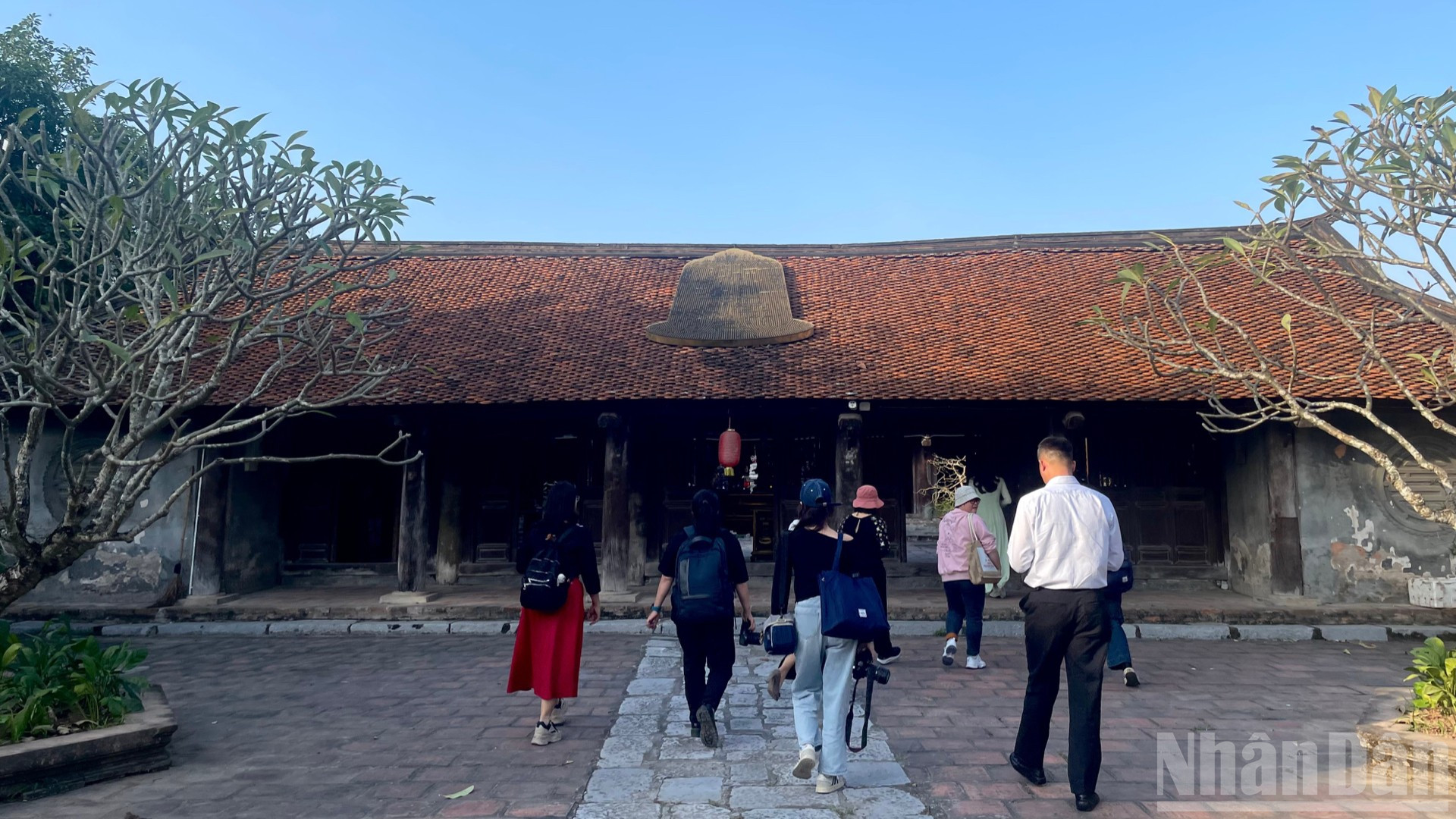
Tourists visit Chuong Pagoda.
Known as "Pho Hien's foremost scenic spot," Chuong Pagoda possesses exceptional historical value and preserves many precious relics such as the stone bridge and the stone incense burner. A prime example is the "Kim Chung Tu Thach Bi Ky" stele, erected in the year Tan Mao, the 7th year of the Vinh Thinh reign, during the reign of King Le Du Tong (1711). The stele is 172cm high and approximately 118cm wide.
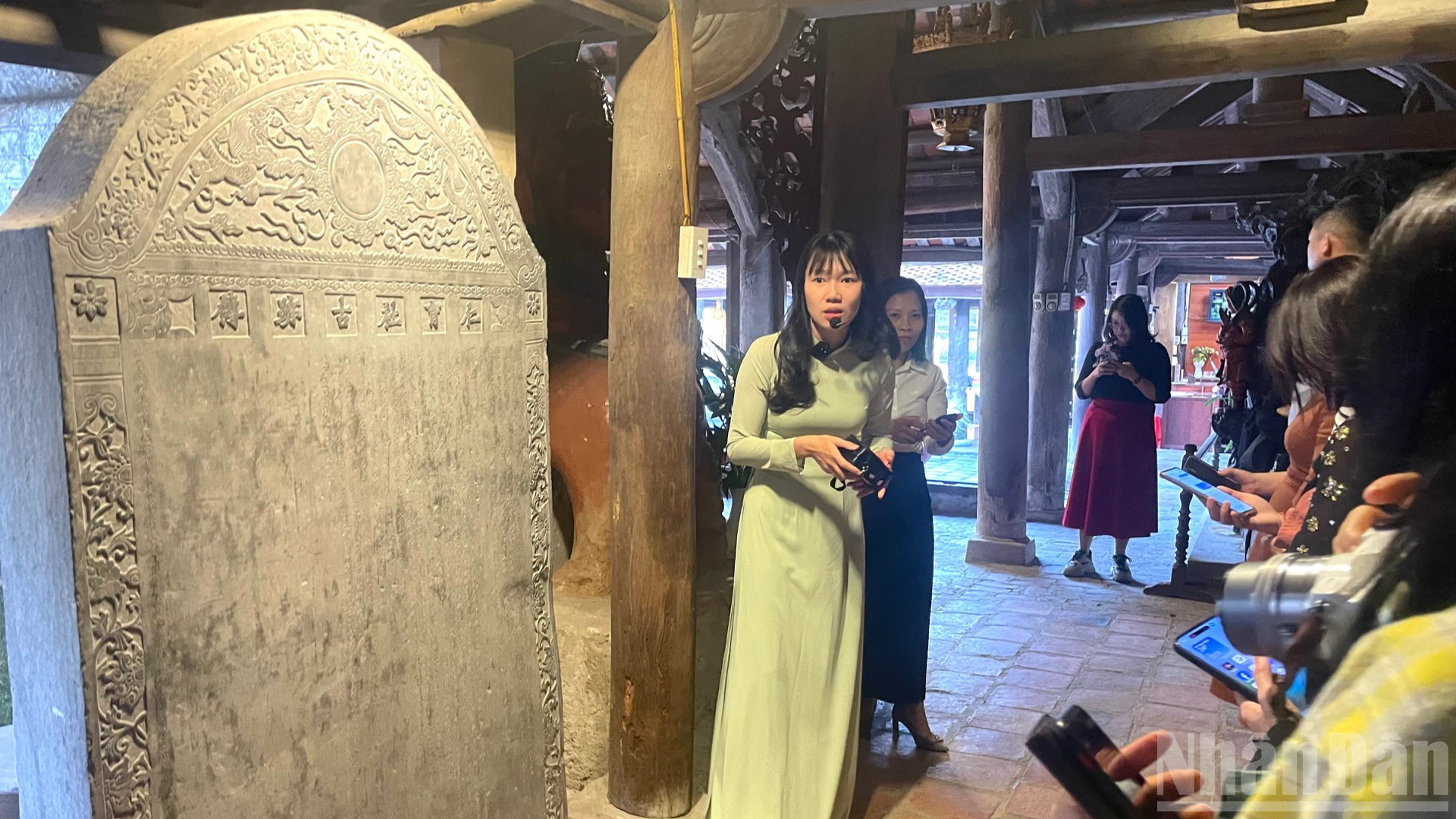
The inscription reads "Kim Chung Temple Stone Tablet".

The front of the stele is inscribed with the words "Kim Chung Temple Stone Stele Inscription"; the back, titled "Ancient Tales of Nhan Duc Commune," records the formation of Pho Hien during its prosperous period with more than 20 wards and towns. Below this title are eight parallel characters near the edge of the stele; on the left are four characters "Khai Thien Hoang De" (Emperor Khai Thien), and on the right are "Quoc Thai Tri An" (National Peace and Prosperity). Compared to other steles erected at the same time, only the stele at Chuong Temple has these eight parallel characters. Both sides are inscribed with more than 2,000 characters, mostly Chinese characters interspersed with Vietnamese Nôm characters.
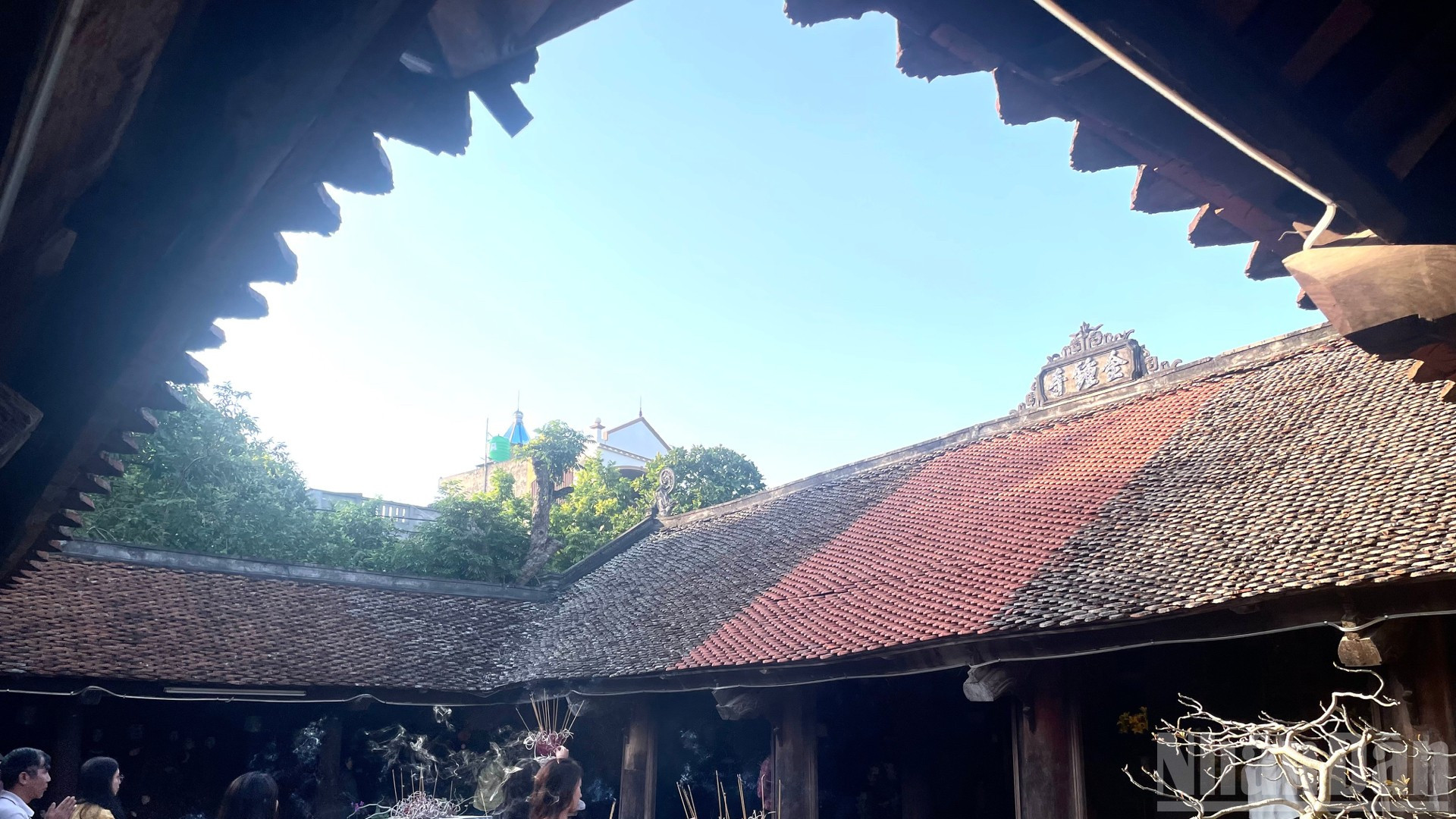
The interior architecture of Chuong Pagoda.
Contributing to the unique charm of the site is an ancient bronze bell, inscribed with the name "Kim Chung Temple Chronicle". In the past, Chuong Pagoda was a major religious and cultural center of the region, where merchants, officials, and people from all over came to pray for peace and blessings.
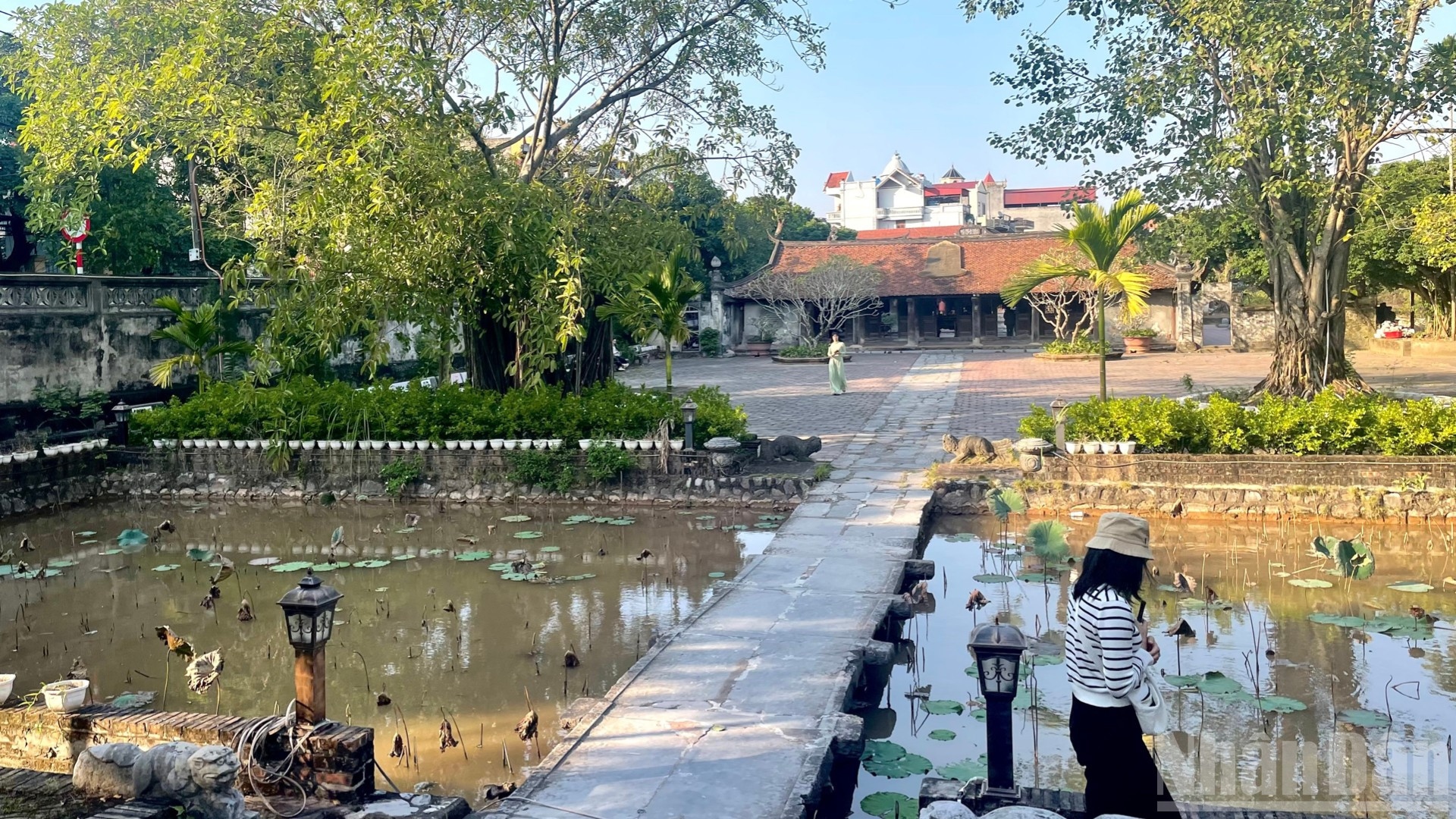
Stone bridge leads to the temple.
In addition, the temple is also famous for its elaborately crafted collection of Buddha statues. The set of statues of the Eighteen Arhats, the Ten-Faced Yama, the Four Guardian Deities, and the Eight Vajra Deities... contribute to the unique artistic and religious value of the site.
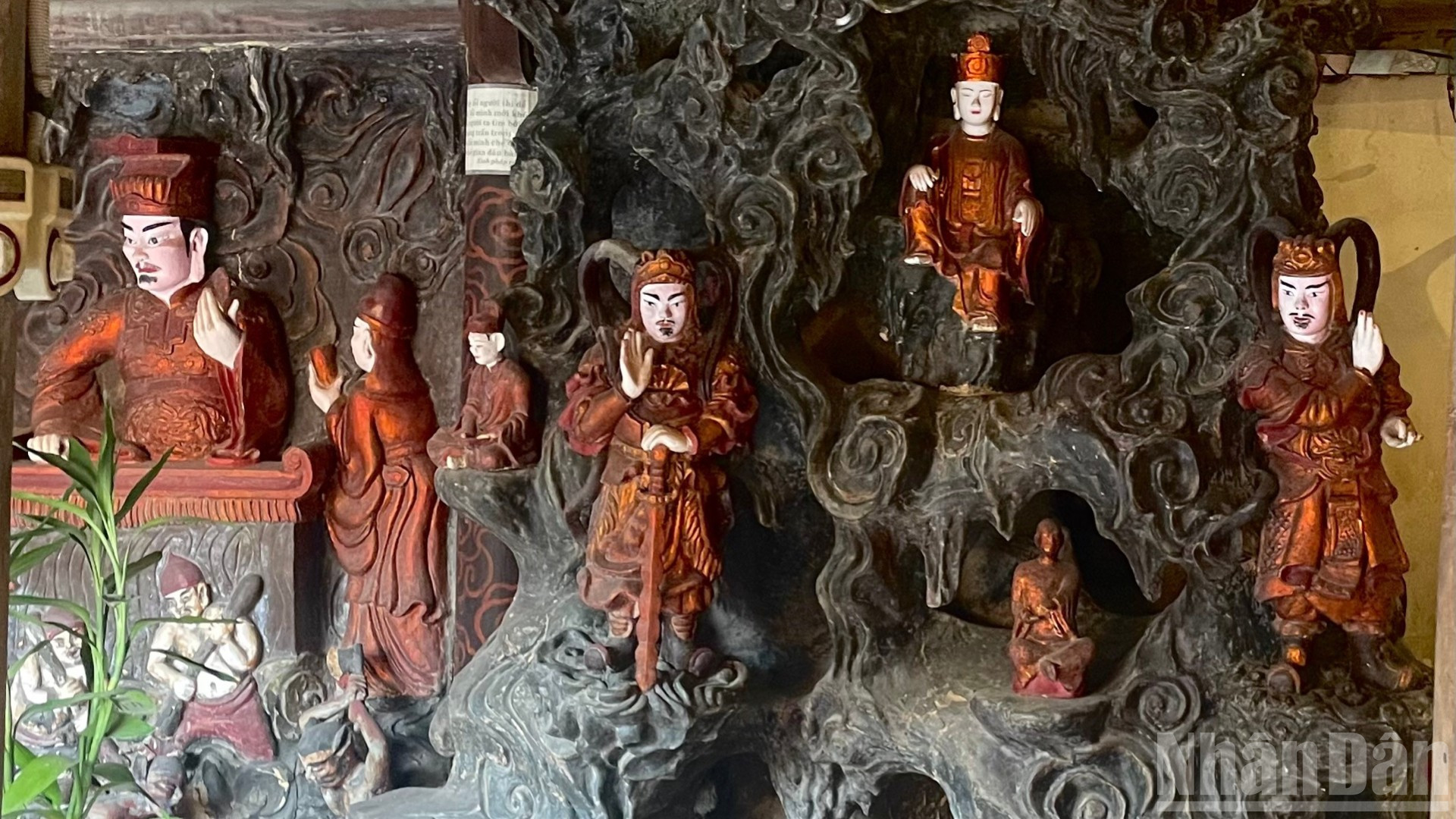
The system of statues in the temple.
According to Ms. Bui Thi Luong, Deputy Director of the Department of Culture, Sports and Tourism of Hung Yen province, the province currently has 3,716 historical sites, including 6 special national historical sites and 10 national treasures. Many typical destinations have become landmarks of local tourism, most notably Chuong Pagoda, Mau Temple, and Tran Temple within the Pho Hien special national historical site complex.



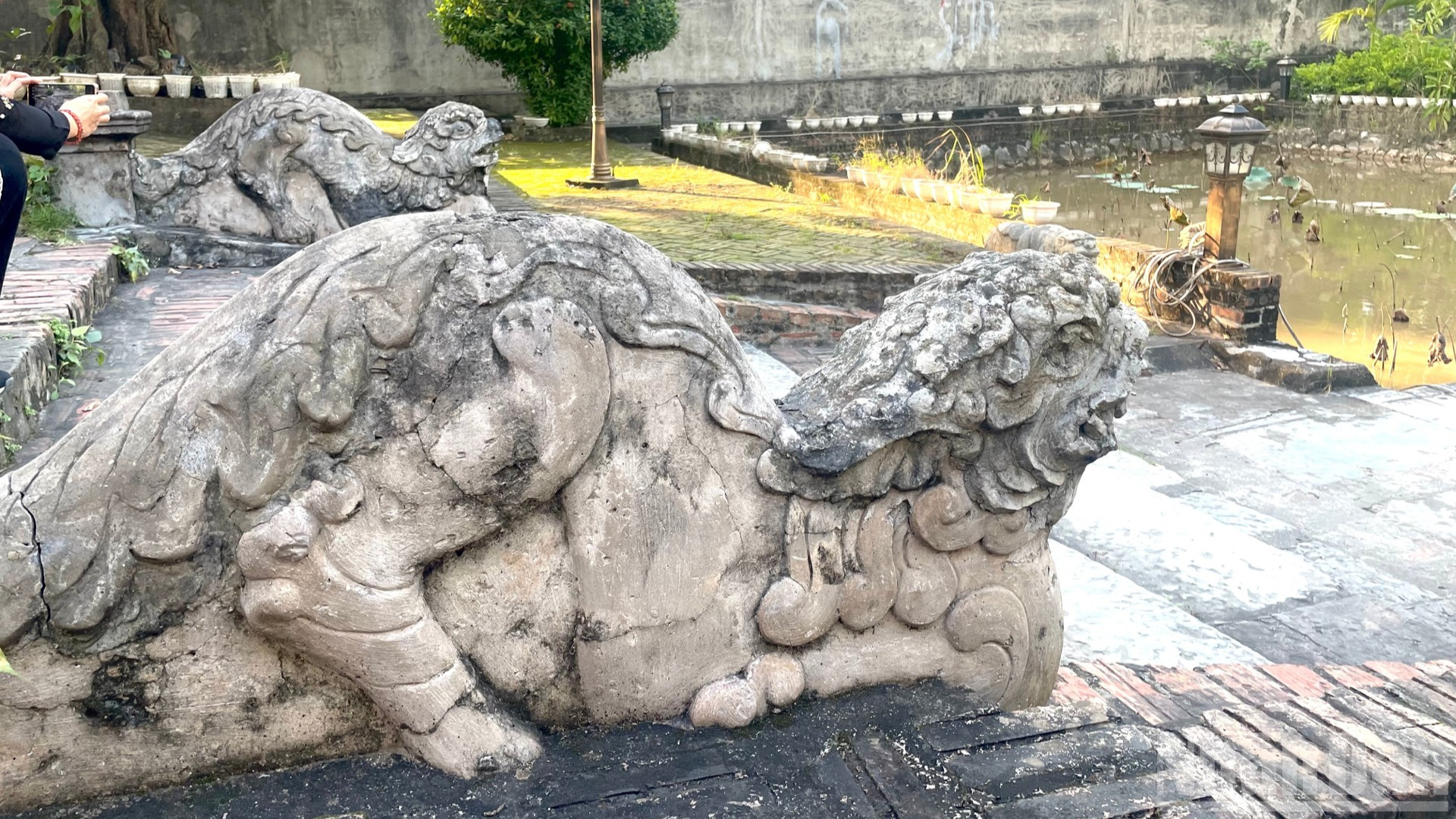
Stone lions in Chuong Pagoda.
Currently, Hung Yen province has completed the dossier on the Pho Hien stele documentary heritage to submit to UNESCO for consideration for inclusion in the Asia-Pacific Regional Documentary Heritage List. The province regularly strengthens state management to protect and promote the values of cultural heritage. In the future, the province will focus on promoting the exploitation of cultural heritage values to serve the development of tourism , services, and the cultural industry.
Source: https://baoangiang.com.vn/kham-pha-pho-hien-de-nhat-danh-thang-chua-chuong-a469244.html
![[Photo] National Assembly Chairman Tran Thanh Man attends the Conference to announce the Master Plan for Hanoi Capital City with a 100-year vision.](https://vphoto.vietnam.vn/thumb/1200x675/vietnam/resource/IMAGE/2026/06/29/1782709639728_ndo_br_1-jpg.webp)
![[Image] A look back at the capital's preparations for the century-long master plan.](https://vphoto.vietnam.vn/thumb/1200x675/vietnam/resource/IMAGE/2026/06/29/1782750453122_quy-hoach-100-nam-minh-duy-1-2118-jpg.webp)
![[Photo] General Secretary and President To Lam works with the Party Committee of the Government on the work of preventing and combating storms, floods, extreme natural disasters and climate change.](https://vphoto.vietnam.vn/thumb/1200x675/vietnam/resource/IMAGE/2026/06/29/1782729441945_a1-bnd-0385-9454-jpg.webp)

































![[Image] Building an elevated road through the Ma Da forest.](https://vphoto.vietnam.vn/thumb/402x226/vietnam/resource/IMAGE/2026/06/29/1782724737750_anh-man-hinh-2026-06-29-luc-16-18-43.png)