

.jpg)
DEPUTY MINISTER OF AGRICULTURE AND ENVIRONMENT VO VAN HUNG:
Identifying the current situation and promoting development.
In order to support traditional crafts, craft villages, and traditional craft villages nationwide in general, and in Da Nang city in particular, and to meet the requirements of sustainable development, digital transformation, and increasingly deep integration, the Ministry of Agriculture and Environment will propose to the Government to direct the Ministry to take the lead in drafting a Decree amending and supplementing Decree No. 52/2018/ND-CP on the development of rural industries, with a focus on the orientation of being "greener - more digital - reaching further".
Simultaneously, revise and upgrade the program for preserving and developing traditional craft villages for the period 2026-2035, integrating it with the OCOP program, digital transformation, rural tourism, vocational training, market development, branding, and honoring and recognizing local artisans.
The Ministry of Agriculture and Environment will also propose to the Government to increase budget allocation and mobilize social resources for investment in the development of infrastructure for craft villages, design and innovation centers, environmental treatment, and the digitization of craft village data, as well as the construction of digital maps of craft villages.
This allows for the creation of a national digital database on traditional crafts, craft villages, and traditional craft villages, with geographical coding, classification of occupations, national identification of craft households and related craft village entities, and integration with rural new-style construction planning maps.
Integrating conservation, sustainable development, upgrading traditional craft villages, preserving local culture, promoting craft village tourism, and enhancing living spaces through craft village development is a key focus in national target programs.
In the policy-making process, the Ministry of Agriculture and Environment strengthens coordination with relevant ministries and sectors, especially in the fields of science and technology, natural resources and environment, industry and trade, culture and tourism, labor and vocational training, finance and banking, to ensure consistency and effectiveness in implementation.
Simultaneously, support the review and updating of the list of traditional crafts, develop national vocational skill standards for some specific industries; propose programs for trade promotion, branding, and international intellectual property protection for craft village products.
Local authorities need to proactively develop and integrate programs for the preservation and development of traditional craft villages into their socio-economic development plans and new rural construction plans for the period 2026-2030.
Emphasis should be placed on supporting training, skills transfer, technology transfer, environmental management, and the development of OCOP products linked to cultural identity, prioritizing unique craft villages with the potential for value chain linkages, tourism development, and export.
To preserve traditional crafts and promote the development of craft villages, honoring and celebrating artisans is an important solution that localities need to implement regularly.

MS. NGUYEN THI HOANG YEN, DEPUTY DIRECTOR OF THE DEPARTMENT OF ECONOMIC COOPERATION AND RURAL DEVELOPMENT (MINISTRY OF AGRICULTURE AND ENVIRONMENT):
Appropriate application of science and technology is needed.
The application of science, technology, and engineering to production activities in craft villages has seen some progress in recent years, but it remains modest and uneven across regions and industries.
The reasons stem from a lack of policies to encourage and support investment in technological innovation specific to craft villages. There is also a lack of shared technical infrastructure (design centers, testing centers, processing centers, raw material processing centers, traceability systems, etc.) to support small-scale businesses and individual producers.
The lack of specialized technical and technological training programs for artisans and skilled craftsmen leads to backwardness, slow product innovation in design and quality, and a failure to adapt to the digital market. The application of digital technologies such as 3D design, process simulation, e-commerce, QR codes, etc., is still very limited, mainly due to a lack of capacity and training support.
Therefore, it is essential to supplement policies supporting technological innovation and the application of science and technology to rural industries, linked with preferential financial mechanisms, green credit, and partial support for equipment investment costs for craft village establishments.
It is necessary to establish regional-level innovation and design centers for traditional crafts to support product design, the application of 3D technology, AI, virtual reality, testing of new materials, packaging, QR code traceability, and the development of digital product data.
Promote linkages between universities and vocational education institutions with traditional craft villages; implement technological solutions that are integrated with practical production and local cultural traditions.
Incorporate digital skills training, advanced production techniques, and process simulations into training programs for artisans and craft village workers, providing simulated learning materials and on-site practical exercises.
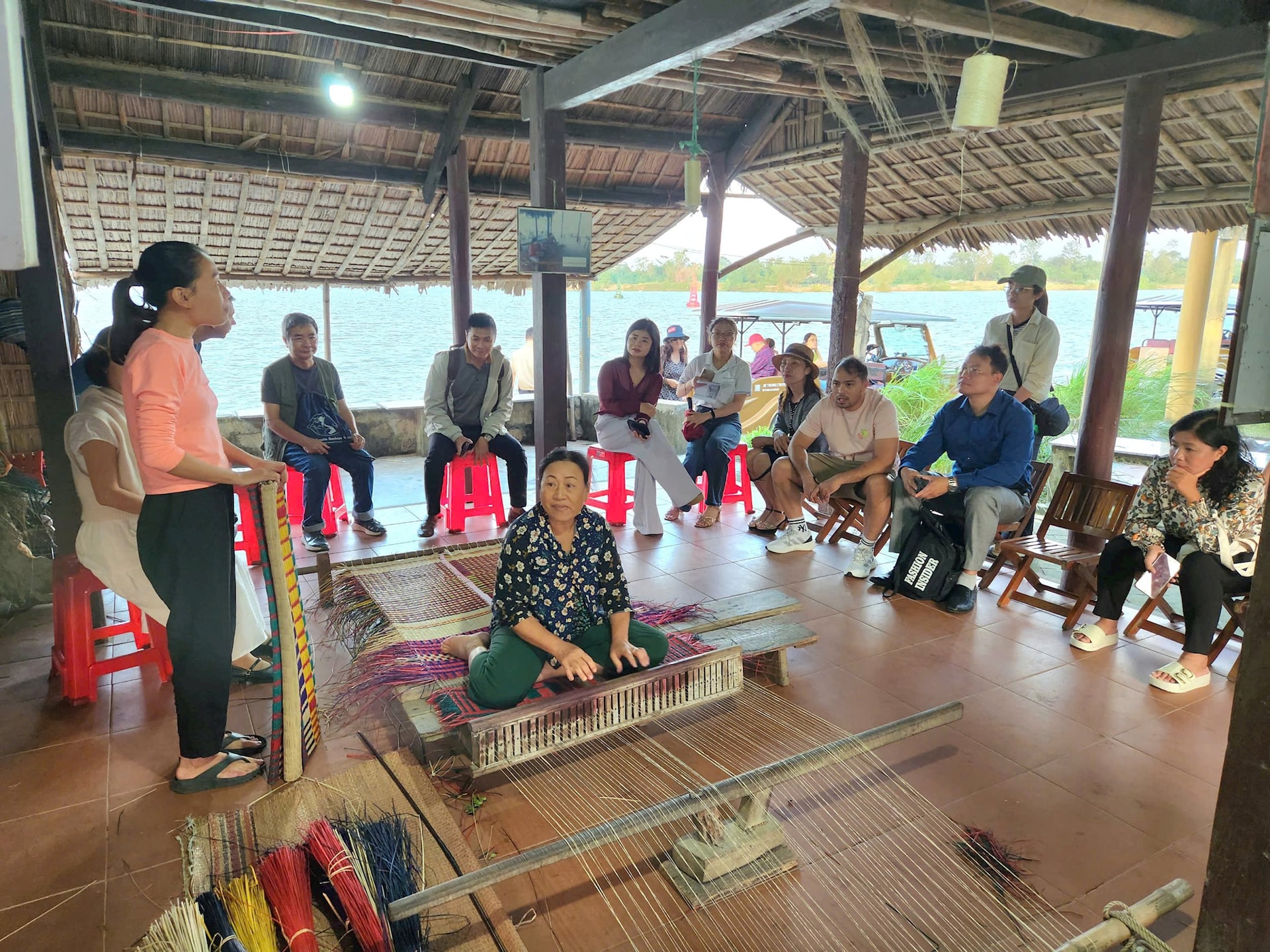
MR. TRINH QUOC DAT, CHAIRMAN OF THE VIETNAMESE CRAFT VILLAGE ASSOCIATION:
Strong links for the sustainability of traditional craft villages.
The current state of production linkages in craft villages is still limited. Linkages between individual producers in craft villages are spontaneous, lack coordination, and are unsustainable.
Production facilities in craft villages often operate independently, with little sharing of resources, information, or cooperation in production and product distribution. Vertical integration (from production to consumption) is not strong, leading to high costs, low efficiency, and vulnerability to price manipulation by traders.
Few leading enterprises or cooperatives act as central hubs to link small-scale producers in order to organize production along the value chain, control quality, and standardize product quality.
Many small-scale production facilities are not fully aware of the importance of linkages; they lack knowledge of supply chain management, specialized division of labor, etc., leading to overlapping responsibilities and inefficiency.
Many craft villages lack concentrated land and have weak infrastructure (electricity, water, transportation). Outdated technology makes it difficult to standardize products and create value chains.
Traditional craft villages lack stable distribution channels, a common brand, or a trading platform for their products. Their products are individual, inconsistent in design and quality, and difficult to expand into partnerships with larger manufacturers.
For sustainable development, traditional craft villages need solutions for organizing production linkages.
Firstly, it is necessary to build a multi-dimensional production linkage model, including horizontal linkages—links between households and businesses in the same industry—to create collective strength and share raw materials, technology, and equipment.
Vertical integration refers to the connection between raw material producers, processing businesses, distributors, and tourism businesses to form a closed value chain.
Regional linkage involves connecting several neighboring craft villages with complementary products, forming craft village clusters to increase competitiveness.
It is necessary to establish and promote the role of representative organizations. Establish craft village cooperatives or grassroots craft village associations to standardize quality standards, designs, and common branding.
Through this, the organization provides training in management, marketing, and e-commerce for its members, and acts as a liaison for negotiating major contracts and connecting domestic and international markets.
It is necessary to preserve and disseminate cultural values in production within craft villages. Accordingly, traditional cultural elements (patterns, materials, historical stories) should be integrated into product design.
Document and digitize knowledge and crafting techniques to pass on to younger generations. Invite elderly artisans to participate in training and guiding new apprentices.
We need to apply technology but without losing our cultural identity . We should use technology to process raw materials, ensure safety, and increase productivity.
Preserving the essence of traditional craftsmanship is crucial for showcasing technical skill and cultural identity. Utilizing digital platforms to introduce products and tell the story of traditional crafts through videos, 3D images, and virtual reality (VR) is also important.
It is crucial to link traditional craft villages with community tourism development. Combining craft village tourism with experiential tourism, visitors can participate in making products and listen to stories about the history of the craft village.
Develop integrated tours linking multiple cultural, ecological, and traditional craft village destinations. Revenue from tourism will be reinvested in the preservation and development of traditional craft villages.
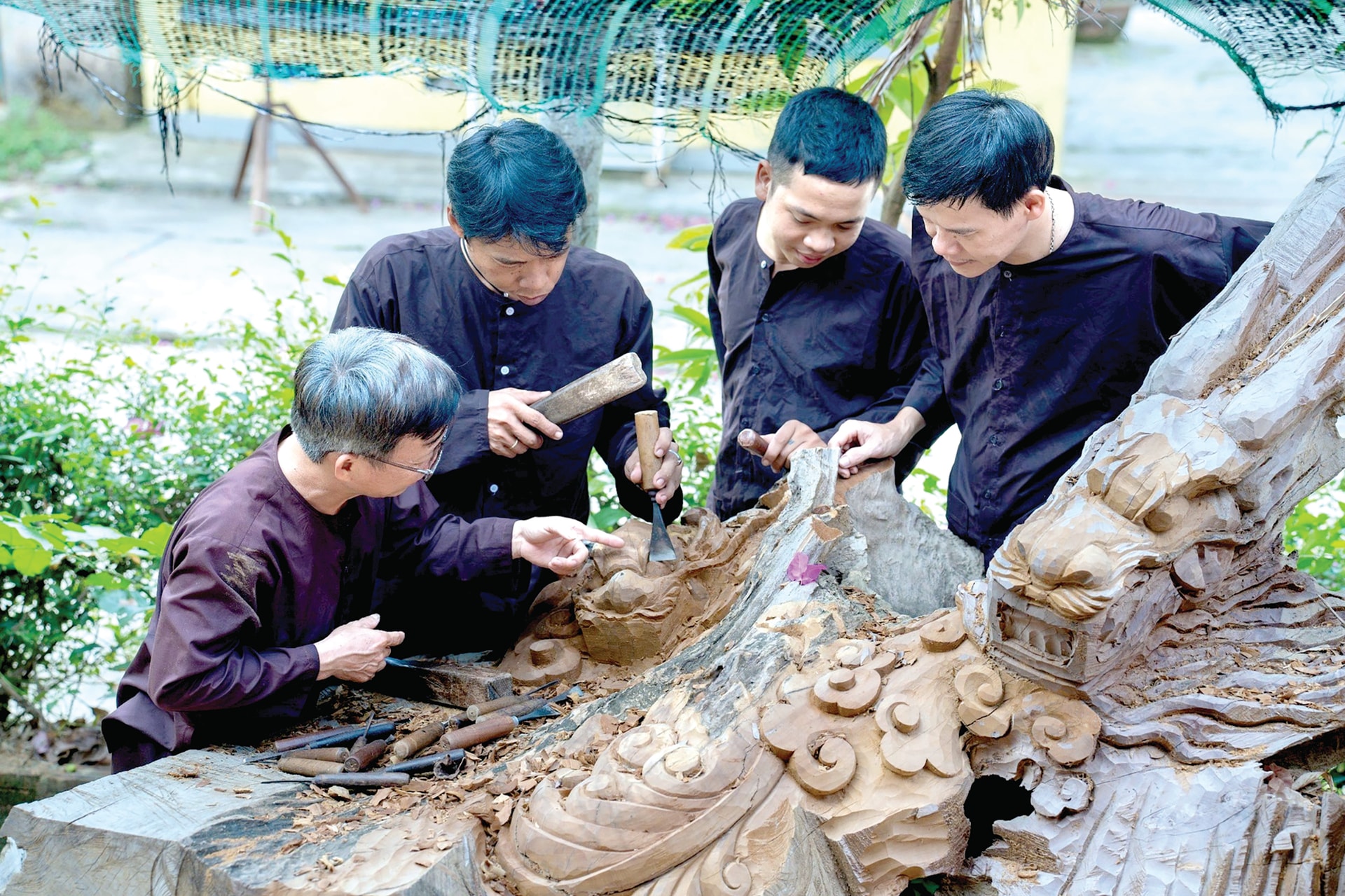
Vice Chairman of the People's Committee of Da Nang City, Tran Nam Hung:
Affirming our values and promoting our image to the international community.
Traditional crafts and rural industries will forever remain the "soul" of the rural economy, creating jobs and increasing income for millions of workers, while preserving and spreading cultural values and national identity.
In Da Nang city, the policies of the Government and the Prime Minister have been implemented, many industries and traditional craft villages have been revived; handicraft products are becoming increasingly diverse, affirming the strong creativity of the artisans.
The city's handicraft products have established their position and brand in both domestic and international markets. Many models linking handicraft production with tourism have been formed and developed, contributing to rural economic development and the construction of new rural areas.
Da Nang is the economic, social, cultural, and tourism center of Central Vietnam. The locality has enormous potential for developing industries and rural crafts.
Notable craft villages include Non Nuoc stone carving village, Phuoc Kieu bronze casting village, Thanh Ha pottery village, Tra Que vegetable village, Kim Bong carpentry village, and Cam Thanh bamboo and coconut craft village…
Traditional craft villages not only provide livelihoods for the people but also create a distinctive "cultural brand" for the city, attracting domestic and international tourists to visit, explore, and experience.
In the context of deep international integration, Da Nang's industries and craft villages face both opportunities and challenges. Therefore, we need to identify opportunities early and accurately assess difficulties in order to develop solutions that promote sustainable development.
It is important to affirm that traditional craft villages and industries are not only important economic resources but also part of intangible cultural heritage, playing a bridging role in exchange, cooperation, and promoting the image of Vietnam to the international community.
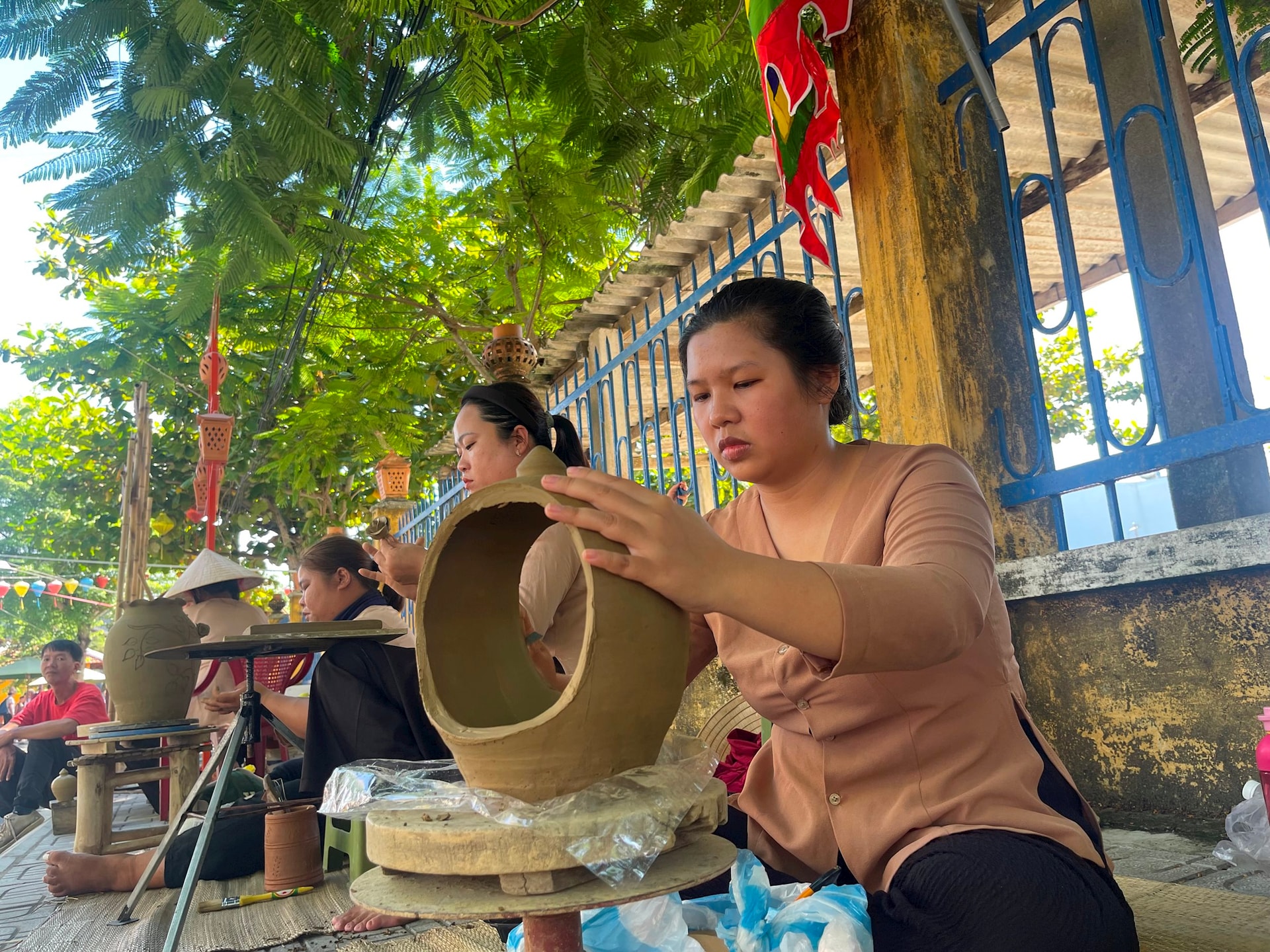
MR. NGUYEN MINH TIEN, DIRECTOR OF THE TRADE PROMOTION CENTER (MINISTRY OF AGRICULTURE AND ENVIRONMENT):
Providing extensive trade promotion support in the digital age.
Da Nang's handicraft industry still has ample room for development. The key is a professional, long-term trade promotion strategy; a flexible combination of direct and online methods; and thorough preparation from product selection and communication messaging to communication and negotiation skills with international partners.
To achieve success, the government needs to support handicraft production facilities in participating in international e-commerce platforms such as Amazon, Alibaba, and Etsy. Building a "national storefront" for handicraft products on these platforms is a strategic step to create a common brand, increase customer trust, and open up opportunities to directly reach millions of global consumers.
Develop digital exhibitions and virtual trade fairs using 3D, AR, and VR technologies to recreate the atmosphere of traditional craft villages, introduce products realistically and vividly, and help international customers experience products remotely.
In today's digital age, implementing marketing activities through social media, livestreaming, KOLs (Key Opinion Leaders), and technologies such as artificial intelligence (AI) to personalize promotion for each customer group will help handicraft products increase their reach and create a strong impact, especially among young customers and those with new consumption trends.
Furthermore, enhancing transparency and origin certification through Blockchain and QR code technology is crucial. This is an important tool for demonstrating sustainability, meeting the stringent requirements of import markets, and contributing to brand positioning in a green and sustainable direction.
Other important issues to note include training digital commerce personnel in conjunction with building customer data systems and applying Big Data to analyze consumer behavior and market trends.
Alongside digital technology, it is still necessary to maintain and enhance the effectiveness of traditional trade promotion channels such as international trade fairs and exhibitions, and Vietnamese product weeks abroad.
Direct trade networking activities need to be organized more systematically, especially in key markets such as Europe, the US, and Japan.
Enhancing the capabilities of artisans through training and education in international marketing will create a solid foundation for long-term development.
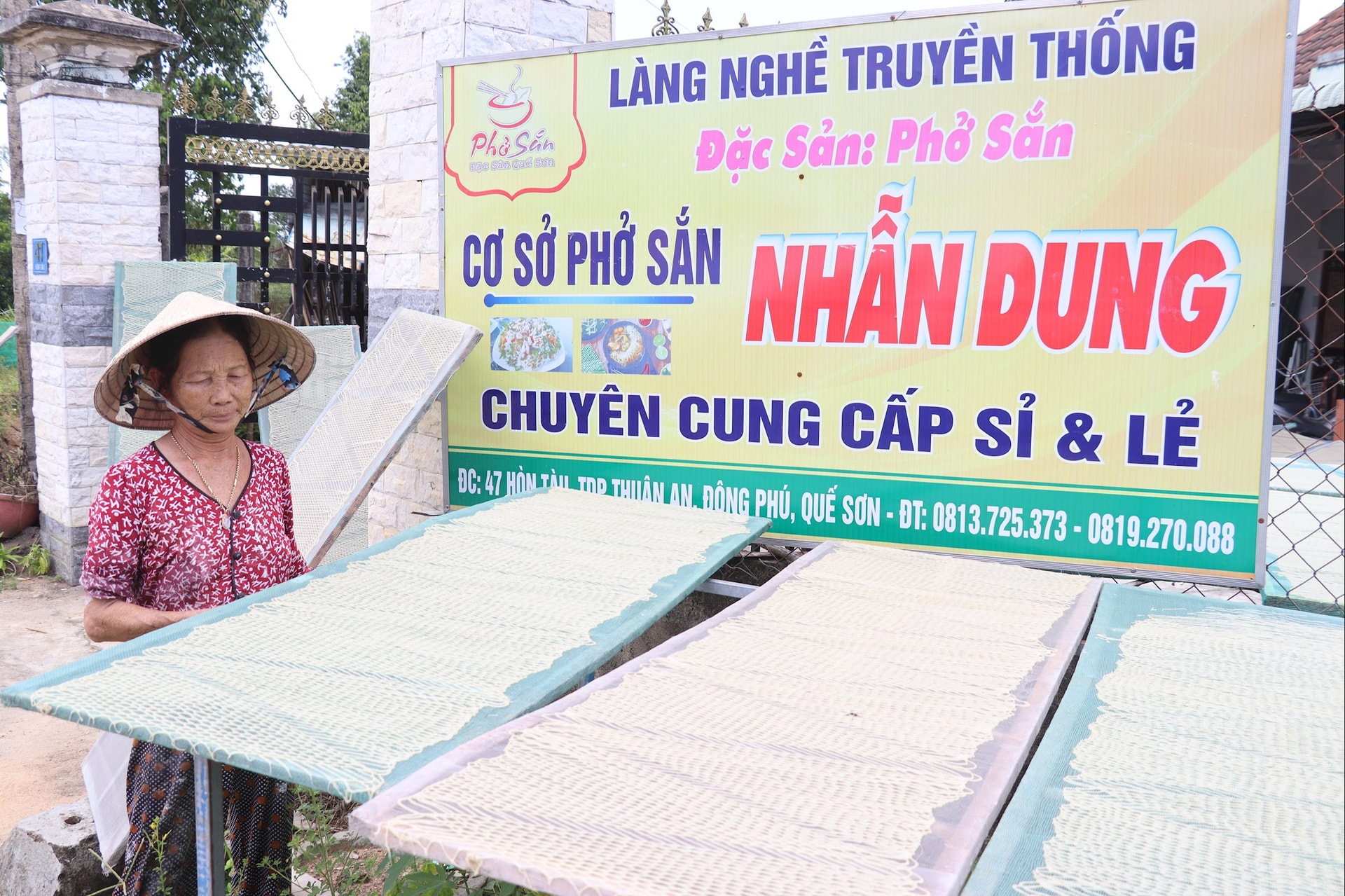
Assoc. Prof. Dr. Dang Mai Anh, former Vice Rector of the University of Industrial Fine Arts (Hanoi):
Innovating training and skills transfer to adapt to trends.
Handicrafts are the culmination of the skillful hands, creative minds of artisans, and embody national cultural, artistic, intellectual, and economic values. Traditional craft villages, with their handcrafted products, contribute to rural economic development and need to be preserved and developed in the current trend of international integration. Da Nang City needs to focus on preserving these crafts through training and skill transfer.
Traditional craft transmission in villages still follows the method of passing on knowledge and experience from one generation to the next. However, it requires an approach that incorporates new aspects of technology, production thinking, craftsmanship, market, and raw materials.
Many traditional craft villages are lacking a new generation of artisans, requiring a highly skilled workforce to meet societal demands. Traditional methods of vocational training have limitations, such as incomplete and unsystematic knowledge; outdated practices that are no longer adapted to scientific advancements; a lack of knowledge connecting domestic and international markets; and a failure to establish business networks.
Given this situation, current training and teaching methods need to be appropriate to be effective in preserving and developing traditional crafts. In the digital age, it is necessary to apply artificial intelligence in vocational training, while promoting the unique characteristics and strengths of handicrafts, creating momentum for sustainable development.
Training, retraining, and advanced vocational skills are essential. Improving and enhancing information technology application skills for workers in craft villages is also crucial, especially in management, production, design, promotion, and information exchange.
Training and passing on skills are essential for the continued survival of traditional crafts and for enriching the cultural, artistic, and commercial values of craft villages. The method of collaborative training and professional development is considered appropriate for creating generations of artisans who possess both high-level skills and an aesthetic sense that aligns with contemporary societal tastes.
It is necessary to encourage linkages between training institutions, businesses, and associations to develop human resources for craft villages. With an academic, scientific and aesthetic mindset, art schools will impart knowledge and help students perfect their understanding of beauty. For example, handicraft products need to be harmonious and closely connected to a specific environment; the size, shape, style, and color of the products need to be appropriate for the specific space of the craft village.
Training, teaching, and innovation in the design of handicraft products are crucial steps for each traditional craft village in Da Nang to truly enhance its potential in both quality and quantity, achieve a worthy position in international markets, contribute to increasing economic resources, and help preserve, promote, and publicize cultural values.
Source: https://baodanang.vn/khang-dinh-thuong-hieu-van-hoa-lang-nghe-3305102.html


![[Photo] General Secretary and President To Lam meets with National Assembly delegates from ethnic minorities.](https://vphoto.vietnam.vn/thumb/1200x675/vietnam/resource/IMAGE/2026/04/20/1776696701056_a1-bnd-8331-3342-jpg.webp)

![[Image] National Assembly discusses the implementation of the socio-economic development plan.](https://vphoto.vietnam.vn/thumb/1200x675/vietnam/resource/IMAGE/2026/04/20/1776696707422_ndo_br_img-20260420-185419-jpg.webp)





























































































Comment (0)