Positive signs
Recently, Vietnamese literature has shown positive signs on the international publishing map. Although still modest compared to its potential, contemporary works translated and published in the UK, the US, China, Japan , and other countries, and even receiving prestigious awards, demonstrate the vitality of a literature rich in national identity and possessing universal humanistic values.
In early April 2026, CHI Cultural JSC - Chibooks Publishing House was pleased to announce on its official channels that it had successfully sold the Chinese translation rights to the novel "The Diverted World" by writer Trinh Bich Ngan to the Chinese publishing market. The Chinese edition is expected to be published in late 2026 or early 2027. The book was translated by PhD candidate in literature Xu Yangsha (a Chinese national), who has extensive experience in literary translation. "The Diverted World" was previously reprinted six times by the Vietnam Writers Association Publishing House (awarded by the Vietnam Writers Association in 2010) and won second prize in the first five-year Ho Chi Minh City Literature and Arts Award (2011-2016).
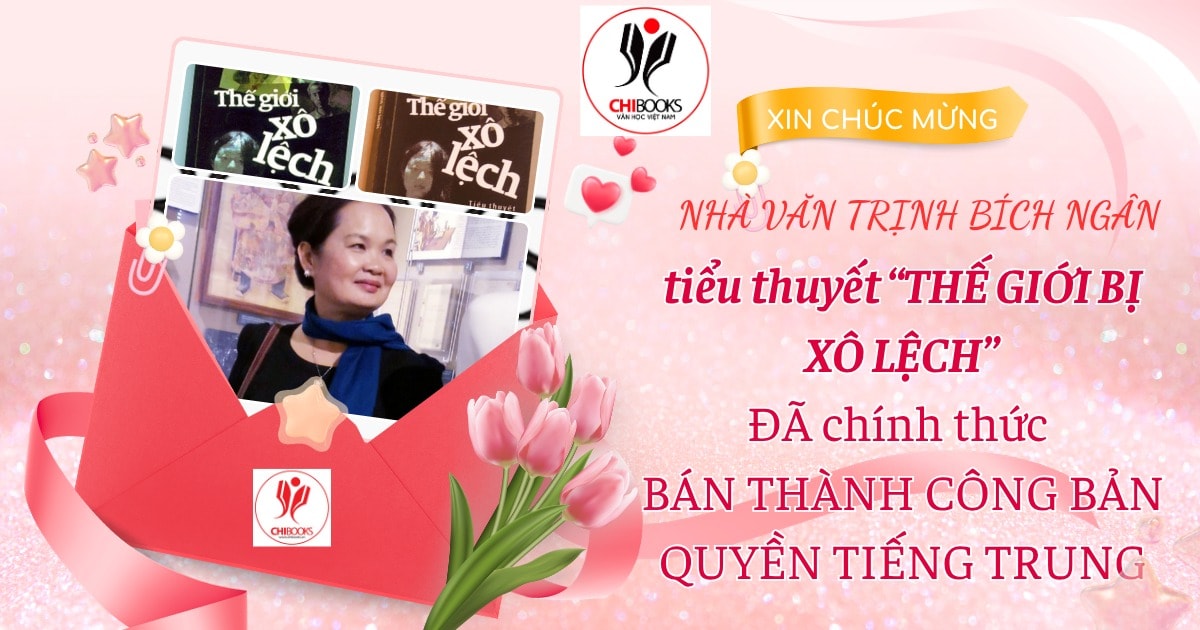
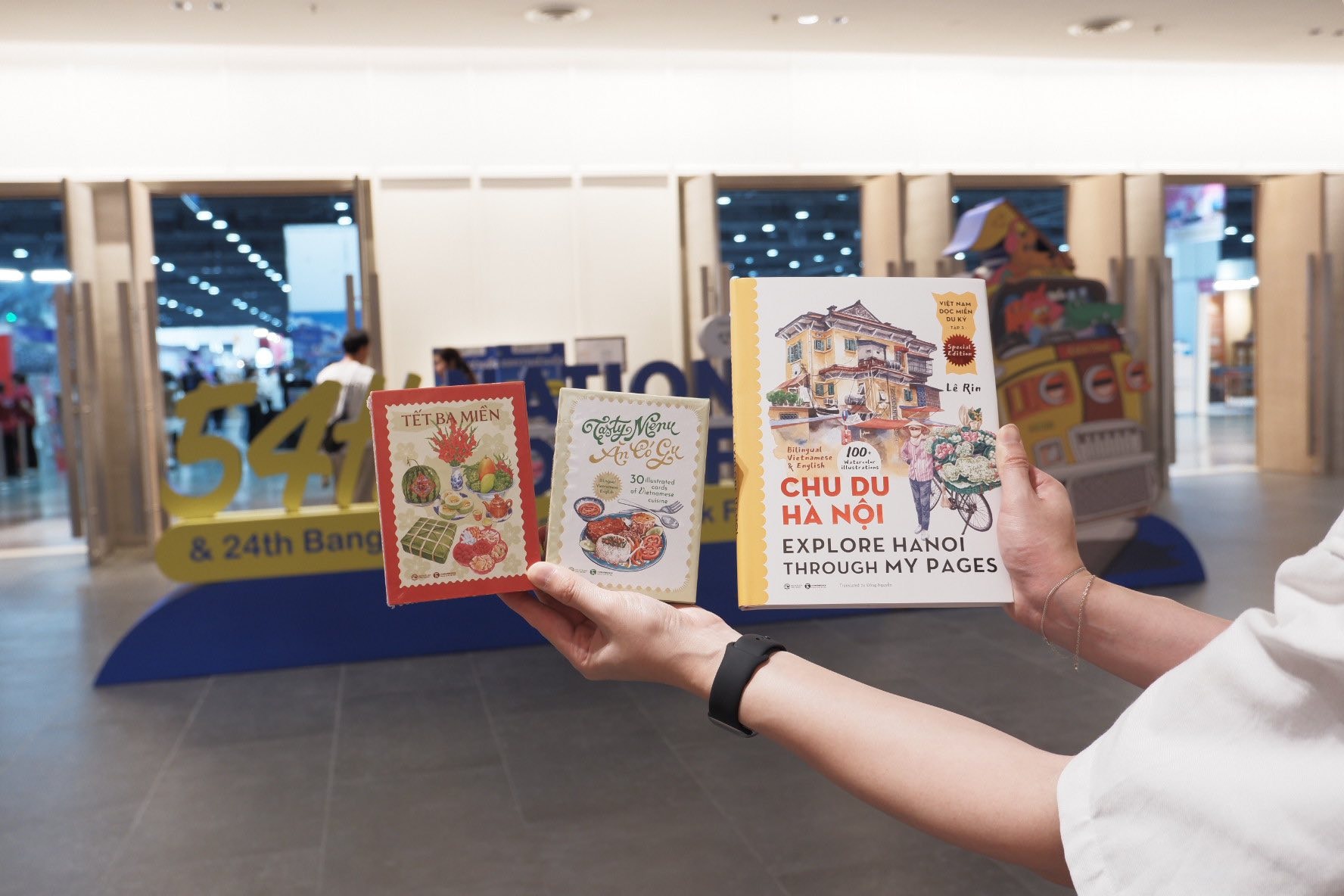
CHI Cultural JSC - Chibooks is a pioneer in bringing Vietnamese books and literature to the world, especially the Chinese market, through the sale of copyrights, translation, and participation in major international book fairs. Previously, in June 2025, within the framework of the 31st Beijing International Book Fair, this publisher officially signed a cooperation agreement with the Chinese publishing representative, Lijiang Publishing House (Guangxi Province), in the "Southeast Asian Literature Translation" project.
When discussing Vietnamese books in the world literary scene, it's impossible not to mention the milestone of July 18, 2024, when the English PEN announced 16 winning works in the "PEN Translates" competition. Among them were two titles translated from Vietnamese: "Elevator in Saigon" by Thuan and "Water: A Chronicle" by Nguyen Ngoc Tu, both translated by Nguyen An Ly.
Translator Nguyen An Ly is a well-known name in the literary world. In 2023, she was honored at the National Prose Translation Award of the American Literary Translators Association for her debut Vietnamese-to-English translation of Thuan's "Chinatown." This translation subsequently earned her the British Authors Association's First English Translation Award.
When mentioning authors whose works have been translated into foreign languages, we immediately think of prominent names such as To Hoai, Nguyen Huy Thiep, Nguyen Ngoc Tu, Nguyen Binh Phuong, Vu The Long, Vu Dinh Giang… These authors have laid important foundations, changing the world's perception of contemporary Vietnamese literature – a literature rich in historical experience and full of humanistic reflections.

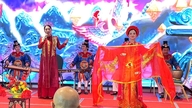

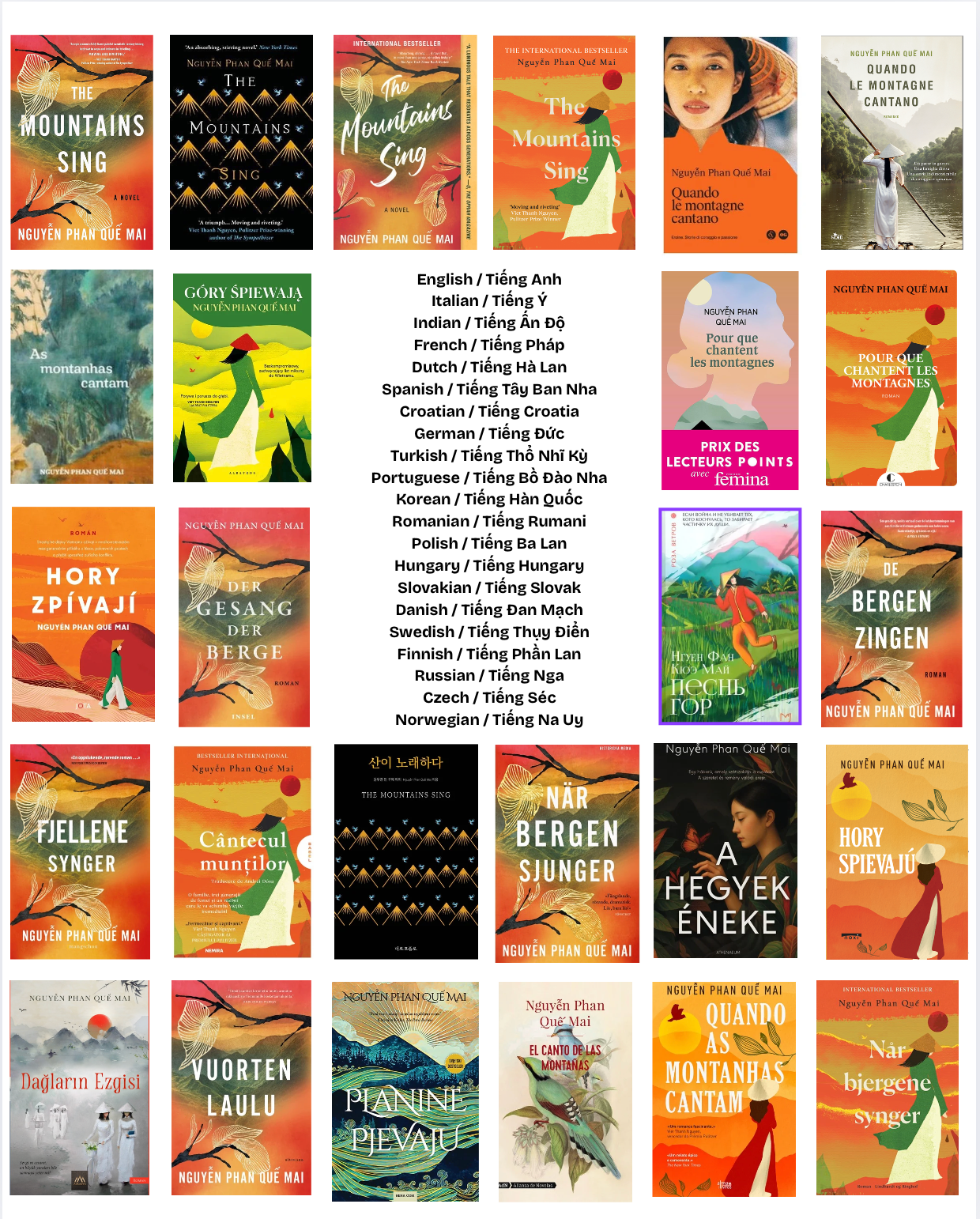
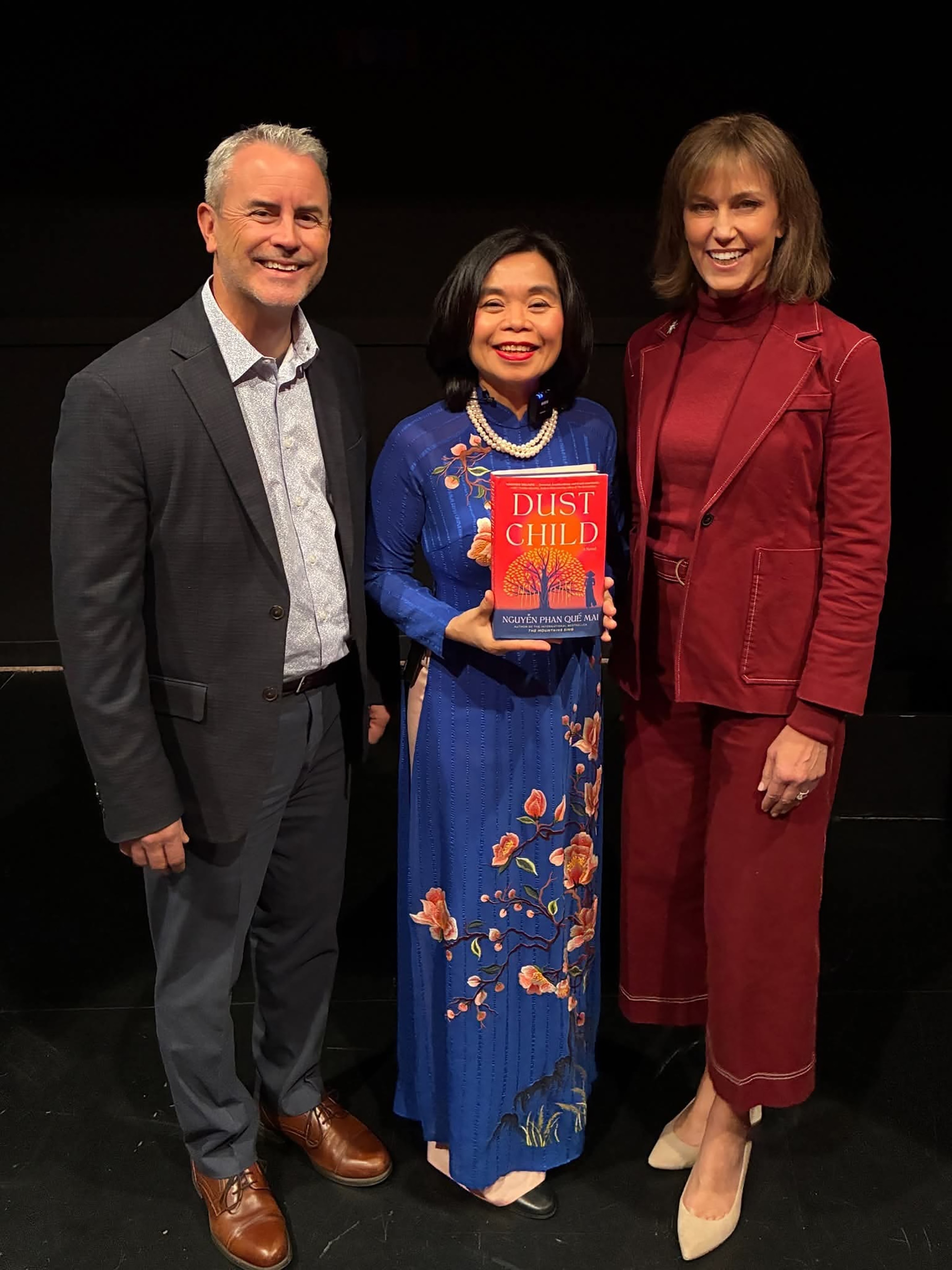
Continuing that tradition, the emergence of Nguyen Phan Que Mai with works written in English such as "The Mountains Sing" and "Dust Child" created a real impact. The book has been translated into 25 languages, receiving not only enthusiastic reception from readers in many demanding markets but also high praise from international literary critics.
The fact that these works have a firm place on bookshelves in many countries is not only an affirmation of the quality of their content, but also proof that if we know how to professionally "package" and strategize cultural values, the global market is always ready to welcome Vietnamese stories.
Lack of professionalism
Assessing the advantages and obstacles of Vietnamese literature when entering the world, writer Nguyen Phan Que Mai expressed: “In my opinion, the Vietnamese way of storytelling is very unique. We are lovers of poetry, so our literary works are rich in imagery and rhythm. The biggest obstacle is preserving the Vietnamese spirit in the works. Another obstacle is finding a good publisher with a wide distribution network.”
Sharing the same view, Mr. Nguyen Canh Binh - Chairman of the Board of Directors of Alpha Books and Omega Vietnam, said: “The first difficulty is that we lack a sufficiently qualified team of translators. Translation is always difficult, and even with AI support today, it still cannot completely replace humans, but the low cost makes few people want to do it. Secondly, there is a lack of representatives/agents to introduce copyrights to international publishers, and a lack of long-term strategy.”
The lack of a high-quality, reputable, and professional copyright representation system, as discussed by Mr. Nguyen Canh Binh, is a reality that many authors and publishers have faced for years. Instead of having specialized copyright brokerage firms act as intermediaries, most publishers still manage international negotiations on their own. This creates a problem: editors – who are supposed to be highly skilled in content creation – are forced to take on the role of international sales representatives. The inevitable consequence is that book brochures often lack professionalism. In the world of high-speed copyright transactions, where each international editor spends only a few minutes skimming a work, a poorly crafted summary or vague author information will cause the "precious gem" of Vietnamese literature to be missed.
Furthermore, many publishing houses still maintain a mindset of producing books based on domestic tastes, without thorough research into the target market abroad. This leads to products becoming out of sync when brought to the "big ocean," failing to resonate with the universal emotions of global readers.
According to Dr. Nguyen Manh Hung, Chairman of the Board of Directors of ThaiHaBooks, bringing Vietnamese books to the world requires a "Think global from day one" mindset. Bookmaking is not just about printing and distribution, but a process of "creating global content." A successful export work must strike a perfect balance between unique national characteristics and the spirit of the times. This includes themes of human values, suffering, or pressing global issues such as the environment, equality, and loneliness in the digital age.



On the other hand, Dr. Nguyen Manh Hung emphasized that bringing books to the world cannot be the sole effort of a single enterprise, but requires a national ecosystem with synchronized policies and actions. According to him, there are three pillars that the Vietnamese publishing industry needs to urgently implement. First, establishing a National Translation Support Fund, acting as a financial leverage to realize the goal of bringing classic and modern works to the world. Second, building a systematic national strategy with a 5-10 year vision, instead of the fragmented, piecemeal approach currently in place. Finally, human resource training. We need a new generation of translators, editors, and copyright representatives who understand international "rules of the game" and possess the necessary skills to negotiate on global copyright exchanges.
Bringing Vietnamese books to the world is a long journey, requiring perseverance and strategic thinking. When a Vietnamese book is read in many countries, it's not just a success in terms of economics or copyright, but a representation of Vietnamese culture, intellect, and spirit in the world's consciousness. To achieve this, the Vietnamese publishing industry needs to break free from its "home pond," boldly professionalize, and redefine its value in the digital age.
Source: https://baonghean.vn/khat-vong-dua-sach-viet-ra-the-gioi-10334365.html