

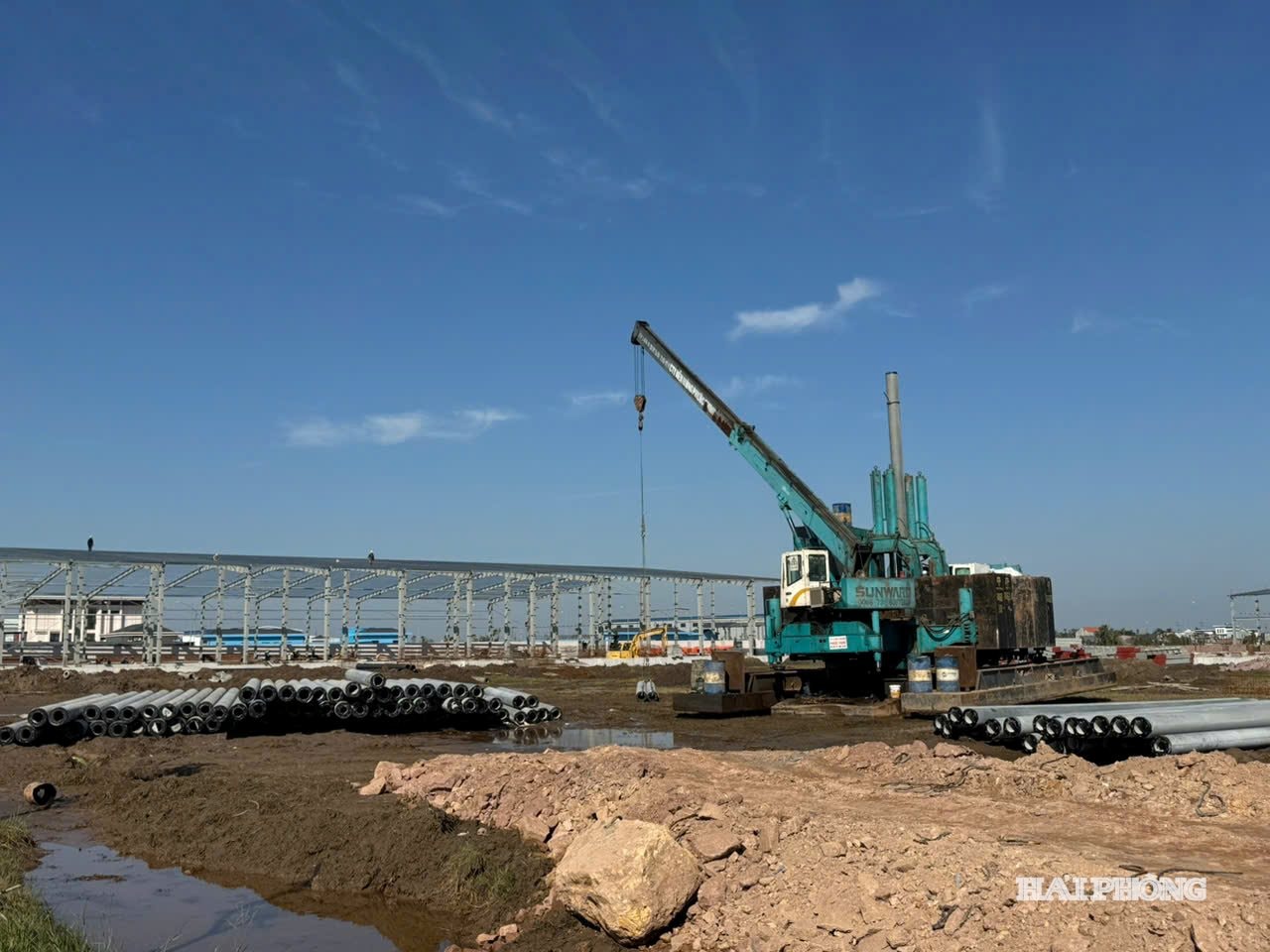
This is a great advantage for localities in realizing their development goals.
Increase proactiveness
From July 1st, 2025, the two-tiered local government model will come into operation, significantly expanding the scale, scope, and development potential of the commune level. Within this new development space, one of the key concerns for commune Party committees, authorities, and residents is the urgent need to develop a master plan to ensure synchronized and sustainable socio- economic , infrastructure, and environmental development; to improve land management; and to attract investment.
The city is currently planning to develop a general plan for each commune in parallel with the new general plan for Hai Phong city after the merger. Currently, communes are decentralized and empowered to perform many tasks, including planning. This greatly facilitates the commune level in developing and adjusting its general commune plans in the future.
According to Decree No. 145/2025/ND-CP on the delineation of authority of two-tiered local governments, decentralization and delegation of power in the field of urban and rural planning, issued by the Government on June 12, 2025, and Decision No. 1187/QD-SXD of the Department of Construction issued on October 27, 2025; the People's Committee of the commune is delegated the authority to implement the entire planning process, from the preparation and appraisal to the approval of tasks and urban and rural planning projects within its administrative area.
According to the Vice Chairman of the People's Committee of Quyet Thang commune, Doan Dang Dao, the decentralization and delegation of planning authority has increased proactiveness and greatly facilitated the commune in realizing its development orientations within the new spatial framework after reorganization. The commune was established by merging three communes – Tien Cuong, Tu Cuong, and Dai Thang – from the former Tien Lang district; it has a particularly favorable location and is undergoing a strong economic restructuring process.
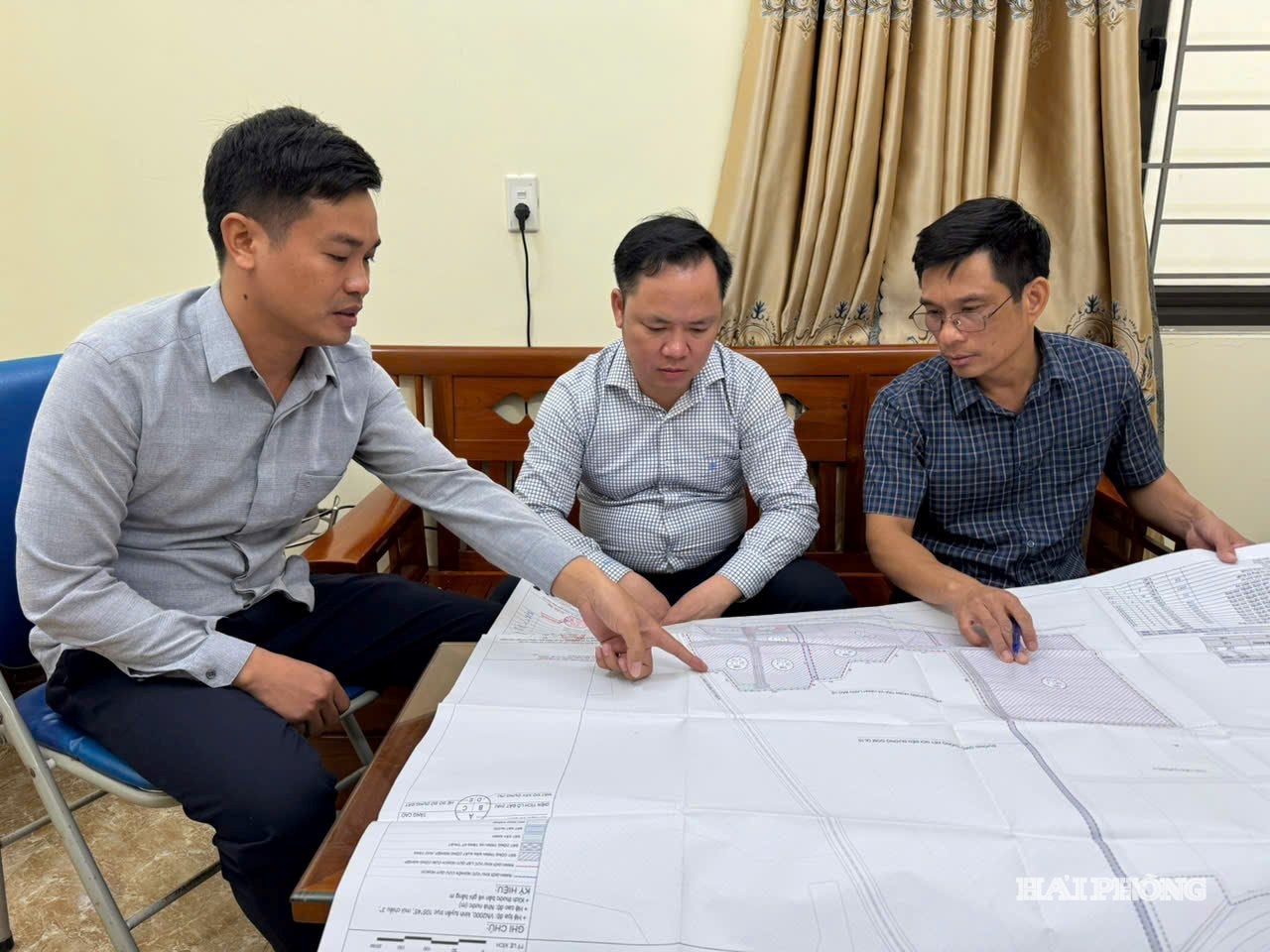
The Resolution of the First Party Congress of Quyet Thang Commune, for the term 2025-2030, aims to develop Quyet Thang comprehensively, making it prosperous, beautiful, civilized, and modern. With this clearly defined development orientation, coupled with decentralization and delegation of authority in the commune's master plan, the locality can proactively identify suitable development zones, leverage advantages, and promote investment in industrial development, contributing to changing the commune's appearance and improving the lives of its people.
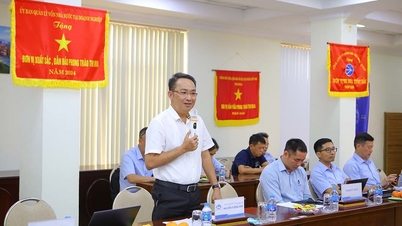
Mr. Pham Van Dien, Chairman of the People's Committee of Phu Lien Ward, said that because the commune level is closest to the people, delegating planning authority to the commune level helps shorten the implementation time of planning projects in the locality and save costs. "This helps the ward be more proactive in planning land use space, leveraging local strengths, and determining appropriate development directions for infrastructure, transportation, residential areas, and commercial services," Mr. Dien added.
According to the Department of Construction, decentralizing the appraisal and approval of planning to the commune-level People's Committees helps local authorities clearly understand the architectural and urban landscape development space. This enhances their proactive role in institutionalizing development orientations at the local and city levels. This delegation of authority also reduces the workload at the departmental level, creating a more flexible mechanism and enabling localities to be more proactive in developing their own development.
A new, challenging task.
Granting planning authority to the commune level creates favorable conditions and opens up many great opportunities, but it also poses challenges and issues that require timely attention and guidance. This is because it is a new and difficult task, with the decentralization and delegation of authority to the commune level following the abolition of the district level.
One of the challenges is the quality of the planning staff at the commune level. In the initial stages of operating under the two-tiered local government model, the majority of the commune-level professional staff were both insufficient in number and weak in skills. For example, in Quyet Thang commune, the Economic Department responsible for this field only has 8 staff members and specialists; while the assigned areas and the geographical scope of responsibility are many times larger than before. In Phu Lien ward, the Economic, Infrastructure and Urban Planning Department has 24 staff members and specialists, but only the deputy head of the department is directly responsible for the planning field.
Meanwhile, the process of formulating, appraising, approving, and adjusting master plans is a difficult task. The implementation involves many stages, from defining the scope of work, organizing consulting tenders, evaluating projects, making adjustments, additions, and updates... requiring leaders of the commune-level People's Committees and directly involved officials to possess professional expertise, critical thinking, and a broad vision.
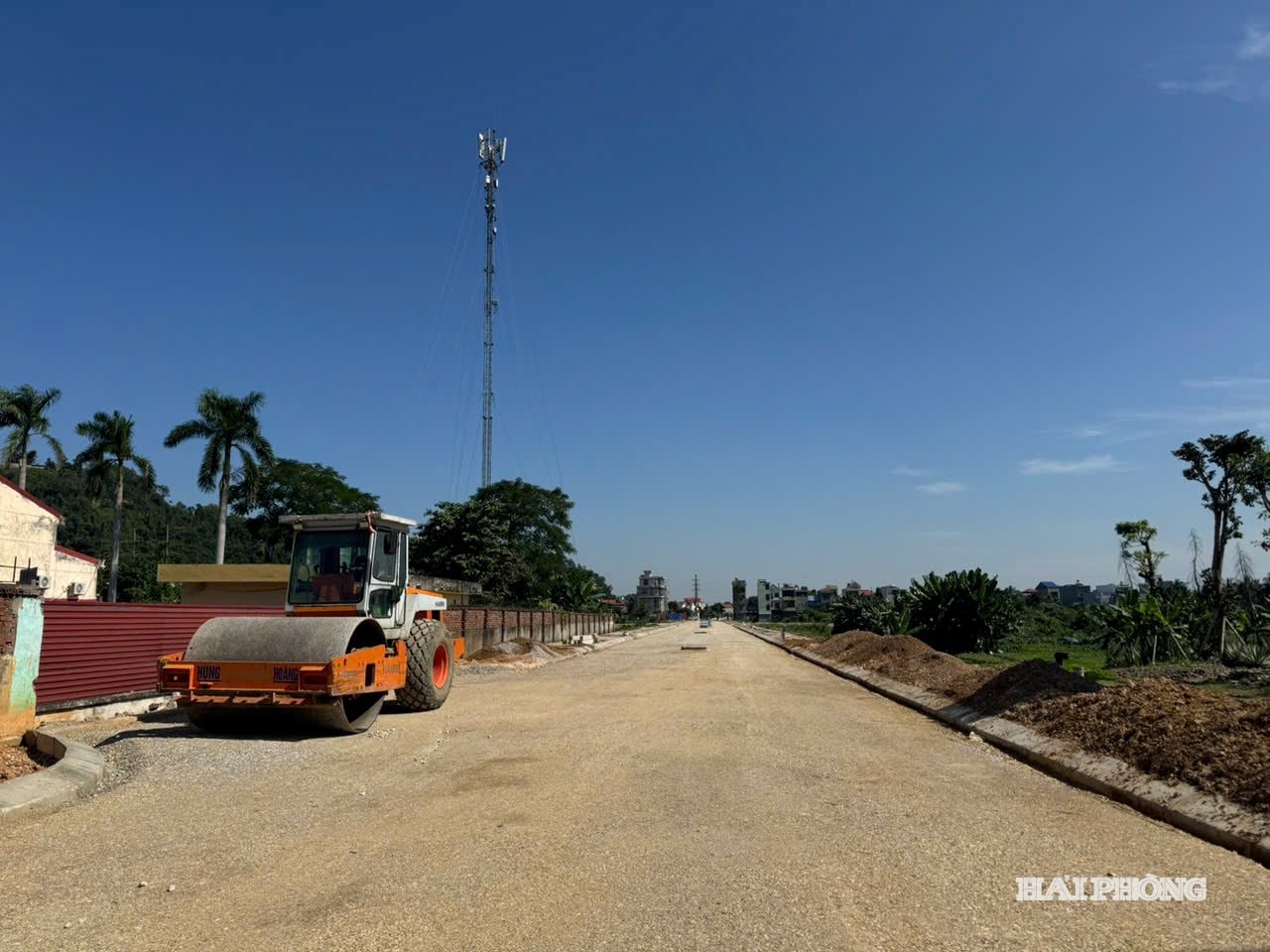
The lack of specialized personnel and experience in carrying out the task can easily lead to substandard planning quality, affecting future construction permits, land management, infrastructure investment, and other aspects.
Therefore, in addition to decentralization, the city and the construction sector need to pay attention to organizing training and providing professional guidance on planning for commune and ward officials. At the same time, a strict monitoring mechanism should be established to ensure that all plans are developed in a coordinated, feasible, and consistent manner with the city's overall plan.
Regarding this matter, Tran Cao Nguyen, Deputy Head of the Planning and Architecture Department (Department of Construction), said that the Department has issued many documents guiding the People's Committees of communes and wards to organize implementation according to current regulations, in line with the transitional realities after the reorganization in the city.
The Department of Construction has established a hotline to address difficulties and obstacles in planning and construction work for localities, and has assigned several teams of officials to work directly with localities facing many difficulties in implementing laws on urban and rural planning to ensure that tasks are carried out in accordance with the practical realities of each locality.
NGOC LANSource: https://baohaiphong.vn/khi-cap-xa-duoc-phan-cap-lam-quy-hoach-527581.html















































































Comment (0)