 |
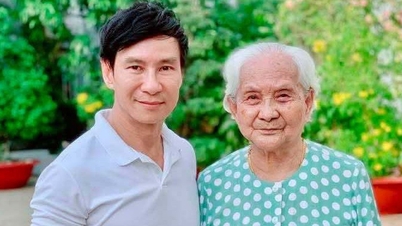
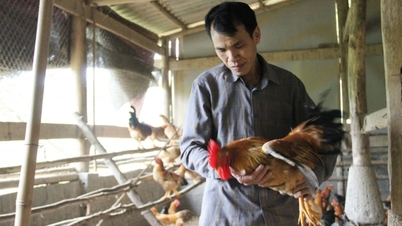
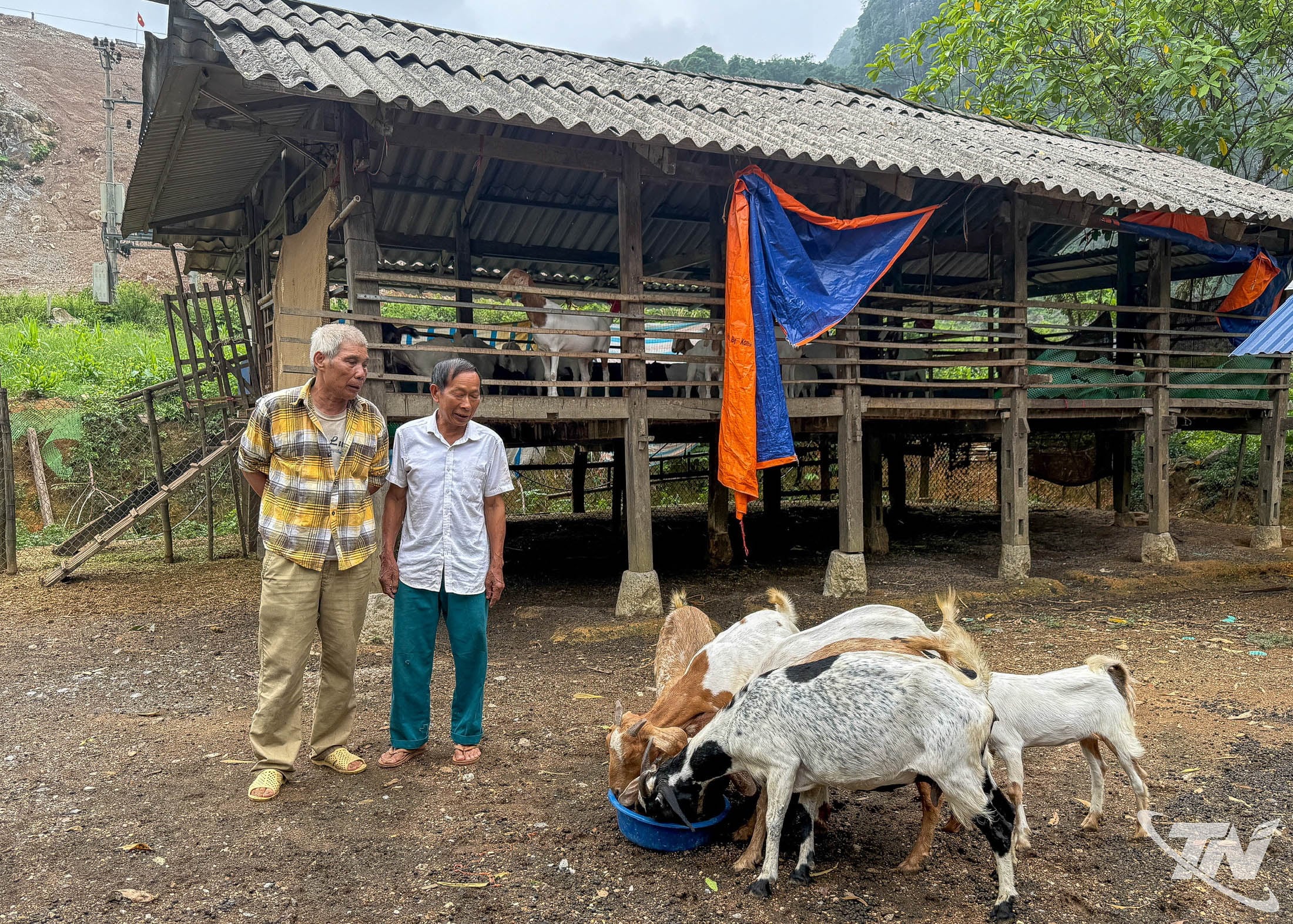
| The goat population in Quang Son commune continues to thrive after the project ended. In the photo: Mr. Dang Tang Tho (standing on the left) shares his goat farming experience with villagers. |
All 10 households participating in the project are ethnic minority households classified as poor or near-poor in the highland hamlets of Quang Son commune. Each household received support including 20 breeding female goats and one Boer hybrid male goat, along with feed, vaccines, and direct guidance from technical staff throughout the breeding process.
The unique aspect of this model lies not only in the provision of breeding stock but also in the provision of livestock farming techniques and guaranteed product sales. The Tan Long Agricultural Trade and Service Cooperative works alongside households from selecting breeds and caring for the goat herd to marketing the products, while also committing to purchasing all commercial goats at an average price of approximately 160,000 VND/kg.
Mr. Hoang Dang Vinh, Director of Tan Long Agricultural Trade and Service Cooperative, said: “When participating in the project, we determined that we would not only support the farmers with breeding stock but also accompany them throughout the entire breeding process. The cooperative provides technical guidance, monitors the development of the goat herd, and commits to purchasing all the commercial goats. Thanks to this, people can confidently invest in breeding without worrying about product sales.”

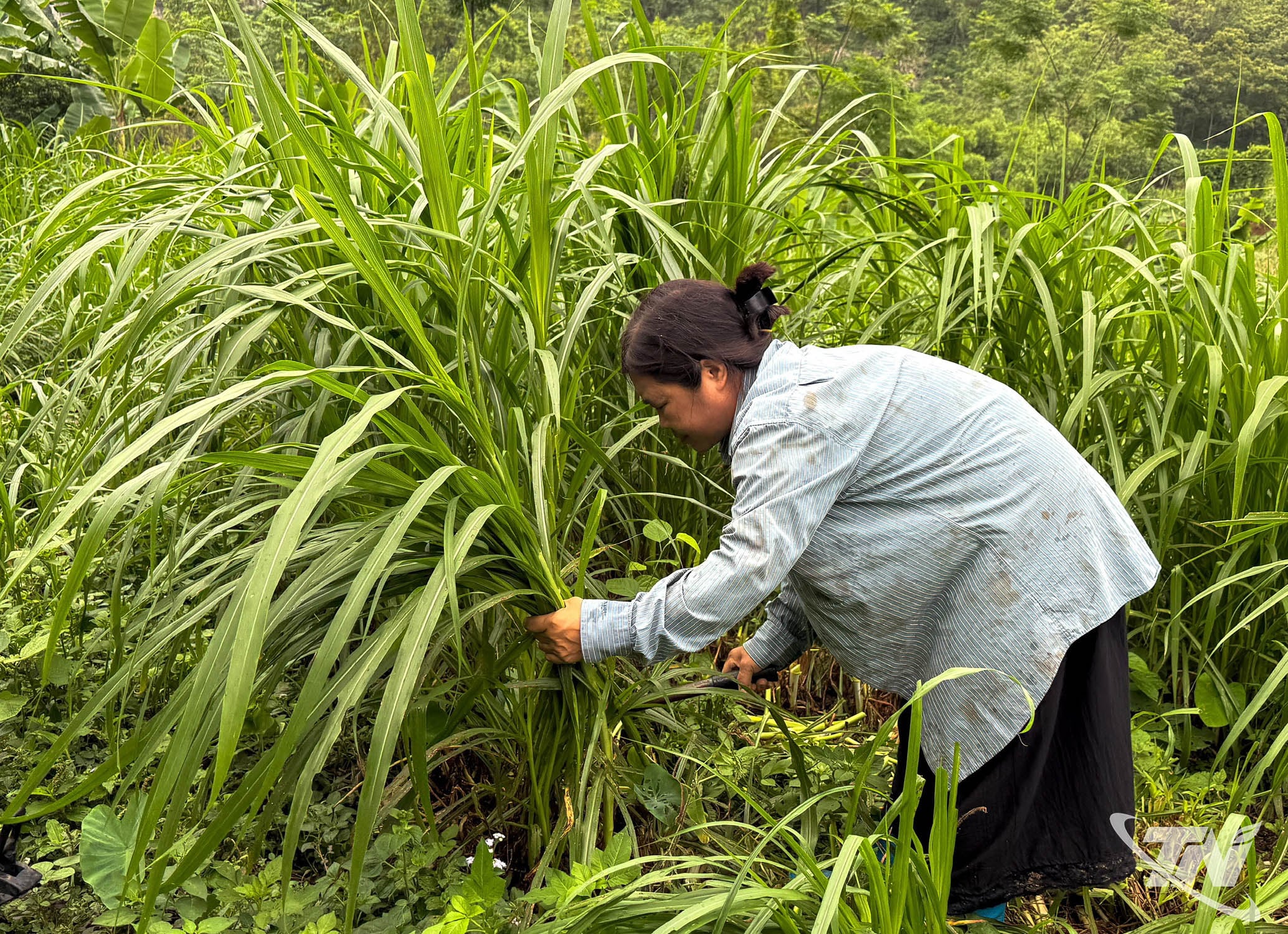 |
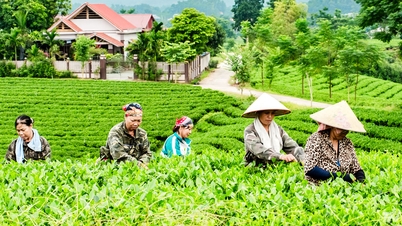
| The people of Dong May hamlet, Quang Son commune, grow grass to feed their goats. |
Thanks to comprehensive technical and market support, the goat herds of the households participating in the project have developed well. After more than a year of implementation, the rate of healthy goat growth has reached over 96%. From an initial herd of over 200 breeding goats, the total herd has now increased to nearly 300. For those directly involved in raising the goats, the effectiveness of the model is demonstrated by concrete changes in their lives.
The family of Mr. Dang Tang Tho, residing in Hong Phong hamlet, is one of the households that clearly benefited from the project. Thanks to the income from goat farming, his family has been able to repair their house and improve their living conditions. Recently, his family was officially recognized as having escaped poverty. Mr. Tho shared: “Previously, our family's life was very difficult, with income mainly depending on a few acres of rice fields. Since receiving support for goat farming, the family has had a stable source of income, allowing us to repair our house and cover living expenses. This year, my family has been removed from the list of poor households.”
Not every household achieved immediate results. The family of Mr. Trieu Van Dong, in Mo Ba hamlet, has a large number of members, and some are frequently ill, so they remain classified as a poor household. Mr. Dong confided: “My family still faces many difficulties and cannot escape poverty immediately. However, with the goat herd as capital, I believe that if we take good care of it and continue to expand the herd, in a few years our family's economy will be more stable and we will have a chance to escape poverty.”
To date, the project has been completed as planned, but in Quang Son commune, the goat herd continues to be cared for and expanded by the local people. Households that have escaped poverty continue to develop their herds to increase their income; those still facing difficulties also have additional livelihoods to gradually improve their lives. Tan Long Agricultural Trade and Service Cooperative continues to maintain its purchasing activities, ensuring that the production-consumption chain remains uninterrupted.



In reality, an effective livelihood support model is not only evaluated by its results during the project implementation period but also by its ability to sustain and develop after the support ends.
Source: https://baothainguyen.vn/tin-moi/202606/khi-du-an-khep-lai-dan-de-van-sinh-soi-ec13df5/




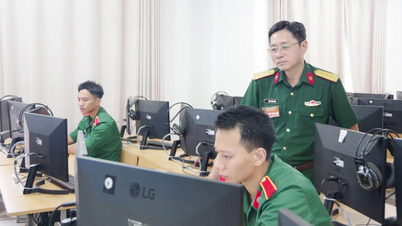
![[Photo] Strengthening character and expertise: Intense training for artillery soldiers.](https://vphoto.vietnam.vn/thumb/1200x675/vietnam/resource/IMAGE/2026/06/30/1782815602541_lu-368-1875-4571-jpg.webp)