The award reflects a high professional standard.
During the five days of the film festival (November 21-25), film enthusiasts in Ho Chi Minh City truly experienced a vibrant and emotional atmosphere. Screenings, especially for feature films, were always sold out.
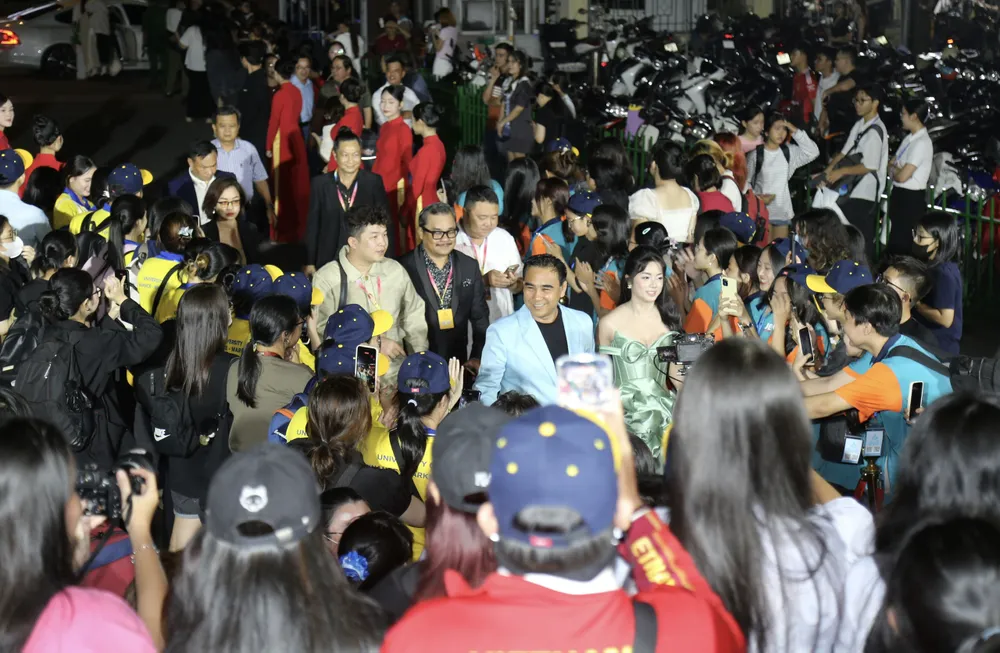
The opening screening of the film "Red Rain" at the Galaxy Nguyen Du cinema was lively, with audience members constantly calling out character names, knowing their lines, lingering to ask for autographs, and taking photos with the artists. A similar atmosphere prevailed at the "Meeting with Film Crew, Actors and Music Performances from the Film" program on Nguyen Hue pedestrian street, and it was commendable that the audience stayed until the end of the program despite the heavy rain.
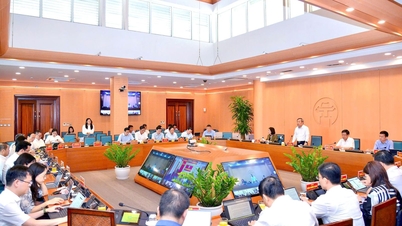
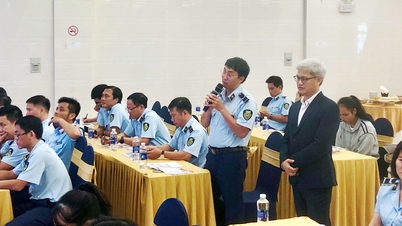
Besides the vibrant and diverse festival activities, the ceremonies and professional aspects of this year's Film Festival also made a strong impression. The three seminars – “ Developing the Film Industry in the New Era,” “The Current Situation and Solutions for Attracting Film Crews to Local Areas,” and “Promoting the Value of Archival Moving Image Documentation in the Current Context” – attracted hundreds of managers, experts, and guests from both within and outside the country. All seminars exceeded their planned time, with many delegates expressing regret at not having had the opportunity to speak or ask questions, demonstrating the intensity and practical relevance of the topics discussed.



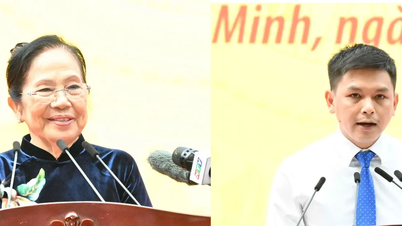
“I believe this was a very memorable film festival. All the awards were well-deserved, reflecting a high professional standard, and were not at all encouraging or lenient,” commented Dr. Ngo Phuong Lan, President of the Vietnam Film Promotion Association and Head of the Feature Film Jury. However, from a professional standpoint, the quality of the participating films was not truly uniform; the gap between excellent, professionally made, and valuable films and some others remained quite large. Dr. Ngo Phuong Lan hopes that in the next film festival, the quality will be more balanced, and the gap between films will be narrowed to the point where the jury will have to “solve difficult problems.”
Consider issuing a resolution on the development of the film industry.
Becoming the first creative city in Southeast Asia in the field of cinema is both an honor and a significant challenge for Ho Chi Minh City. Associate Professor Dr. Nguyen Thi Thu Phuong, Director of the Vietnam Institute of Culture, Arts, Tourism and Sports , raised the question: "To be recognized, Ho Chi Minh City made six detailed commitments to UNESCO, but once recognized, how should these commitments be implemented?"
According to her, Ho Chi Minh City should soon establish a coordinating committee comprising representatives from the Ministry of Culture, Sports and Tourism, city leaders, departments, the Department of International Cooperation, the UNESCO Vietnam Committee, media agencies, and especially with the participation of film businesses – the "core" force in the creative ecosystem. Ho Chi Minh City should have a specialized resolution on the development of the film industry, placed within the overall national cultural industry and linked to the other seven areas in UNESCO's Creative Cities Network. The resolution will create a basis for long-term implementation, transcending short-term thinking and aiming for sustainable development.
“Through cinema, we want to tell the bigger story of the city: the development of a creative community. The goal is to develop a way that makes the preservation and promotion of local cultural values more effective and sustainable,” emphasized People's Artist Nguyen Thi Thanh Thuy, Deputy Director of the Ho Chi Minh City Department of Culture and Sports.
Among the six initiatives that Ho Chi Minh City submitted to UNESCO, People's Artist Nguyen Thi Thanh Thuy, Deputy Director of the Department of Culture and Sports of Ho Chi Minh City, emphasized the initiative "Creating Cinema in Schools." The goal of the initiative is to enhance aesthetics, appreciation, and the formation of a successor generation, including creative talents and the public – those who influence the creative process. Agreeing with this initiative, Associate Professor Dr. Nguyen Thi Thu Phuong shared: "This is a very necessary and practical initiative. However, the important question now is what we need to incorporate into schools to form a sustainable successor generation?"



Mr. Paul Abela, Audiovisual Attaché at the French Embassy, assessed that Ho Chi Minh City is one of the important film ecosystems in Southeast Asia and Asia, possessing many conditions to rise to become a center of cultural and artistic creativity. From that strategic perspective, Associate Professor Dr. Nguyen Thi Thu Phuong suggested that Ho Chi Minh City should position itself as an "axis" in the regional film development triangle, potentially connecting with Busan (South Korea), Bollywood (India), or another suitable center, thereby expanding its influence and enhancing its cultural competitiveness.
Source: https://www.sggp.org.vn/khoi-dau-moi-cho-thanh-pho-dien-anh-post825640.html