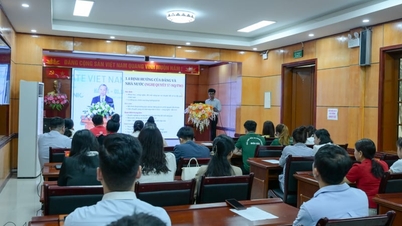
On the afternoon of June 12th, in An Xuyen ward, the Mekong Institute (Can Tho University) collaborated with relevant units to organize a workshop to launch the project “Women-led Green Livelihood Transformation in the Mekong Acid Sulfate Lowlands”, implemented in Ninh Quoi commune, Ca Mau province.
The project, funded by the Stichting Oxfam Novib organization, will be implemented over 15 months, from January 2026 to April 2027. Its goal is to promote green transition, enhance the role of women in sustainable livelihood development, climate change adaptation, and participation in local policy-making.

Associate Professor Dr. Van Pham Dang Tri, Director of the Mekong Institute, shared his insights at the project. Photo: Trong Linh.
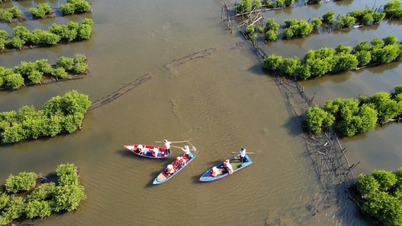
According to Associate Professor Dr. Van Pham Dang Tri, Director of the Mekong Institute, Ninh Quoi commune is a unique low-lying, acidic soil area in the Mekong Delta, where the lives of the people mainly depend on agricultural production. Income from rice cultivation remains low while the impacts of climate change are becoming increasingly evident, creating an urgent need to diversify livelihoods, create more jobs, and enhance the adaptability of the community.
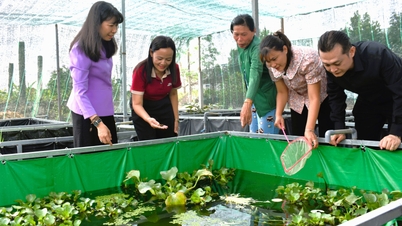
Based on that experience, the project focuses on developing green livelihood models based on indigenous resources and suitable to the local natural conditions. Key activities include training in organic fertilizer production, microbial application for reducing soil acidity and salinity in rice cultivation, low-emission rice production, mushroom cultivation, vegetable farming, and enhancing resilience to climate change.
At the same time, the project will support the construction and pilot operation of six sustainable livelihood models to create jobs and increase income for the people.
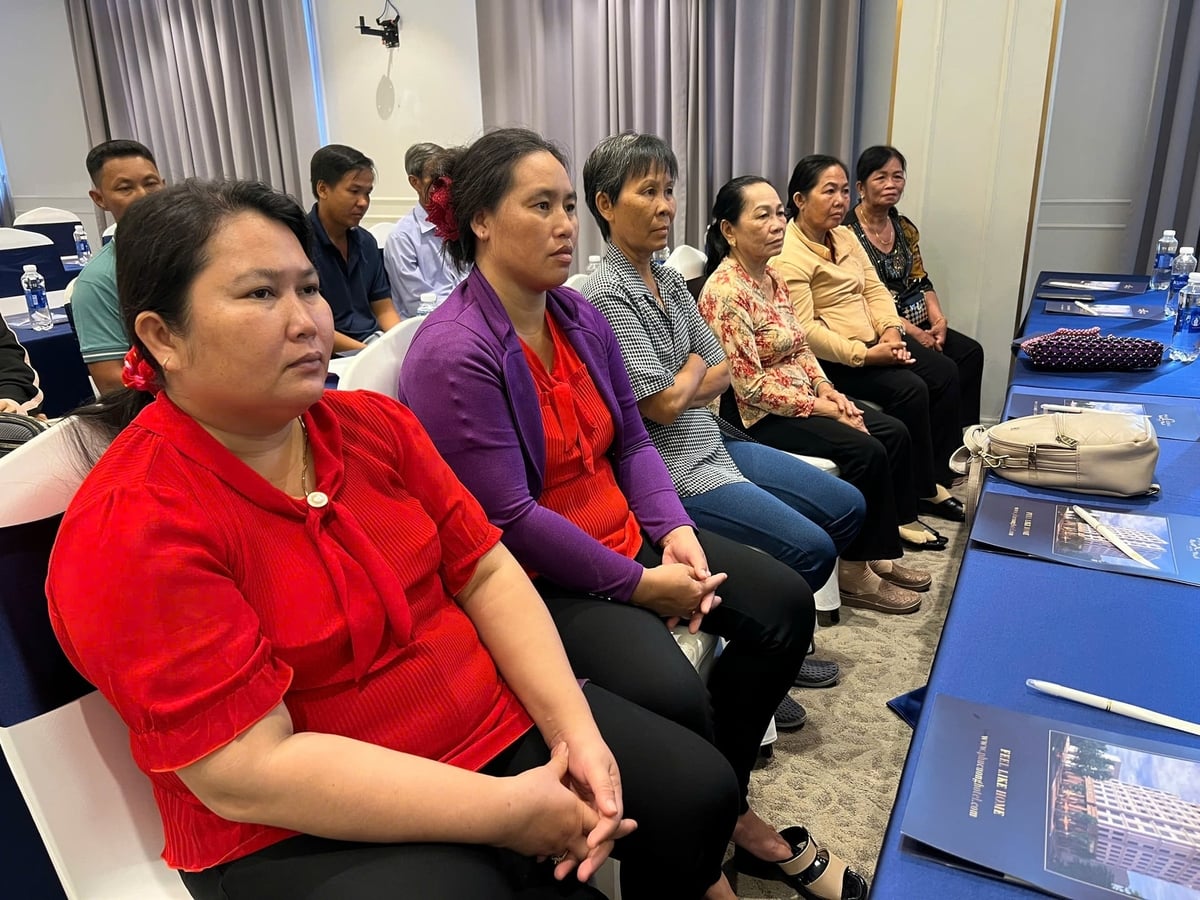
The project focuses on enhancing the role of women in community economic development through dialogue, consultation, and contributing to policy-making on climate change adaptation, disaster risk reduction, and environmental protection. Photo: Trong Linh.



Associate Professor Dr. Nguyen Thanh Binh from the Mekong Institute, Can Tho University, stated that the Mekong Delta is facing numerous challenges from climate change, resource degradation, and saltwater intrusion, directly impacting people's livelihoods. Meanwhile, women account for over 55% of the agricultural workforce but still have limited access to development resources.
"The project is being implemented to enable women to become the center of the green transition process, contributing to building climate change-adaptive livelihood models, promoting the value of indigenous resources, and increasing income for the community," Assoc. Prof. Dr. Nguyen Thanh Binh emphasized.
In addition to production activities, the project also supports training in digital business skills, connecting product consumption markets, accessing capital, and improving financial management capacity for cooperatives, associations, and cooperatives with women in management.
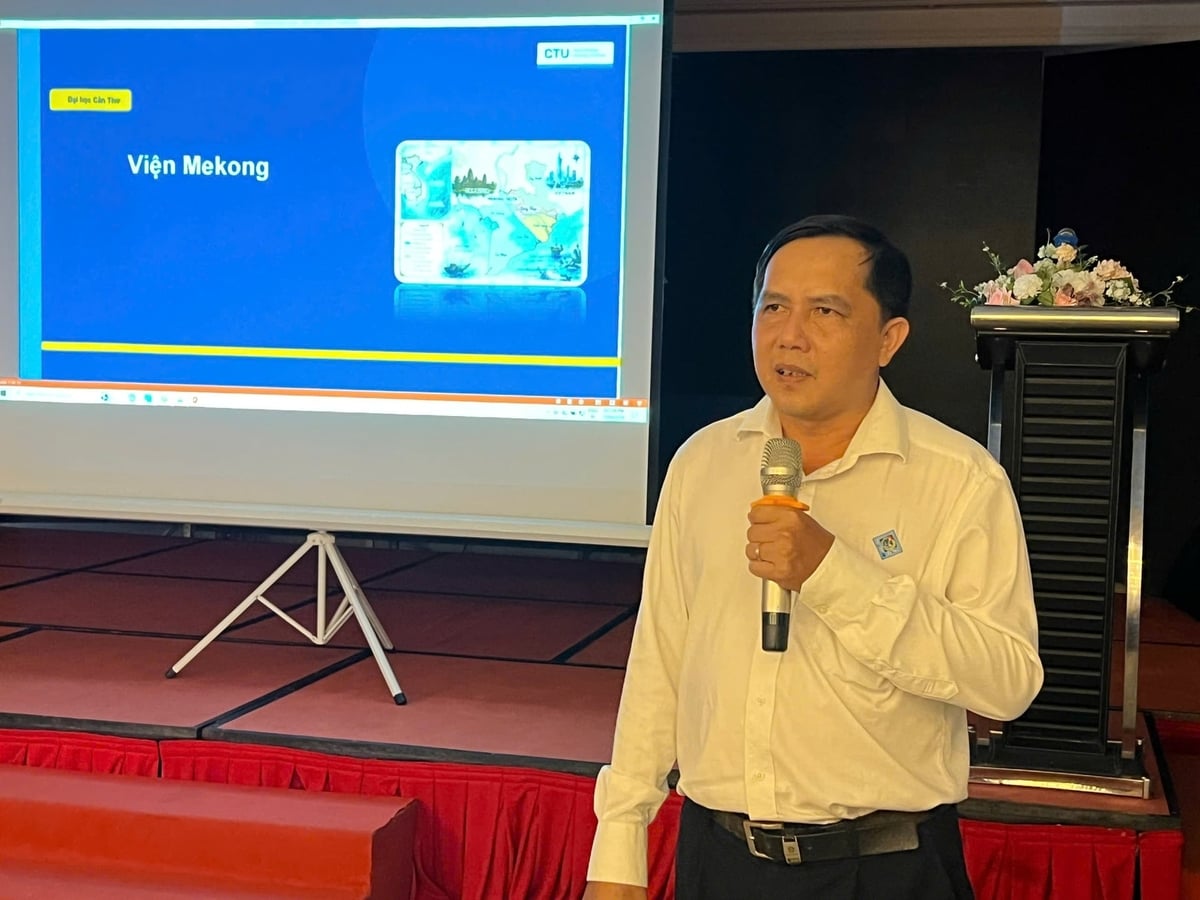
Associate Professor Dr. Nguyen Thanh Binh, Mekong Institute, Can Tho University, stated that women account for over 55% of the agricultural workforce. Photo: Trong Linh.
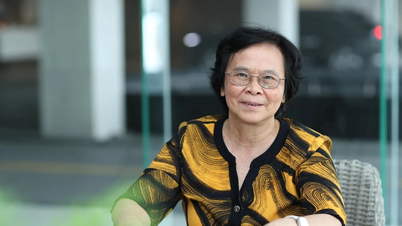
Ms. Nguyen Thi Hieu, Chairwoman of the Women's Union of Ninh Quoi commune, said that the locality has great potential for developing agriculture and products from indigenous resources. However, people are still facing difficulties due to the impact of climate change, the specific acidic soil conditions, limitations in production techniques, capital, and consumer markets.
According to Ms. Hieu, local women play a crucial role in household economic development but still face many limitations in accessing technology, production resources, and market opportunities. Therefore, the project's implementation is of practical significance in supporting women to enhance their capacity, develop green livelihood models adapted to climate change, improve their income, and elevate their status in the community.
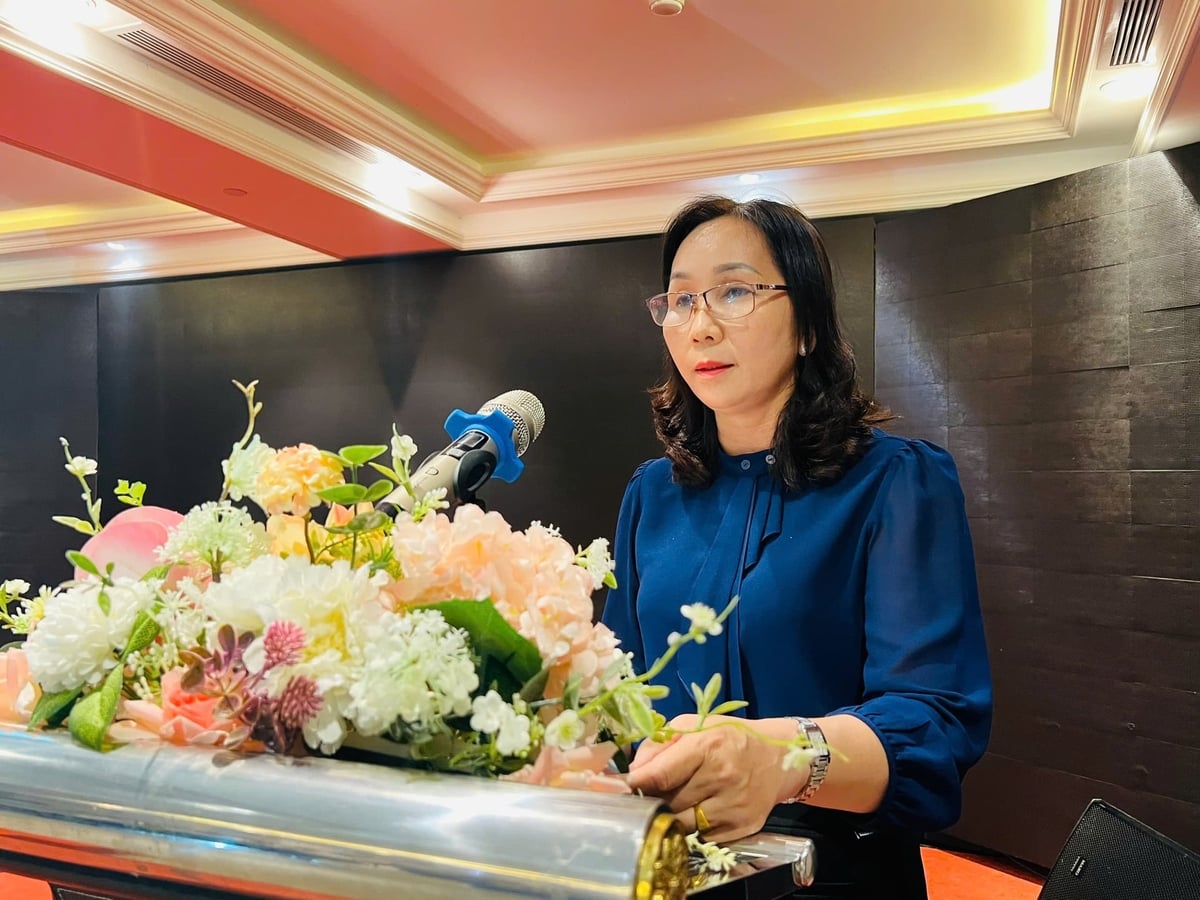
Ms. Nguyen Thi Hieu, Chairwoman of the Women's Union of Ninh Quoi commune, shared her expectations for the project. Photo: Trong Linh.


"We expect the project to help local women become more confident in economic development, while also contributing to promoting sustainable development, environmental protection, and building new rural areas in the locality," Ms. Hieu shared.
The project also focuses on enhancing the role of women in community economic development through dialogue, consultation, and contributing to policy-making on climate change adaptation, disaster risk reduction, and environmental protection.
Source: https://nongnghiepmoitruong.vn/khoi-dong-du-an-sinh-ke-xanh-do-phu-nu-dan-dat-d816106.html




![[Image] National conference summarizing one year of operation of the overall organizational model of the political system, the three-tiered government model.](https://vphoto.vietnam.vn/thumb/1200x675/vietnam/resource/IMAGE/2026/07/01/1782882811691_ndo_br_1-jpg.webp)