


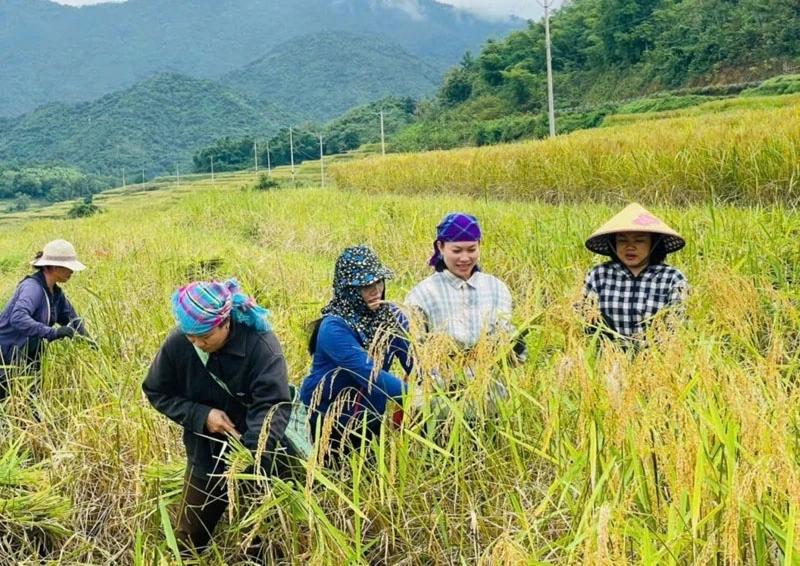
The people of Pùng village are harvesting Cay Nọi sticky rice.
Opening up avenues for labor export.
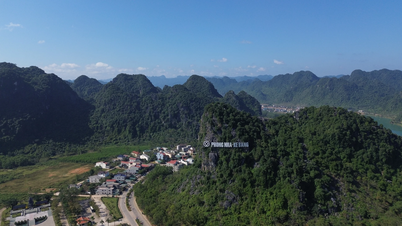
Welcoming us in front of the village cultural center was the Party branch secretary and village head, Luong Van Liep. He slowly provided information: Pung village currently has nearly 250 households, with over 1,000 inhabitants. More than ten years ago, mentioning Pung village immediately brought to mind the image of the hardworking villagers, living off their fields, mainly growing corn, cassava, and acacia trees... yet poverty still clung to them. Food was scarce, houses were makeshift, and roads became muddy after the rain. The percentage of poor and near-poor households at that time was over 70%, and the most valuable assets of many families were just a few pigs and chickens.
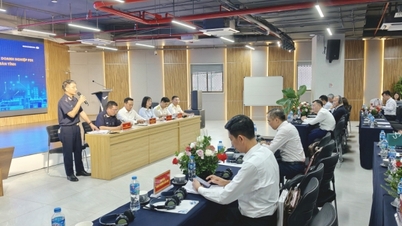
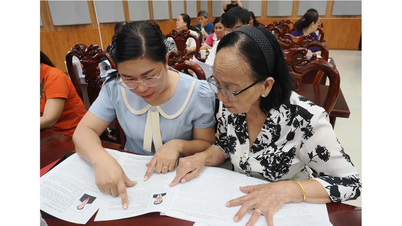
The changes in this border village began when the Party committee, the Fatherland Front committee, and the local mass organizations intensified the dissemination of the Party's guidelines and the State's policies and laws. The villagers gradually understood the role of skilled labor and realized that labor export could be a great opportunity to improve their lives. Training sessions and guidance on obtaining loans from the Social Policy Bank were organized right in the village, helping people confidently register to seek employment abroad.
One of the pioneering families in the village that sent their children to work abroad is that of Mr. Vi Hong Inh. When the program was available, he boldly sent his son, Vi Van Hieu, to work in South Korea using a loan from the Social Policy Bank. The monthly income sent home has helped Mr. Inh's family become quite well-off, building a new house worth over 1 billion VND.
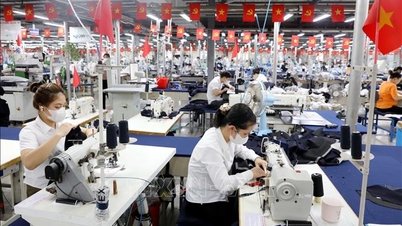
The first overseas trips were a crucial boost for the local movement. The number of migrant workers from the village increased rapidly. To date, Pung village has nearly 90 workers employed abroad, sending back tens of billions of dong in foreign currency each year.
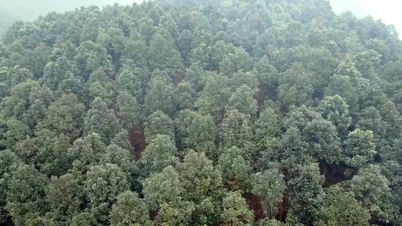
Walking along the central road of the village, it's easy to notice the difference. Spacious, two-story houses with flat roofs have sprung up amidst the lush green mountains. Televisions, refrigerators, motorbikes, and even cars have become commonplace in many families. Essential infrastructure has changed; internal and inter-village roads have been paved with concrete. Bridges and culverts have been built solidly, and the national power grid covers every house. Schools have been renovated and are clean and beautiful, and the village cultural center has become a familiar meeting place for the community. In the evenings, people flock to the cultural center for cultural and sports activities...
Leveraging local strengths
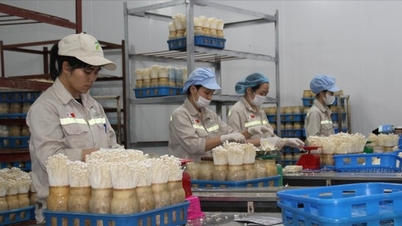
What delighted the village officials most was not just the new houses, but the change in the people's mindset. Many laborers returning from abroad brought with them an industrial work ethic, professional skills, and experience in production and business. Many households boldly opened small shops and service businesses; others invested in more systematic livestock farming and crop cultivation. A new way of life permeated every home and every field.
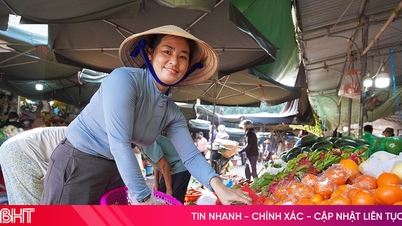
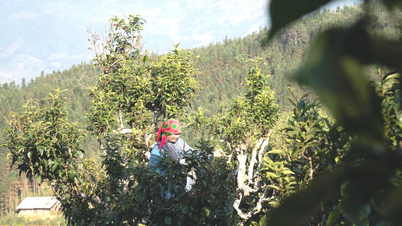
The agricultural economy has also been restructured. Pung village is focusing on developing the Cay Noi sticky rice variety – a strong and distinctive product of the village and the entire commune, having been recognized as an OCOP product and favored by the market. In addition, the villagers maintain over 10 hectares of cassava, and are gradually developing livestock and poultry farming towards a commercial direction. Many households have risen to high incomes, pioneering changes in mindset and practices. Thanks to these efforts, in 2020 Pung village was recognized as achieving the New Rural Area standard. The villagers are continuing to strive to complete the criteria to become a model New Rural Area. Patriotic emulation movements and the building of a cultured life are actively supported. Many families voluntarily donate land for road construction, contribute labor to environmental sanitation, and work together to build a "bright, green, clean, and beautiful" residential area.
According to the development orientation of Quang Chieu commune, labor export continues to be considered a key solution. The commune government will strengthen coordination with relevant agencies to provide advice, vocational training, loan support, and expand export markets, helping many households have more opportunities to increase their income. Along with that, the commune focuses on developing its distinctive local products such as Cay Noi sticky rice; and developing community tourism .
Evening falls quickly amidst the remote mountains and forests. In the courtyard of the village cultural center, children still play, their voices and laughter echoing joyfully. A once impoverished border village now seems to have donned a new garment – a garment of prosperity and happiness.
Text and photos: Dinh Giang
Source: https://baothanhhoa.vn/khoi-sac-ban-pung-271699.htm






































Comment (0)