

The geopolitical conflict that erupted in the Gulf region in recent days has poured cold water on the recovery of the global civil aviation industry. Numerous flight routes were disrupted, major transit hubs were deserted, and tens of thousands of passengers were stranded. However, entering the second week of March, the air traffic situation in the region began to show the first signs of improvement as countries scrambled to restore supply chains.
Aggressive entry from Asian airlines
As soon as initial safety assessments were eased, Chinese airlines became pioneers in re-establishing air links to the Middle East. This move was not only aimed at rescuing passengers but also had strategic implications for protecting vital trade supply chains between the world's second-largest economy and the resource-rich Gulf region.
According to an official statement from the Civil Aviation Administration of China, after a rigorous risk assessment and review process, the agency has given the green light for domestic airlines to gradually resume operations. National airline Air China immediately brought its Beijing-Riyadh flight to Saudi Arabia back into service on March 5th. This symbolic commercial flight broke the deadlock that had lasted for days. For the highly sought-after Beijing-Dubai route, the airline also officially reopened ticket sales and launched flexible reservation and hold features to alleviate the backlog of stranded passengers.
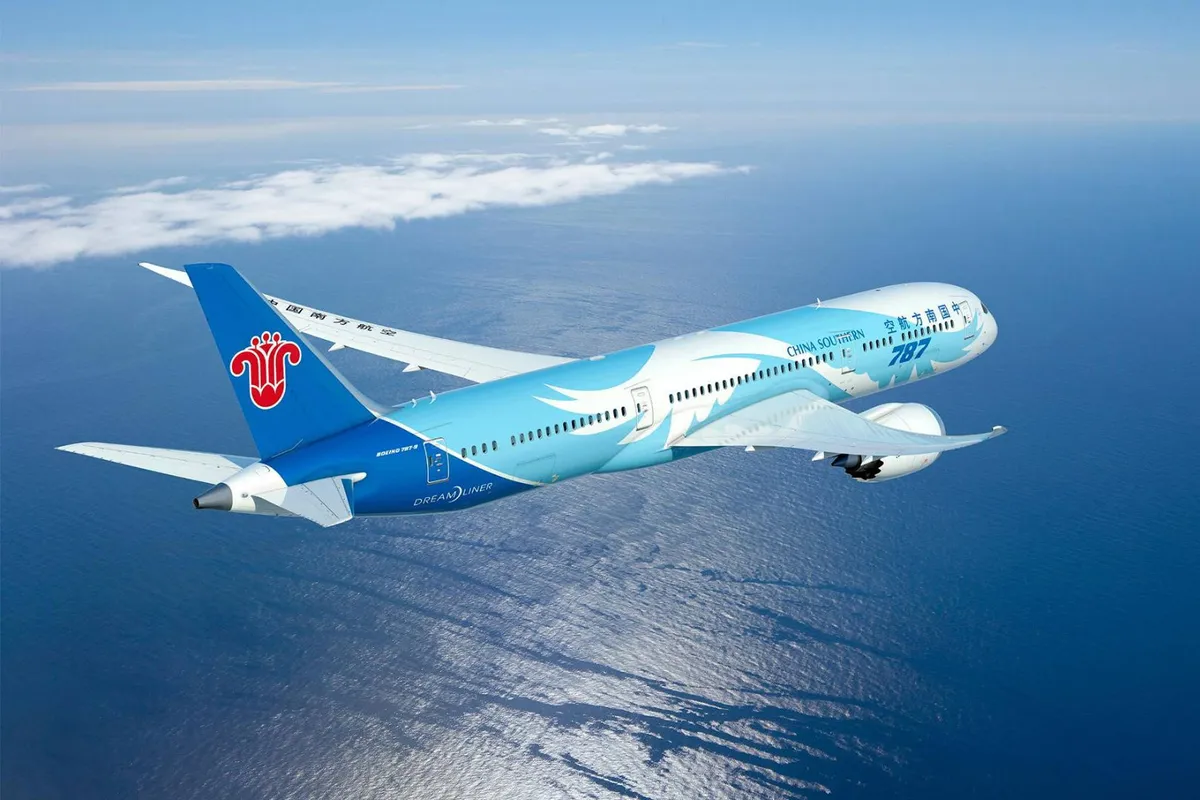
Chinese airlines are gradually restoring routes to the Middle East. (Illustrative image.)
Not to be left out of the recovery race, China Eastern Airlines quickly resumed flights from economic growth hubs like Shanghai, Xi'an, and Kunming to Dubai, Riyadh, and Muscat. Following suit, China Southern Airlines also restarted flights from Guangzhou and Shenzhen to Dubai. The simultaneous return of major Asian airlines to Middle Eastern airspace sends a strong message of confidence in the region's ability to manage security risks.
At the very heart of the Gulf region, massive transit hubs like Dubai, Abu Dhabi, and Doha are also cautiously opening their first doors. Safe flight corridors have been urgently established to prioritize repatriation flights and essential cargo transport.
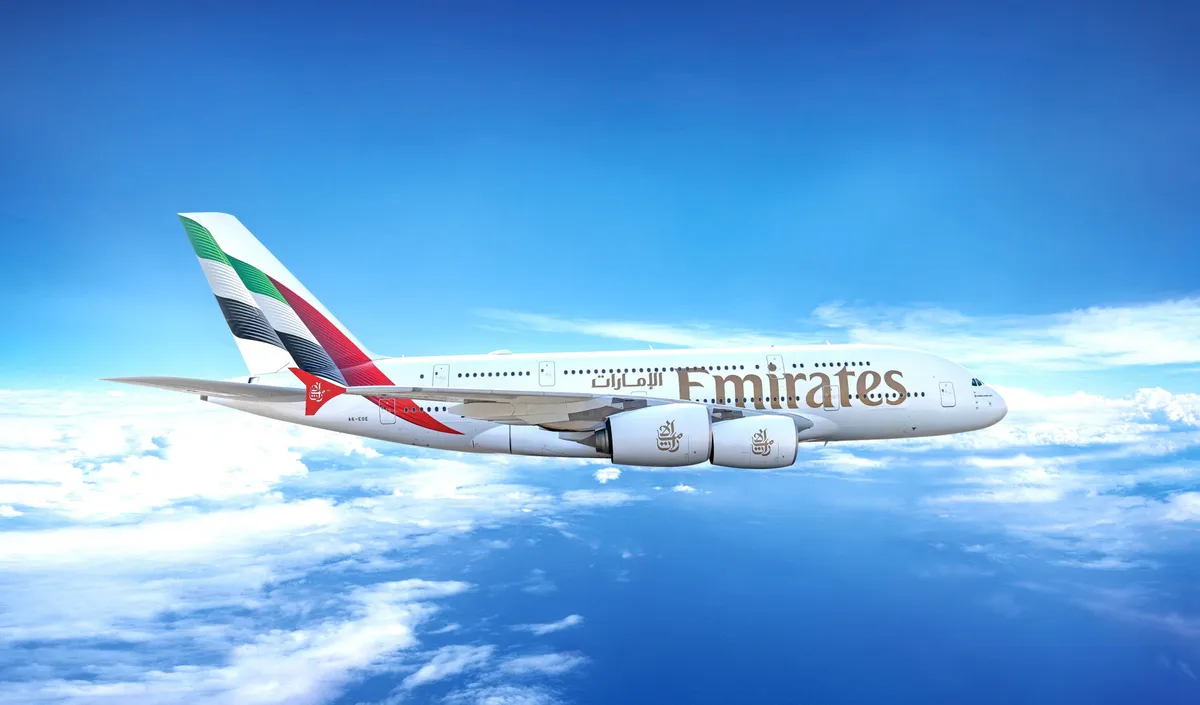
Emirates, one of the world's largest long-haul airlines, is demonstrating extraordinary efforts to restore approximately 60% of its global flight network capacity. With 106 round-trip flights per day to 83 destinations, the airline is struggling to alleviate the massive number of passengers stranded due to airspace restrictions imposed at the end of February. A representative stated that the current strategy is to focus all efforts on the world's highest-demand travel markets, such as the UK, India, and the US, while prioritizing passengers with pre-booked reservations. Regional competitors like Qatar Airways and flydubai are also scrambling to establish airlifts to safely evacuate European citizens from the affected areas.
According to data from Flightradar24 , since the conflict began, nearly 14,000 flights from 10 countries in the region have been canceled.
Most notably, Dubai International Airport (DXB) – one of the world's busiest transit hubs – entered a "freezing" phase. At the peak of the crisis, approximately 85% of flights there were canceled. Nearby airports such as Sharjah and Hamad International Airport (Doha, Qatar) also recorded disruption rates of up to 90-94%. Tens of thousands of international passengers were stranded at terminals.
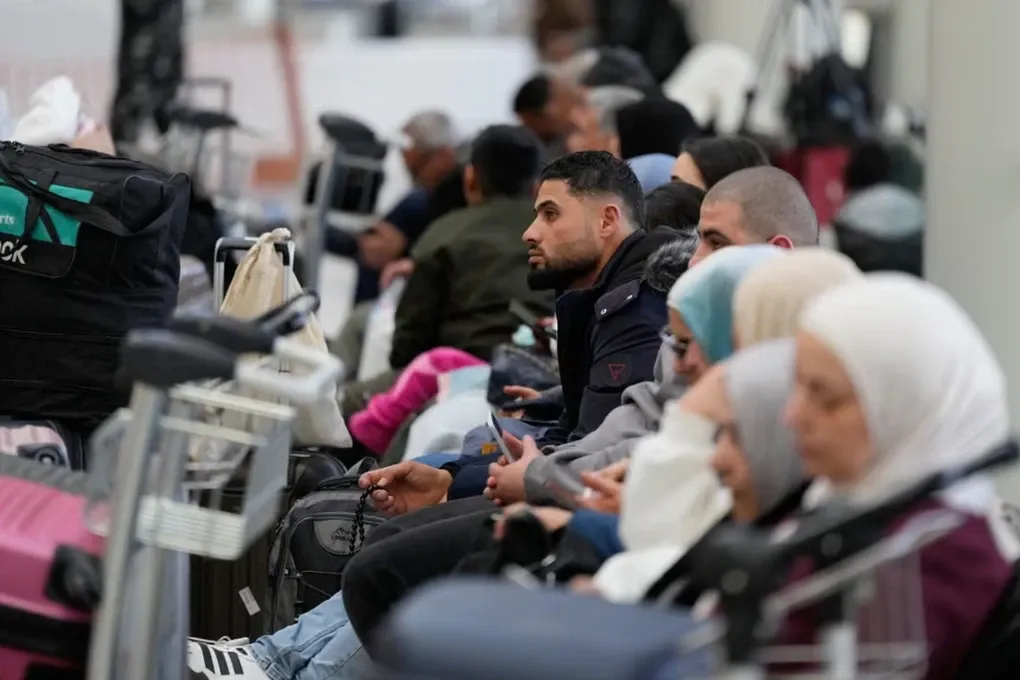
Tens of thousands of passengers are stranded in the Middle East.
The bottlenecks in flight information regions and the burden on Vietnamese aviation.
Despite signs of recovery, transportation economic analysts assess that the skies over the Middle East still harbor many potential risks. An updated report from the Vietnam Civil Aviation Authority shows that many key flight information regions in this area are still subject to tight security measures.
A prime example is Iran's Tehran Flight Information Region, a crucial part of the airspace connecting Asia and Europe. Currently, this area remains completely closed to civilian aviation until at least mid-March, only open to military or rescue flights with special permits. Adjacent areas within Qatar's Doha Flight Information Region and the United Arab Emirates are also subject to stringent air traffic control. This forces flights passing through these areas to carry significantly larger fuel reserves than usual to prepare for emergency diversions.
The disruption to the Gulf aviation hub immediately created a domino effect, directly impacting the air transport market in Vietnam. Before the tensions erupted, major players like Emirates, Qatar Airways, and Etihad Airways played a crucial role as a bridge, maintaining up to 12 flights per day connecting the Gulf megacities to Hanoi, Ho Chi Minh City, and Da Nang. The disruption of this supply chain forced thousands of Vietnamese and international passengers to change their travel plans.
However, the entity under the heaviest financial pressure is Vietnam Airlines, the national airline. Although it does not directly operate commercial flights to Middle Eastern countries, its entire lucrative flight network from Vietnam to European countries relies on the region's airspace. To ensure the absolute safety of passengers, the airline has been forced to completely re-establish its flight routes.
Instead of flying directly as usual, Vietnam Airlines' wide-body aircraft now have to choose one of two storm-avoiding routes: detour north through Central Asian and Chinese airspace, or fly south through South Asia and the Saudi Arabian peninsula.
Discussing the operational challenges in the current context, an independent aviation economist commented: "Adjusting flight paths to bypass conflict zones is not simply a matter of time inconvenience; it deeply impacts airlines' profit margins. Every minute an aircraft spends in the air adds to fuel costs, engine depreciation costs, and personnel costs."
In reality, the detours add 10 to 15 minutes to the travel time of each European flight. The direct consequence is an increase in operating costs of approximately $2,000 per flight. This doesn't even account for another enormous financial risk looming over airlines: war risk insurance premiums. If the situation continues to worsen, global insurance companies are expected to increase these premiums by 10% to 15% for all transcontinental flights with flight paths near conflict zones.
Although the full restoration of flight networks across the Middle East still depends entirely on the security decisions of all parties involved, the resumption of international flights is a positive sign. It not only relieves pressure on tens of thousands of passengers but also offers hope for stabilizing operating costs for Vietnamese airlines during the upcoming peak season.
Source: https://vtv.vn/khong-phan-trung-dong-dan-mo-lai-100260312155217786.htm
























































































Comment (0)