

 |
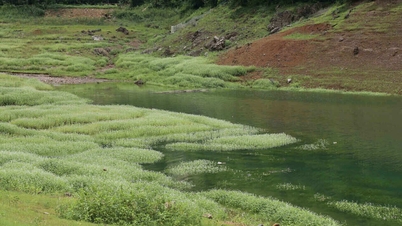
The work depicts rivers across various countries, with a focus on the rivers of the Mekong Delta (also known as the Southern Delta) struggling under the weight of climate change and human impact. In recent years, the amount of water flowing from upstream to downstream has decreased, while rising sea levels led to the "once-in-a-century drought and saltwater intrusion" of 2016, causing saltwater to penetrate deep inland in many coastal areas. The people of the delta region have endured the arduous and exhausting consequences.
The sea is "eating away" at forests and land, sweeping away even places that were once sacred, such as temples and shrines. Rivers are also "eating away" at land, gardens, and houses of residents along the branches of the Mekong River, from the upstream border with Cambodia to the river mouths where it flows into the open sea. Damming the river for hydroelectric power, altering the river's course, along with climate change, tidal surges, melting ice... all stem, to varying degrees, from human activity.
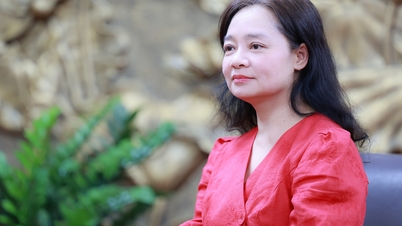
Journalist Mai Song Be likened the Mekong River to a blood vessel clogged by "blood clots - hydroelectric dams" along its course. This comparison is not just a journalistic metaphor, but a warning about the "damage" to nature caused by unsustainable development.
Interwoven within the writings about rivers and waterways are layers of cultural sediment. The author mentions the Funan culture, dormant beneath the alluvial soil; recalls the figures of Southern writers such as Ho Bieu Chanh, Son Nam, Ly Van Sam, and Doan Gioi; and historical and cultural figures such as Empress Nam Phuong, playwright Vien Chau, and renowned singer Ut Tra On. Characteristic art forms of the Southern region, such as Vong Co and Don Ca Tai Tu, are also recalled as spiritual sources running parallel to the flow of water.
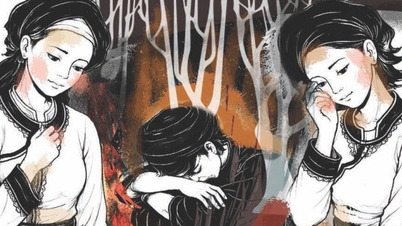
According to journalist Mai Song Be, being a Vietnamese person living on this round planet – where 8 billion people in the early 21st century call their common homeland – is a great blessing, because the Earth has water and signs of life. However, of the total amount of water accumulated on Earth, including surface and groundwater, up to 97% is saltwater from the sea. Humanity has wept, is weeping, and will continue to weep because of the lack of fresh water.
The work "Water and Tears" is therefore not only a record of rivers, but also a sigh in the face of the harsh changes of nature, a reminder of human responsibility, and a quiet song for the "thirsty" rivers of today.
Cam Thanh
Source: https://baodongnai.com.vn/van-hoa/202602/khuc-ca-ve-nhung-dong-song-dang-khat-197017c/































































Comment (0)