The journey to find a new home.
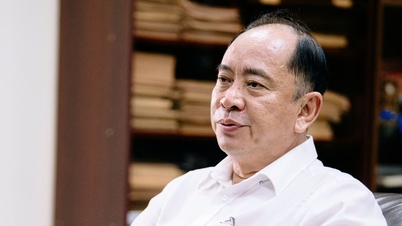
According to cultural researcher Nghiem Dinh Thuong, former Standing Vice Chairman of the Yen Phong District Association for the Promotion of Learning and author of the Yen Phong Gazetteer: “The core of the construction and development of Dong Thai village from its early days can be attributed to two families, the Truong and Cao families, also known as the Truong-Cao clans. They came from Ly Nhan district, Ha Nam province, now Ninh Binh province.”
 |
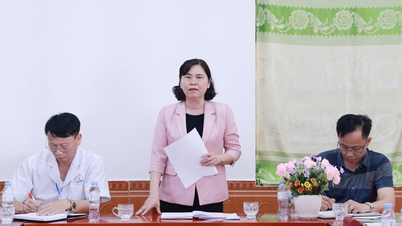
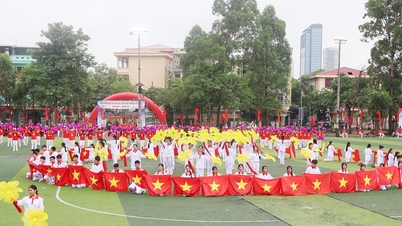
Ms. Nguyen Thi Huong (far right) , Chairwoman of the Women's Union of Yen Phong commune, presents a gift to a model family dedicated to learning and reading in Dong Thai. |
Besides the Yen Phong Gazetteer, in the book "Stories of My Village" - published by Vietnam Women's Publishing House in 2021 - by Mr. Cao Van Ha, a descendant of the Cao family in Dong Thai - it is also recorded that: In the early 1800s, while migrating for a living, a group of people from Noi Roi village (Bac Ly commune, Ly Nhan district, Ha Nam province) stopped at Dong Xuyen wharf, on the Cau River.
On their journey to find a new home, they no longer had the heart to bring with them the unique folk art of water puppetry, only the traditional crafts of weaving baskets, carving carrying poles, and making bamboo boats to make a living. The lack of land to call their own continued to haunt them, gradually forming a settlement that has existed for over 140 years.
During that time, they had to live on the land of the people of Dongxuan, a thousand-year-old village that also had a tradition of weaving baskets, sieves, and winnowing trays, so they easily empathized with and accepted their new neighbors.
| The person who coined the name Dong Thai village (meaning densely populated and peaceful) was the patriot Nguyen Binh Niem, from Nam Dinh province (now Ninh Binh). Mr. Niem taught and was involved in revolutionary activities in Yen Phong before the August 1945 General Uprising. Thanks to the attention of the Party and the State, the people of Dong Thai were allocated land, mostly from Dong Xuyen village. Therefore, they always felt grateful to their "brothers" Dong Xuyen for their support and for sharing their joys and sorrows. |



Settling in Dong Xuyen wharf, the majority of the people originally from Noi Roi were healthy, skillful, and dynamic in their traditional crafts. From the Cau River wharf, they traveled upstream to Thai Nguyen and Bac Kan to buy bamboo and rattan, then built rafts to bring back downstream. These materials were not only traded and circulated at the river wharf but also sold throughout the region. Taking advantage of the new land, more and more people from Noi Roi migrated from Ly Nhan to Dong Xuyen, with those who arrived later relying on those who came before.
Mr. Cao Van Sang, 89 years old, one of the most successful pioneers in the economic development of Dong Tien commune, Yen Phong district in the past, through the construction materials business - reflected: "Since childhood, through the stories of the elders and later as I grew up, I deeply felt the thoughts and aspirations of the residents who wished for their community to have a village name, not to be called 'outsiders'."
For over 140 years, the village lived as a temporary settlement, and only after the successful August Revolution was it given a name. The person who coined the name Dong Thai (meaning densely populated, peaceful, and prosperous) was the patriot Nguyen Binh Niem, originally from Nam Dinh province (now Ninh Binh), but who settled, taught, and engaged in revolutionary activities in Yen Phong before the August 1945 General Uprising. Thanks to the attention of the Party and the State, the people of Dong Thai were allocated land, mostly from Dong Xuyen village; therefore, they always felt grateful to their "brothers" Dong Xuyen for their support and for sharing their joys and sorrows.
A desire for change
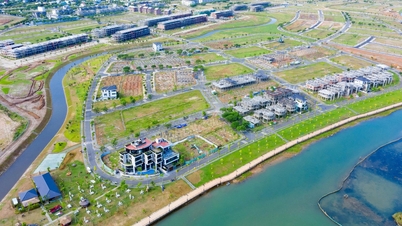
Having survived for over 200 years in this new land, from a group of people from Noi Roi, residing in an unnamed village on the embankment of the Cau River, Dong Thai has today become a prosperous village with nearly 500 households and over 1,700 inhabitants. Before the administrative merger and the operation of a two-tiered local government model, Dong Thai village belonged to Dong Tien commune, former Yen Phong district, now part of Yen Phong commune.
 |
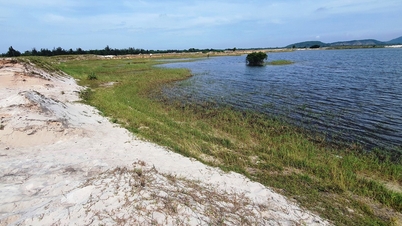
A panoramic view of Dong Thai village along the Cau River. |
What is admirable is that, despite having officially become Quan Ho singers for 80 years, the people of Dong Thai have not forgotten their roots. They still maintain close ties with their relatives in their ancestral village of Noi Roi, where about 200 households still live. On important holidays of the two villages, delegations representing the Truong and Cao clans visit each other to reminisce about the past and share stories of the present.
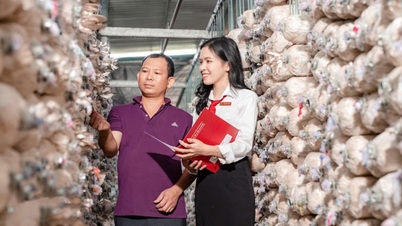
Mr. Truong Van Thang, Head of Dong Thai village, shared: “We are very proud that Dong Thai village is home to dynamic, skillful, generous, and approachable people originally from Noi Roi. We are even more proud that Dong Thai's economy is currently a bright spot in Yen Phong, with only 3 poor households remaining in the village, and we are striving to eliminate poverty altogether. Today, Dong Thai has an urban appearance, with highly developed services, and will become a residential area when Yen Phong commune becomes a ward.”

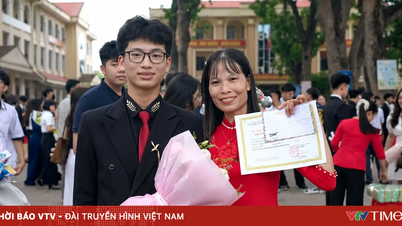
Mr. Duong Duc Nghia, Vice Chairman of the Provincial Association for the Promotion of Learning, said: "Since March 2019, when the new learning promotion model, also known as the inspirational learning promotion model, was implemented in Dong Tien commune, the movement to promote learning and talent here has quickly been promoted and become a bright spot in the province, especially Dong Thai village."
The Kinh Bac region is known as a land of spiritual significance and outstanding people because for thousands of years, it has continuously spread and absorbed the positive values of social life. Along the legendary Cau, Thuong, and Duong rivers, countless people who wandered here were loved and cared for by the people of Kinh Bac. One day, they proudly became Quan Ho singers, never forgetting their roots and homeland, just like the people of Dong Thai, originally from Noi Roi today.
Source: https://baobacninhtv.vn/bg2/dulichbg/kinh-bac-cho-che-thanh-nguoi-quan-ho-postid448807.bbg