In Hai Phong, the buffaloes participating in the traditional buffalo fighting festival in Do Son are cared for, fed, and trained like professional fighters.
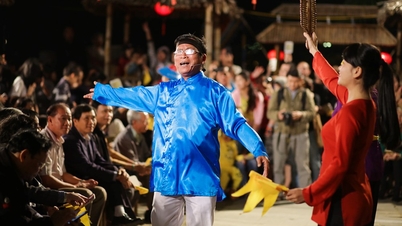
These days, the central stadium in Do Son district, where the buffaloes will compete on September 23rd (the 9th day of the 8th lunar month), is always bustling. While the festival organizers are busily preparing for flag dances and drumming, the fighting buffaloes are also being brought out to familiarize themselves with the arena.
According to Hoang Gia Vinh, 40, from Bang La ward, who once owned a champion buffalo, the buffalo stops strenuous training three weeks before the festival and is mainly taken out to the arena to get used to the lively atmosphere of a crowded place.
Mr. Vinh's buffalo, number 07, was purchased in Cambodia in 2022 for 100 million VND, making it the smallest of the 16 buffaloes participating in this year's festival. In the first round, buffalo number 07 will have to face buffalo number 03, the largest buffalo in the history of the festival's final rounds. "There's nothing to worry about, buffalo fighting always has interesting surprises," Mr. Vinh said.
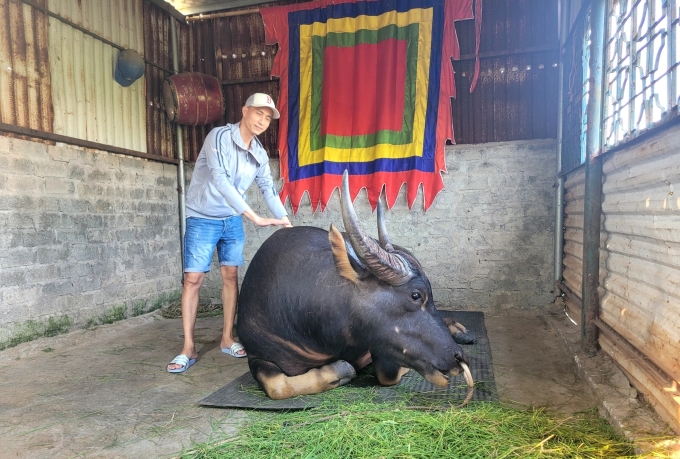
Vinh confidently believes the smallest buffalo at this year's festival will create a surprise. Photo: Le Tan
Having been involved with buffalo fighting since he was 7 years old when his grandfather took him to buy buffaloes, Vinh still remembers having to prepare for the festival right after the Lunar New Year. Villages would send experienced people to the district to obtain travel permits to go throughout the provinces of Hai Duong, Quang Ninh , and Thai Binh to find and buy fighting buffaloes. "The elders would go around asking locals if they had any buffaloes that wanted to fight, then they would go and see them and ask to buy them. Back then, the buffaloes were also used for plowing, not as large as they are now," Vinh recounted.
For about 10 years now, fewer places sell fighting buffaloes, so people in Do Son have to go to the northern mountainous regions, the Mekong Delta, and even to China and Southeast Asian countries to buy them. The price of buffaloes has also increased from a few million dong to hundreds of millions dong per animal. In addition, transportation costs are expensive, and the cost of care amounts to about 100 million dong per year. Therefore, buffalo owners in Do Son are usually wealthy and have a strong passion for their local tradition.
According to buffalo owners, buffaloes from the North, although smaller in size than those from the West or foreign breeds, have better endurance and tenacity. Each buffalo has a unique fighting style that cannot be trained. Some buffaloes use a tiger-like leap, some only use a sideways kick, and some use both. Buffalo owners rely on the fighting style and habits of their "bull" to nurture and develop its fighting skills, rather than forcing it to fight according to their wishes.
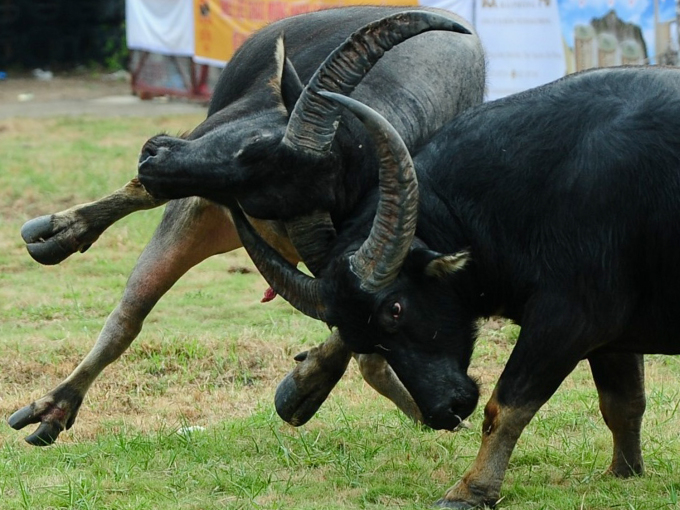
The buffalo fighting in Do Son is dramatic and full of surprises. Photo: Le Tan



Buffaloes must be between 10 and 15 years old to be suitable for fighting, as young buffaloes are easily intimidated, while older buffaloes weaken quickly. In addition, auspicious physical features according to folk beliefs, such as hooves, markings, swirls, eyes, and ears, are also selected according to the owner's preferences. Specifically, a powerful buffalo should have large horns with the tips of the horns close together; small, red eyes with thick eyelashes; strong hooves, robust hamstrings, a thick tail, thick skin, and dense hair.
Many buffalo owners spend weeks, even months, searching for a buffalo they like. "Each owner has their own way of looking at buffaloes. For example, I prefer buffaloes that have been in combat and fought many times. Like martial artists, they need real combat experience to gain it," Vinh said.
The buffaloes, once purchased, are given nutritious food to improve their strength and physique. Each day, they consume 50 kg of grass and dozens of sugarcane stalks. Six months before the festival, their diet is supplemented with chicken eggs, honey, beef porridge, ginseng, vitamins C and B1, and beer. Anything the buffaloes cannot eat on their own is fed through homemade plastic tubes. Each month, a single fighting buffalo consumes 10 million VND worth of various feeds.
While sparing no expense in feeding their buffaloes nutritious food, buffalo owners must also monitor their health and droppings to adjust the feed rations appropriately. Sick buffaloes take a long time to recover. In fact, some buffaloes have even died from illness.
Along with a lavish diet, fighting buffaloes also undergo a special training period. From 5 am, the buffaloes are taken to wade through mud, run in the sand, and swim in ponds to improve their physical fitness and strengthen their legs. Some people even tie the buffalo's horns to heavy tree trunks to train their neck muscles and prepare them for being hit by a stretcher.
Trainers must understand the buffalo's temperament and health to create a suitable training program; otherwise, the buffalo will resist or get injured. "Caring for buffaloes is very elaborate and time-consuming, so the owner has to hire two to three extra people. In addition, many buffalo-loving friends also contribute their efforts to ensure the best care for the buffalo," said Mr. Luu Dinh Nam, the owner of the 1.3-ton buffalo at this year's festival.
Besides nourishing and physical training, in the afternoons, the buffaloes are brought to crowded areas, adorned with ceremonial flags, to listen to the festival drums. This helps the buffaloes get used to the festival atmosphere and prevents them from being overwhelmed when they fight. Many owners also tie their buffaloes next to each other or have them spar to stimulate their fighting instincts. In nature, male buffaloes fight to defend their territory or to estrus. When they see an opponent encroaching on their territory, the buffaloes become aggressive. The buffalo owners must awaken that fighting instinct, not use stimulants as many people speculate, affirmed Mr. Hoang Dinh Tuan, Vice Chairman of the People's Committee of Do Son District and Head of the festival organizing committee.
The buffalo owners in Do Son are all experienced, but no one dares to claim their buffalo will win the championship or be victorious in the first round. Some large, beautiful buffaloes, which have won championships in other localities, have lost in Do Son. Others, bought from locals and considered "weaklings," have fought exceptionally well and become champions. Many people enjoy watching Do Son buffalo fights because of their drama and unexpected twists.
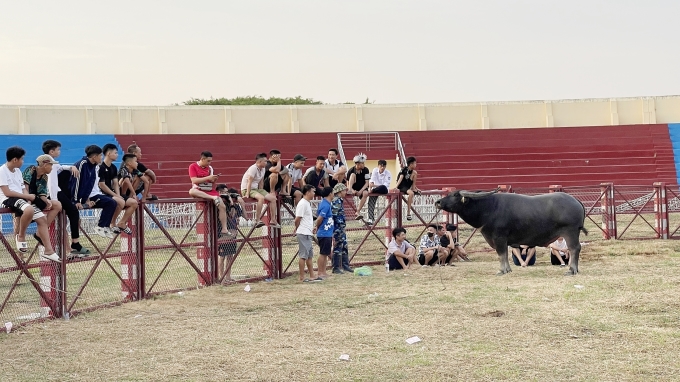
The buffaloes were brought to the stadium to get used to the festive atmosphere. Photo: Le Tan
According to ancient records, the Do Son buffalo fighting festival dates back to the 17th century. After a period of interruption, the festival was restored in 1990 with its full traditional character. In 2012, the festival was recognized as a National Intangible Cultural Heritage.


The festival lasts 16 days (from August 1st to August 16th according to the lunar calendar) and is highly regarded by the people of Do Son. Previously, the festival had qualifying rounds held in June according to the lunar calendar. After the incident in 2017 where a buffalo gored its owner to death, the qualifying rounds were not allowed to be held.
Every year, the buffalo fighting festival attracts tens of thousands of participants, despite conflicting opinions regarding its somewhat violent nature and the buying and selling of buffalo meat.
Le Tan
A 1.3-ton buffalo participates in the Do Son buffalo fighting festival.
The buffaloes used in the Do Son buffalo fighting competition must pass three rounds of testing.
Source link