

From education investors and administrators to teachers, the common expectation is to quickly implement the policy, creating a foundation for the sustainable development of education.
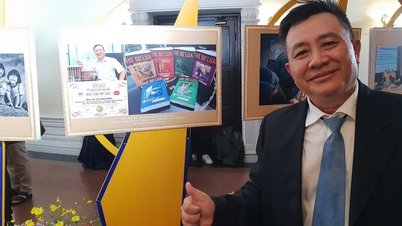
Dr. Nguyen Duc Quoc - Chairman of Nam Viet International Education Group: Creating a holistic education system.
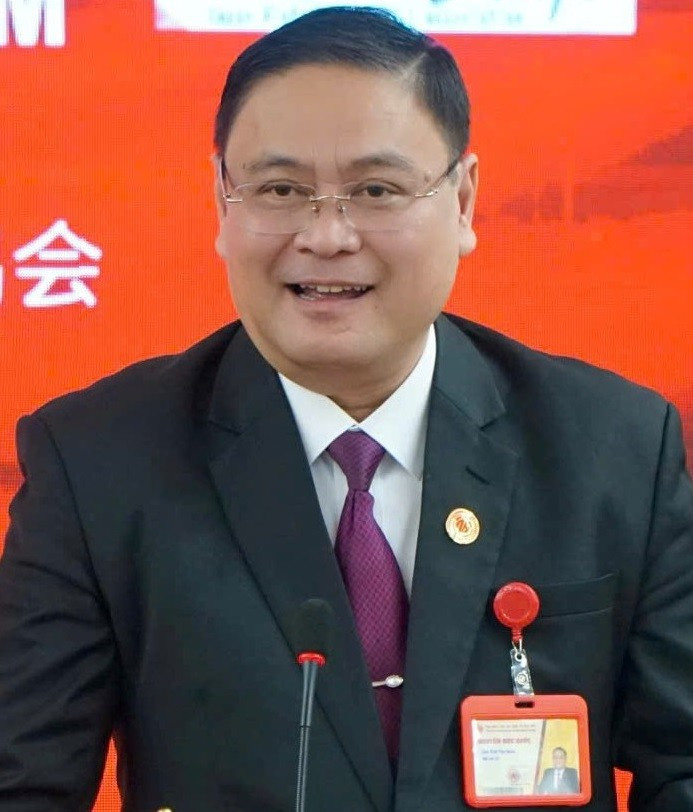
From the perspective of an investor and an education administrator with many years of experience working with the Nam Viet Preschool - Primary - Secondary - High School system (Ho Chi Minh City), I hope that the education sector will continue to steadfastly pursue the goal of putting learners at the center, gradually reducing the pressure of achievement and examinations, and instead focusing on developing students' comprehensive abilities.
In my opinion, education should not only focus on imparting knowledge, but also on fostering independent thinking, self-learning abilities, life skills, and humanistic values. Innovations in curricula, textbooks, and teaching methods should be evaluated based on the actual quality of student outcomes, rather than solely on statistics or administrative reports.
At Nam Viet Kindergarten - Primary - Secondary - High School, in accordance with the spirit of Resolution No. 71/NQ-TW dated August 22, 2025, of the Politburo on breakthroughs in education and training development, we have set the goal of developing education in a sustainable, long-term, and in-depth manner, not chasing short-term achievements, but focusing on building a solid foundation for the comprehensive growth of learners.
Based on this foundation, the Group continues to perfect its comprehensive educational ecosystem, placing students at the center of all strategies, investments, and innovations; while simultaneously improving the quality of training programs, innovating teaching methods, and building a safe, humane, and enriching learning environment, thereby contributing to the formation of a generation of citizens with knowledge, character, and a desire to contribute to the country.
As an investor in the private education system, I also hope that in 2026, the education sector will continue to improve the mechanisms for regular training and professional development, while also implementing policies to appropriately recognize and honor the teaching staff, both in the public and private education systems.
I also expect the sector to continue building an equitable and transparent educational environment across all types of schools. Whether public or private, educational institutions share the common goal of educating people for society, and therefore need to have access to policies that are fair and appropriate to the specific characteristics of each model. When there is harmonious coordination between different types of education, the entire sector will have more resources to improve quality, reduce pressure on the state budget, and better meet the increasingly diverse learning needs of the people.
In the context of increasing digital transformation and international integration, it is hoped that the education sector will continue to orient the application of technology in a flexible and effective manner, considering technology as a tool to support innovation in management and teaching, but without overshadowing the central role of teachers and the core humanistic values of education.
Furthermore, expanding international cooperation and absorbing the best practices of advanced education should be implemented in a manner consistent with practical conditions, while preserving national cultural identity. Looking ahead to 2026 and beyond, the expectation is not just about integration for ranking purposes, but more importantly, about using integration to improve the quality of human resources, contributing to a solid foundation for the sustainable and long-term development of the country.
Mr. Nguyen Cong Danh – Principal of Na Ngoi Ethnic Boarding Junior High School ( Nghe An ): Wishing to create momentum for the development of education in mountainous regions.
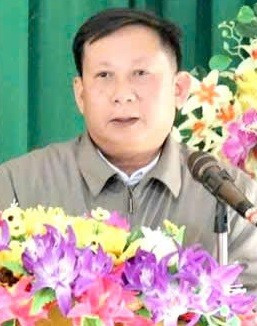
Having been involved in education in mountainous regions for over 30 years, I have had the opportunity to witness significant transformations in the "nurturing of human resources" in these areas, from the perspective of a classroom teacher to that of an administrator.
It can be affirmed that, in recent years, education in mountainous and ethnic minority areas has always received special attention from the Party, the State, and the Education sector, as demonstrated through many practical policies and initiatives. Most recently, this includes the program to build 248 multi-level boarding schools in border communes nationwide.
In Nghe An province, the Na Ngoi Inter-level Boarding School is the first project to be started, and it was honored to welcome General Secretary To Lam to attend and share with the teachers, students, and local people. This initiative has profound humanitarian significance, not only creating a comprehensive learning environment for students in border areas, but also helping teachers feel secure in their work and wholeheartedly dedicate themselves to their teaching duties.
Currently, Na Ngoi commune has over 1,900 students from grades 1 to 9, of which approximately 1,500 are in grades 3-9. The Na Ngoi Inter-level Boarding School, built with 45 classrooms, is capable of meeting the boarding school needs of students in the area. I believe that the work of promoting and encouraging parents and students to participate in studying at the boarding school will be successful.
In reality, many parents work far from home in industrial zones, leaving their children at home with grandparents. With boarding schools, parents feel more secure knowing their children are well cared for, supervised, and educated. Even families living near the school would prefer their children to stay in a boarding school; however, regulations only prioritize students living 5-7km or more from the school, depending on the grade level.
Along with investment in infrastructure, policies for teachers are constantly improving. Resolution 71/NQ-TW of the Politburo clearly demonstrates concern for teachers' lives, from salaries and allowances to seniority benefits and preferential policies to attract and retain teachers in particularly difficult and border areas. I frequently discuss with staff and teachers that: With increasingly better benefits, each teacher needs to enhance their sense of responsibility, proactively study and improve their professional skills, thereby improving the quality of teaching.
Previously, each mountainous district in Nghe An province had only one ethnic boarding secondary school, selecting students with excellent academic performance and considered the "leading school" in terms of quality. The current model of multi-level boarding schools differs in that it is under the jurisdiction of the commune level and accepts all students in the area. To ensure this model operates effectively when transitioning from semi-boarding to multi-level boarding in the next academic year, I hope that the provincial authorities and the Education Department will pay attention to organizing training and professional development for the staff and teachers.
In the context of implementing a two-tiered local government system, the newly merged communes, although large, cannot have as many educational institutions as the former districts. Therefore, the exchange and interaction of teaching expertise between teachers and students is limited. This is especially true for mountainous communes, where the number of schools and teachers is small; in some communes that did not undergo mergers, each educational level only has one school.
Therefore, I propose that the Education sector establish a mechanism for professional development activities in clusters, creating conditions for teachers and students to exchange, learn, and share experiences. Education, like other fields, needs connection and competition to create momentum for development; if it is confined to the scope of a single commune, it is easy to develop a mentality of complacency with what has already been achieved.
Teacher Tran Binh Trong - Dinh Thanh High School (Dinh Thanh, Ca Mau): I hope the "discrepancy" in teacher promotion assessments will be resolved.

Over the past year, the education sector has been marked by many important policies and initiatives that directly impact the teaching staff. These include Resolution No. 71-NQ/TW (August 2025) on education and training, the recently passed Law on Teachers, the Ministry of Education and Training's continued guidance on reviewing the promotion of teachers' professional titles through Official Letter No. 7723/BGDĐT-NGCBQLGD, and most recently, the decision to implement a unified set of textbooks nationwide…
These are major guidelines, clearly demonstrating the concern of the Party, the State, and the Education sector for the role, status, and rights of teachers in the current period of reform.
Resolution 71-NQ/TW is considered a groundbreaking document, affirming that education is a decisive factor in the nation's destiny and setting the goal of building an autonomous, modern, equitable, and internationally integrated education system. Solutions such as raising vocational allowances to at least 70%, waiving tuition fees and textbook costs until 2030, etc., will contribute to reducing pressure on teachers and students, ensuring fairness in access to knowledge, especially in disadvantaged localities.
The passage of the Law on Teachers is a significant milestone, contributing to affirming the position and role of teachers in society, while also creating a legal basis to protect the rights and improve the material and spiritual lives of teachers. This also serves as a foundation for building a standard, professional teaching staff, meeting the requirements of educational reform in the new era…
The above policies demonstrate that the Ministry of Education and Training and other education management agencies have shown determination and responsibility in affirming the role, position, and protecting the legitimate rights of teachers.
Based on my practical experience, I remain concerned about the promotion of professional titles, even though the Ministry of Education and Training has issued Official Letter No. 7723/BGDĐT-NGCBQLGD to review and resolve obstacles. In my locality – especially after the merger – there are still many high school teachers who meet the criteria but have not been considered for promotion. This directly affects our legitimate rights and morale in our profession.
I also hope that public opinion and society will have a more comprehensive understanding, because many policies regarding teachers are still in the form of documents, resolutions, or are in the process of being finalized and have not yet been implemented uniformly.
Entering the new year 2026, I expect the Education sector to continue effectively implementing the resolutions, laws, and policies already issued according to the planned schedule, in a synchronized and unified manner across localities and closely aligned with practical realities at the grassroots level. Policies on salaries, preferential allowances for professional qualifications, and promotion to higher professional ranks should be implemented fairly and transparently across localities, addressing the disparities after mergers, so that the legitimate rights of teachers are fully and promptly protected.
For teachers working in disadvantaged areas, we hope that the local education sector will continue to pay attention to the conditions of facilities, housing, teaching equipment, and long-term incentive policies… so that they can feel secure in their schools and classes and remain committed to the locality in the long term.
More importantly, the teaching staff expects the education sector to create a positive, humane, and respectful working environment for teachers, helping each teacher feel the value of their profession and be proud of their work. When rights are guaranteed, teaching conditions are improved, and teachers are further motivated, empowered, and creative, the quality of education will certainly be sustainably, comprehensively, and substantially improved, meeting the expectations of society in the era of reform and integration.
Mr. Nguyen Van Nhan – Teacher at Tra Leng 1 Ethnic Boarding Primary School (Tra Leng commune, Da Nang city): Bridging the gap between tenured and contract teachers in mountainous areas.
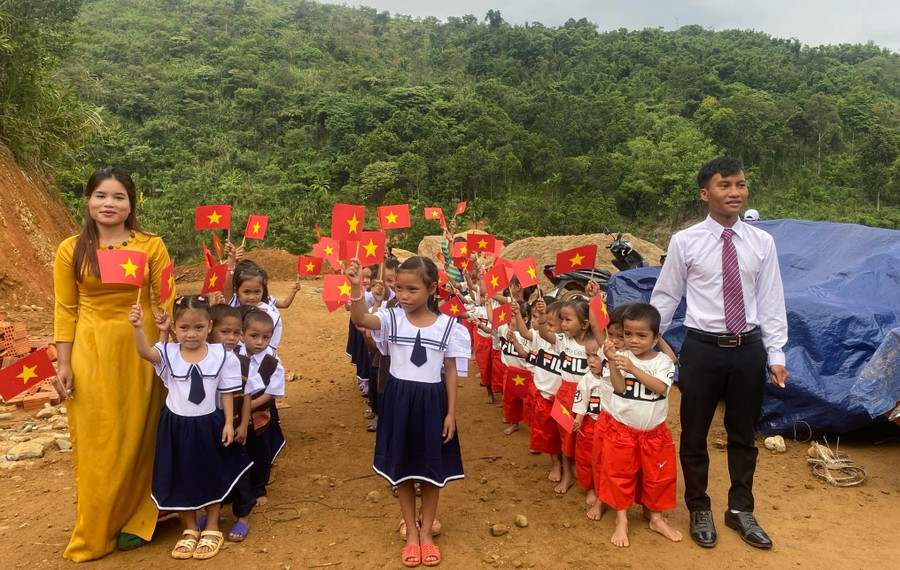
I didn't come to teaching through a momentous decision, but rather a natural choice for someone born in the mountains, who understands how illiteracy has severely impacted so many lives. In 2019, I began teaching on a contract basis at Tra Don Ethnic Boarding Primary School in Nam Tra My District. To date, I've been dedicated to teaching under the canopy of the Ngoc Linh forest for over six years.
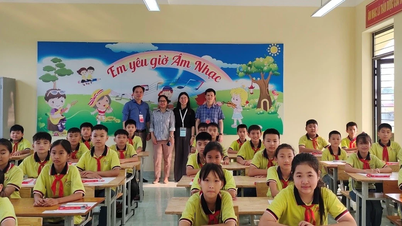
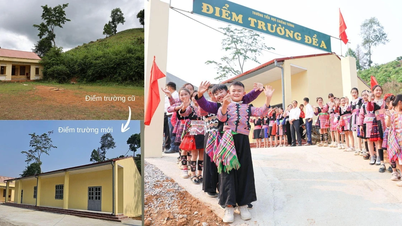
In the 2025-2026 school year, I will be teaching at Ong Yen school – a place with only 11 students in a combined first-grade and second-grade class and 5 kindergarten children in the same building. One teacher, many roles. One classroom, many levels. Here, the teaching profession is not just about teaching literacy, but also about caring for the children, maintaining the class, and upholding parents' trust in their children's education.
In this context, the National Assembly's passage of the Law on Teachers is something we – teachers in remote areas – truly hope for. Not only because it legalizes the status of teachers, but also because, for the first time, core issues such as preferential allowances, incentive allowances, seniority, and specific working conditions are addressed in a fundamental way.
The Law on Teachers officially takes effect on January 1, 2026, with notable changes to teachers' salaries, allowances, and working conditions. For us, this is not just a policy milestone, but a signal that the State has directly addressed the core issues of the teaching profession. However, now that the policy has "paved the way," the most important thing is how to organize its implementation so that these regulations truly reach classrooms in mountainous areas, where teaching and learning conditions remain challenging.
The reality in schools in mountainous areas shows that teachers are shouldering a workload far exceeding the scope of a typical lesson. Mixed-level classes, teaching across different grade levels, taking on additional responsibilities such as boarding school duties, after-school tutoring, and managing students outside the classroom are common occurrences. In conditions of poor transportation, lack of electricity, and insufficient basic infrastructure, teachers not only impart knowledge but also serve as the sole educational pillar of the community.
In this context, the new salary system for teachers is of particular importance. More than just an income adjustment, this policy reaffirms the professional value of teachers, especially in areas where their contributions are often quiet and rarely seen. However, the greatest expectation of teachers in disadvantaged areas lies not in the figures on paper, but in the timeliness, consistency, and fairness of its implementation.

If salary policies, preferential allowances, attraction allowances, and seniority allowances are implemented seriously, correctly, and at the right levels, teachers in mountainous areas will have more support to feel secure in their long-term work. Conversely, if there are delays or inconsistent implementation across localities, even correct policies will struggle to achieve their full potential.
Another issue that needs to be addressed frankly is the gap between tenured and contract teachers. In reality, many contract teachers have been teaching for many years, undertaking demanding tasks in disadvantaged areas, but have not achieved commensurate career stability. Now that the new salary scale has been established, this is the right time to design a fundamental mechanism for recruiting, transferring, and utilizing the teaching staff, prioritizing teachers who have been long-term committed to the area, especially local teachers.
With support from agencies, organizations, individuals, and charitable clubs, the infrastructure, classrooms, teaching and learning conditions, and teacher housing in remote schools have undergone many changes over the years. However, in the long term, quality investment in education in disadvantaged areas needs to change, and the model of multi-level boarding schools should be expanded.
In practice, the integrated boarding school model helps solve several problems simultaneously: reducing student dropout rates due to long distances and harsh weather; creating a stable and interconnected learning environment between different levels of education; and allowing for a more professional development of the teaching staff. When students study and live together, the school not only teaches academics but also cultivates life skills, instills good study habits, and provides guidance for their future.
For teachers, integrated boarding schools help reduce the pressure of having to be stationed individually at remote school locations, creating opportunities for living, professional exchange, and improved teaching quality. More importantly, when integrated boarding schools are comprehensively invested in terms of facilities, policies for teachers, and support for student care, this model will become a key factor in retaining both teachers and students in mountainous areas.
Entering 2026, educators in mountainous regions expect the education sector to shift strongly from a "support" mindset to an investment-based development mindset. With the Law on Teachers and the new salary system providing the legal framework, what is needed are concrete action programs, sufficient resources, and a consistent approach from the central to the local level.
Source: https://giaoducthoidai.vn/ky-vong-vao-nhung-doi-thay-post762707.html
![[Photo] Prime Minister Pham Minh Chinh receives the Director of RMIT University Melbourne (Australia)](https://vphoto.vietnam.vn/thumb/1200x675/vietnam/resource/IMAGE/2026/04/02/1775142120087_thiet-ke-chua-co-ten-2026-04-02t214220784-png.webp)










































































Comment (0)