In recent years, African swine fever has become one of the biggest challenges facing the pig farming industry in Vietnam. With its rapid spread, high mortality rate, and lack of a specific cure, the disease has caused severe damage, affecting the livelihoods of farmers and the sustainable development of the industry.
In Ha Tinh province , in 2025, the disease broke out on a large scale, forcing the culling of more than 36,500 pigs. Entering the first six months of 2026, although the situation has "cooled down" and livestock farming is more stable, the risk of a widespread disease outbreak remains.
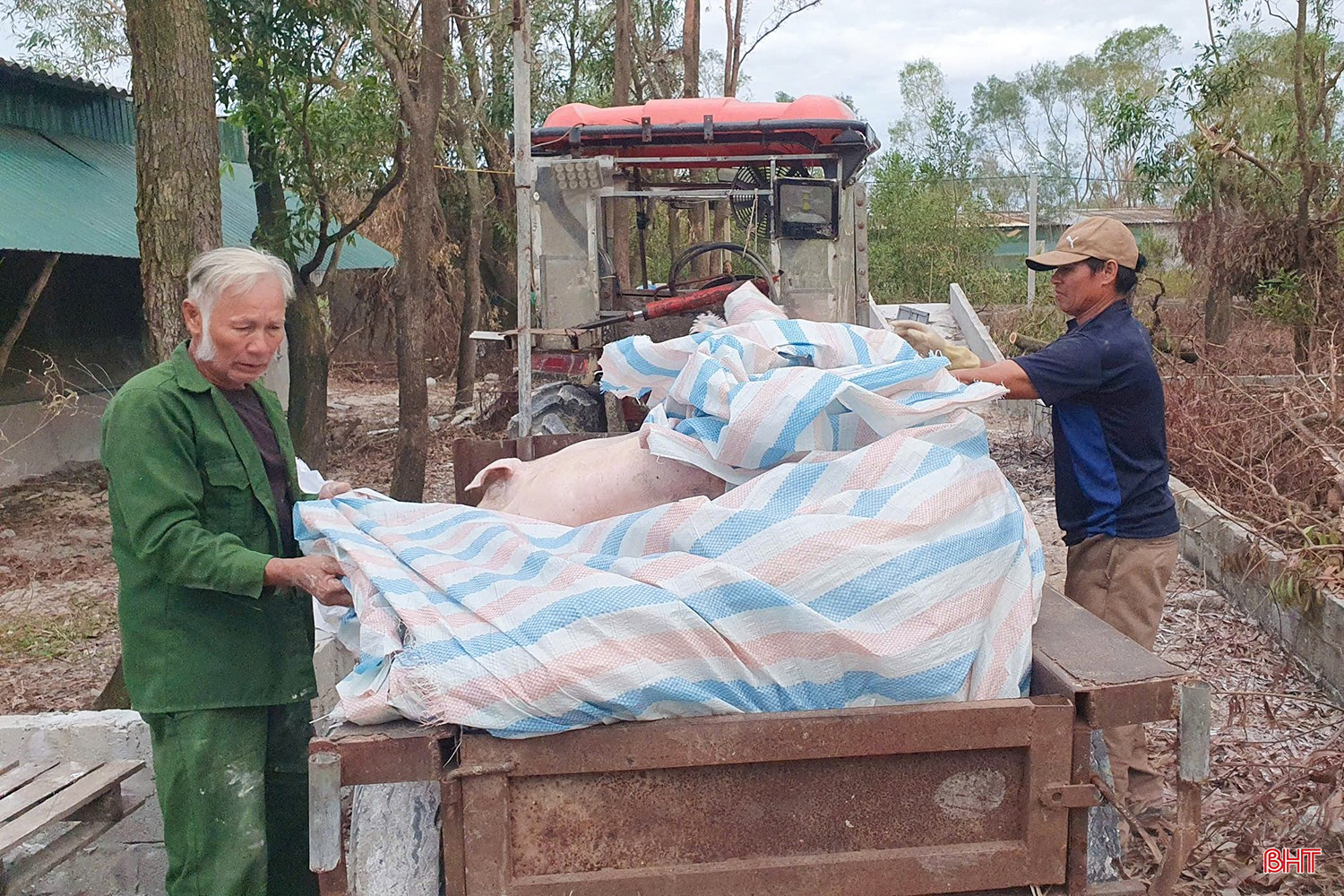
According to expert assessments, the majority of outbreaks occur in small-scale, household livestock farms with limited housing conditions and inadequate implementation of biosecurity measures. Furthermore, despite the frequent mention of "biosecurity," many farmers remain confused about how to apply specific measures to their production processes.
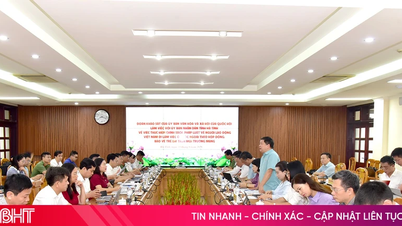
To address the aforementioned shortcomings and to develop and perfect a biosecure, contactless pig farming process suitable for household-scale farming, the Department of Agriculture and Environment of Ha Tinh Province, in coordination with the People's Committee of Truong Luu Commune, has implemented a model in 10 households in Hong Son and Tra Son villages since August 2025.
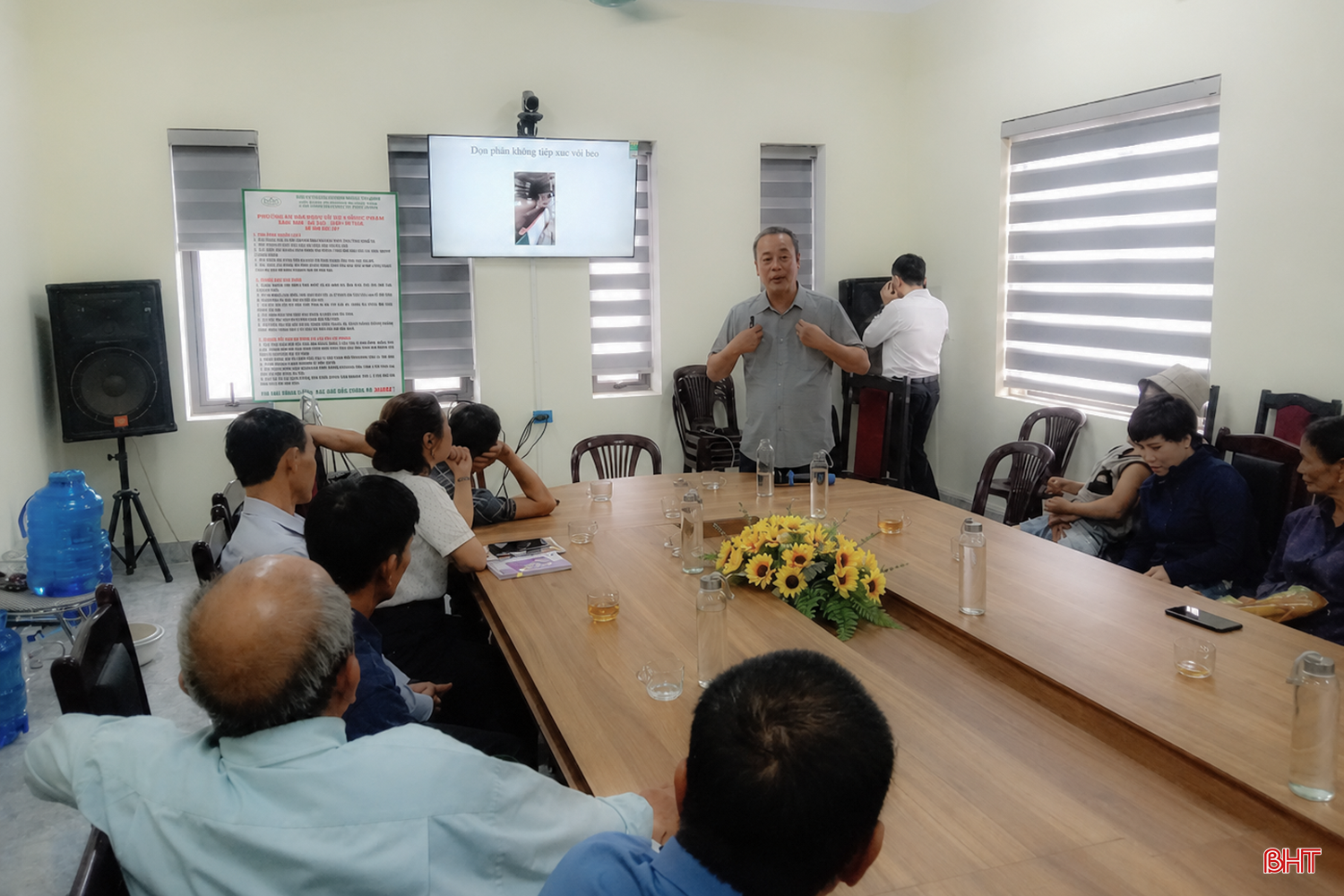
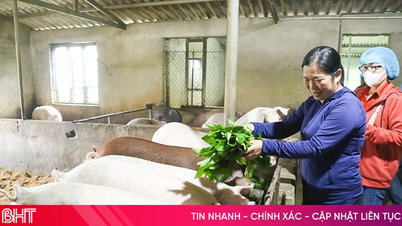
The family of Ms. Dau Thi Hoa (Hong Son village) is one of the households participating in this model. Previously, disease prevention and control relied mainly on experience, and the livestock housing system was still simple.
After receiving direct guidance from technical staff, the family renovated the livestock pens, established procedures for controlling the entry and exit of people and vehicles, managed feed and water, carried out regular disinfection and sanitation, and minimized the entry of disease-transmitting intermediate agents.
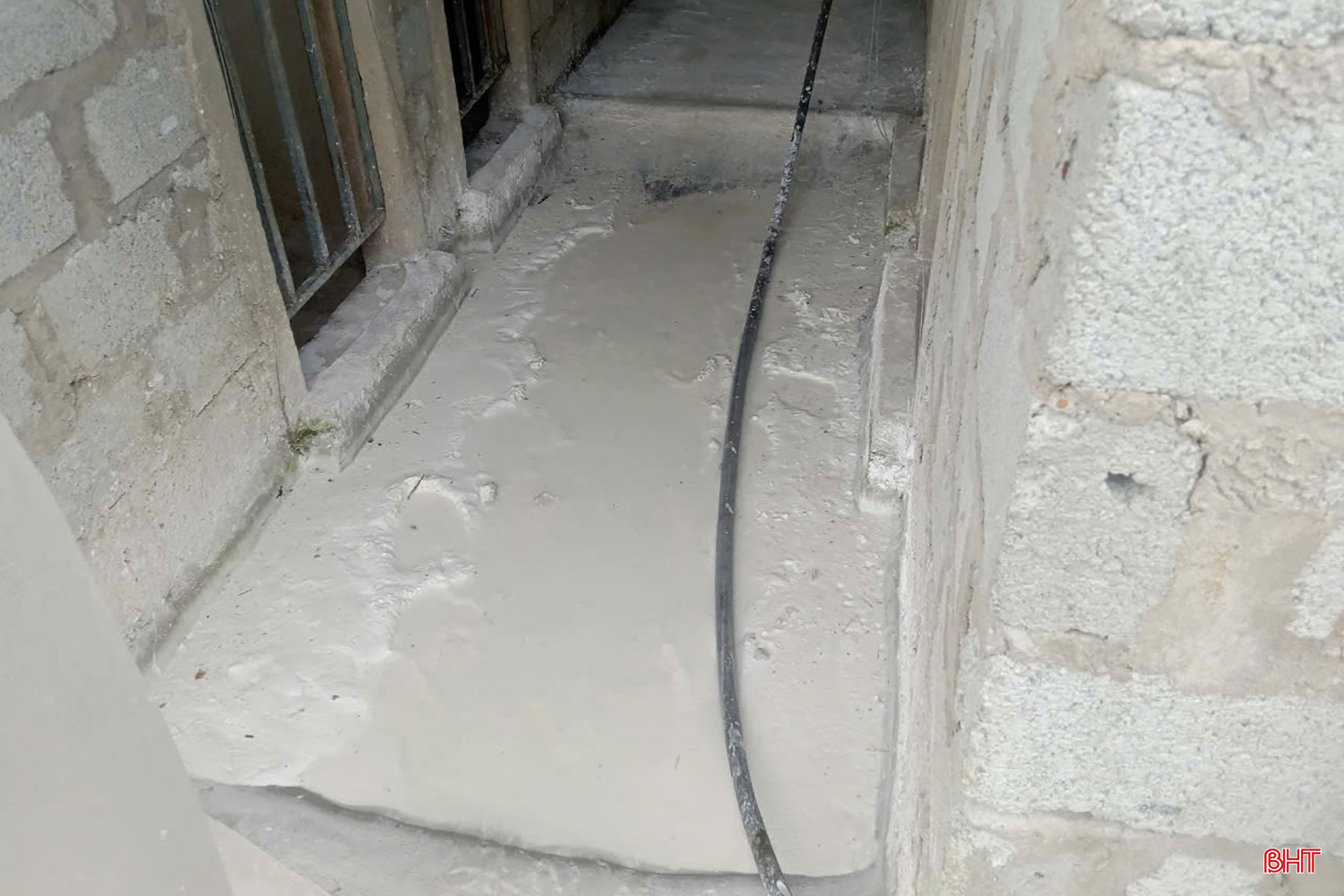
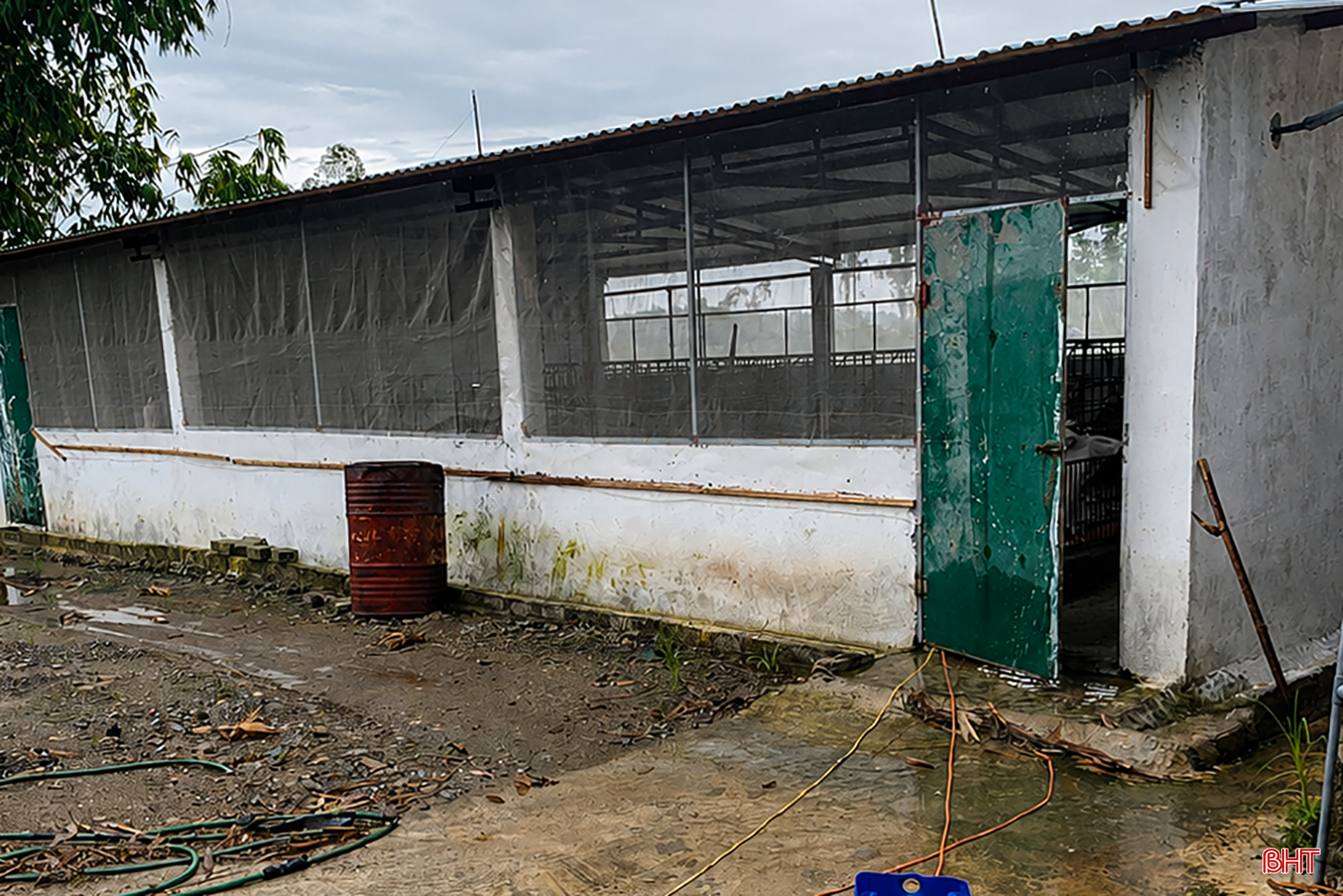


Ms. Hoa shared: "After nearly a year of implementation, our family has basically grasped the biosecurity farming process. Most importantly, farmers must change their mindset, minimizing direct contact with livestock, only entering the barn when necessary. While many neighboring households were infected with African swine fever, our family's pig herd remained stable, generating good income, so we are confident in investing in more barns to expand production in the future.”
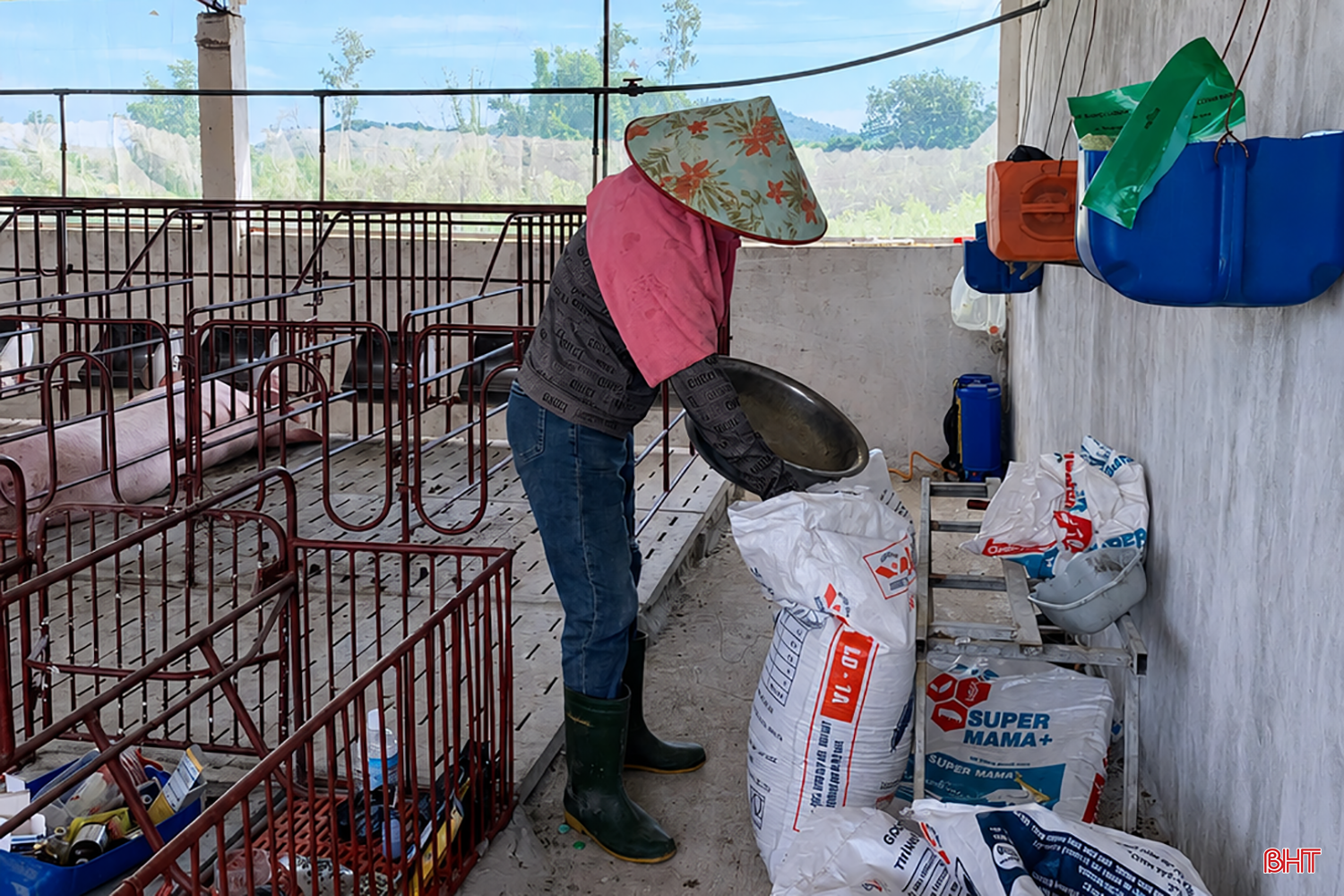
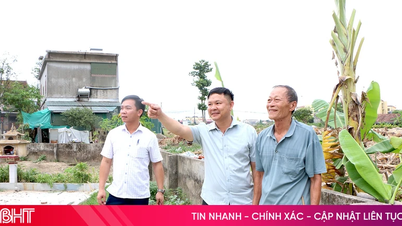
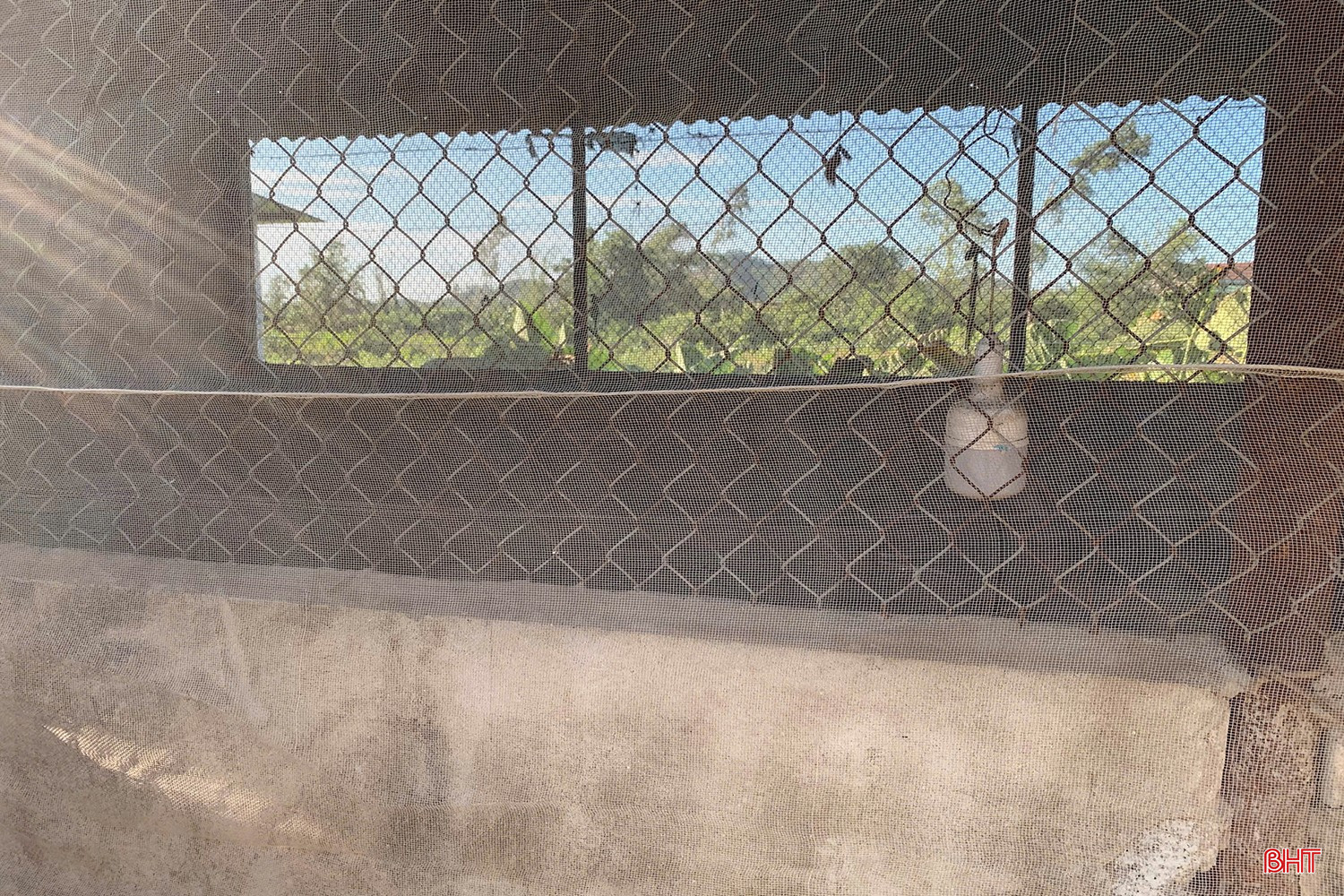
According to Mr. Nguyen Thanh Hoan, Deputy Head of the Economic Department of Truong Luu Commune People's Committee, the novelty of the model lies not in investing in expensive equipment, but in guiding and supporting people to reorganize the entire livestock farming process towards biosafety and strict control of infection risks. The livestock area is surrounded by insect and disease-transmitting vector nets, maintaining only a single entrance and exit for convenient control. Those caring for the pigs must adhere to disinfection procedures, change clothes before entering the livestock area, and minimize activities that could introduce pathogens from outside into the barn.
Monitoring results show that, despite the complex situation of African swine fever, households participating in the model have maintained healthy pig herds. As a result, farmers have stable livelihoods, the conditions to reinvest, and expand production scale.
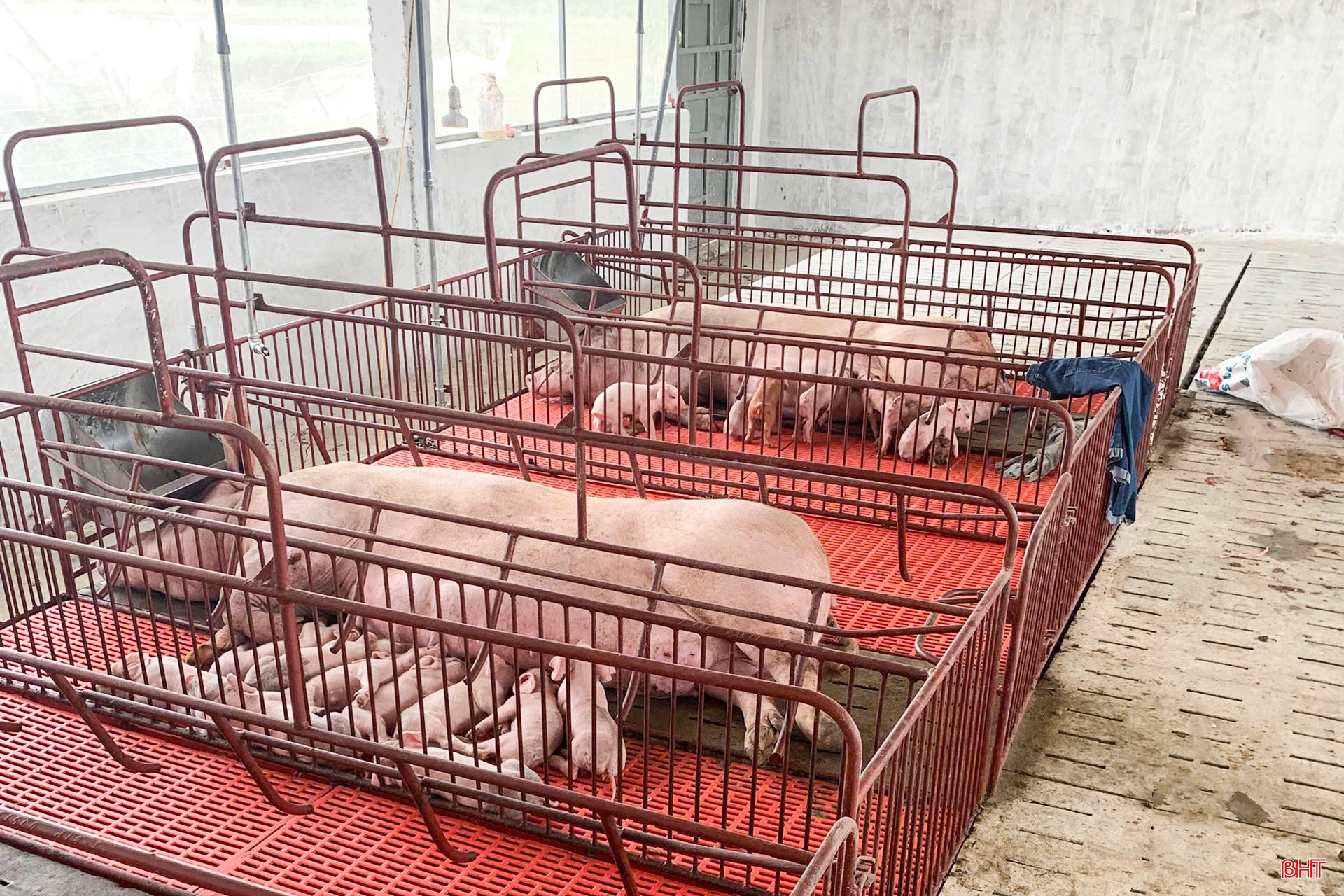
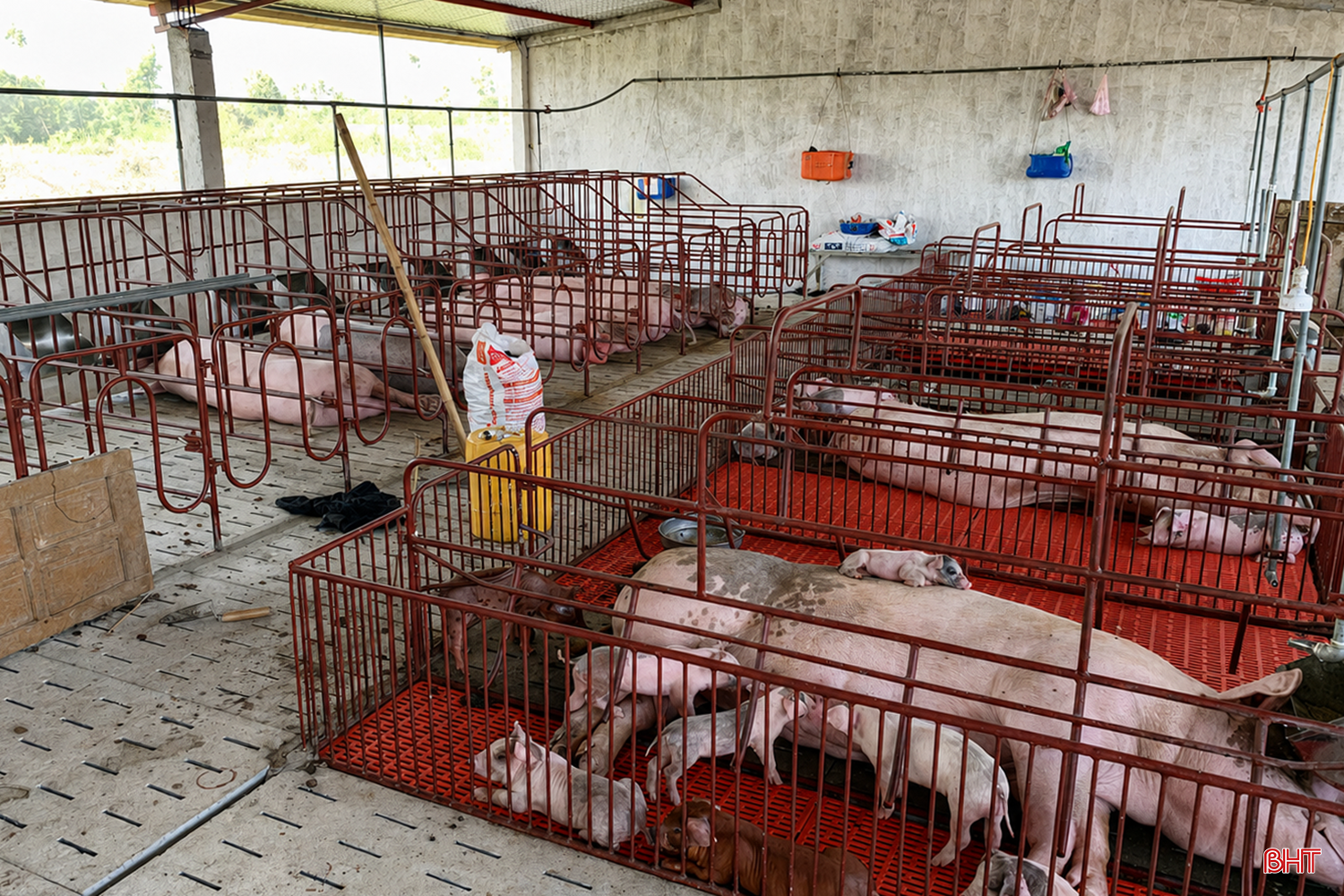
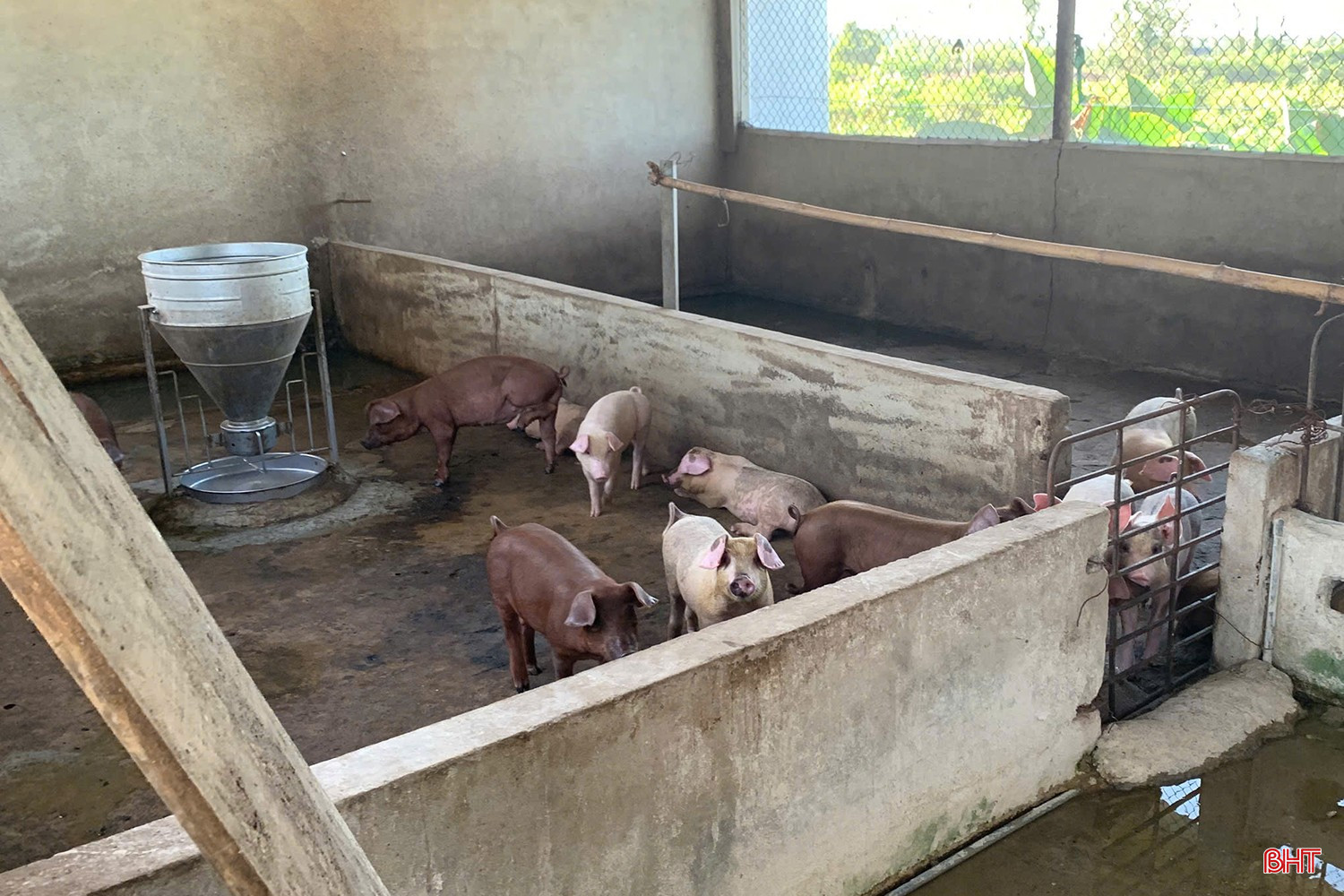
Notably, the investment cost for a small-scale pig farm is only about 5-7 million VND. Priority items include constructing a disinfection pit in front of the pigsty, providing boots, protective clothing, disinfectant sprayers, lime powder, disinfectants, and establishing an isolation area for newly imported pigs or pigs showing abnormal signs. In addition, farmers need to maintain daily hygiene in the barns, properly collect waste, periodically disinfect, and control access for people and vehicles to the farming area.
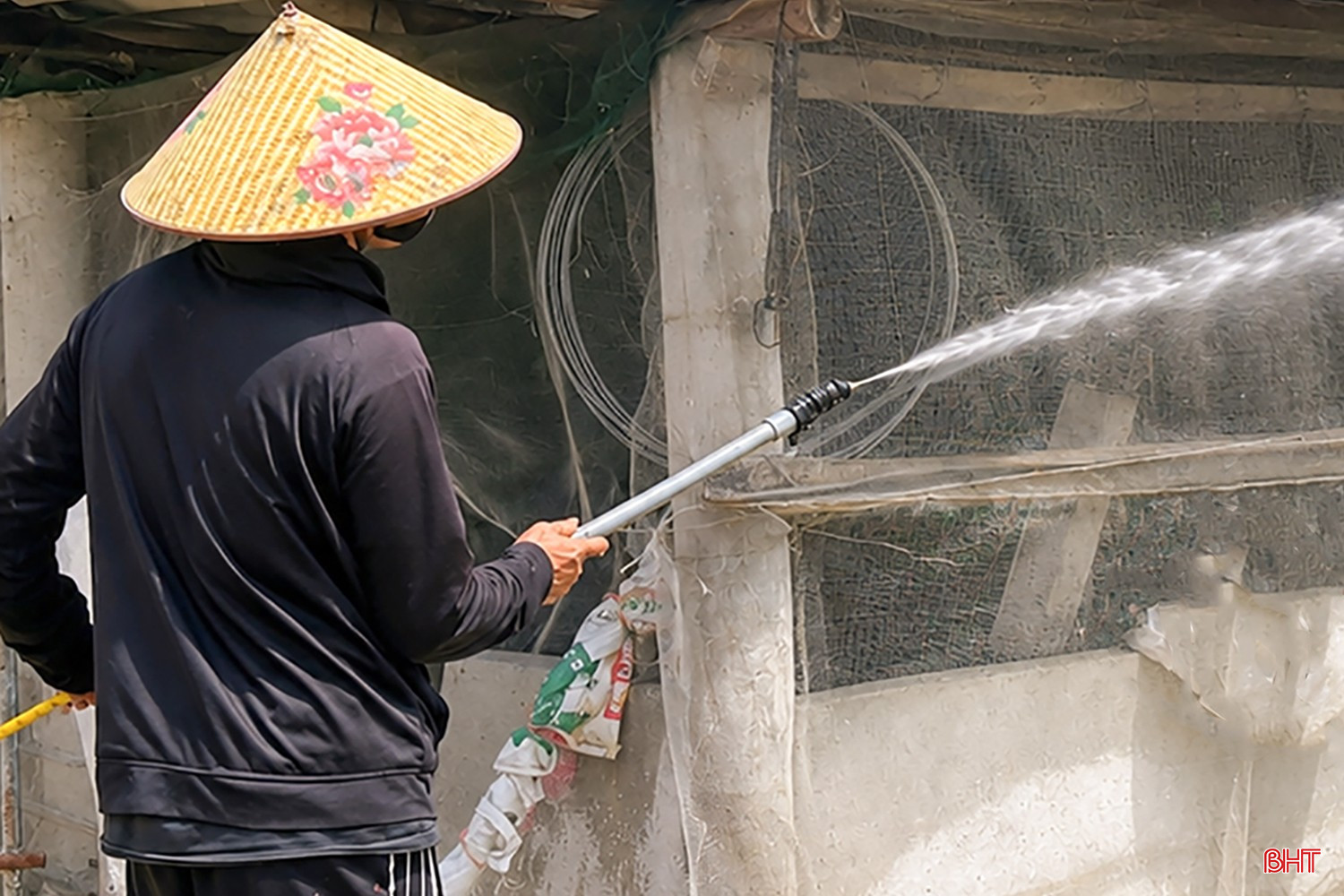




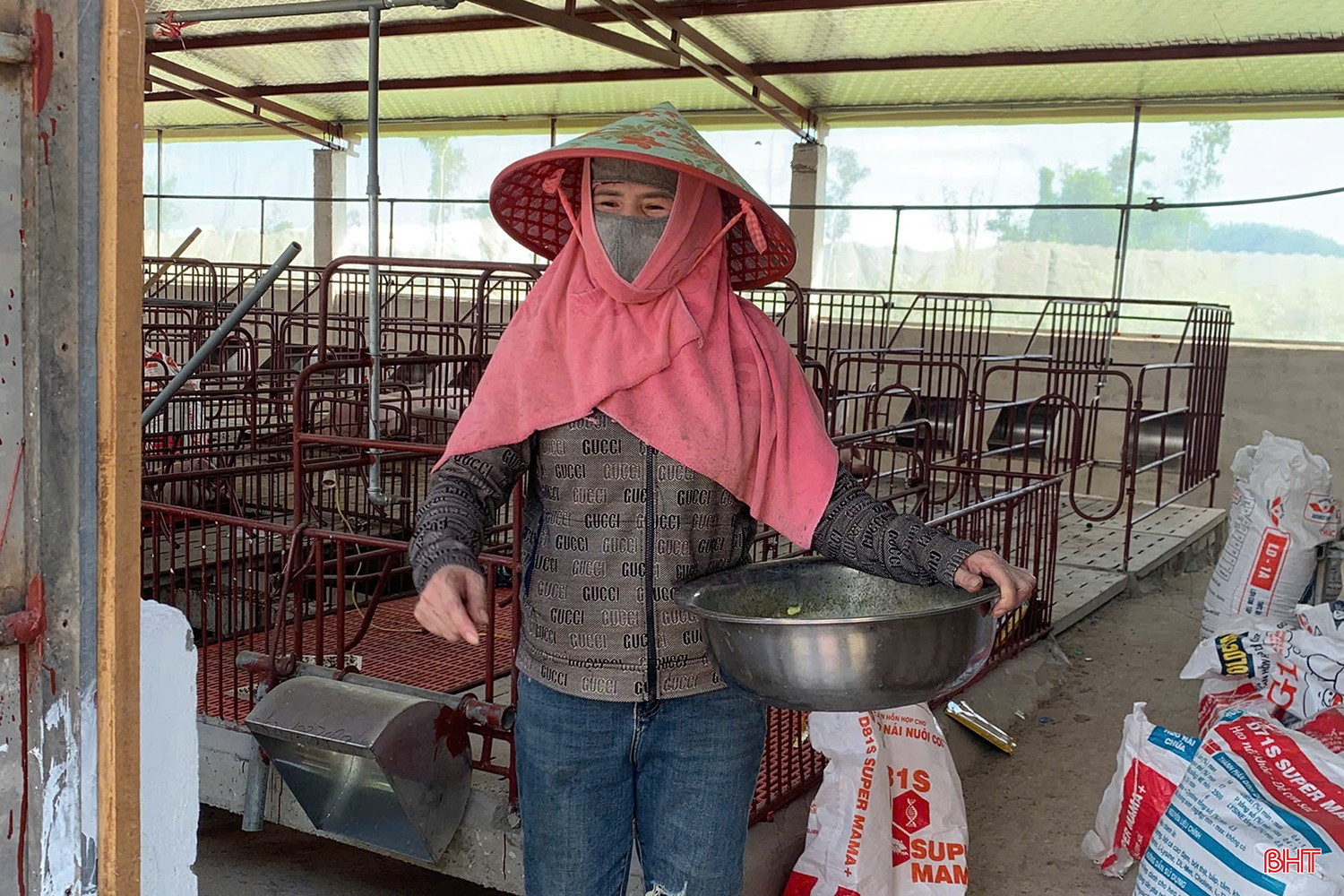
Ms. Hoang Thi Ngoc Diep, Deputy Head of the Department of Crop Production and Livestock in Ha Tinh, stated: "Through practical implementation, it can be seen that the contactless livestock farming model is relatively suitable for the actual conditions of household livestock farming in Ha Tinh, contributing to raising farmers' awareness of disease prevention and control measures. The model also helps people gradually form livestock farming practices according to biosafety procedures, improving production efficiency and aiming for sustainable development.”
Based on initial success, the relevant authorities are continuing to evaluate and refine the process to expand the contactless livestock farming model to localities with suitable conditions. This is expected to become a suitable solution to help livestock farmers proactively prevent and control diseases, minimize risks, and improve production efficiency.
Source: https://baohatinh.vn/la-chan-sinh-hoc-truc-dich-ta-lon-chau-phi-post312994.html





![[Photo] Strengthening character and expertise: Intense training for artillery soldiers.](https://vphoto.vietnam.vn/thumb/1200x675/vietnam/resource/IMAGE/2026/06/30/1782815602541_lu-368-1875-4571-jpg.webp)