

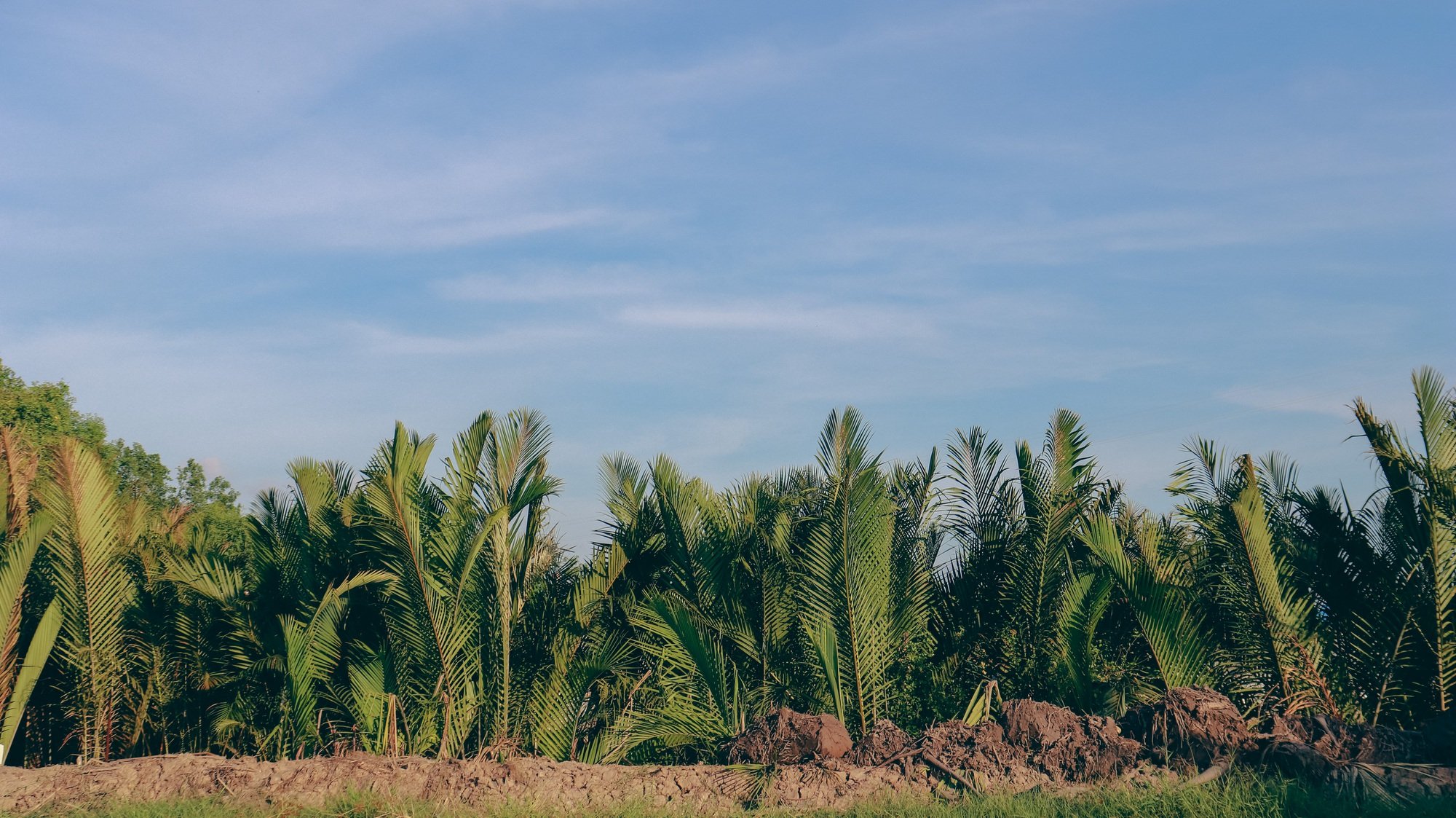
It's called water coconut because the tree grows underwater, to distinguish it from the terrestrial coconut tree.
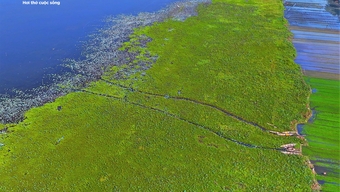
The coconut trees stand silently, their branches reaching down to the water's edge, as if tasting whether the water is salty or brackish. Their fate is intertwined with the canals of brackish waters, waiting, uncertain when they will finally taste fresh water.
The coconut tree commonly found in Ben Tre grows on land, has a woody trunk, a tall stem, and large fruits that grow in clusters; when the coconut is cut open, the water inside indicates it is a terrestrial coconut tree.
The coconut tree grows at the water's edge, with a short trunk and large, long leaves; its small, dark brown fruits grow in clusters like balls—this is the water coconut.
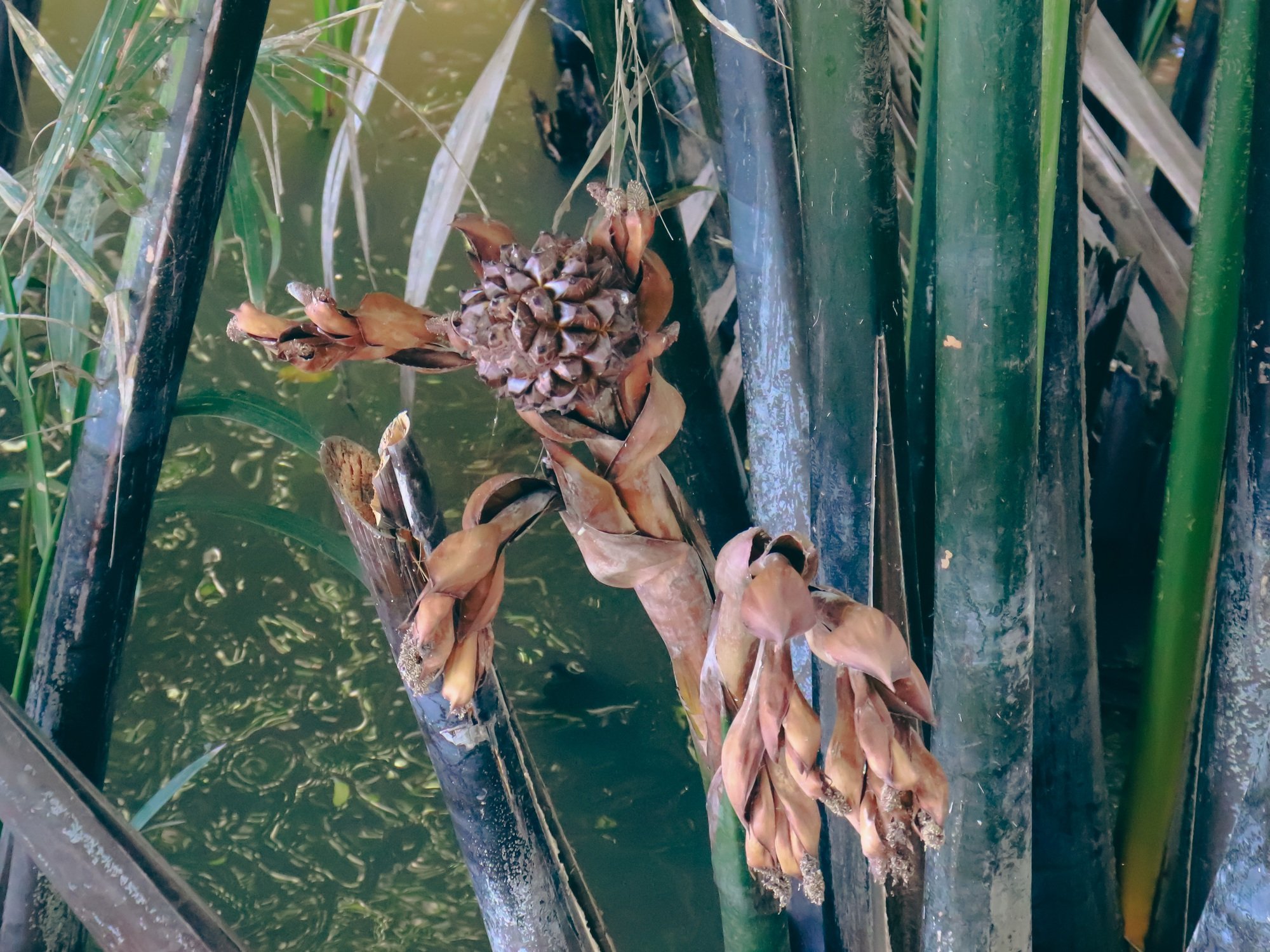
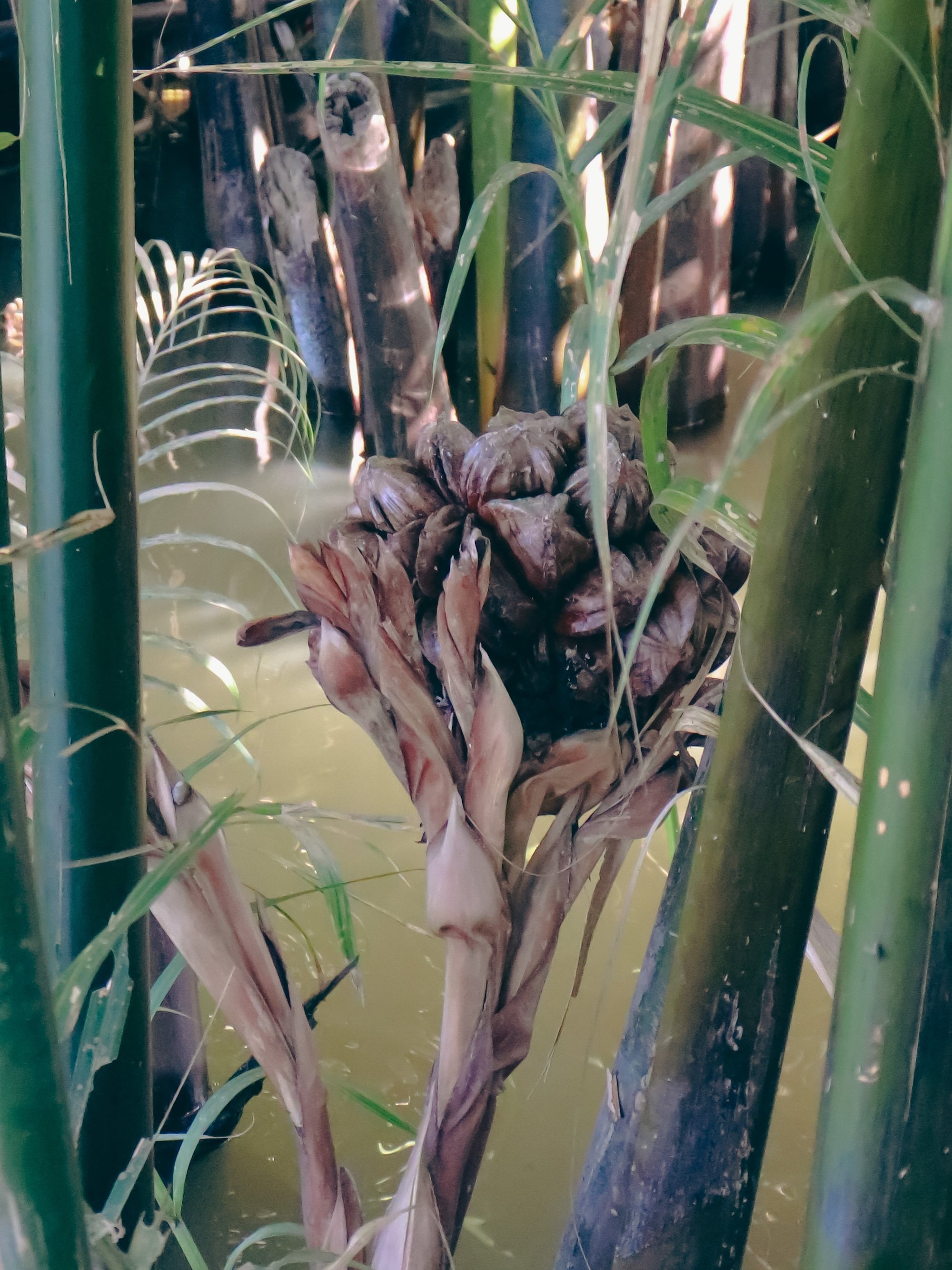
People use nipa palm leaves for roofing, wrapping cakes, making conical hats, etc.; they sweep yards with brooms made from nipa palm stalks; the rest is used for firewood. In addition, each time a nipa palm bears fruit, people get another gift from the tree: the coconut.
Nipa palms bear fruit year-round, but the peak season is during the flood season – from June to October in the lunar calendar. During this period, the abundance of freshwater and silt nourishes the trees, leading to healthy growth.
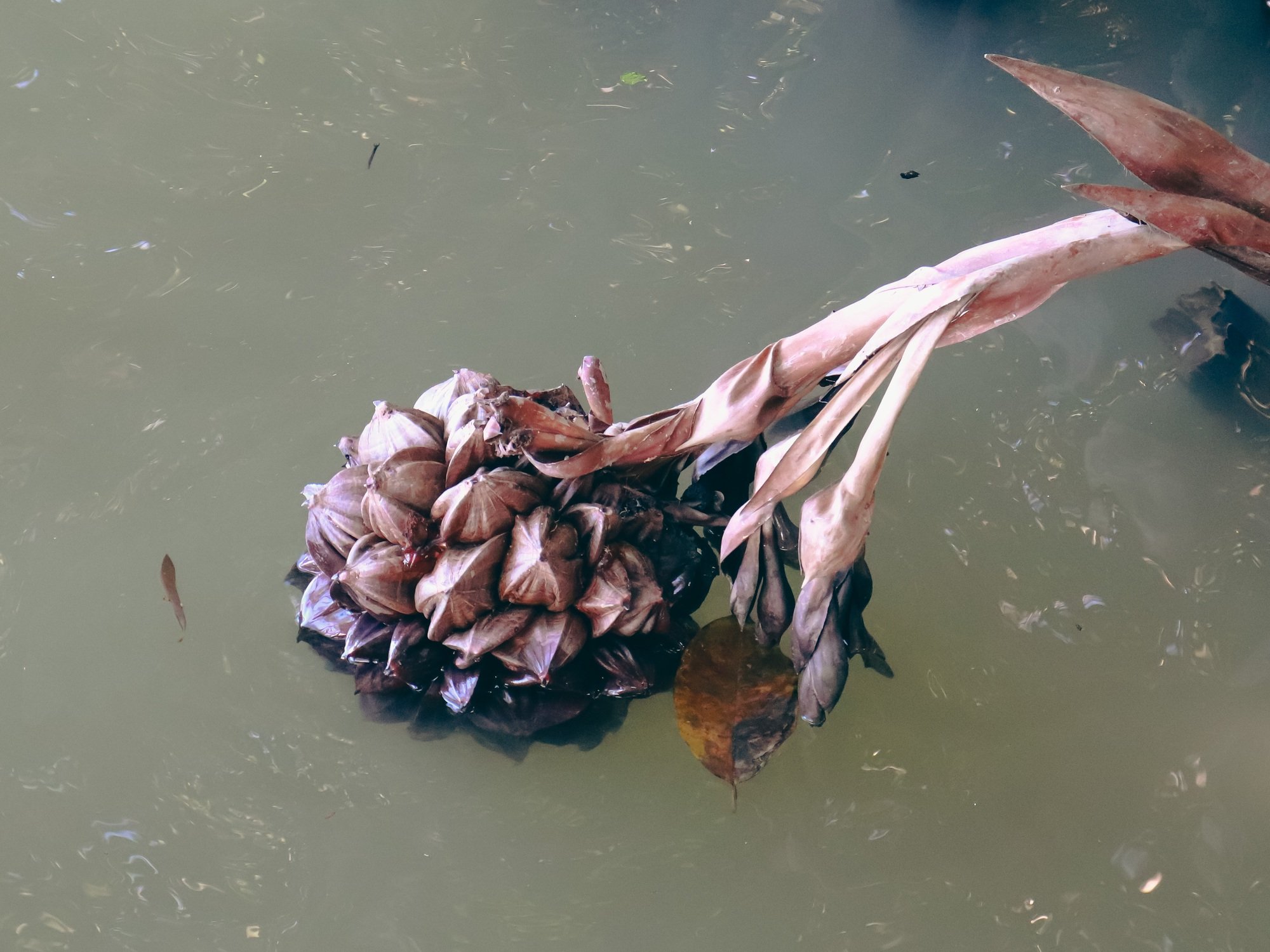
Coconut palms grow in clusters, with the fruits close together at the stem.
The coconuts grow in clusters, with the fruits clustered close to the stem. When separated, each fruit is oval-shaped. In each fruit, the end that is inside is lighter in color, while the end that is outside is darker. When cut open, the inside reveals a small layer of coconut flesh, commonly known as coconut pulp or coconut flesh.
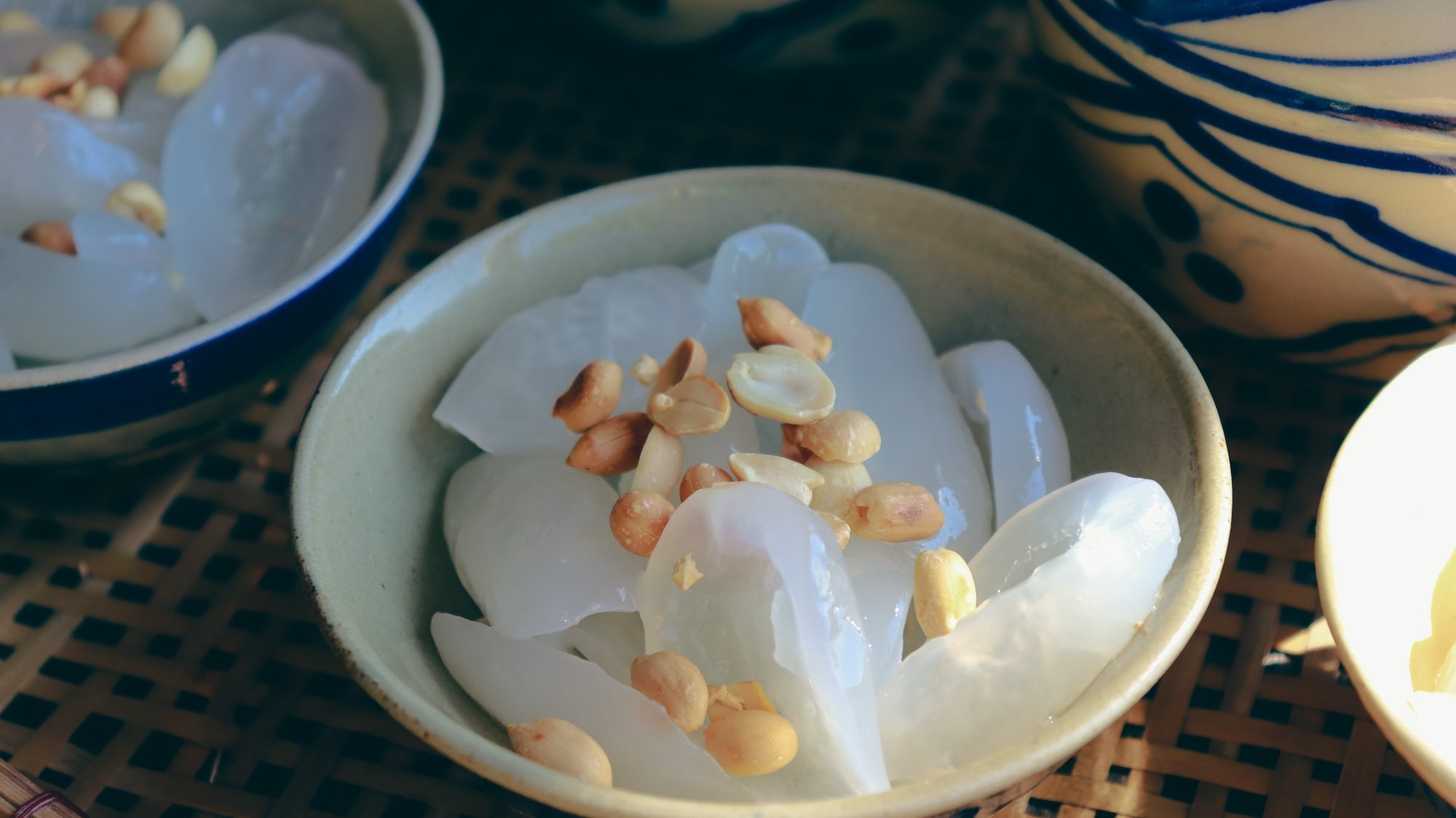
To get coconut flesh that's just right for eating, harvesters need to be observant. If the coconut skin is shiny and bright, the bunch is still young and the flesh isn't fully developed. If the skin is dark, almost black, and slightly rough, the bunch is old, with thick, hard flesh. A good bunch of young coconuts should be somewhere between these two stages.
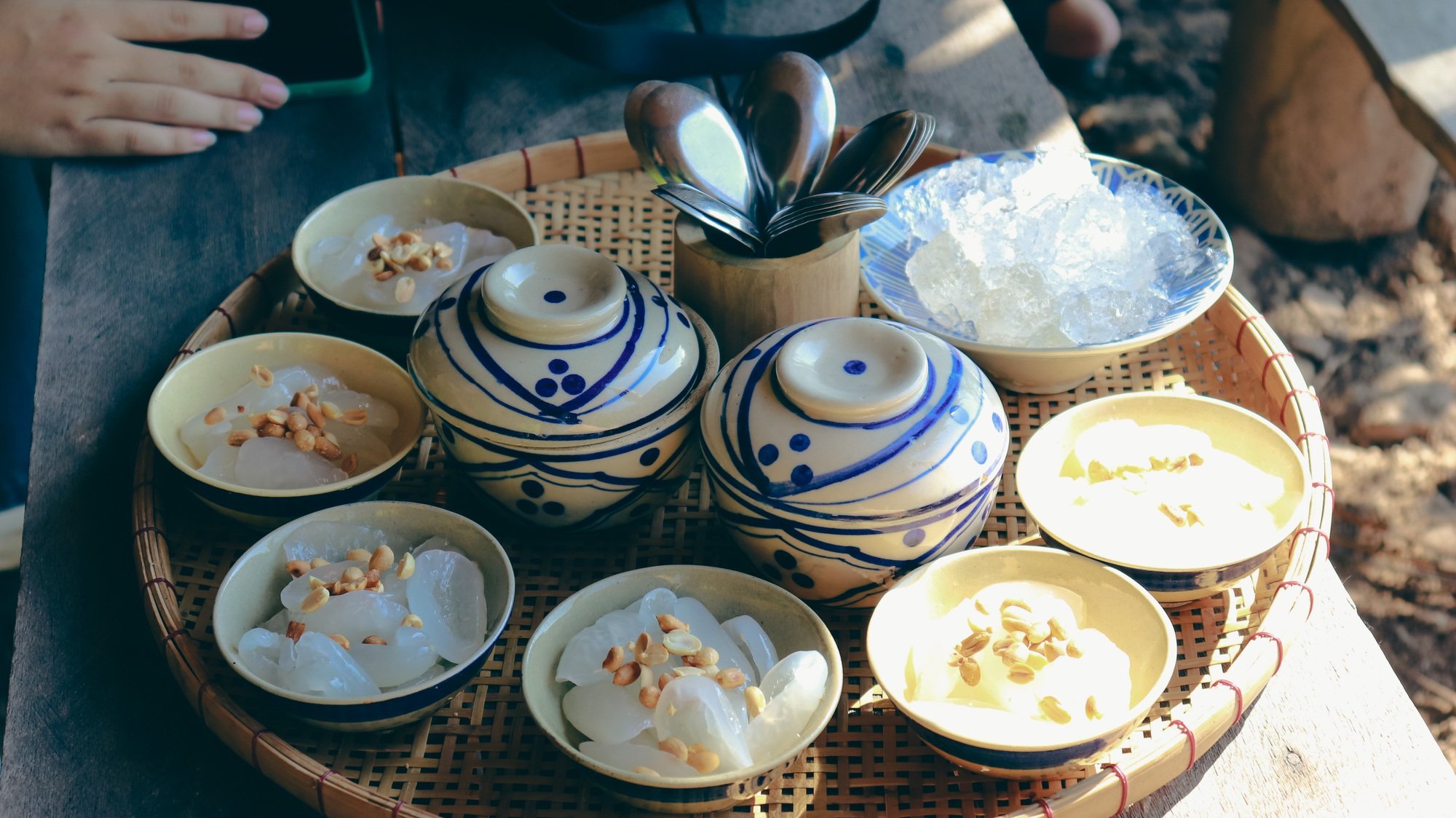
Coconut rice has a rich, creamy taste and a chewy, crunchy texture.
After harvesting the coconuts, people split them in half and use a spoon to scrape out the coconut flesh, which they then eat as is. The coconut flesh has a fragrant aroma of straw and grass; a rich, subtly sweet taste; and a chewy, crunchy texture that sinks into your mouth. For a more elaborate version, people eat it with coconut milk, sugar syrup, and peanuts, a dish called coconut water dessert.
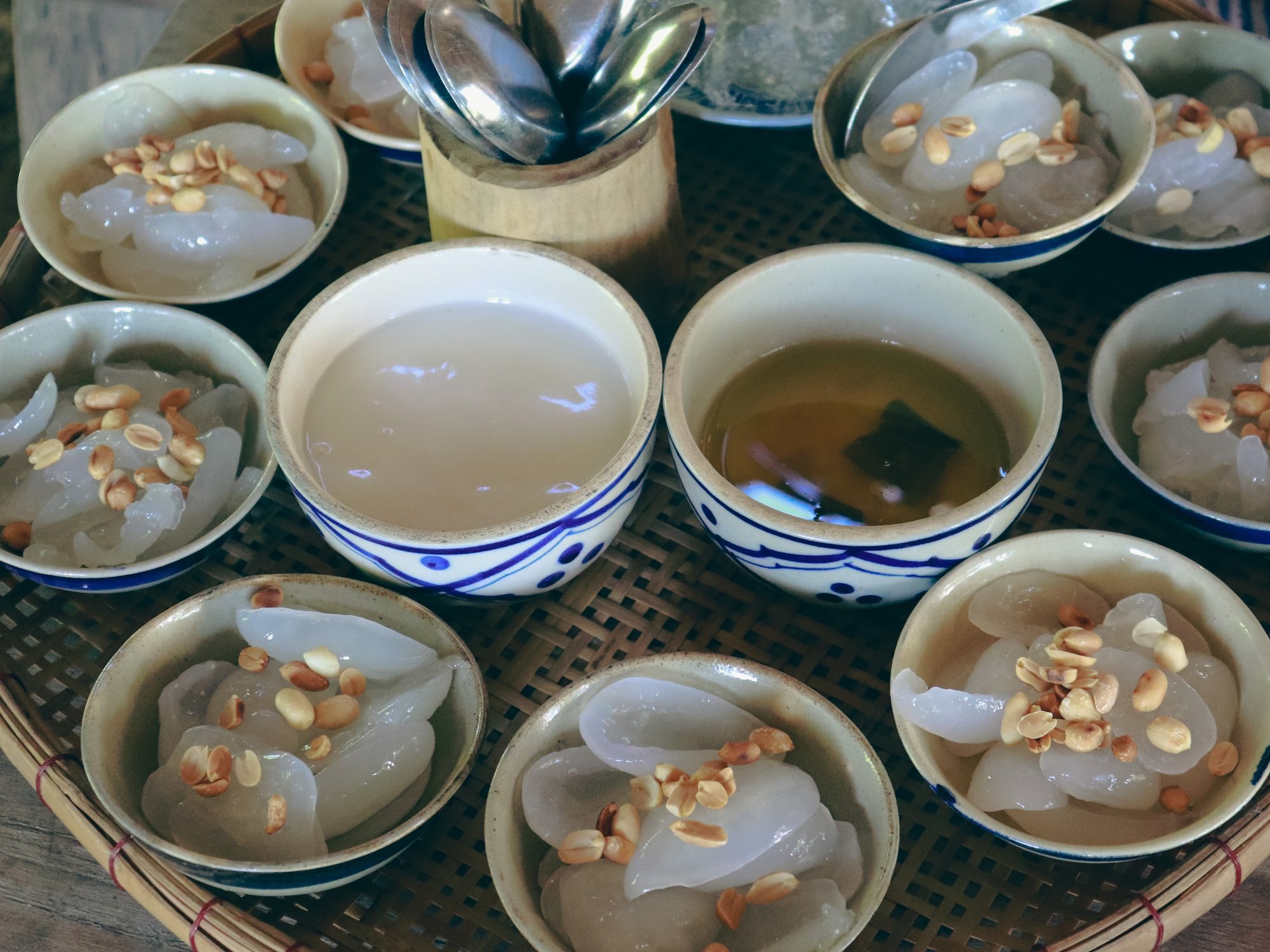
They simmer coconut milk (from the periwinkle plant) until it thickens; boil water, add pandan leaves, ginger, and rock sugar to make syrup; roast peanuts, and shell them. When eating, take a bowl of coconut flesh, pour the coconut milk and syrup over it, and sprinkle with a few peanuts to make coconut dessert. Eating it this way enhances the richness and sweetness of the coconut flesh.
According to traditional Chinese medicine, coconut is considered "cold" in nature, so when cooking it, people add a few slices of ginger, which is considered "hot," to balance the effect and prevent stomach upset.
Source







































![[Infographic] Vietnam's Economic Situation Report, Q1 2026: Strong Growth Momentum](https://vphoto.vietnam.vn/thumb/402x226/vietnam/resource/IMAGE/2026/04/04/1775298512042_tang-truong-kinh-te-viet-nam.jpeg)
![[Image] Close-up view of the 10-lane road connecting to Long Thanh Airport](https://vphoto.vietnam.vn/thumb/402x226/vietnam/resource/IMAGE/2026/04/04/1775291871988_ndo_br_1-resize-5690-jpg.webp)


















Comment (0)