When destinations are connected
Previously, Da Lat was famous for its resort tourism, Binh Thuan attracted visitors with its blue sea, white sand, and fishing village culture, while Dak Nong was known for its UNESCO Global Geopark, Ta Dung Lake, and the Central Highlands gong culture. Each locality had its own advantages, but most developed independently.
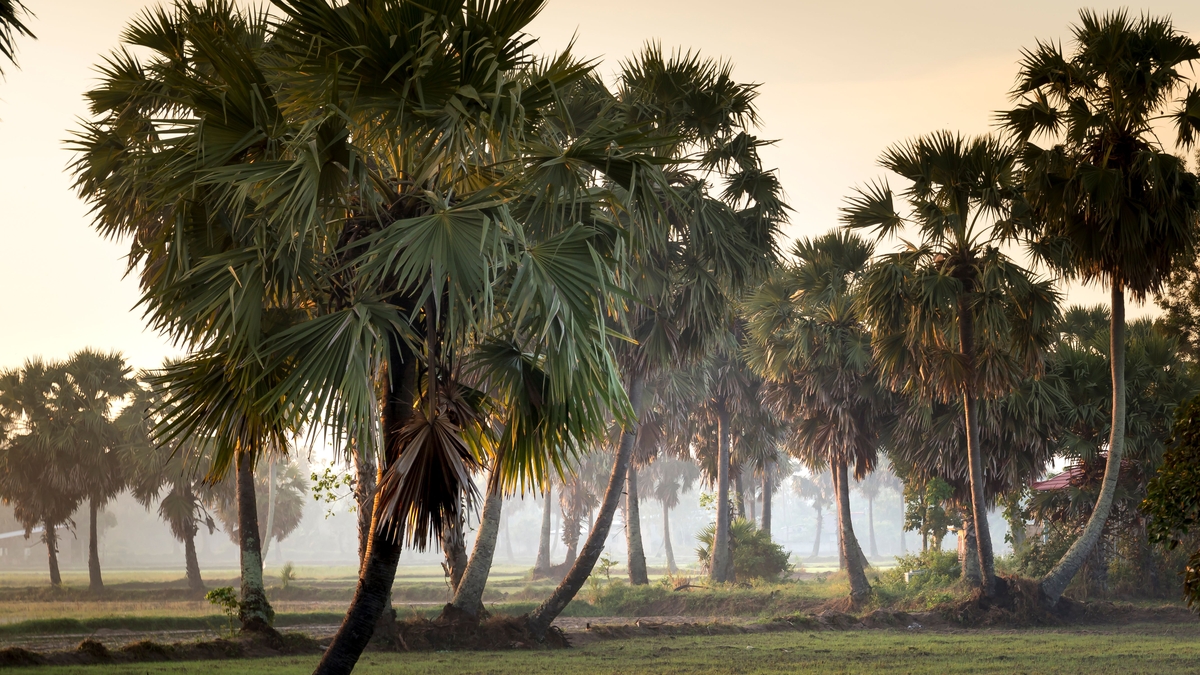
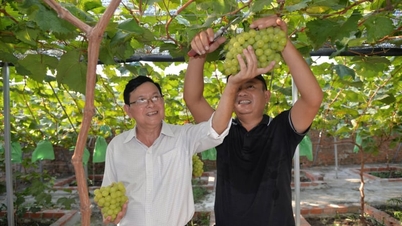
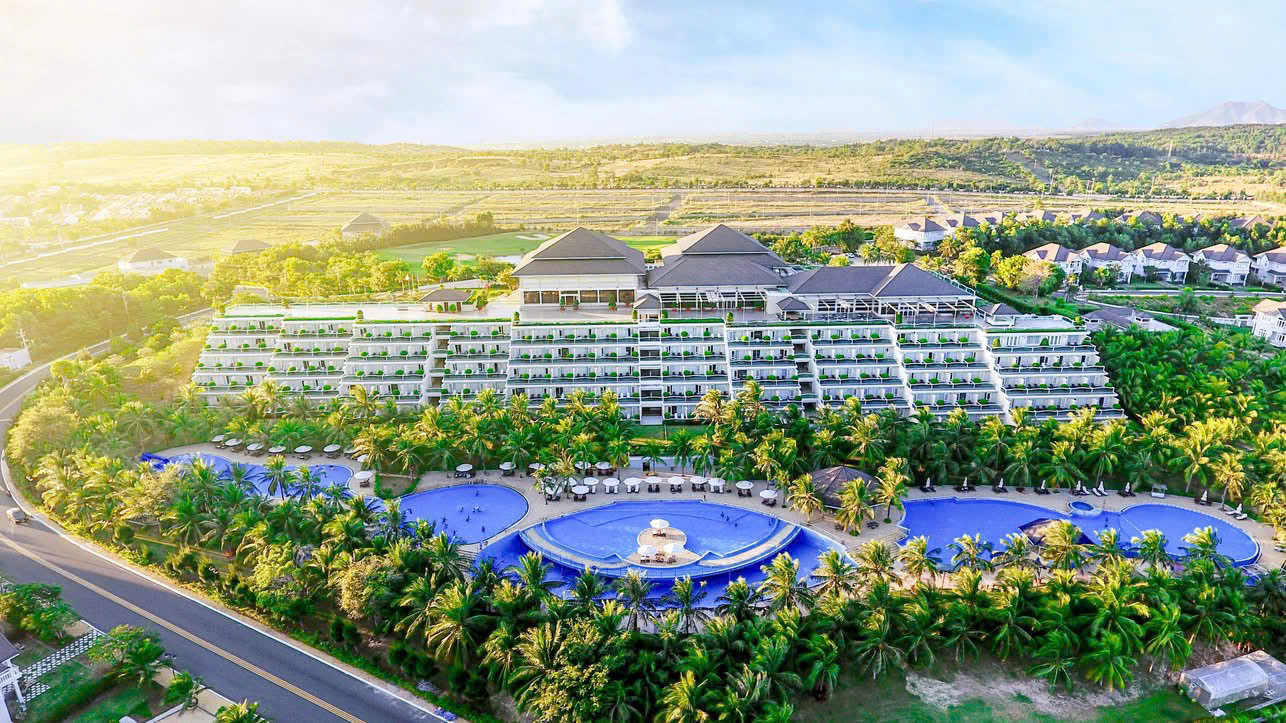
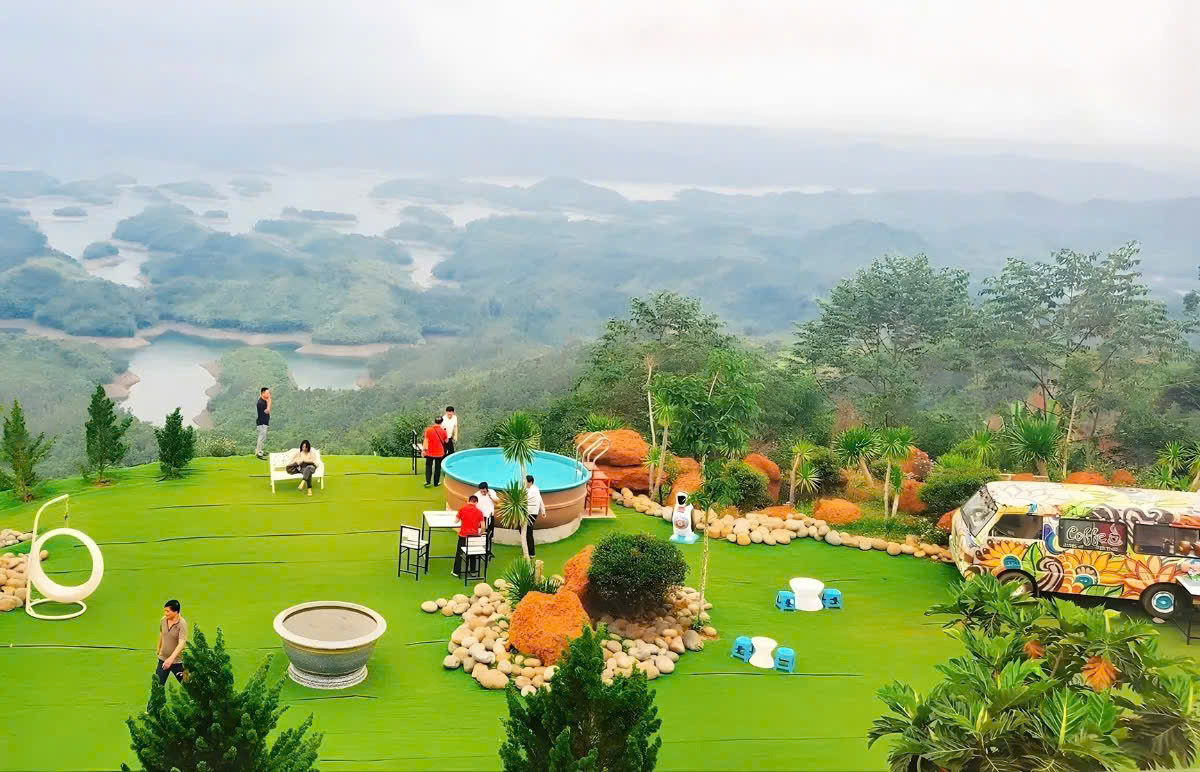
Following the merger, for the first time, these resources were placed within a common development strategy. The tourism space expanded from the sea to the forest, from the highlands to the coast, forming an ecosystem encompassing the sea, forests, lakes, waterfalls, high-tech agriculture , and the cultural identity of many ethnic communities. This also laid the foundation for the tourism industry to shift from developing individual destinations to building inter-regional routes, itineraries, and experiential chains.
Previously, tourists often chose to relax in Da Lat or enjoy the beaches in Phan Thiet. Now, they can combine both in a single trip, then continue exploring Ta Dung Lake or the villages in the western part of the province. This connection not only enriches the experience but also contributes to extending the length of stay, increasing spending, and creating opportunities for many localities to benefit from the influx of tourists.
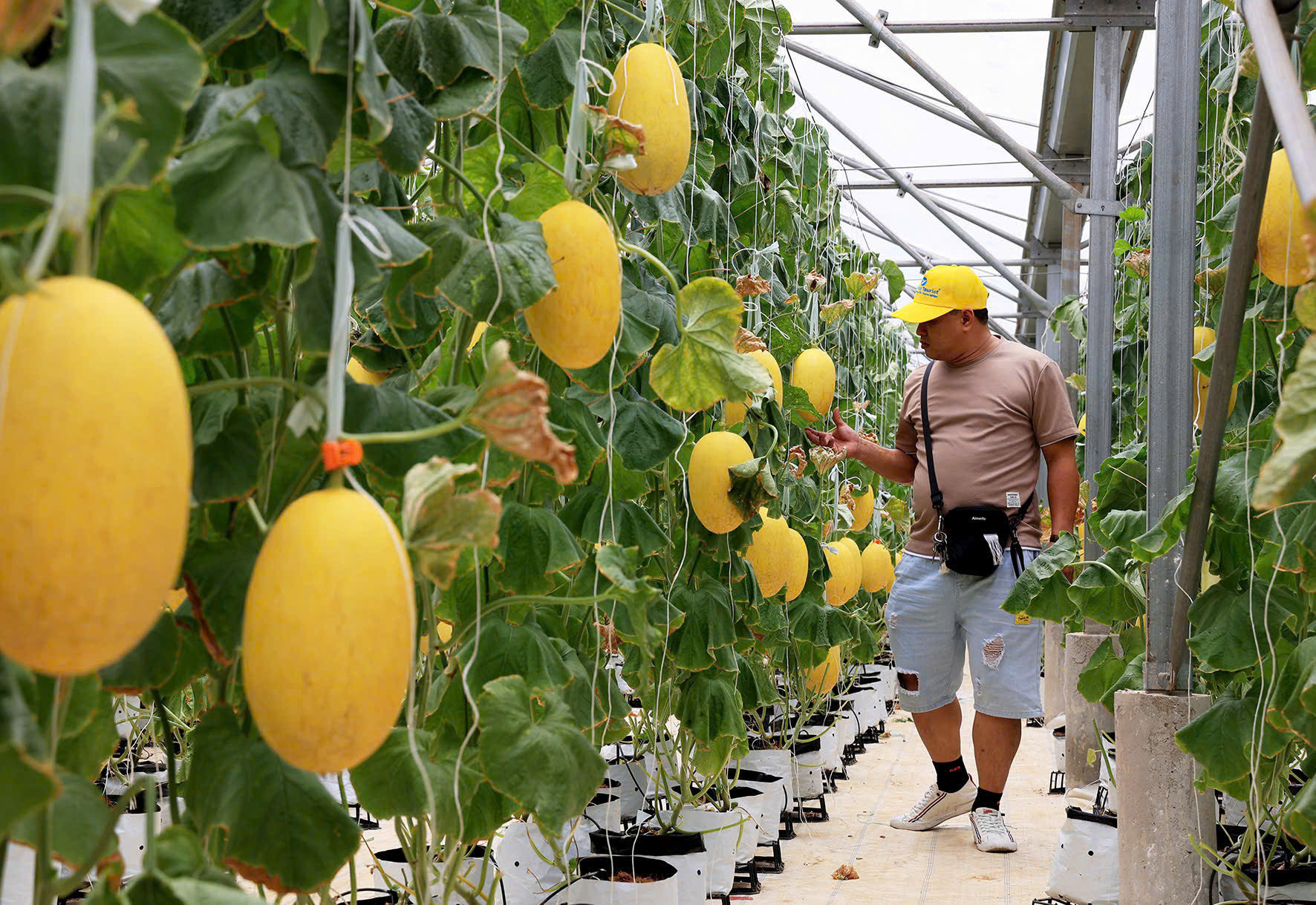
Mr. Nguyen Minh Quan, a tourist from Hanoi, shared: “This summer, my family spent almost a week exploring Lam Dong. We went to the beach, then to Da Lat, and then continued on to Ta Dung Lake. The most interesting thing is that the landscape changes constantly; each place has its own unique character, yet it still creates a very seamless journey. This is an experience that was very difficult to have before.”
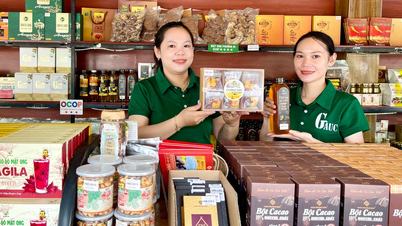
Beyond simply connecting destinations, this integration also facilitates the linking of cultural values. From the cultural space of the Central Highlands' gong culture, brocade weaving, B'Lao tea hills, Arabica coffee, to the fishing festival, traditional fish sauce, and coastal fishing village culture… all are contributing to a colorful tourism landscape, deeply rooted in the identity of this newly established province.



The impetus comes from the products and growth figures.
One year after the merger, the province's tourism landscape has shown many positive signs. In the first six months of 2026, the province is estimated to have welcomed nearly 12 million visitors, reaching 47.83% of the annual plan; revenue from tourism activities reached approximately 33,310 billion VND, equivalent to 46.95% of the plan. This result creates an important foundation for the tourism industry to aim for double-digit growth in 2026. In addition, the province has 4,259 accommodation establishments with 67,536 rooms, along with 99 tourist areas and attractions. The increasingly improved infrastructure not only enhances service capacity but also creates conditions for developing new products that suit the experiential trends of tourists.
Besides inter-regional tourism routes, many unique products are gradually asserting their appeal. A prime example is the "Da Lat Night Journey" tour on the old railway line from Da Lat Station to Trai Mat Station. According to Le Anh Tuan, Director of the Saigon Railway Transport Branch, after more than two years of operation, the product continues to attract both domestic and international tourists. On average, there are two train trips each night serving approximately 120 passengers, with this number increasing on weekends and holidays.
This demonstrates that the product's appeal stems not only from the experience of admiring Da Lat at night but also proves that products developed from local cultural identity always have lasting vitality. Along with connecting tourism spaces, Lam Dong is gradually diversifying its products to extend the length of stay and increase the spending value of tourists. This is also a suitable direction given the province's rare advantage of having the sea, highlands, and vast forests all within a single development space.
Towards a shared tourism brand
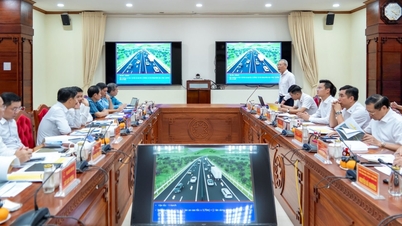
The initial results after one year of mergers are positive, but also highlight the need for a shift in mindset to more effectively exploit the province's potential. At the meeting of the Provincial Tourism Development Steering Committee in mid-June 2026, Mr. Dinh Van Tuan, Vice Chairman of the Provincial People's Committee and Head of the Steering Committee, affirmed that Lam Dong has many potentials and advantages to develop tourism into a driving economic sector. However, to achieve the set growth targets, departments, agencies, and localities need to improve coordination, focus on building distinctive tourism products that are competitive and create unique highlights for each region.
Accordingly, the Department of Culture, Sports and Tourism needs to continue advising on mechanisms and policies for tourism development; and promote and stimulate demand. Relevant departments and agencies should proactively address difficulties related to planning, land, infrastructure, and investment attraction. At the same time, they should support the development of community tourism, the night-time economy, and new tourism products. The Provincial People's Committee leadership also requested that localities strengthen linkages, maximize the potential of each region; and proactively propose breakthrough solutions to improve service quality and build the image of safe, civilized, and friendly destinations.
A year is not a long time to fully unlock the potential of this new land. But it's enough to see a direction gradually taking shape: instead of developing each destination individually, Lam Dong tourism is shifting towards integrated development, where each locality leverages its own strengths to create shared value.
Vietnam encourages US businesses to expand investment in high technology.On the morning of June 26th, at the Government Headquarters, Deputy Prime Minister Ho Quoc Dung received Mr. Jeff Place, Supply Chain Director of Coherent Group (USA). During the meeting, the Deputy Prime Minister affirmed that Vietnam encourages US businesses to expand investment, especially in high-tech, innovation, and semiconductor industries.Encourage U.S. businesses to expand investment in high-tech sectors.Deputy Prime Minister Ho Quoc Dung said that Vietnam welcomes US businesses to continue expanding their operations in Vietnam, especially in high-tech industries and sectors with high added value.Vietnam and the United States strengthen cooperation in addressing the consequences of war.VTV.vn - On June 22, General Secretary and President To Lam received Acting Secretary of the US Navy Hung Cao.Mr. Nguyen Linh Vu, Deputy Director of the Provincial Center for Investment, Trade and Tourism Promotion.



According to Mr. Nguyen Linh Vu, Deputy Director of the Provincial Investment, Trade and Tourism Promotion Center, Lam Dong province aims to welcome over 25 million tourists in 2026, including 1.58 million international visitors, with revenue exceeding 71,000 billion VND. To achieve this goal, it is crucial not only to increase the number of tourists but also to develop unique tourism products, improve service quality, and build a unified brand for the entire province.
It can be said that, after one year of merger, the greatest achievement of the tourism industry lies not only in the growth figures. More importantly, it is the gradual creation of a new tourism map – a map of connectivity, diverse experiences, and the aspiration to make Lam Dong a green, high-quality tourism center, worthy of being a driving economic sector of the province in the new development phase.
Source: https://baolamdong.vn/lam-dong-kien-tao-ban-do-du-lich-moi-451051.html

![[Image] National conference summarizing one year of operation of the overall organizational model of the political system, the three-tiered government model.](https://vphoto.vietnam.vn/thumb/1200x675/vietnam/resource/IMAGE/2026/07/01/1782882811691_ndo_br_1-jpg.webp)