

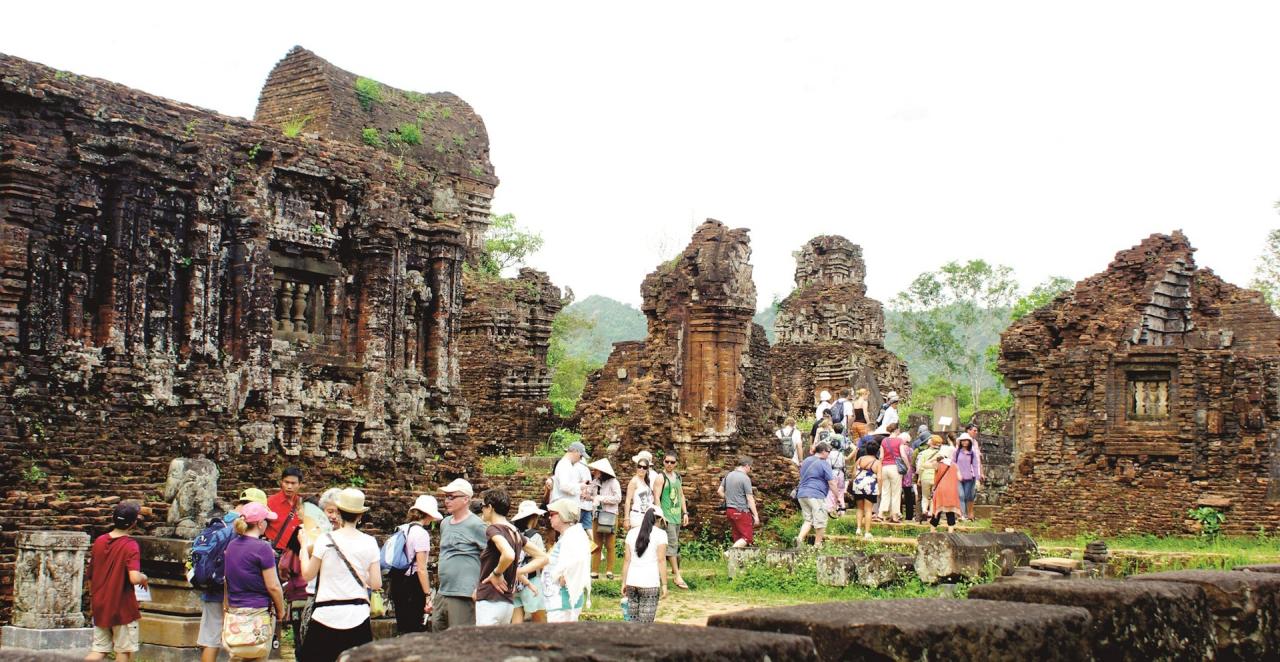
Cultural experts believe that perhaps it is time for heritage tourism in Quang Nam province in particular, and the whole country in general, to "reinvent itself".
Identifying a journey
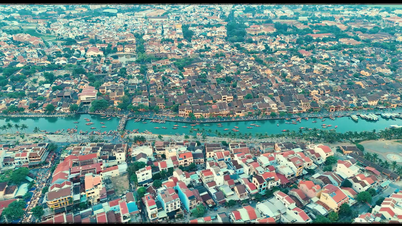
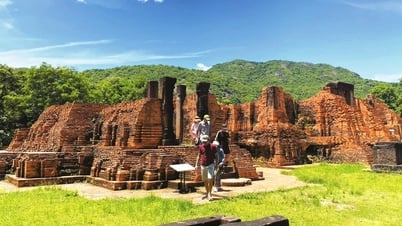
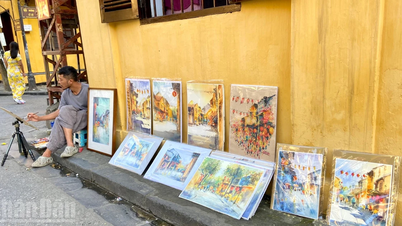
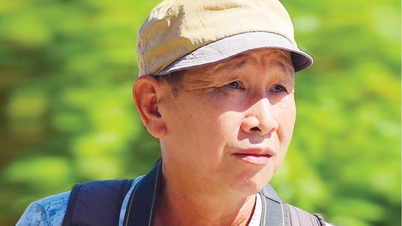
Mr. Nguyen Su, former Secretary of the Hoi An City Party Committee, once observed that history has shaped the space, form, and preservation advantages of Hoi An ancient town. In 1999, along with My Son, Hoi An was officially recognized by UNESCO as a World Cultural Heritage site.
The cultural and tourism values are therefore given attention and explored , through each stage of development, adjustment, and modification to change in the most positive direction. Each festival held in this land is another opportunity for the people of Hoi An to tell their stories. But, we can't just keep telling the past forever…
Using Hoi An and My Son as focal points, Quang Nam has built a journey alongside heritage, with the Festival beginning in 2003. That was also the time when the coastal city of Da Nang began its transformation, aiming for a modern and civilized stature.
In Quang Nam, the story of the harmonious blend of sea and mountains, of past history and future aspirations, continues to intertwine in people's minds. Each festival celebrating this land evokes equally compelling and often debated questions.
From a cultural and tourism perspective, the planning and organization of the Quang Nam Heritage Journey Festivals highlight four key points. The first, in 2003, simply connected two local heritage sites, Hoi An and My Son, a modest event showcasing existing heritage.
For the second time, in 2007, the Heritage Festival connected with heritage sites outside the region, truly internationalizing the process and showcasing other heritage sites of similar age, scale, value, and many other inspiring stories.
For the third time, in 2013, the event was officially renamed the Quang Nam Heritage Festival, changing from a biennial to a quadrennial schedule. The highlight this time was the expansion of the program beyond Hoi An and My Son to connect with the western mountainous regions, telling stories of magnificent natural wonders beyond the usual confined spaces.
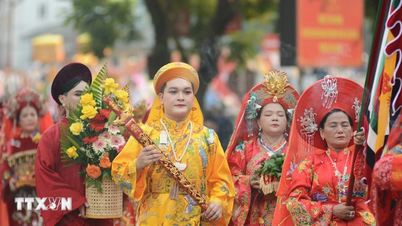
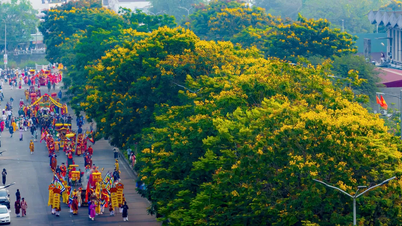
The fourth edition, in 2017, was considered "a grand festival" with the participation of 33 countries and territories, highlighting the spirit of international integration based on humanistic and universal values. This festival brought together thousands of performers and 7 local spaces, telling characteristic stories from the forest to the sea, expressing a Quang Nam with diverse values, and the interplay between cultural and natural heritage…
Mr. Nguyen Su summarized these activities, saying, "We must first understand ourselves before we can even consider whether others understand us." Ultimately, the concern for Quang Nam's heritage lies in recognizing its unique values in order to easily absorb other intersecting values, and thereby strengthen itself, "continuing with its heritage"?
The process is moving in sync with the new rhythm.
Through discussions with consultants, three key issues in reshaping cultural heritage in the new context can be identified.
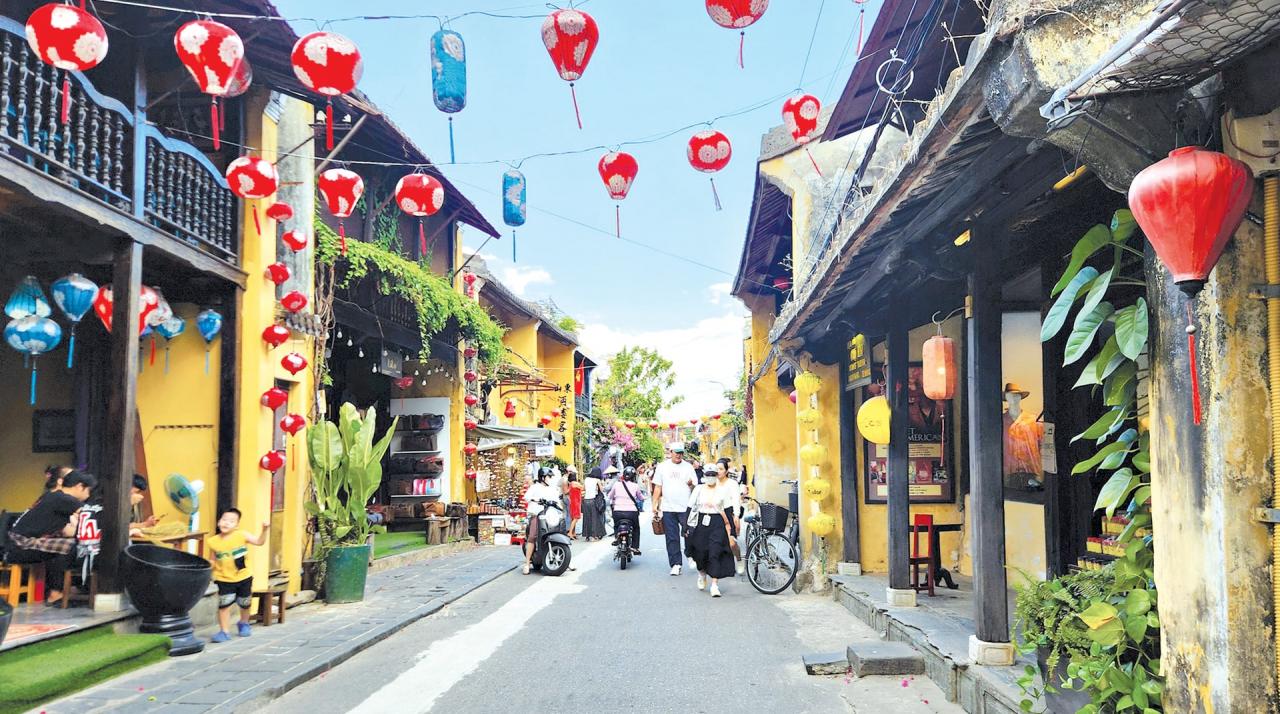
Firstly, digitalization is becoming a natural part of human life, with tourism culture being the most affected. With digital technology, the opportunity to view and "experience online" a landmark or structure has expanded and become much more economical. Therefore, heritage values now need to be digitized, 3D-ified, and even use artificial intelligence for interpretation and explanation, allowing for greater reach and customization.
What needs to be done to ensure that Quang Nam's cultural heritage, from specific architectural heritage to natural heritage, does not miss the opportunity to reach the world? The government should invest in genuine projects and solutions to introduce heritage more directly and authentically, accompanied by compelling stories, thereby attracting greater public interest in its heritage.
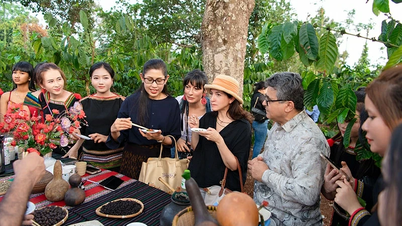
Secondly, the global travel experience, influenced by technology and big data, is no longer confined to feelings of excitement and curiosity, but delves into deeper stories and unique, specific tourism products. When tourists can access heritage sites through their phone screens, their visit to these sites is primarily to seek out personal emotions and stories…
Therefore, heritage festivals need to delve deeper into the sensory value of each specific product, providing subtle and engaging stories and emotional content to attract tourists.
Thirdly, the concept of "transforming heritage into assets" is a growing trend in areas and localities with heritage. Museums and the preservation of existing heritage values are already important. We need to prepare data and information, including knowledge on how we are currently protecting and preserving our heritage, so that future generations can understand and appreciate it correctly. Anything that is happening or being organized can be transformed into heritage documentation for the future.
With this perspective, the Quang Nam Heritage Festival needs to transform into vibrant stories of today, from how we have protected our heritage to how we can digitize and cloud-ize data and scientific knowledge about heritage.
The pace of modern life is shaping up to attract tourists who want to travel back in time, exploring both spirituality and scientific knowledge. Therefore, festival events should no longer be simply celebrations with flags and banners. There is a need for specialized seminars and in-depth events that attract people genuinely interested in understanding past and present heritage.
Source: https://baoquangnam.vn/du-lich-quang-nam-lam-moi-minh-บน-duong-di-san-3152095.html














































Comment (0)