

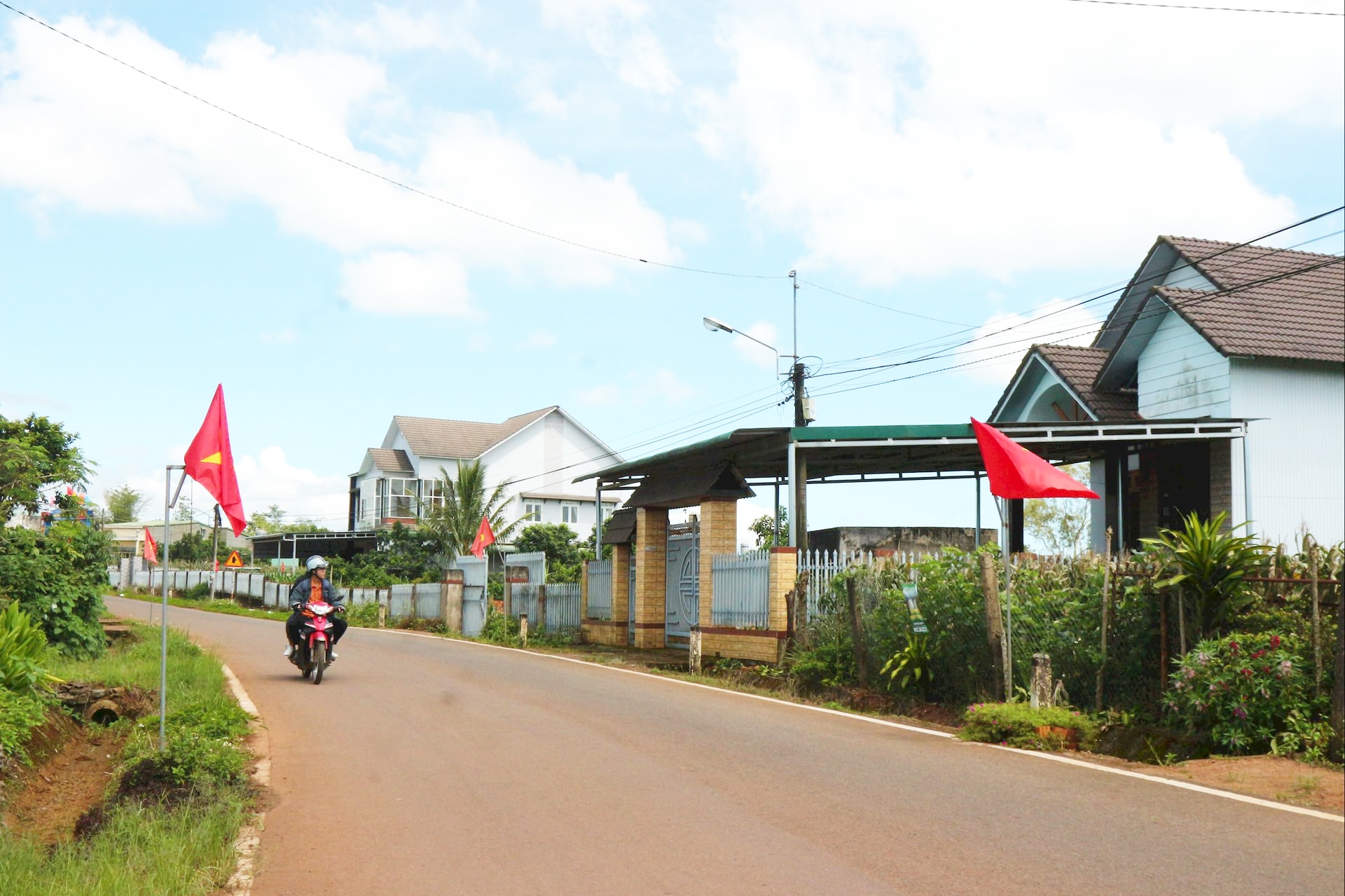
"A good place attracts good people."
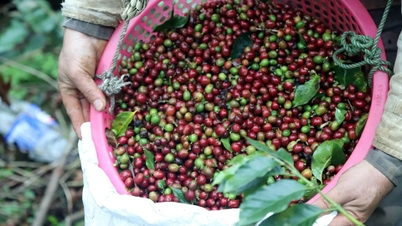
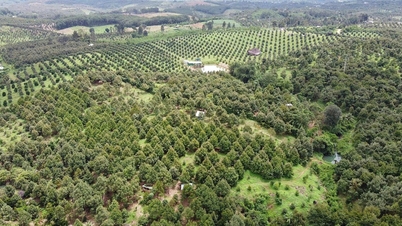
The Tay ethnic group migrated from Cao Bang province to settle and establish their lives in Hamlet 12 since the 1980s. Hamlet 12 has 212 households with 892 inhabitants, of which approximately 80% are Tay people. They are currently cultivating 287 hectares of coffee, with a portion undergoing replanting and grafting with new varieties.
To date, villagers in the hamlet cultivate key coffee varieties such as TR4, TS5, TS1, Thien Truong, and Huu Thien, purchased from qualified seed suppliers. These varieties are suitable for the local climate and soil conditions, have a competitive advantage in the market, and meet the tastes and needs of consumers.
Village head Nong Van Huong said: "The first residents settled on this land nearly 40 years ago. In the early days, people grew and processed tea, then later switched to growing coffee. Through the ups and downs of coffee cultivation, the people have maintained the same area, replanting and grafting new varieties. Good harvests and good prices have helped the people become well-off and wealthy, turning it into a village of millionaires, with most earning billions of dong."
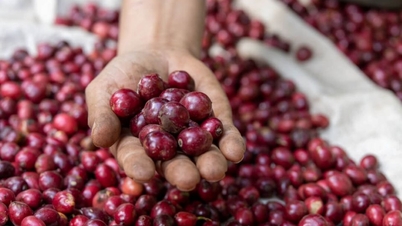
For a long period, from 2013 to 2019, coffee prices plummeted, and unstable income from coffee farming made life difficult for families. However, farmers in the village still had no intention of abandoning this crop, which is considered the mainstay of the local economy . According to many locals, regardless of the season, to harvest ripe, attractive coffee beans, farmers have to invest a lot of sweat, effort, and accept the risks and challenges. Only then can they achieve the sweet fruits and success they have today.
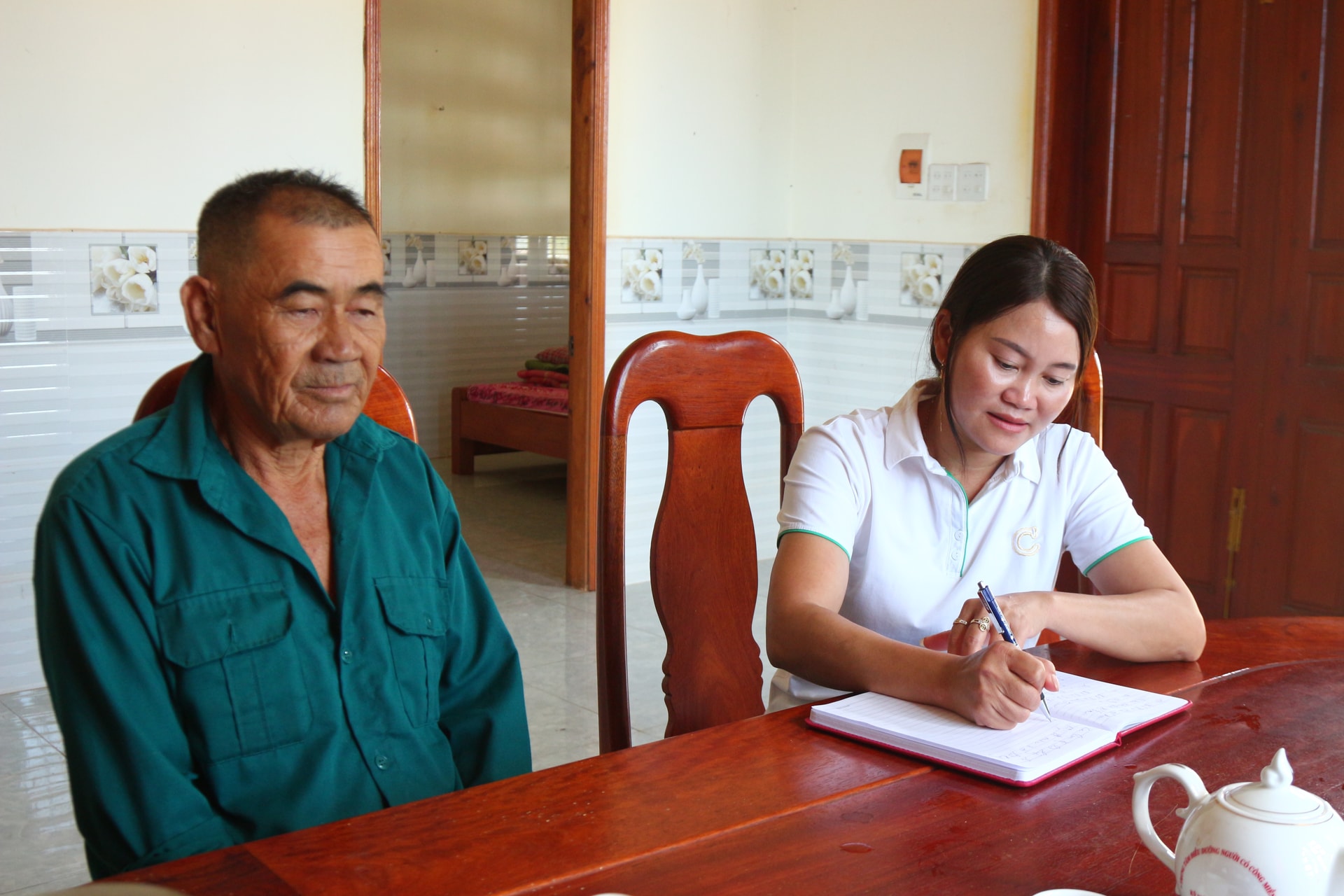
Mr. Be Van Long, one of the long-time coffee growers in the commune, shared: “Forty years since leaving my hometown of Cao Bang to settle in Bao Lam 1, it is thanks to coffee farming that my family has overcome poverty, accumulated wealth, and provided my children with a good education. Currently, my family owns 10 hectares of coffee, yielding 40 tons of coffee beans annually.”
For example, Mr. Be Kim Hoa currently cultivates 6 hectares of coffee, yielding over 20 tons of beans per harvest, with an average income of over 2 billion VND per year. According to Mr. Be Kim Hoa, the coffee prices in 2023 and 2024 were higher than in previous years, resulting in higher incomes for farmers. With the upcoming 2025 harvest season, everyone is eagerly awaiting a bountiful crop and good prices.
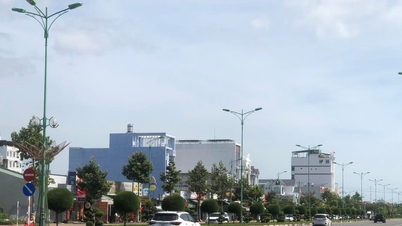
Currently, the village no longer has any poor or near-poor households; every family earns from 100 million to several billion dong per year, thanks to coffee. Taking a stroll around the village, you'll see houses built in the style of villas, and many families own luxury cars worth billions of dong.
.jpg)
Poverty is now just a memory.
In the memory of Mr. Be Van Bich (70 years old), the early days of settling down were very difficult for the villagers; most lived in thatched houses with mud walls, struggling to make ends meet. Now, things have changed dramatically. His own family cultivates 5 hectares of coffee, yielding about 18 tons of coffee beans annually. Thanks to this, he has long since built a spacious and modern two-story house.
Mr. Be Van Bich shared that, in the past, a bicycle was a precious treasure for the villagers. Now, expensive cars are everywhere, with some families owning two. Generally, most villagers can afford cars costing from a few hundred million to one billion dong. Currently, the village has 35 cars serving transportation needs.
Mr. Be Quoc Hung (39 years old) left his hometown of Cao Bang with his parents to settle in Bao Lam 1 commune when he was 7 years old. Now, he has a family and a stable income from his 6 hectares of coffee plantation, yielding 25 tons of coffee beans annually. Mr. Hung vividly remembers his early days in Lam Dong, having moved from Cao Bang to start a new life. Back then, Cao Bang was mostly rocky terrain with mixed soil; people grew corn and raised a few chickens and pigs free-range. In general, life was full of hardships and difficulties, and the memories of poverty were deeply ingrained in the hearts of every child from the highlands. In the new land, everyone was eager to cultivate the red basalt soil; wherever the land was cleared, tea and coffee grew. Thanks to this, today every family is prosperous and well-off.
Ms. Le Thi Kim Thoa, head of the Farmers' Association in Hamlet 12, said: "The main income of the villagers comes from coffee cultivation. Earning billions of dong is no longer rare in the hamlet; it's becoming widespread. What's easily noticeable in the gardens of the Tay people here is the year-round lush greenery with a variety of crops and vibrant green vegetable beds. In addition, they also raise chickens, ducks, geese, and pigs, and cultivate mulberry trees and raise silkworms to improve their lives and family meals."
Ms. Thoa is Kinh, originally from Ha Tinh province. She married Mr. Be Van Nhuan, a Tay man from the same locality. Thanks to their hard work and diligence cultivating 5 hectares of coffee, the couple harvests approximately 18 tons of coffee beans annually. Roughly calculated, with a coffee price of around 115,000 VND/kg, this brings in over 2 billion VND in income each year.
Recently, local authorities have guided residents to intercrop trees such as black acacia to create ground cover, which both protects soil resources and provides shade for coffee plants, acts as a windbreak, and prevents soil erosion. In addition, the People's Committee of Bao Lam 1 commune continues to promote and guide people in replanting and grafting coffee varieties on old, low-yielding coffee plantations, and applying sustainable and efficient production processes.
Mr. Trinh Van Thao, Chairman of the People's Committee of Bao Lam 1 commune, said: "In recent years, the lives of the Tay and Nung people in the locality have changed dramatically. Houses are built in a spacious and modern style, and many households earn billions of dong from agricultural production, which is very encouraging. The people strictly adhere to the Party's guidelines and policies; the State's laws and regulations; and movements such as economic development, donating land for rural road construction, and preserving and promoting their beautiful traditional cultural identity have always achieved many positive results."
Over time, it can be affirmed that, among the local agricultural products, coffee is considered to possess the most complete characteristics and has many famous brands. The distinctive flavor of coffee, distilled from the sweat and hard work of farmers in this southern Central Highlands region, has been spreading its aroma in domestic and international markets, increasingly establishing its brand.
The Tay villagers' faith in coffee has grown stronger day by day; this beverage, with its bitter taste but sweet rewards, has helped most of the villagers earn billions of dong, transforming their lives and bringing them prosperity.
Source: https://baolamdong.vn/lang-tay-ty-phu-392843.html
![[Photo] National Assembly Chairman Tran Thanh Man working with the Standing Committee of the National Assembly's Delegation Affairs Committee.](https://vphoto.vietnam.vn/thumb/1200x675/vietnam/resource/IMAGE/2026/05/20/1779294340023_ndo_br_1-1691-jpg.webp)
![[Image] "Journey of Hope" promotes the organ and tissue donation movement in Vietnam.](https://vphoto.vietnam.vn/thumb/1200x675/vietnam/resource/IMAGE/2026/05/20/1779294400833_1-8910-jpg.webp)

![[Photo] General Secretary and President To Lam works with the Party Committee of the Ministry of Health on the work of Vietnamese traditional medicine.](https://vphoto.vietnam.vn/thumb/1200x675/vietnam/resource/IMAGE/2026/05/20/1779294323718_a1-bnd-2978-3319-jpg.webp)






























































Comment (0)