


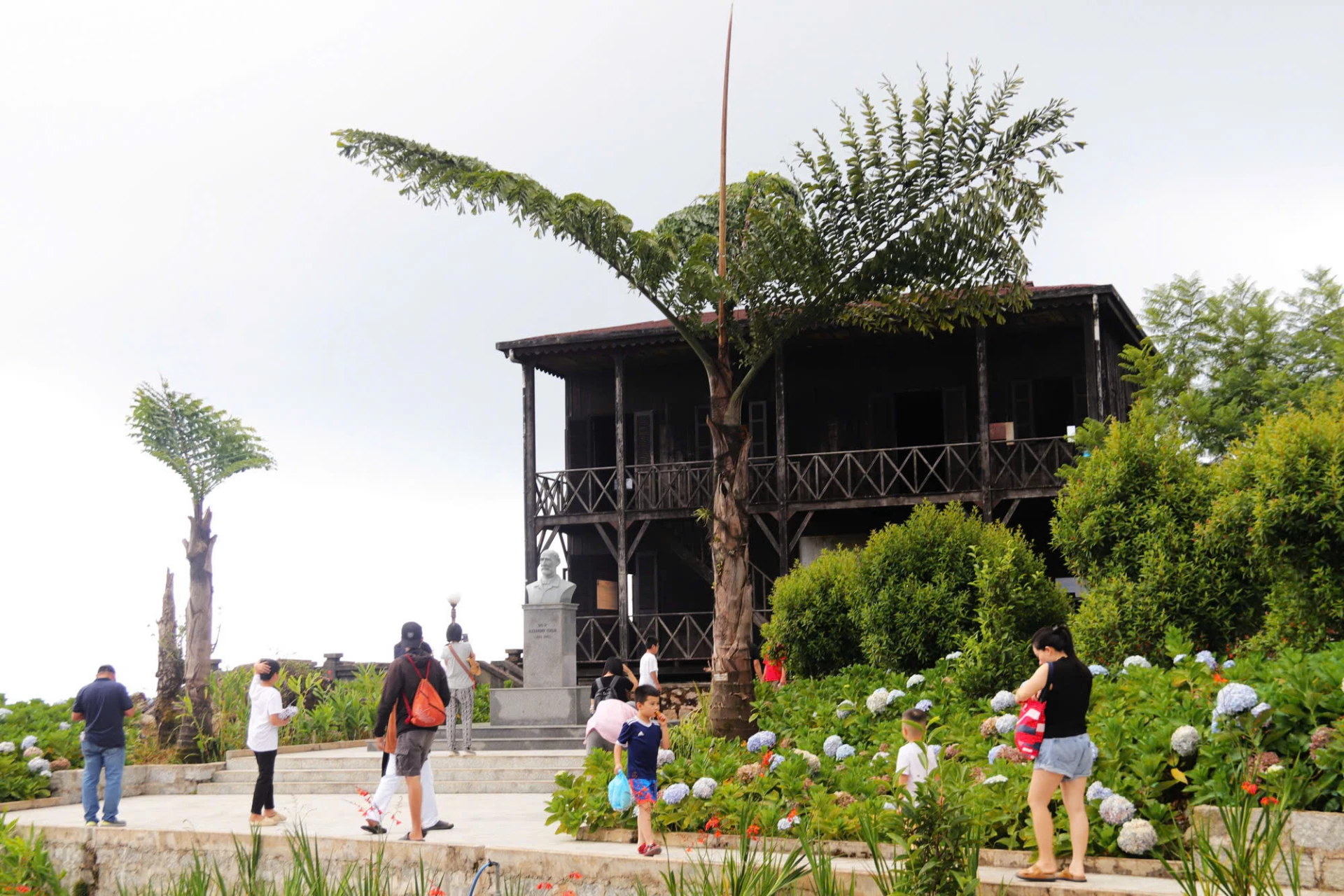
Hon Ba Island is just one of the places where Dr. Yersin stayed, leaving us with beautiful memories. There are no documents indicating how long he stayed on Hon Ba, but his choice of this location for his research on medicinal plants has become a significant milestone.
 |
In 2001, before there was a road up the mountain, my comrades and I found a trail to climb. I had to stop halfway because I was exhausted. That trip made me imagine the hardships that Dr. Yersin had gone through: How did he transport goods and even bring horses up the mountain to use as a means of transportation?
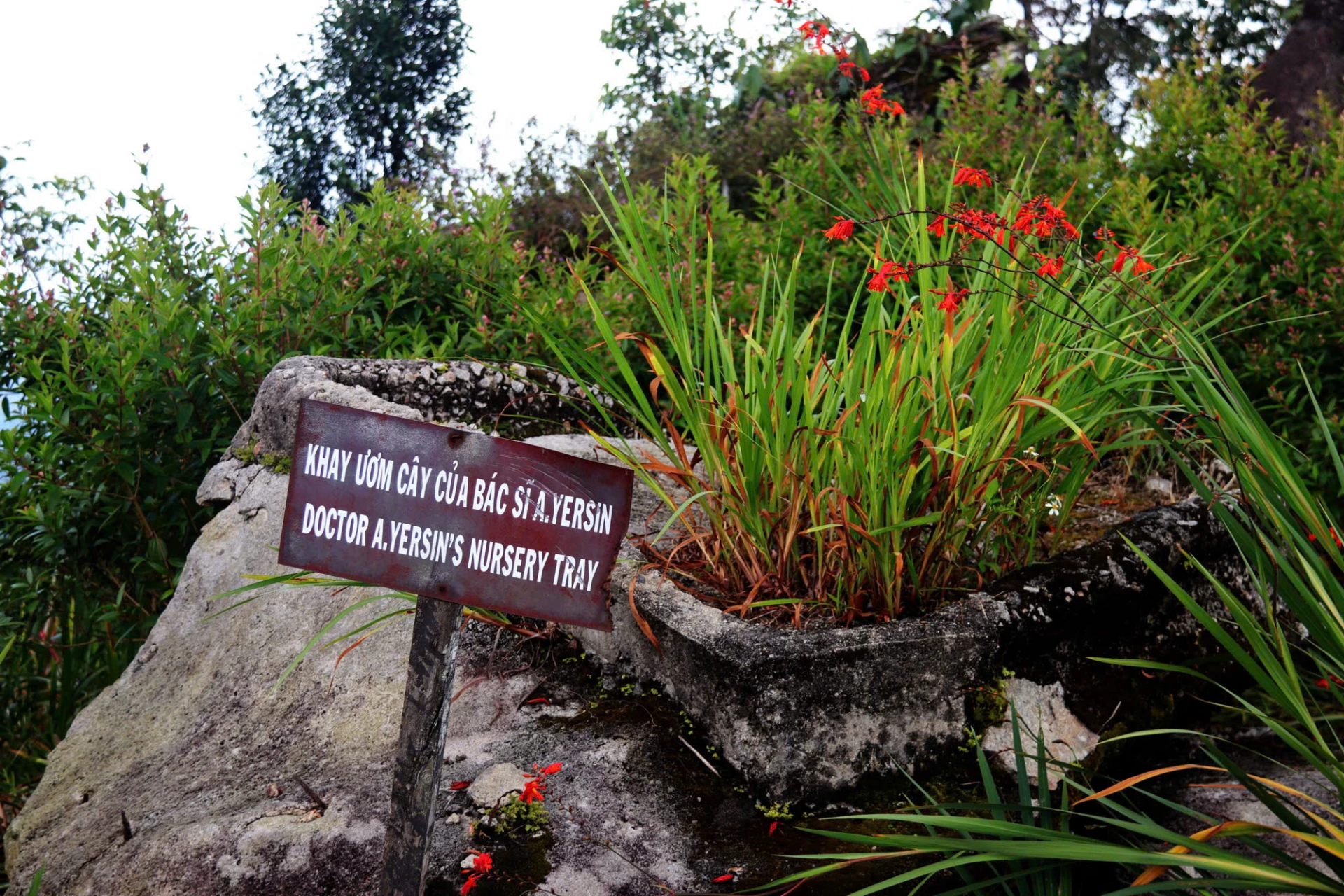
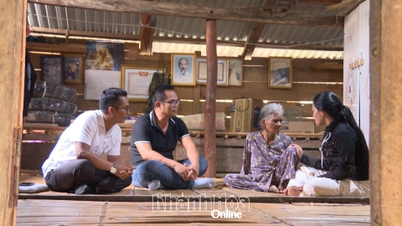
In 2004, the province opened a 37km road from Suoi Dau to the summit of Hon Ba, winding and treacherous but with a beauty that challenged anyone to conquer it. Around the same time, Dr. Yersin's working house was restored according to original documents. When the road opened, I was determined to go back up by motorbike. The new road was then covered in red earth and still unfinished, but Hon Ba emerged amidst drifting clouds and sudden rain, possessing a touch of romanticism for a wanderer. The old wooden house still bore traces: the foundation of the horse stable, the medicinal plants growing among the weeds, the cement tray for collecting water to sow seeds, the rock where he planted tea plants... At that time, no one had thought of planting flowers on the mountaintop.
 |
As time passed, I returned to Hon Ba, no longer with the same excitement as before, but with a greater sense of contemplation. I imagined the kind doctor stepping out of his wooden house each morning, amidst the mist, and laughing joyfully. That's why tourists visiting Khanh Hoa often want to go to Hon Ba at least once.
At one point, the road to the summit of Hon Ba was closed due to landslides. By August 2025, a tourism company had repaired the road and reopened the tour, with regulations requiring adherence to a designated route to ensure safety and protect the forest.
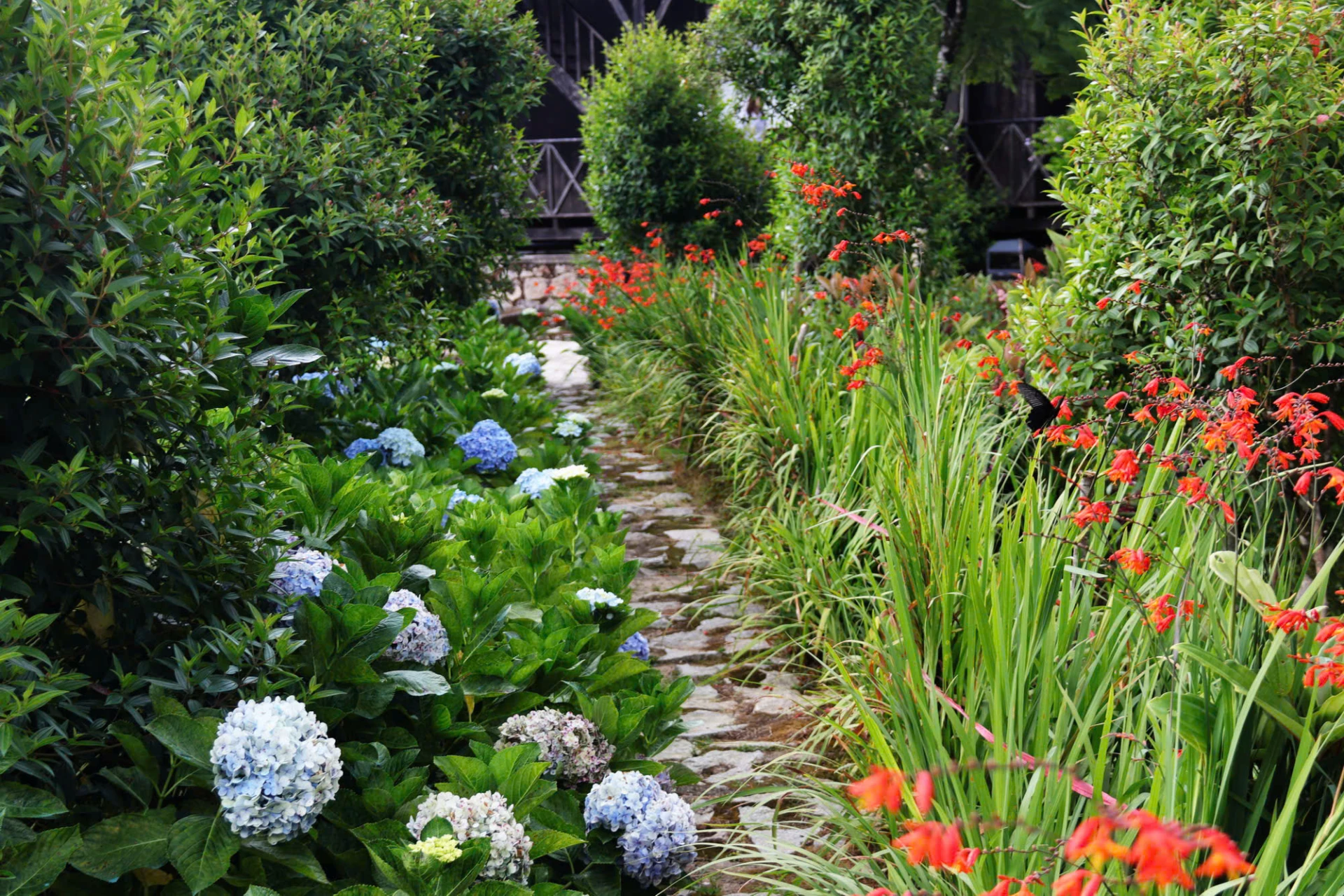 |
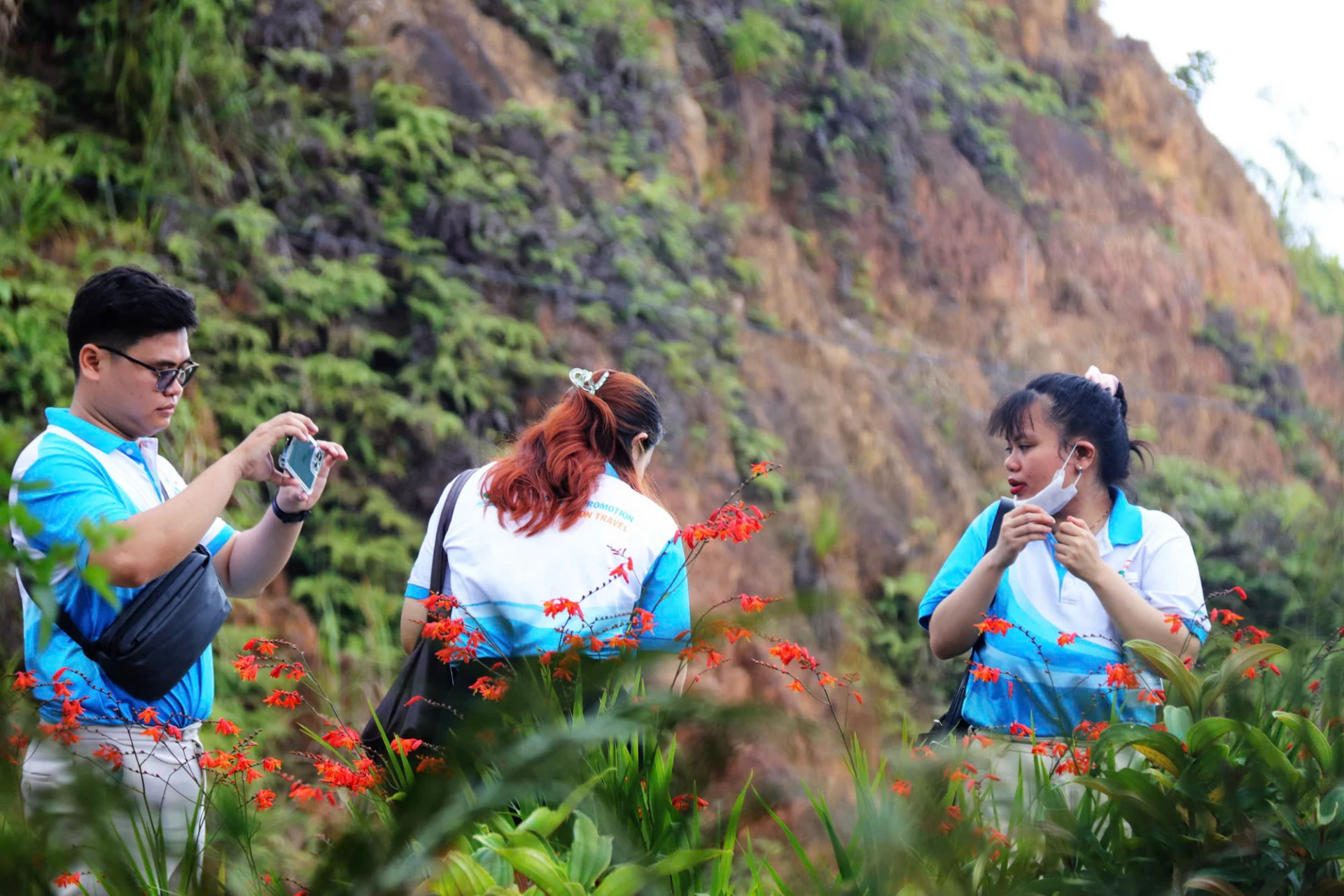
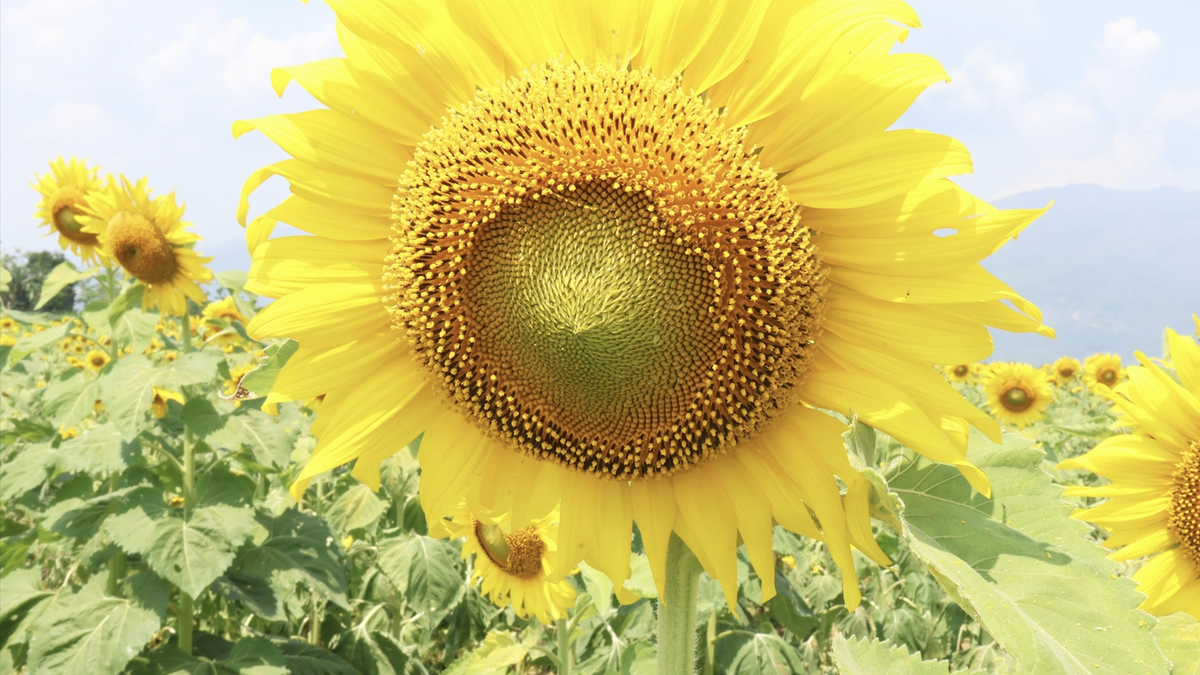
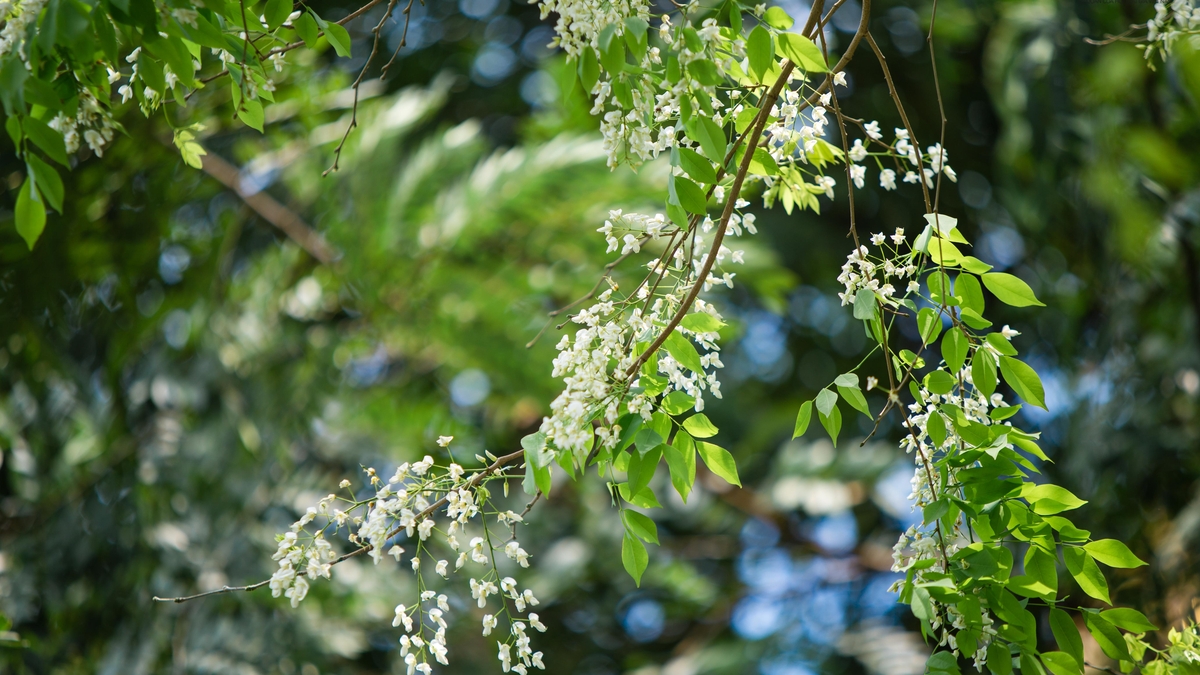
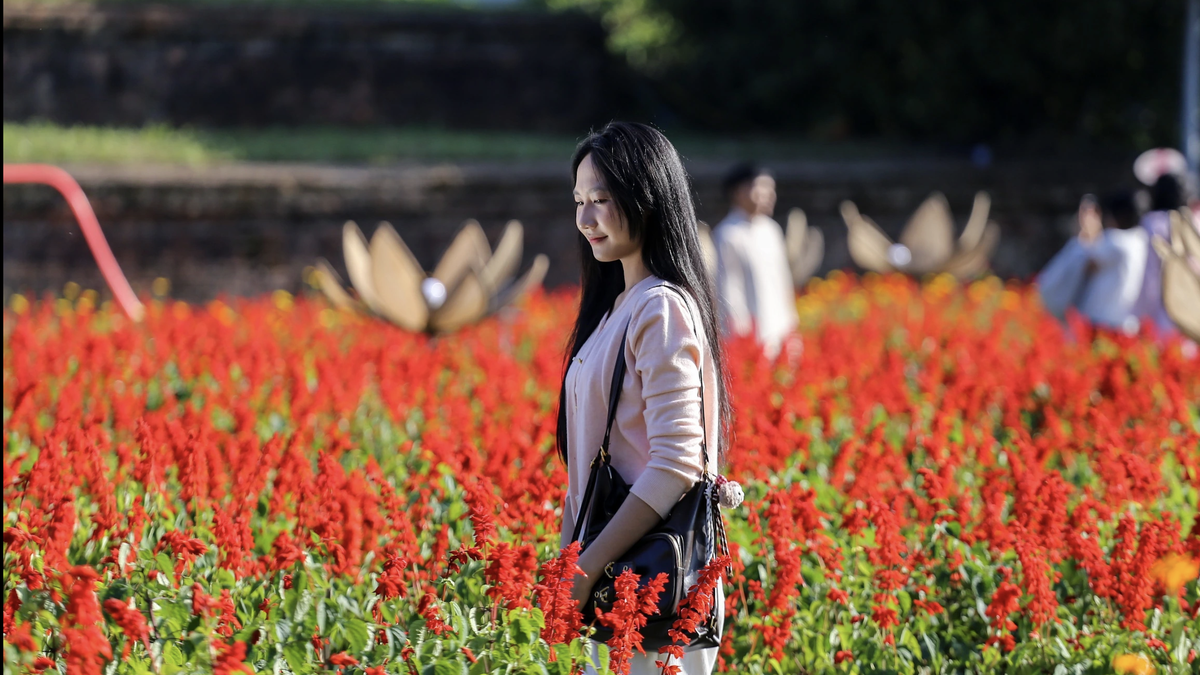
This time, I took a Kong Forest convertible to Hon Ba. From the stop 17km from the summit, a shuttle bus took us along a newly renovated, smooth and beautiful road. Hon Ba is still shrouded in clouds, cool and breezy even in the hot season of Khanh Hoa . Besides the reconstructed house of Dr. Yersin, what surprised me was the flowers! Surrounding the house were blooming purple rhododendrons, with large, delicate flowers. There were hydrangeas, familiar to Da Lat, sparkling in the early morning sun. There were also purple lantana flowers, creating a gentle atmosphere. Three-leaf pines had also been planted on the summit, lush and green, promising to expand into a forest.
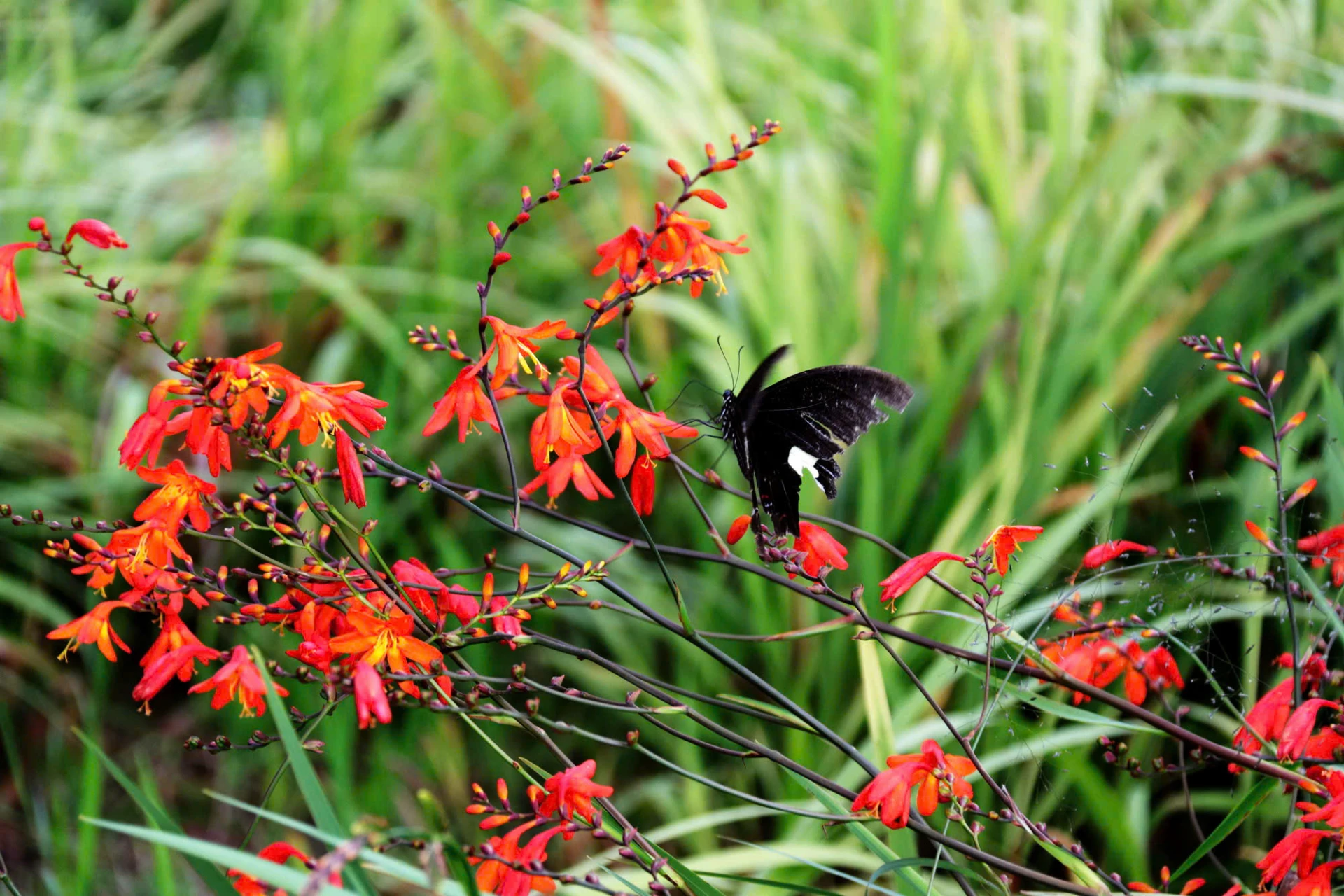
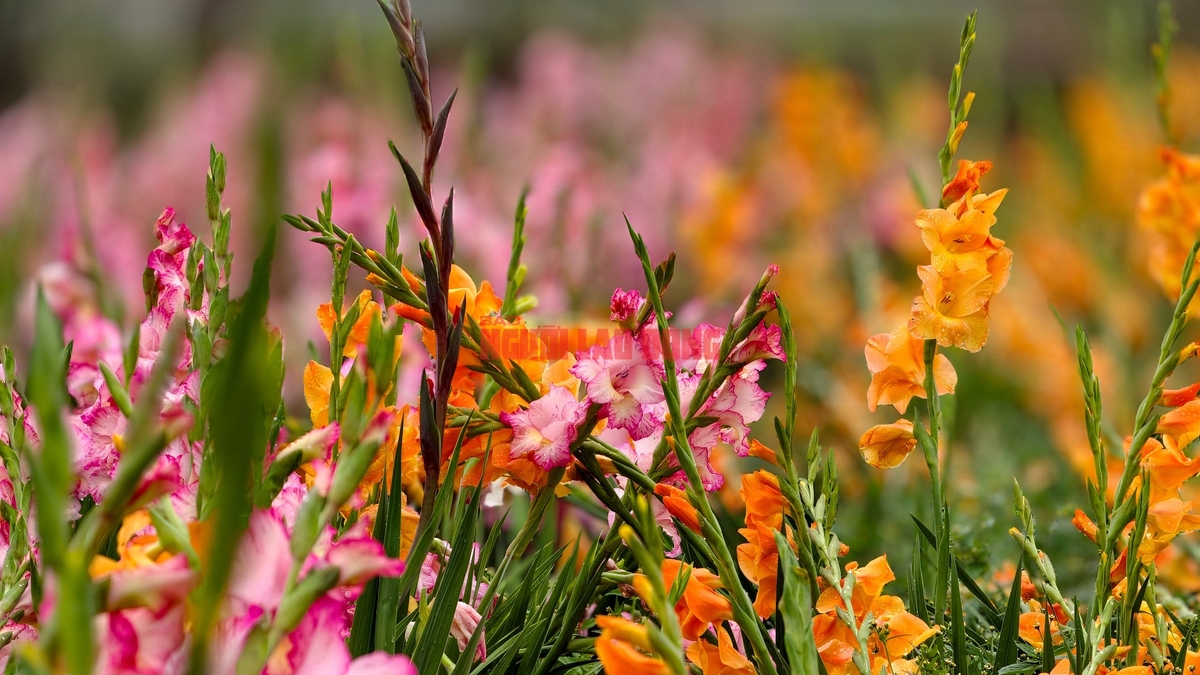
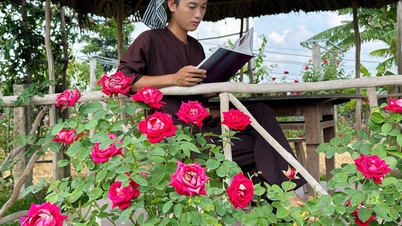
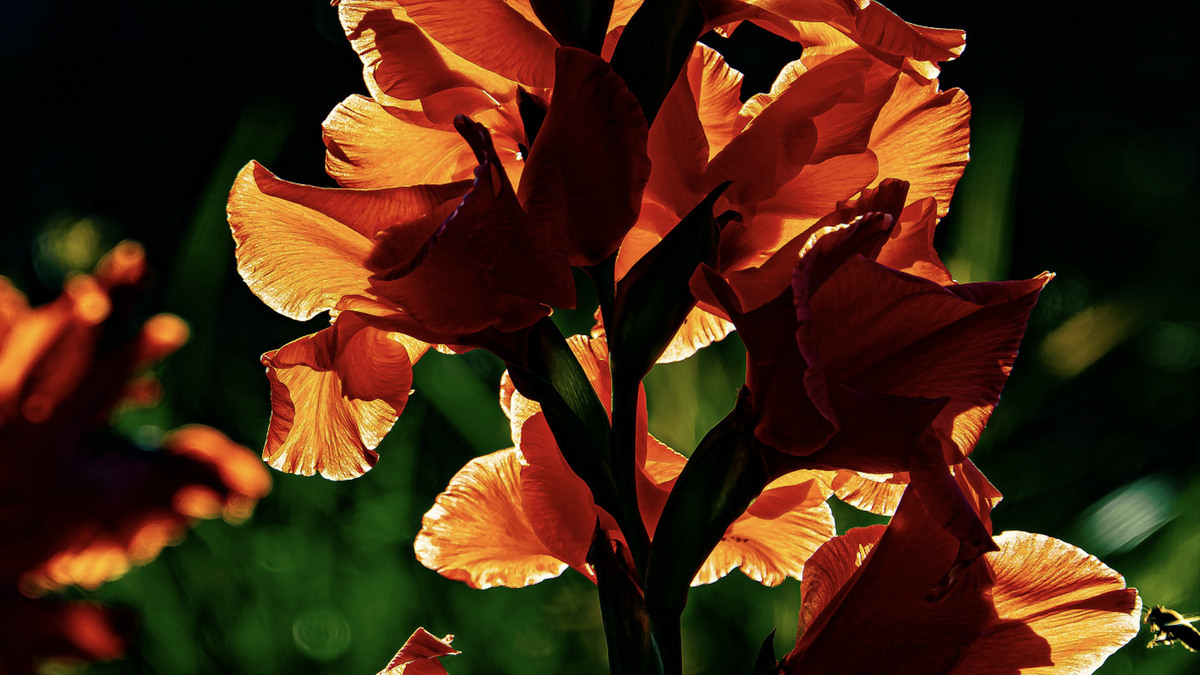
Most striking are the bushy, bushy clusters of ruby roses, hanging down from the leaf axils. Beneath the flowers, a refreshing green carpet of pennyworts forms. Particularly eye-catching are the red-orange flowers that people call saffron or Japanese gladioli. These flowers bloom year-round, with a sweet fragrance and abundant nectar, attracting butterflies in droves.
 |
A newly opened stone path leads to the rock where Dr. Yersin once gazed at the stars. The path winds through grass and flowers, offering visitors panoramic views of the vast mountains, where a few quince trees he planted still remain, now blending into the wilderness.
Life is a constant flow. Many people come and go, leaving no trace. But Dr. Yersin chose to live and work in Nha Trang for 50 years, leaving behind a scientific legacy and a mark on a mountain called Hon Ba.
 |
Today, Hon Ba Island is different from what it used to be: Flowers bloom, butterflies fly, and the roads are widened. Out of love for Dr. Yersin, later generations have extended the path he once trudged through the forests and climbed the mountains. Perhaps, amidst that vastness, he sometimes sings a few random songs, as a way for people to remember him forever.
KHUE VIET TRUONG
Source: https://baokhanhhoa.vn/van-hoa/sang-tac/202512/len-hon-ba-bat-gap-co-hoa-12f5f84/











































Comment (0)