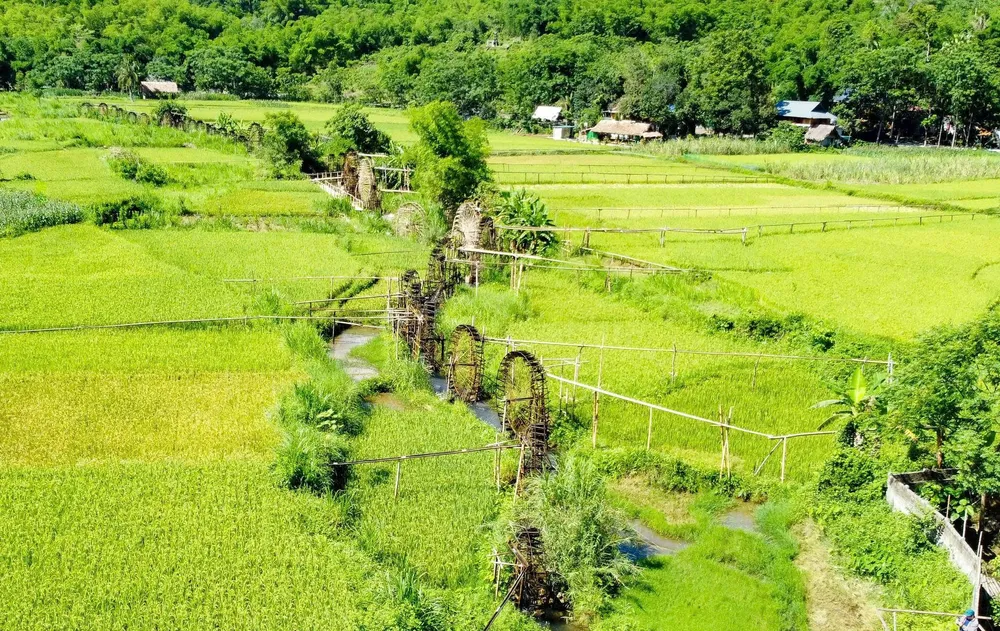
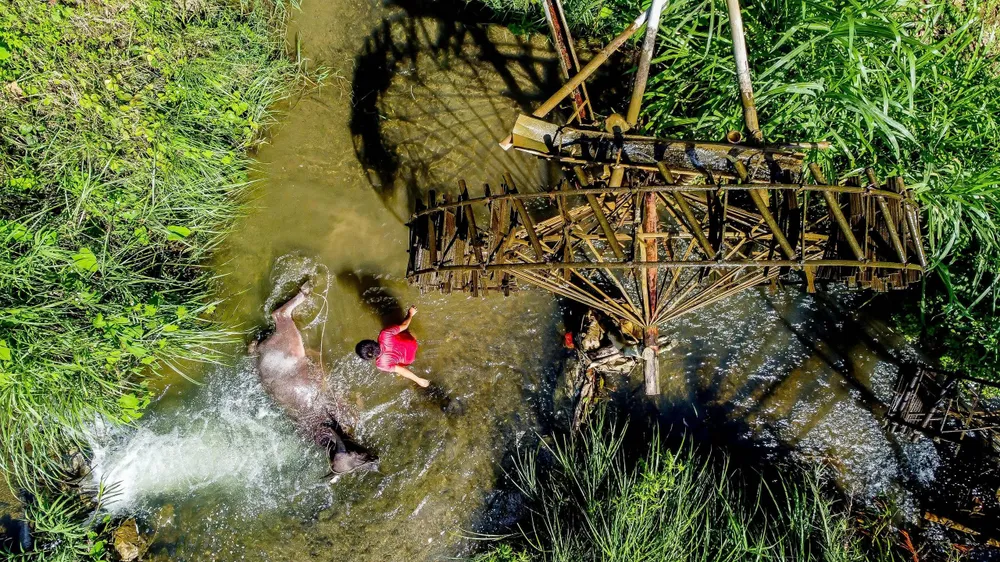
Along the winding roads amidst the towering mountains, the sight of waterwheels lined up beside clear streams is a familiar sign indicating the settlements of the local people. For them, the waterwheel is the fruit of labor intertwined with a long history – no one remembers exactly when it originated, only that it has been passed down from father to son, and every man in the village knows how to make one.
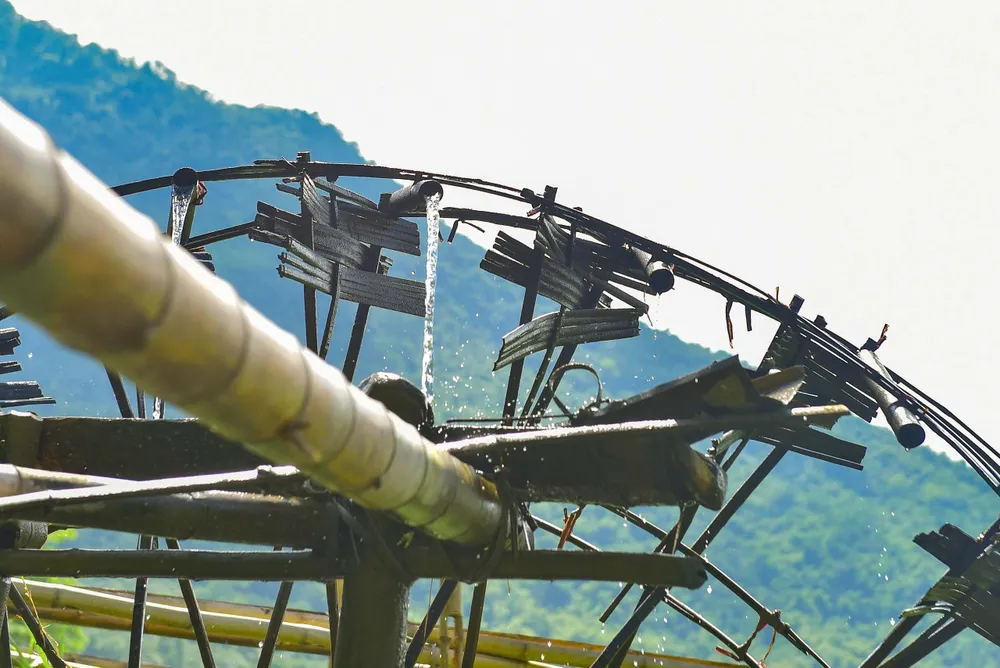
According to Mr. Ha Van Thuong (Chieng Lau village, Ban Cong commune), the waterwheel here is not only used to bring water from the stream to the fields but also to bring water back to the village for daily life and even as a "rice pounding machine".
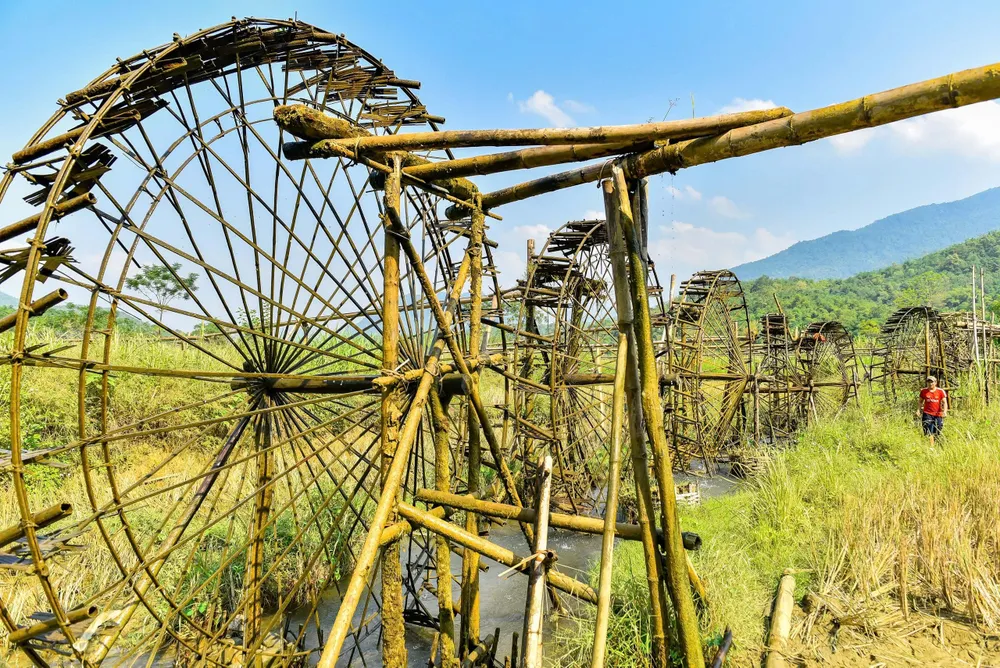
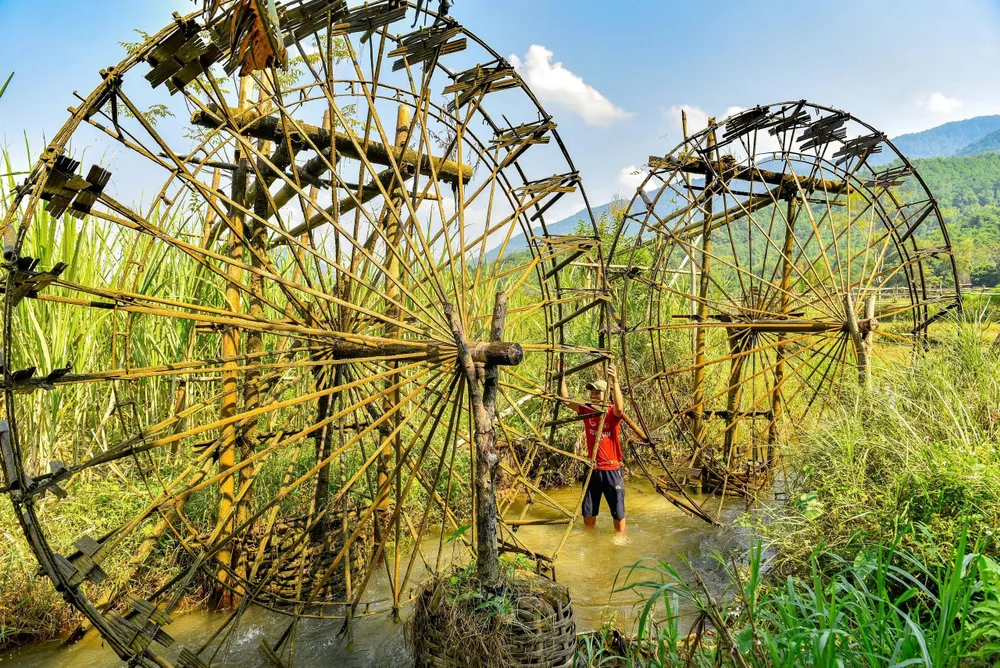
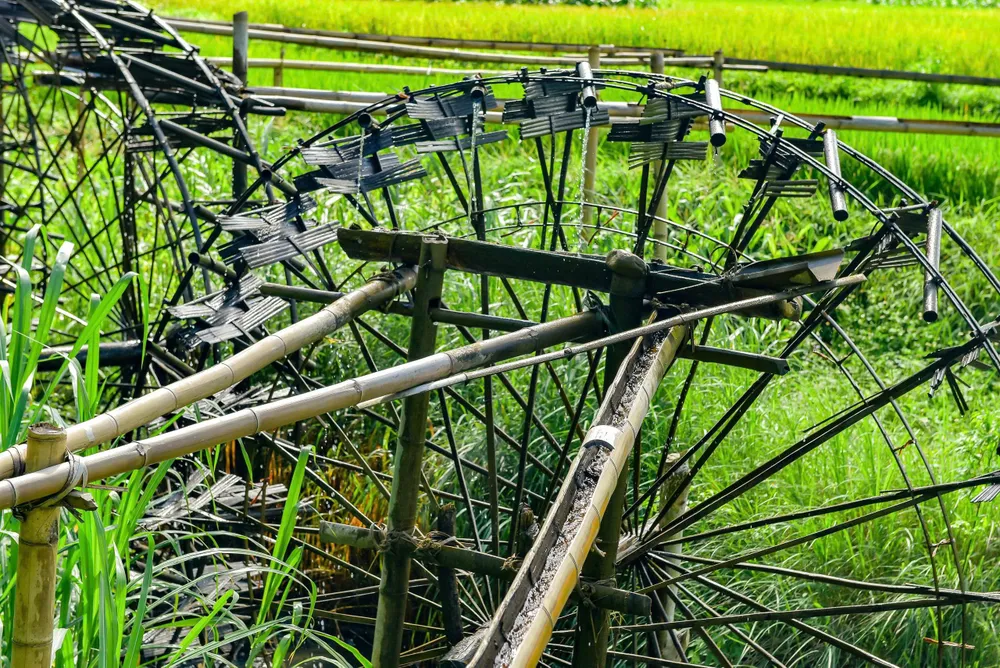
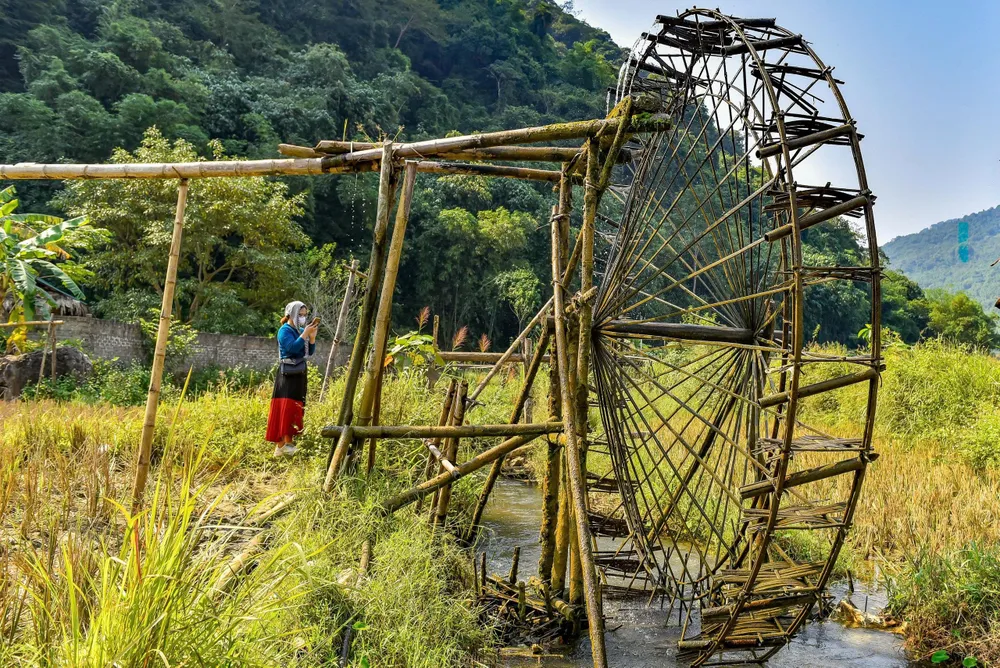
Building a waterwheel requires the combined efforts of 5-10 people and takes at least two days to complete. The first and most important step is making the axle for the waterwheel – considered the "heart" of the waterwheel – which is made from a straight, sturdy log capable of withstanding abrasion and water. The wheels are made from bamboo or rattan with a diameter of 5-10 meters, depending on the depth of the stream relative to the level of the rice fields. The water collection pipes are made from the trunk of the *Vau* tree (a type of bamboo).
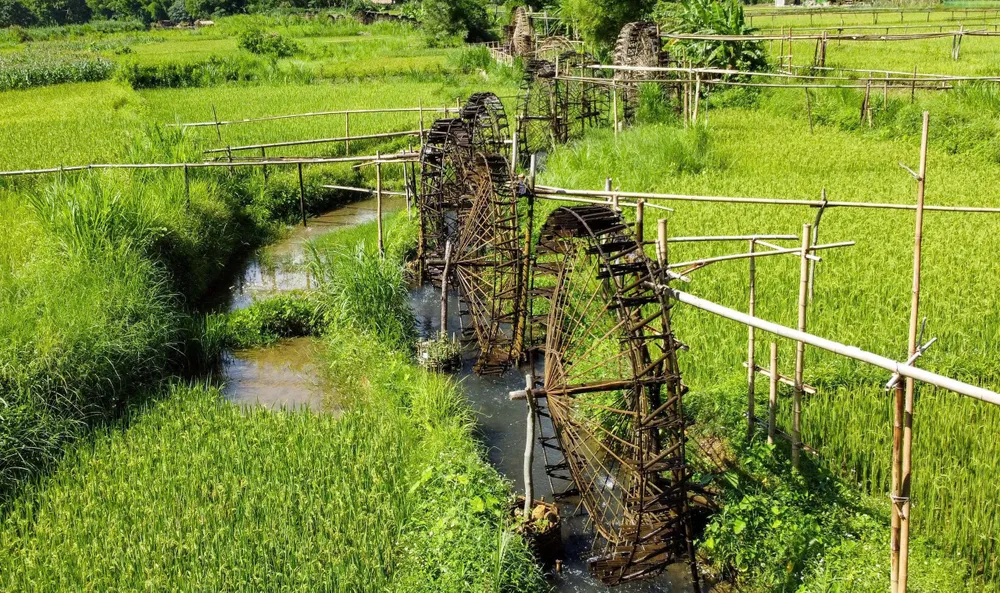



Mr. Ha Van Thuong further shared that, in addition to mastering the techniques to ensure accuracy in each step, making a water wheel also requires skill, meticulousness, and passion. “Nowadays, many things are made by machines, but water wheels still need to be made manually. The elders in the village still teach the craft, and we are very happy that many young people are still enthusiastic about making water wheels,” Mr. Thuong said.
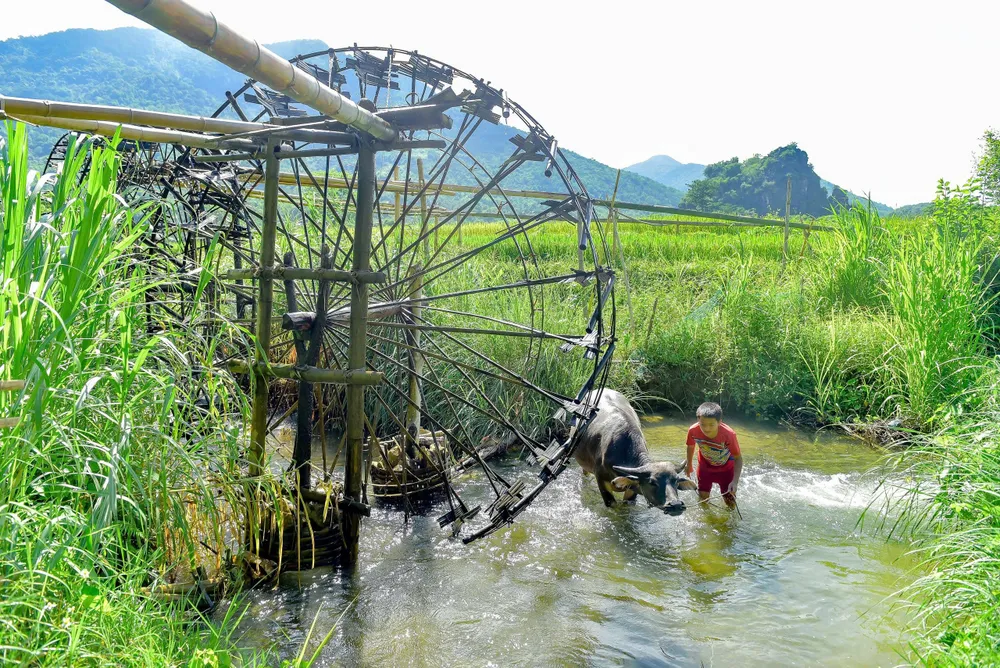
The people of Chiềng Lau are always proud that, even with the advent of water pumps, they cannot replace the waterwheel because of its "diligence" and "tireless work day and night." In particular, using a waterwheel is less expensive and very environmentally friendly.
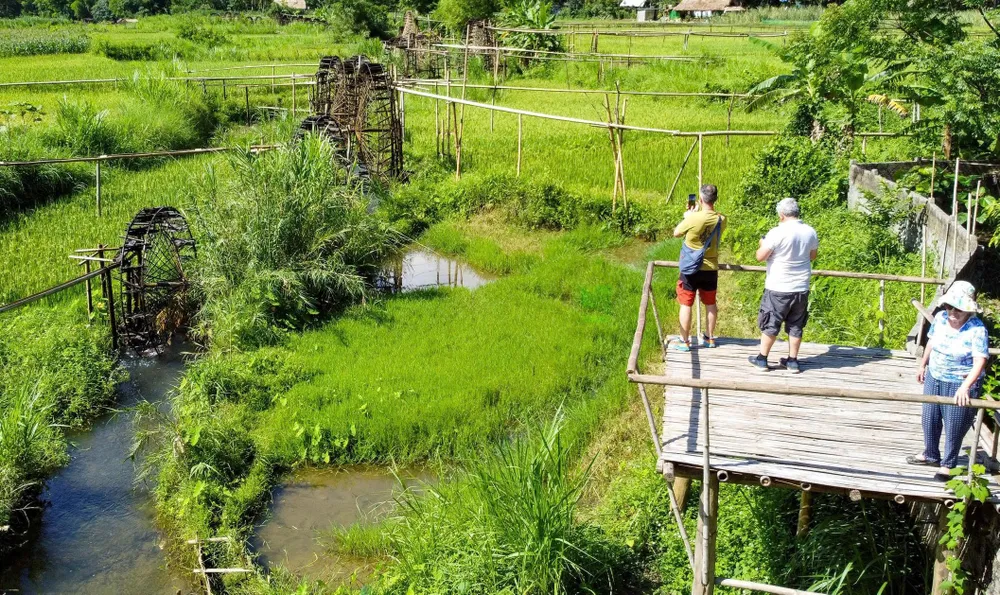
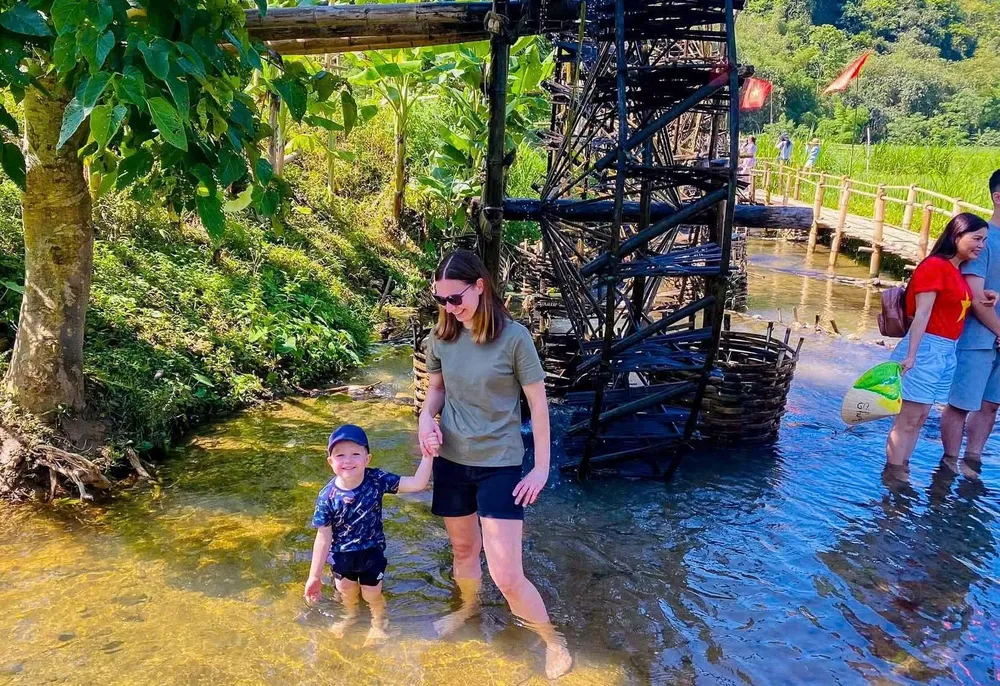
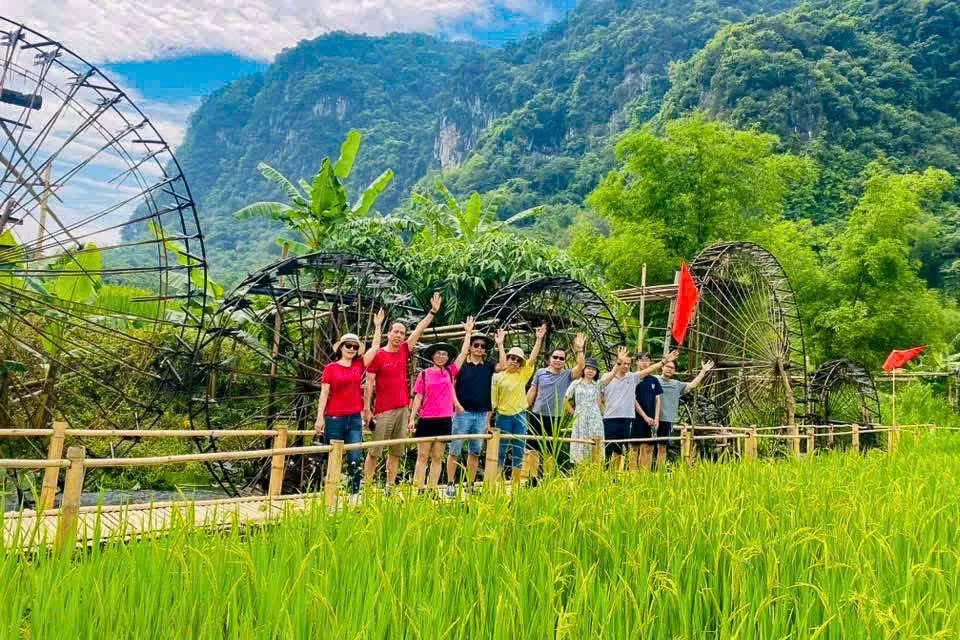
Today, waterwheels not only serve agriculture but also "serve" tourists. In some places, locals have built huts to help tourists easily admire the waterwheels and take photos. Many domestic and international tourists have come to admire these "water wheels" turning tirelessly amidst the mountains and forests of Thanh Hoa province – a place that preserves the beauty of labor and culture of the highlands.



Source: https://www.sggp.org.vn/len-reo-cao-ngam-banh-xe-nuoc-post799658.html