

Dr. Ho Thanh Lich, Deputy Head of the Intensive Care and Emergency Department at Nam Saigon International General Hospital, stated that information about using blood lipid filtration to prevent stroke is inaccurate. According to regulations from the Ministry of Health , blood lipid filtration is indicated only when blood lipid levels are above 11 mmol/L accompanied by pancreatitis, meaning it is indicated in severe, life-threatening cases and is performed according to strict procedures.
"Because this is a highly specialized technique, it must be performed by a specialist doctor with modern equipment. Furthermore, the process of blood lipid filtration also carries the risk of dangerous complications for the patient. Therefore, there is no such thing as blood filtration to prevent high cholesterol in the long term or to prevent stroke," Dr. Lich explained.
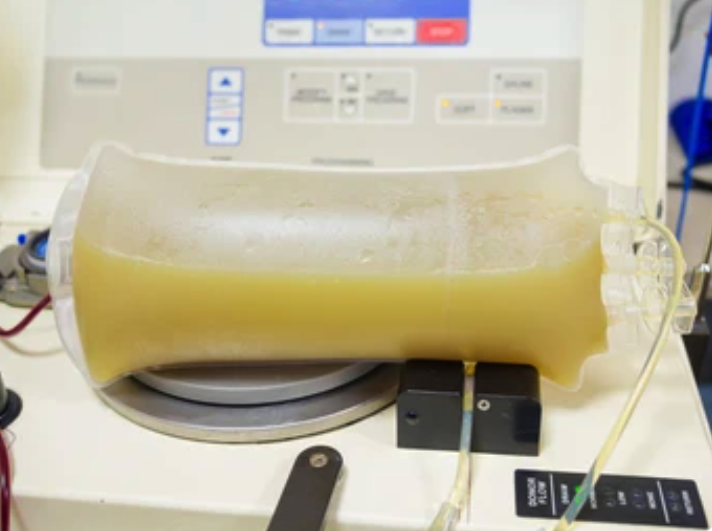
Lipid filtration is a specialized technique applied as prescribed by a doctor when necessary.
According to Dr. Lich, among the causes of stroke, besides unchangeable factors such as age, gender, and family history, pathological factors also increase the risk of stroke, including diabetes, cardiovascular disease, hypertension, high cholesterol, overweight, obesity, and unhealthy lifestyles (smoking, alcohol abuse, etc.). Of these, hypertension is the leading risk factor for stroke.
To prevent stroke, people need to pay attention to their diet and lifestyle to prevent the risk factors mentioned above, such as:
- Regarding nutrition, supplement your diet with vegetables, fruits, legumes, and grains.
- Eat plenty of white meat, seafood, and eggs to supplement your body with protein, and limit your consumption of red meat.
- Limit your intake of high-fat foods, fried foods, and fast food.
- Limit your intake of sweets and foods high in sugar.
- Drink plenty of water, fruit juice, soy milk, etc.
- Limit your alcohol consumption.
- Engage in regular and appropriate physical exercise.
- Do not smoke.
- Get regular health checkups.
What should you eat to reduce bad fat?
According to nutritionist Dr. Nguyen Thu Ha from Nam Saigon International General Hospital, high levels of bad cholesterol can occur after a meal high in fatty foods. Eating a lot of foods rich in saturated fat, trans fat, and cholesterol over time can lead to an increase in bad cholesterol in the body, which is dangerous because it can increase the risk of cardiovascular diseases. Specifically, foods such as animal fat, red meat, processed foods, fast food, and sugary foods can affect blood lipid levels. In short, foods containing saturated fat and high cholesterol are the leading causes of cardiovascular health problems (such as atherosclerosis), high blood cholesterol, and visceral cholesterol (such as fatty liver), as well as overweight, obesity, and type 2 diabetes.
"Therefore, maintaining a balanced diet rich in fiber and low in saturated fat and sugar is essential for protecting health. Choosing healthy foods such as whole grains, vegetables, salmon, flax seeds, chia seeds, and olive oil can help support cardiovascular health by reducing bad cholesterol and increasing good cholesterol," Dr. Ha shared.
Source link
![[Photo] Prime Minister Pham Minh Chinh receives the Chinese Ambassador to Vietnam](https://vphoto.vietnam.vn/thumb/1200x675/vietnam/resource/IMAGE/2026/04/05/1775397481797_ndo_br_dsc-5512-jpg.webp)













































































![[INFOGRAPHICS] Exploiting children's personal images for profit can result in fines of up to 50 million VND.](https://vphoto.vietnam.vn/thumb/402x226/vietnam/resource/IMAGE/2026/04/06/1775442200854_1775442148.webp)























Comment (0)