

 |
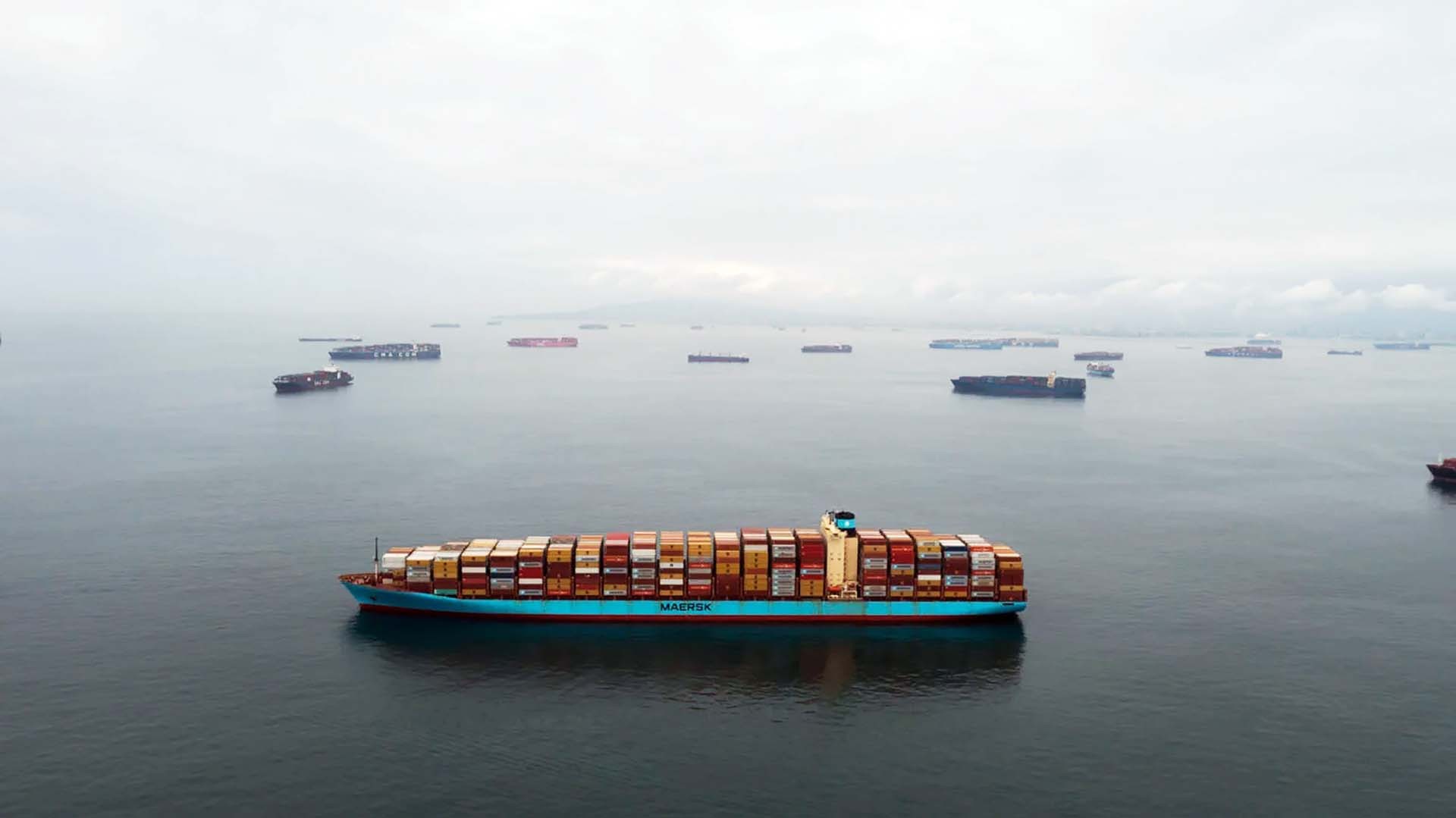
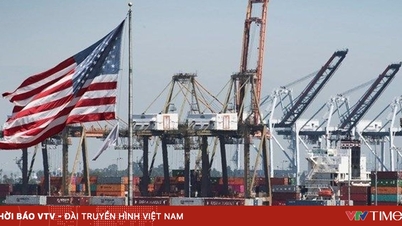
| With the addition of the UK, the combined GDP of CPTPP member countries accounts for 15% of global GDP. (Source: popsci.com) |
UK Business and Trade Minister Kemi Badenoch has officially signed the agreement to join the Comprehensive and Progressive Trans-Pacific Partnership (CPTPP), making the United Kingdom the 12th member of the world's leading dynamic trade bloc.
In 2021, the UK applied to become a member of the CPTPP, shortly after leaving the EU (Brexit). Negotiations for CPTPP membership began in June 2021. After nearly two years, the UK reached an agreement in principle to join the bloc on March 31st and officially signed the accession agreement on July 16th in Auckland, New Zealand.
The UK government has stated that it will quickly take the necessary steps to ratify the Agreement, including parliamentary oversight, while other CPTPP member countries finalize their domestic legislation procedures.
Message from the United Kingdom
Prime Minister Sunak emphasized, “We are a nation that supports free and open trade, and this agreement delivers the real economic benefits of our post-Brexit freedoms.”
More specifically, Minister Kemi Badenoch argued that the UK is leveraging its position as an independent trading nation to participate in a dynamic, developing, and forward-looking trade bloc. Joining the CPTPP would be a major boost for British businesses, adding billions of pounds to trade and opening up enormous opportunities and unprecedented access to a market of over 500 million people.
However, there are differing opinions among British officials and analysts. Some assert that this is the most important trade agreement London has signed in the post-Brexit era, with the potential to increase the country's importance in the context of the continuing rise of Asia-Pacific economies.
Some argue that the CPTPP is merely an additional agreement alongside the free trade agreements the UK already has with most member countries, and therefore offers little breakthrough. However, joining the CPTPP sent a strong message about the UK's efforts to open doors to new markets around the world. The UK government believes the CPTPP will create long-term benefits for both the UK and member countries, with the total value of CPTPP trade expected to increase to $12 trillion.
For the UK, the CPTPP offers prospects for boosting economic growth, innovation, and job creation. British businesses will also have more options for future trade and investment opportunities. Businesses operating in the legal, financial, and service sectors will have the chance to expand their operations in the rapidly growing markets of member countries.
As HSBC CEO Ian Stuart stated, “The UK’s formal accession to the CPTPP marks a significant milestone for UK trade, enabling ambitious UK businesses to connect with the world’s most exciting startup, innovation and technology markets.”
In fact, over 99% of UK exports to CPTPP countries will enjoy a 0% tariff rate. This agreement will help them reduce import taxes on cars, wine, and dairy products. The UK's Institute for Export and International Trade points out that, thanks to the agreement, some goods from CPTPP member countries have become cheaper for British consumers, such as fruit from New Zealand and Chile.
Conversely, membership in the CPTPP would give the UK access to the Indo-Pacific region, which accounts for 60% of the world's population. The elimination of tariffs would make the best British products, such as whisky, confectionery, automobiles, jewelry, and clothing, more accessible to consumers in this vast market.
The UK government estimates that its GDP will increase by £1.8 billion ($2.2 billion) annually in the long term, and this figure could rise further as the CPTPP continues to expand.
Furthermore, disregarding predictions of economic benefits or contentious issues such as reduced tariffs on palm oil from Malaysia, or allowing Canadian beef access to the UK market, the CPTPP is highly valued strategically by the British government. It also presents an opportunity for the UK to increase its economic presence in the Asia-Pacific region, building on its security presence through the AUKUS agreement signed with the US and Australia.
The decision to become part of the CPTPP is expected to strengthen the UK's economic presence in the Indo-Pacific – a region considered central to London's "Global Britain" strategy, and which is witnessing the rise of China, which has applied to join the agreement.
British Prime Minister Rishi Sunak once emphasized that by 2050, the Indo-Pacific region is expected to contribute more than half of global economic growth. The UK hopes to deepen its relationship with this region, which holds significant importance on the world's geopolitical map. Beyond the tangible economic benefits, joining the CPTPP is seen as a political victory for London.
A breath of fresh air for global trade.
The CPTPP is a free trade agreement with provisions to eliminate tariffs between member countries, while also setting rules on issues such as cross-border investment, e-commerce, intellectual property, state-owned enterprises, and labor.
The UK becoming the first non-founding member to join the CPTPP since the agreement was signed in 2018 has created a "new impetus" for global free trade.
As New Zealand Prime Minister Chris Hipkins noted, bringing the UK into the CPTPP was a long and sometimes challenging journey, but having more major economies in the CPTPP would help connect the Atlantic and Indo-Pacific in a way that strengthens the rules-based trading system in the region.
The world's sixth-largest economy is believed to not only help expand economic space and increase economic integration within the bloc. In fact, since London announced its intention to join the CPTPP, many other countries have expressed their desire and applied to join, thereby further promoting the trend of multilateralism and trade liberalization globally. This also means that access to potential markets and benefits for members will continue to increase significantly in the future.
The International Monetary Fund (IMF) estimates that, with the addition of the UK, the combined GDP of CPTPP member countries will account for 15% of global GDP, up from the current 12%.
In reality, although London already has bilateral trade agreements with many CPTPP member countries, the UK's membership in the CPTPP is not just a symbolic move; it carries significant strategic and economic implications, contributing to strengthening value chains and supply chains within the bloc, and promoting trade liberalization in the region.
Source




























































































Comment (0)