

 |
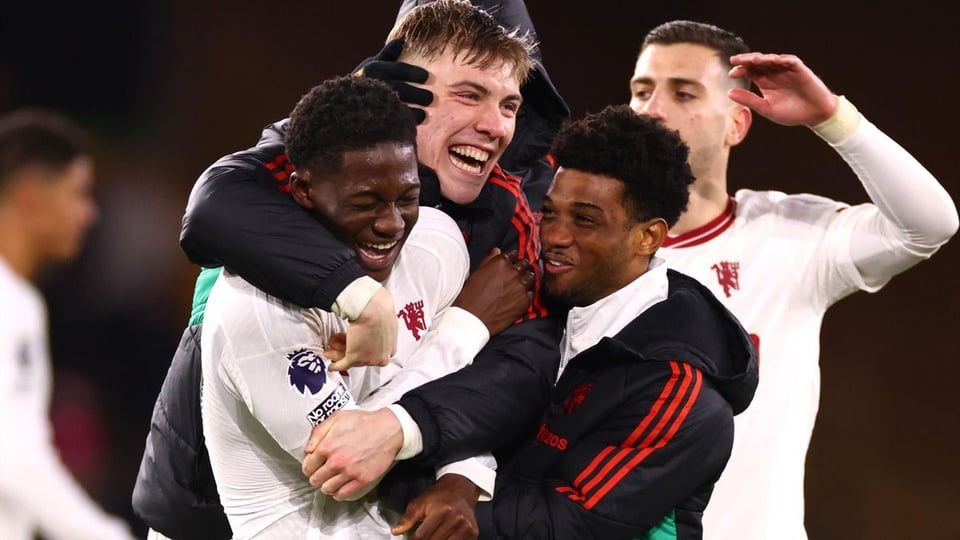
Manchester United is different now. |
In recent summers, Manchester United have often been criticized for wasteful spending, directionless transfers, and having to sell before buying due to financial regulations. But in the summer of 2025, the Red Devils are showing a different face: more flexible, more pragmatic, and more proactive.
The centerpiece of the campaign is Benjamin Sesko – the 22-year-old Slovenian striker currently playing for RB Leipzig – a top target to upgrade the attack. And notably, Manchester United could potentially finalize the deal without waiting to sell any of their star players.
Financial initiative
Manchester United are in talks with RB Leipzig over a deal that could cost up to £79 million – a considerable sum. With the transfer market currently sluggish, the question is: why does Man United have the financial capacity for such a large transfer?
The answer lies in a series of strategic moves that the Old Trafford club has quietly made over the past six months. First, they loaned Marcus Rashford to Barcelona with a clause allowing the Catalan club to pay his entire salary – saving the club around £14 million. This wasn't just a simple wage bill; it was a clear statement: MU is ready to drastically change its squad structure.
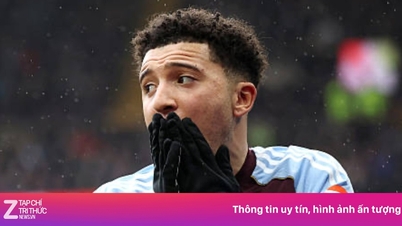
Alongside that are less-noticed sources of revenue. This summer, Man United earned nearly £21 million from resale clauses related to academy graduates such as Anthony Elanga, Alvaro Carreras, and Maxi Oyedele. This was in addition to a £5 million "compensation" payment from Chelsea for refusing to exercise the buyout clause for Jadon Sancho.
In contrast to their previous impulsive transfer windows, MU are showing they have learned their lesson from expensive but ineffective deals like Casemiro or Antony. This past winter, they only spent £25 million to buy Patrick Dorgu - a promising young player - while loaning out Rashford and Antony with the majority of their salaries covered by their loan partners.
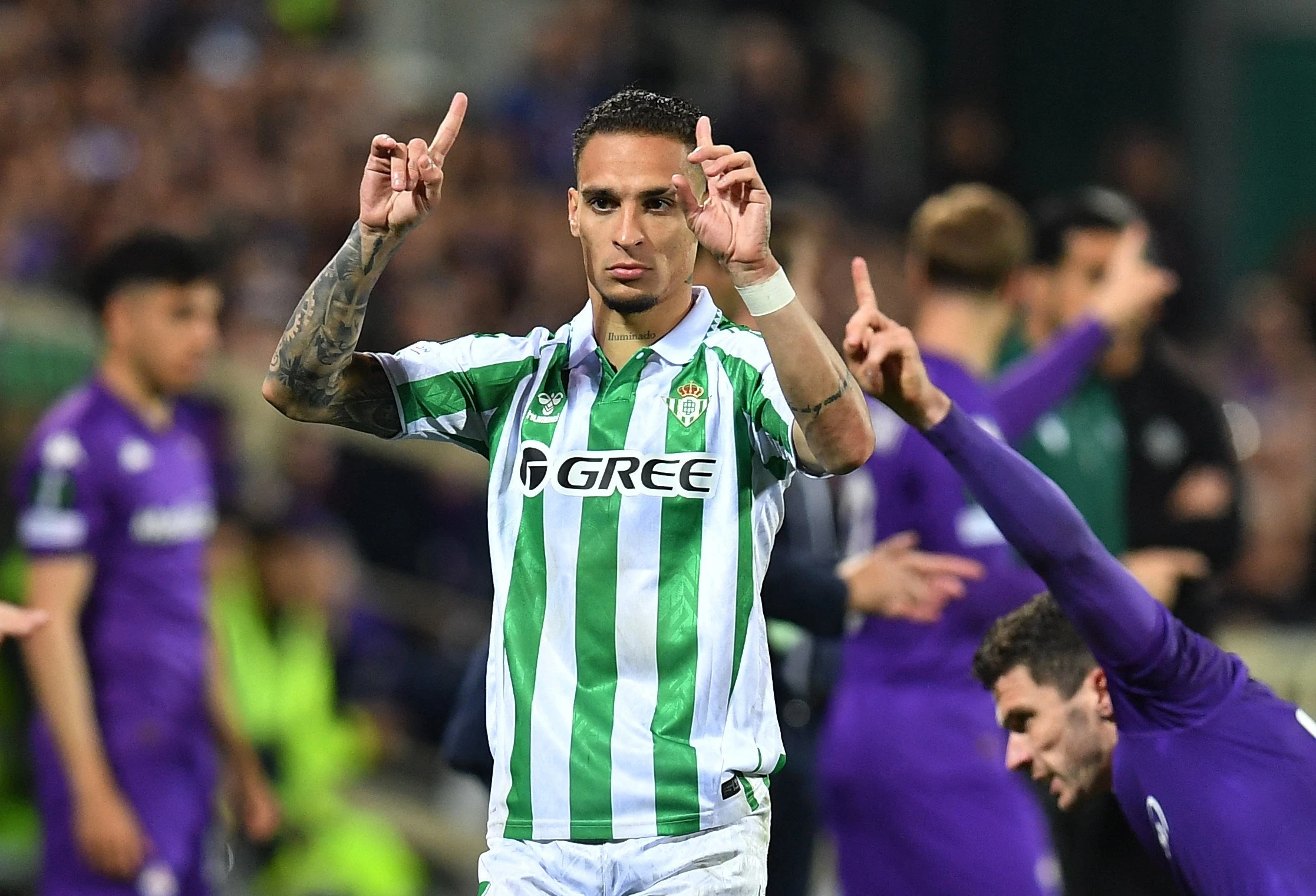 |
Manchester United made a mistake in the Antony transfer. |
Even high-profile signings like Matheus Cunha and Bryan Mbeumo – two key new recruits this summer – were paid for in installments. The total cost reached £133.5 million, but the actual expenditure in the short term wasn't excessive, allowing MU to maintain flexible cash flow.
Another important detail: the upcoming three-year financial audit under PSR regulations will no longer include the two extremely expensive contracts of Casemiro and Antony – investments that were ineffective both professionally and financially. This opens up greater "accounting room" for MU to carry out major transfers without breaking the rules.
Selling is still mandatory - but not now.
Despite having enough players to bring Sesko to Old Trafford, Manchester United understands that a squad overhaul is necessary. The "Bomb Squad"—a group of players no longer part of their long-term plans—including Sancho, Antony, Garnacho, and Tyrell Malacia, will have to leave sooner or later. However, the Red Devils don't want to be forced to pay too much too early in the transfer market.
That's why they chose to take the initiative, waiting until closer to the September 1st deadline to accelerate negotiations. By then, clubs would need to add players more urgently, and player values could be pushed higher. Currently, Chelsea is said to have Garnacho in their sights, Juventus and Dortmund have had preliminary talks with Sancho's representatives, and Malacia is receiving interest from Saudi Arabia.
Manchester United know they need to sell some first-team players within the next 12 months to maintain long-term financial balance. But now, buying first and selling later is no longer impossible.
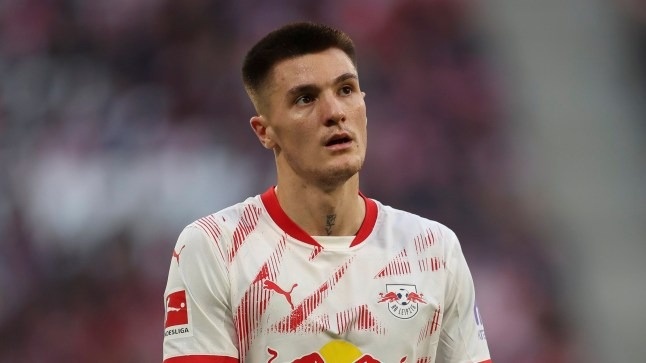 |
Sesko is a target for Manchester United. |
From a professional standpoint, Benjamin Sesko is the ideal striker for a team undergoing a period of "quiet restructuring" under the new management. He has a good physique, impressive speed, increasingly refined technique, and most importantly: a lot of potential for development. At 22 years old, Sesko is a suitable choice for a long-term commitment, and can compete on equal footing with Rasmus Højlund.
With their current financial capabilities, MU not only managed to buy Sesko – they also gained the upper hand in negotiations: no need to rush the sale, and not being backed into a corner. This is a positive sign after years of being seen as a "rich club that spends money poorly".
Manchester United are changing – both in their approach to football and their financial strategy. The ability to sign a striker worth nearly £80 million without selling anyone shows that their behind-the-scenes power is starting to return. If Sesko arrives at Old Trafford, it wouldn't just be an addition to the attack, but also a message to the rest of the Premier League: MU are back – not flashy, but very pragmatic and calculated.
Source: https://znews.vn/manchester-united-dang-thay-doi-post1573829.html





![[Photo] Prime Minister Pham Minh Chinh receives the Director of RMIT University Melbourne (Australia)](https://vphoto.vietnam.vn/thumb/1200x675/vietnam/resource/IMAGE/2026/04/02/1775142120087_thiet-ke-chua-co-ten-2026-04-02t214220784-png.webp)




















































































Comment (0)