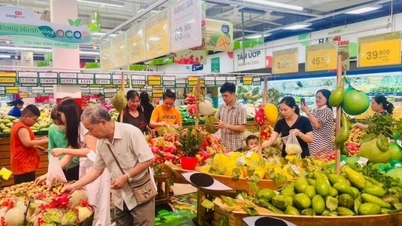
Choose fresh vegetables.
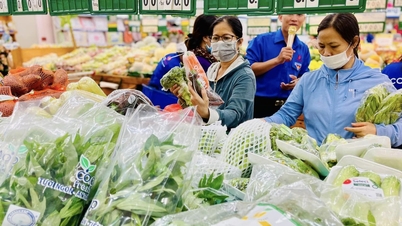
Fresh vegetables contain more vitamins, minerals, and antioxidants than processed, frozen, moldy, out-of-season, or spoiled vegetables.
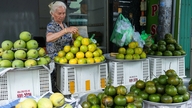
Therefore, when buying vegetables, prioritize purchasing from reputable vendors that guarantee their origin; and carefully inspect their appearance to ensure there are no bruises, holes, leaks, mold, rot, or signs of pests or diseases.
Choose a variety of vegetables.
Cancer-fighting vegetables all have their own unique nutritional compositions and health benefits. Therefore, try to eat a variety of vegetables by regularly changing your menu and rotating your portions to ensure you provide your body with the necessary nutrients to fight cancer cells.
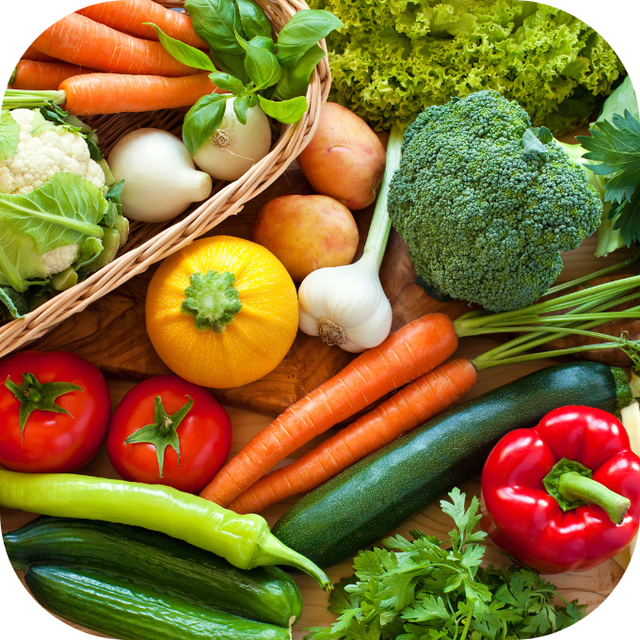
Cancer-fighting vegetables all have their own unique nutritional compositions and health benefits.
Choose brightly colored vegetables and dark-colored leafy vegetables.
Light-colored vegetables (carrots, bell peppers, pumpkins, etc.) generally contain more carotenoids and vitamins A, C, and E than dark-colored vegetables.
Meanwhile, the darker the green leafy vegetables (spinach, kale, water spinach, red cabbage, etc.), the more nutrients they contain that are beneficial for cancer patients compared to light-colored leafy vegetables.
Note on proper vegetable preparation to help prevent cancer.
Properly preparing vegetables can help you optimize the amount of nutrients your body receives from them.
Here are some tips for preparing vegetables to help you retain all the nutrients and enhance their cancer-fighting effectiveness:
Wash the vegetables thoroughly.
To remove dust, industrial chemicals, and potentially harmful disinfectants, wash cancer-fighting vegetables thoroughly before eating them. Ideally, consider purchasing organically grown vegetables.
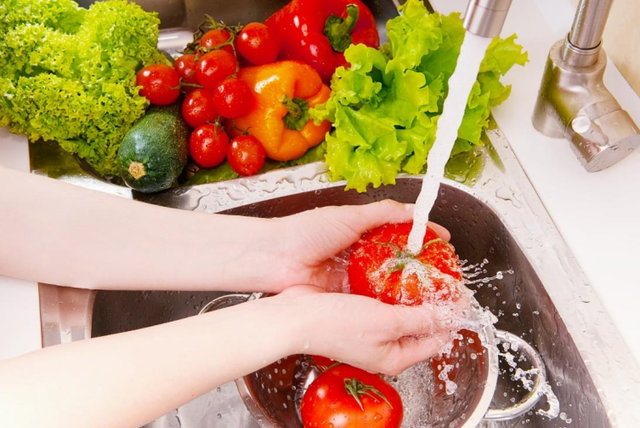
To remove smoke, industrial chemicals, and potentially harmful disinfectants, wash cancer-fighting vegetables thoroughly before eating them.
After purchasing vegetables, you should soak them in salt water or use specialized vegetable washing solutions to remove toxins clinging to their surfaces.
Proper preparation
Proper cooking methods can help preserve the micronutrient content of vegetables. Prioritize steaming, boiling, and light cooking methods instead of frying, stir-frying, or overcooking, which can destroy many of the nutrients in vegetables.
Avoid using too much oil and fat.
When cooking at high temperatures, using excessive amounts of oil and fat not only increases calories but can also create heterocyclic amine compounds, which may promote cancer progression.
If you must use oil, you should use vegetable oil or fatty fish oil, and minimize your consumption of industrial cooking oils (palm oil, coconut oil, and triglycerides...).
Prioritize using vegetables rich in antioxidants as seasonings.



Prioritizing the use of vegetables rich in antioxidants, such as turmeric, onions, garlic, and ginger, as seasonings can make your dishes more appealing and boost your body's ability to fight cancer.
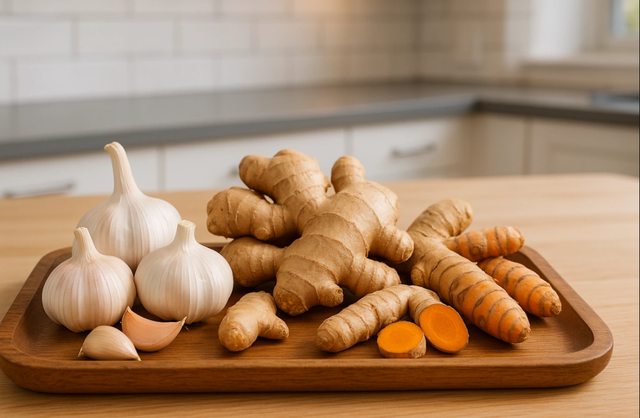
Prioritizing the use of vegetables rich in antioxidants, such as turmeric, onions, garlic, and ginger, as seasonings can make your dishes even more appealing.
Limit salt and sugar intake.
Although salt and sugar can enhance the flavor of food, you should not consume more than 5g of salt and 25g of sugar per day to avoid increasing the risk of developing many complications that can stimulate cancer cell recurrence, such as diabetes, hypertension, and obesity.
Source: https://giadinh.suckhoedoisong.vn/meo-lua-chon-rau-cu-tot-cho-benh-nhan-ung-thu-172260507165058523.htm