 |
Messi became the top scorer in World Cup history with 18 goals. |
Messi scored again. Messi set another record. Messi saved Argentina again in a match where the defending champions didn't really seem to dominate.
It's become so familiar that sometimes people forget to ask the opposite question: what would Argentina be like in this match without Messi?
The record masked an imperfect match.
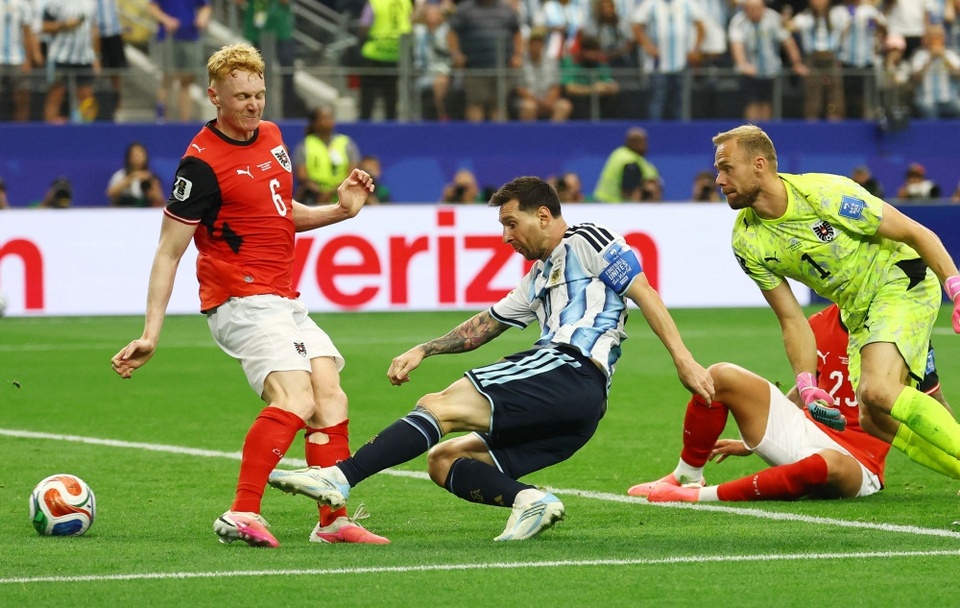
At Dallas Stadium, Argentina defeated Austria 2-0 thanks to a brace from Messi. The first goal made him the top scorer in World Cup history. The second, scored late in the match, brought the superstar's tally to 18 goals at the biggest football tournament on the planet.
Symbolically, it was a huge moment. Messi had scored 5 goals in just 2 matches at the 2026 World Cup. This brought Argentina closer to topping Group J. For a player about to turn 39, those numbers are almost unbelievable.
But football isn't just about beautiful statistics.
Before scoring the opening goal, Messi had missed a penalty early in the match. It wasn't a shot brilliantly saved by the goalkeeper, but rather a shot that went wide of the post, much to the astonishment of the entire stadium. For most players, that moment might become the focus of criticism. For Messi, it was quickly overshadowed by the two goals that followed.
This is what sparks debate. Messi is still good enough to correct mistakes. But should Argentina continue to live in a state of waiting for Messi to fix the team's errors?


 |
Austria didn't play like a team that's easily swept away. They were organized, aggressive enough, and knew how to make Argentina uncomfortable at times. Marcel Sabitzer had moments where he forced the Argentinian defense to work hard. Michael Gregoritsch also had a chance to head the ball in the second half.
Argentina didn't collapse. But they also didn't control the game in the way a title contender usually wants to. They were just solid enough, just dangerous enough, and then let Messi decide the rest.
Genius or dependence?
Argentina's problem lies in the fact that the line between "having Messi is an advantage" and "being dependent on Messi" is becoming increasingly thin.
No one can deny the value of the number 10. The opening goal against Austria was a quintessential Messi finish: a cool, precise one-touch shot with his left foot. It's the kind of goal he's scored hundreds of times, but this time it carried historical significance.
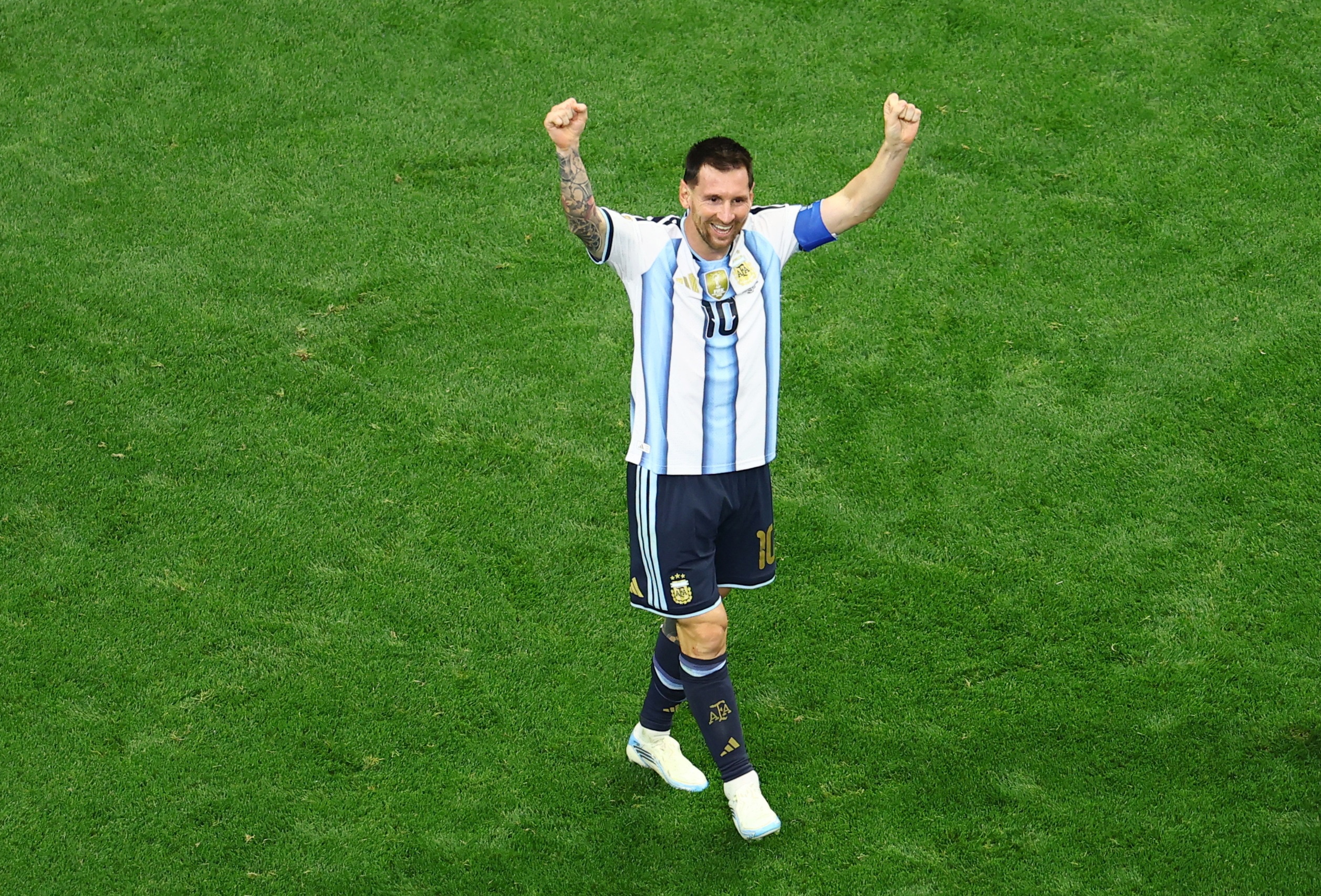
Messi celebrated more enthusiastically than usual. He understood he had just surpassed a major milestone. It was a moment worthy of honor.
But looking at the bigger picture, Argentina still leaves a feeling of incompleteness. They have many quality players, the experience of a champion, and a crowd of fans who turned Dallas into a "Messi cathedral." However, when the game needed a boost, the player who was expected to be there was still Messi.
That was both a stroke of luck and a risk.
Argentina is fortunate to still have a player who can turn the tide at nearly 39 years old. The risk is that the World Cup cannot be passed solely by the inspiration of one icon. The further they progress, the stronger the opponents become, the faster the pace of the game, and the less space Messi will have.



The victory against Austria was therefore not just a historic night. It was also a reminder that Argentina still has a lot of work to do if they want to defend their title.
Forty years after Diego Maradona created immortal moments against England, Messi has written a new chapter for Argentinian football. But unlike the familiar accolades bestowed upon him, the more significant question lies behind this: Is Argentina strong as a team, or is it still being driven by a single genius?
Messi's brilliance is nothing new. The real question is what will happen to Argentina on a day when Messi can no longer perform extraordinary feats.
Source: https://znews.vn/messi-cang-hay-argentina-cang-dang-lo-post1662223.html