

Modern iPhones are equipped with highly durable glass, designed to withstand drops, scratches, and everyday wear and tear without affecting screen quality. Except for the iPhone SE series, all iPhone 12 models and later feature Ceramic Shield – a type of glass developed exclusively for Apple by Corning, which is famous for Gorilla Glass found on many Android smartphones.
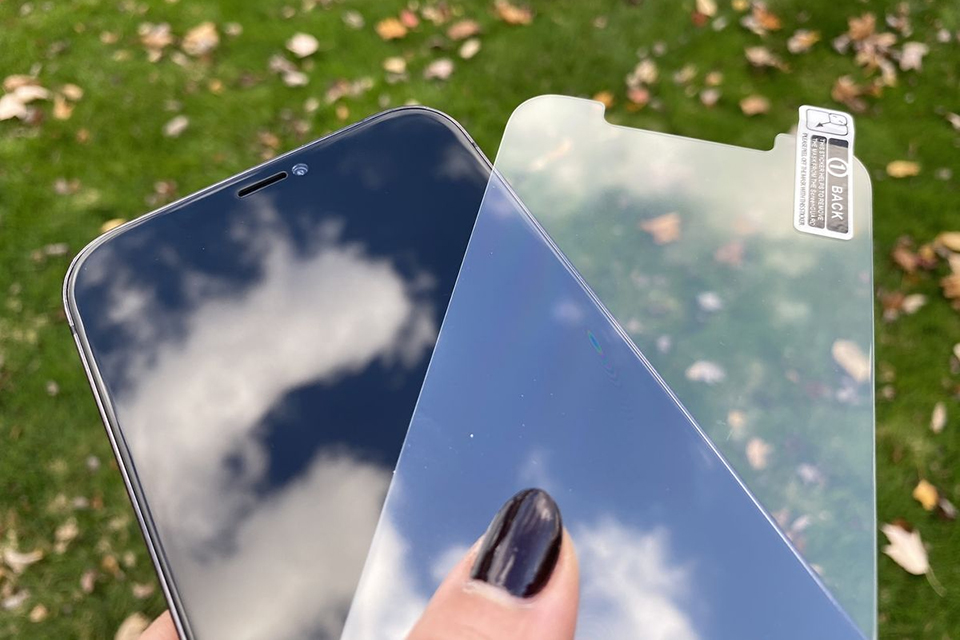
Screen protectors generate huge revenue for manufacturers.
Ceramic Shield is created by embedding ceramic nanocrystals into glass through a high-temperature crystallization process, making the glass more durable against impacts and scratches. But is that enough to protect your iPhone screen, or do you still need a screen protector? Let's explore to find out.
In 2022, the screen protector market generated $50 billion in revenue, with the US alone accounting for $9.9 billion. This means screen protector manufacturers are benefiting from the fact that almost every smartphone user needs one, as cracked screens are the most common type of damage to smartphones (according to research from GadgetFix).
One drawback of screen protectors is that they prevent the screen from being used as intended, as they can impact the screen's responsiveness and clarity by making it more reflective. To counteract this, users often increase screen brightness, leading to shorter battery life and a cumulative negative impact over time.
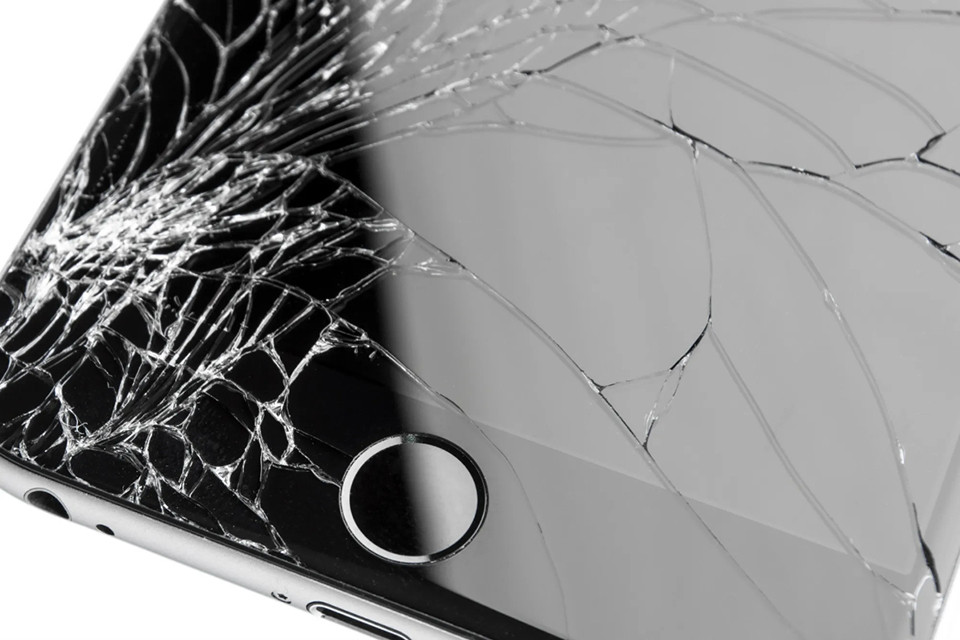
Most people have a fear of their iPhone screen cracking.
There are two types of screen protectors: tempered glass and liquid glass. Tempered glass is a solid sheet of glass placed on the screen. Liquid glass is simply a liquid that is lightly brushed onto the screen and allowed to dry. A good tempered glass offers the best protection, but it tends to be thicker. Liquid glass dries much thinner but is less durable, and many critics consider it a kind of "snake oil" that is actually harmful to the screen; however, this doesn't seem to be a major concern, at least according to tests on the iPhone 13 over two years without any issues.
Meanwhile, the level of additional protection offered by modern screen protectors remains a difficult question to answer. Ceramic Shield has proven extremely durable in drop tests, while even the best screen protectors offer nearly no impact resistance.
Many people breathe a sigh of relief when their screen protector breaks after a drop, while the expensive iPhone screen remains undamaged, but that doesn't necessarily mean the screen protector helped. Tests have shown that most impacts strong enough to shatter the Ceramic Shield will penetrate the screen protector. There's a small threshold at which a good screen protector can absorb just enough to prevent it from reaching the screen, reducing the impact on the Ceramic Shield so it 'survives,' or it could be that the Ceramic Shield is strong enough that the screen protector is no longer important. Of course, even a small amount of protection is better than none at all.
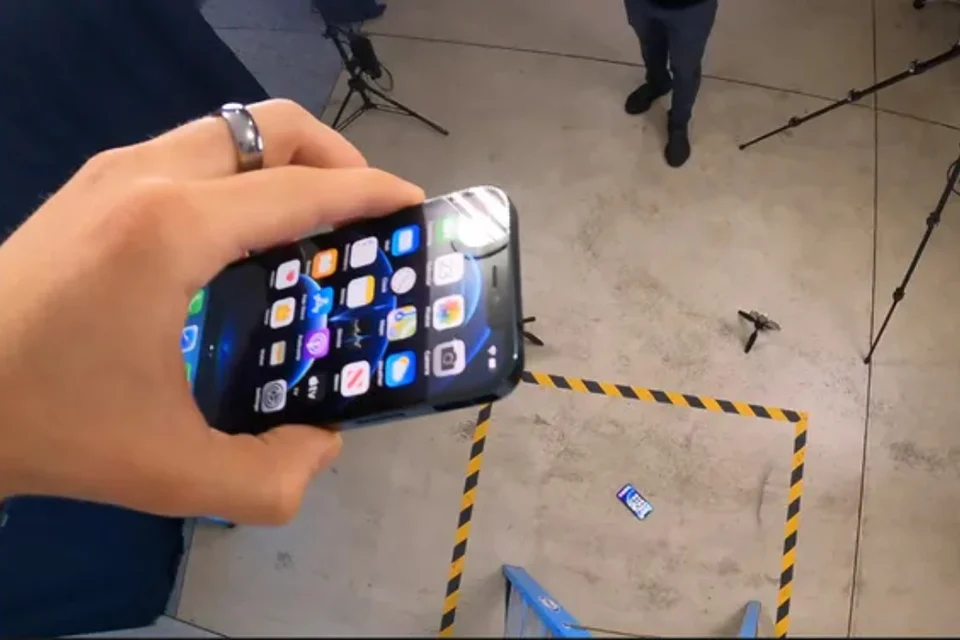
A drop test to see the durability of the Ceramic Shield screen on the iPhone 12.
But what about scratches? Making glass harder is always a balance between hardness and impact resistance. Generally, the more shatterproof the glass, the more prone it is to scratches, and Ceramic Shield, which prioritizes drop resistance, means it's more susceptible to scratches. Here, scratches can stem from how people carry their iPhones. If you put your iPhone in your pocket with many objects like keys, scratches on the screen are inevitable, so a screen protector is a sensible choice.
Given the high cost of iPhones, buying a screen protector is essential, especially when considering repair costs, as it will help protect the screen. As a result, an iPhone screen protector may still be valuable.
Source link


![[Photo] Prime Minister Pham Minh Chinh receives the Chinese Ambassador to Vietnam](https://vphoto.vietnam.vn/thumb/1200x675/vietnam/resource/IMAGE/2026/04/05/1775397481797_ndo_br_dsc-5512-jpg.webp)






































































Comment (0)