In the context of increased post-inspection by regulatory agencies and the improvement of the legal framework, product information transparency and standardization of advertising activities are considered important foundations for protecting consumers, creating a healthy competitive environment, and promoting sustainable market development.
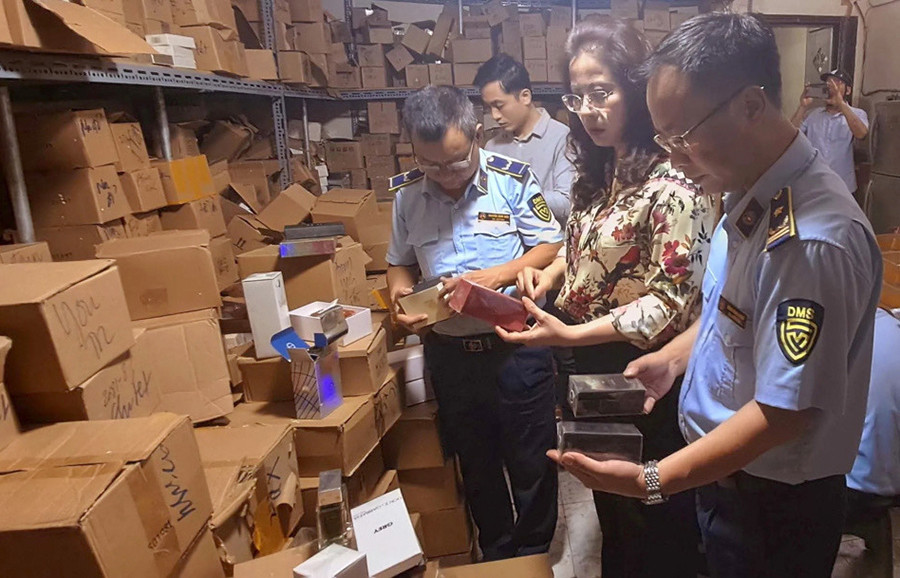
Tighten management in the face of market challenges.
Cosmetics are a product category directly linked to the health and beauty care needs of the population, especially women. With the development of e-commerce, social media, and online sales models, consumers have more choices in accessing beauty products. However, this is also a field with many potential risks, as fraudulent commercial practices are becoming increasingly sophisticated.
Recently, authorities have continuously detected and handled violations related to cosmetics. For example, in April 2026, the Drug Administration of Vietnam ( Ministry of Health ) fined BB Vietnam Trading and Service Co., Ltd. 75 million VND and ordered the recall and destruction of 37 cosmetic products under the company's name because they lacked or could not present the required Product Information File (PIF) during inspection.
The list of products subject to inspection includes many familiar brands currently circulating in the market such as Skin Aqua, Senka, Hada Labo... This case further highlights the need to strengthen post-inspection work for goods that directly impact consumer health.
Besides product quality, the advertising of cosmetics on the digital platform also poses many challenges for regulatory agencies. Many products are advertised with claims that exceed their stated benefits or use images of celebrities to build consumer trust.
According to experts, when advertising information does not accurately reflect the nature of a product, consumers not only face the risk of economic loss but may also suffer health consequences due to using unsuitable products.



According to Bui Nguyen Anh Tuan, Deputy Director of the Department of Domestic Market Management and Development (Ministry of Industry and Trade), the strong development of the cosmetics market opens up many opportunities for Vietnamese businesses, but at the same time also poses challenges related to counterfeit goods, intellectual property infringement, and false advertising.
Over the past period, the Ministry of Industry and Trade has implemented many solutions to strengthen market management, inspection, and control; promote product traceability; protect consumer rights; and promote the development of the domestic market by strengthening connections between manufacturing enterprises and distribution systems.
Transparency builds trust and competitiveness.
In an increasingly competitive environment, product information transparency is becoming a decisive factor for business growth. Along with complying with quality regulations, businesses must meet higher requirements regarding traceability, environmental and social responsibility, and sustainability in their production and business operations.
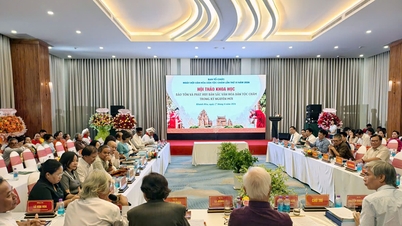
Mr. Bui Nguyen Anh Tuan believes that building a transparent and healthy business environment is not only the responsibility of state management agencies but also requires the participation of businesses, distribution systems, professional social organizations, and consumers. Businesses need to proactively comply with legal regulations, provide transparent product information, build reputable brands, and apply traceability technology to protect the rights of consumers as well as the businesses themselves.
From a business and distribution system perspective, Ms. Doan Thi Huong Thanh, Standing Vice President of the Vietnam Retailers Association and Director of the Legal Department of WinCommerce General Trading and Services Joint Stock Company (Masan Group), noted that the fast-moving consumer goods market in general, and the cosmetics industry in particular, possesses significant growth potential thanks to its large population, improved income levels, and ever-increasing demand for health and beauty care. However, businesses are currently facing numerous pressures, including competition from imported goods, counterfeit products, increasingly high consumer demands for transparency and product quality, and increasingly stringent standards from regulatory agencies and modern retail systems.
Representatives from the Vietnam Retailers Association believe that strengthening the links between production and distribution will be a crucial factor in effectively exploiting the potential of the domestic cosmetics market. This is also a solution to help businesses improve their ability to control product quality and minimize the risk of counterfeit and illegally sourced goods entering the market.
Based on WinCommerce's operational experience, Ms. Doan Thi Huong Thanh stated that businesses wishing to introduce their products into modern retail systems need to simultaneously meet three groups of criteria: compliance with the law, ensuring stable supply capacity, and a sustainable development orientation according to ESG standards. These are considered necessary "technical barriers" to ensure the quality of goods before they reach consumers.



Ms. Doan Thi Huong Thanh also stated that current consumer trends are shifting strongly towards safe, transparent, and environmentally friendly products. These factors are increasingly becoming important criteria in the supplier selection process for modern retail systems.
Strengthening post-inspection, improving the legal framework, and strictly handling violations are necessary solutions. However, in the long run, only when businesses, regulatory agencies, distribution systems, and consumers all participate in building a transparent business environment can the cosmetics market develop sustainably, creating incentives for legitimate businesses to enhance their competitiveness and contribute positively to economic growth.
Source: https://hanoimoi.vn/minh-bach-thi-truong-my-pham-bao-ve-nguoi-tieu-dung-thuc-day-phat-trien-lanh-manh-ben-vung-1208654.html