 |
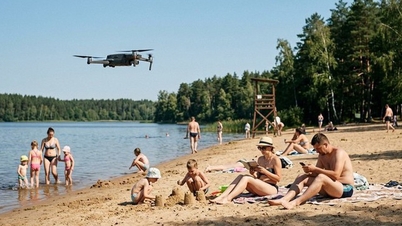
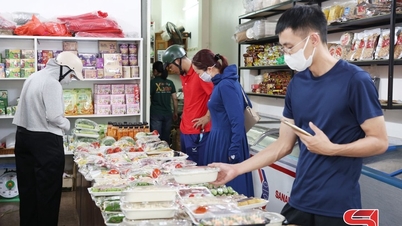
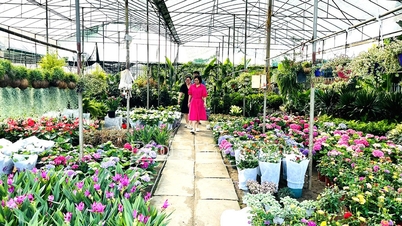
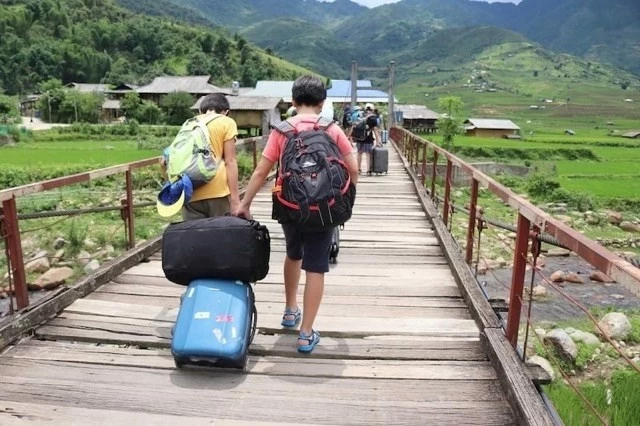
| Summer is an opportunity for children to learn life skills. (Photo: Thu Giang) |
Summer is always associated with trips, outdoor activities, visiting grandparents in the countryside, or new experiences with friends. This is the ideal time for children to learn and develop essential life skills. Besides academic knowledge, life skills are the tools that help them take care of themselves, handle real-life situations, and grow more mature each day.
However, in modern life, the summer for many students is gradually being filled with extra classes, tutoring courses, or preparatory programs for the new school year. The worry that their children will fall behind their peers leads many parents to inadvertently turn the holiday into an extension of academic pressure. In this case, summer is no longer a time for children to rest and recharge, but another race against time.
Education is not measured solely by grades or academic achievements. The ultimate goal of education is to help children become adaptable, well-behaved, self-protective individuals with the confidence to navigate life. These qualities aren't always learned from textbooks.
In a society that increasingly values adaptability and independence, equipping children with these skills is no longer an option but a necessity. Summer therefore holds special significance. This is a time for children to learn in a different way: learning from experience, from nature, from the community, and from the life around them.
Among the skills that should be prioritized for children, swimming is perhaps one of the most essential. Every year, when the summer holidays begin, drowning accidents among children tend to increase. Many children seek out ponds, lakes, rivers, streams, or other bodies of water to play but lack the necessary knowledge and safety skills.


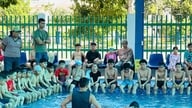
Learning to swim is not simply about learning a sport to improve health and physical development. It's about learning to protect one's own life. Knowing how to swim not only gives children a better chance to save themselves in dangerous situations but also builds confidence, problem-solving skills, and a sense of safety. More importantly, learning water safety skills helps children understand that play must always be accompanied by responsibility and caution.
Besides swimming, summer is also an ideal time for children to develop many other life skills. These could include learning how to communicate safely with strangers, teamwork, time management, self-care, or sharing household chores. These seemingly small skills are the foundation for children to grow into stronger adults in the future.
Every child possesses unique potential. Some love music , some are passionate about painting, and others are curious about science or nature. Extracurricular classes, sports activities, summer camps, or community experience programs provide opportunities for children to discover themselves and find values that school may not be able to fully explore.
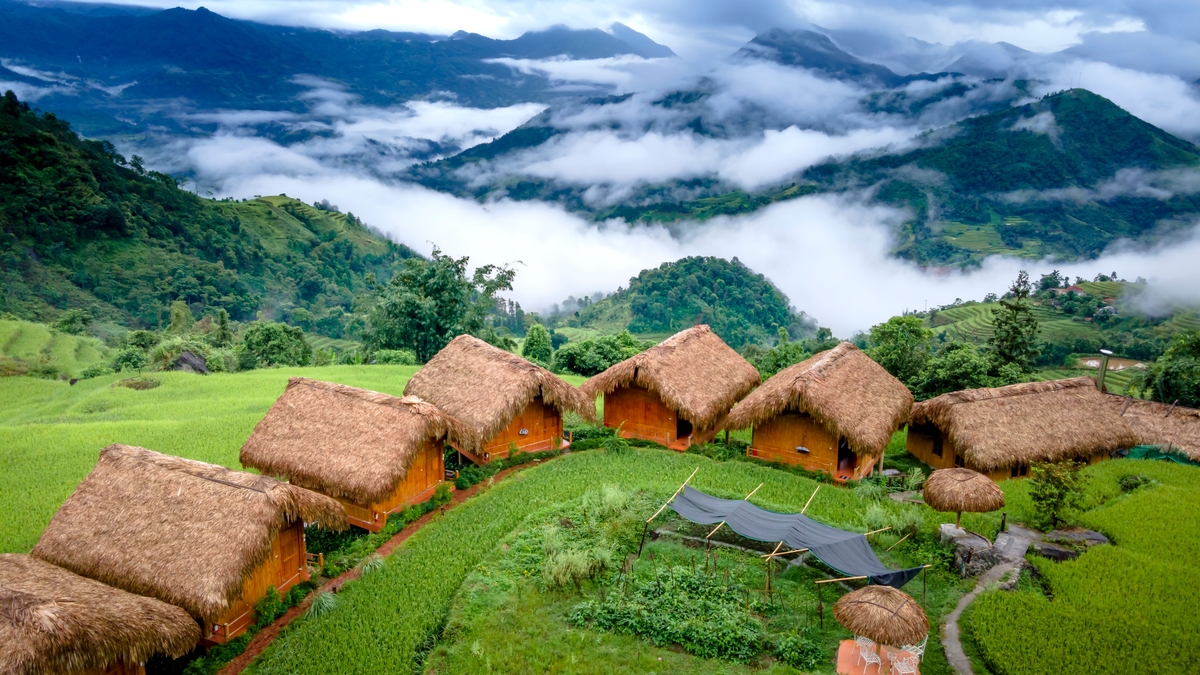
A trip away can also become a special learning experience. By stepping outside their familiar surroundings, children see new lands, meet new people, and hear new stories. They learn to observe, listen, adapt, and understand that the world is much bigger than the pages of a book. Each experience contributes to building self-confidence, gratitude, and empathy – qualities that are essential in modern life.
Ultimately, childhood isn't just defined by academic achievements. What truly remains in everyone's memory are often summers filled with experiences, moments of overcoming fear, newly learned skills, and early life lessons.
Summer only lasts a few months, but what children accumulate during that time can become valuable assets for many years to come. Therefore, instead of just worrying about how much knowledge their children acquire, adults should also focus on what skills they have learned to protect themselves, live independently, and grow into mature adults.



Because sometimes, the most important lessons are learned from life experiences, from a first swimming lesson, from an exploratory trip, or from the times children overcome challenges on their own to grow.
Source: https://baoquocte.vn/mua-cua-nhung-trai-nghiem-400949.html