

In the highlands of Sin Cheng, home to the Mong ethnic minority, the craft of brocade embroidery is closely linked to the leisurely lives of the women. From the tenth lunar month, when the harvest is over, the women gather around their simple houses, meticulously embroidering brocade fabrics to make traditional clothing, preparing for the New Year.
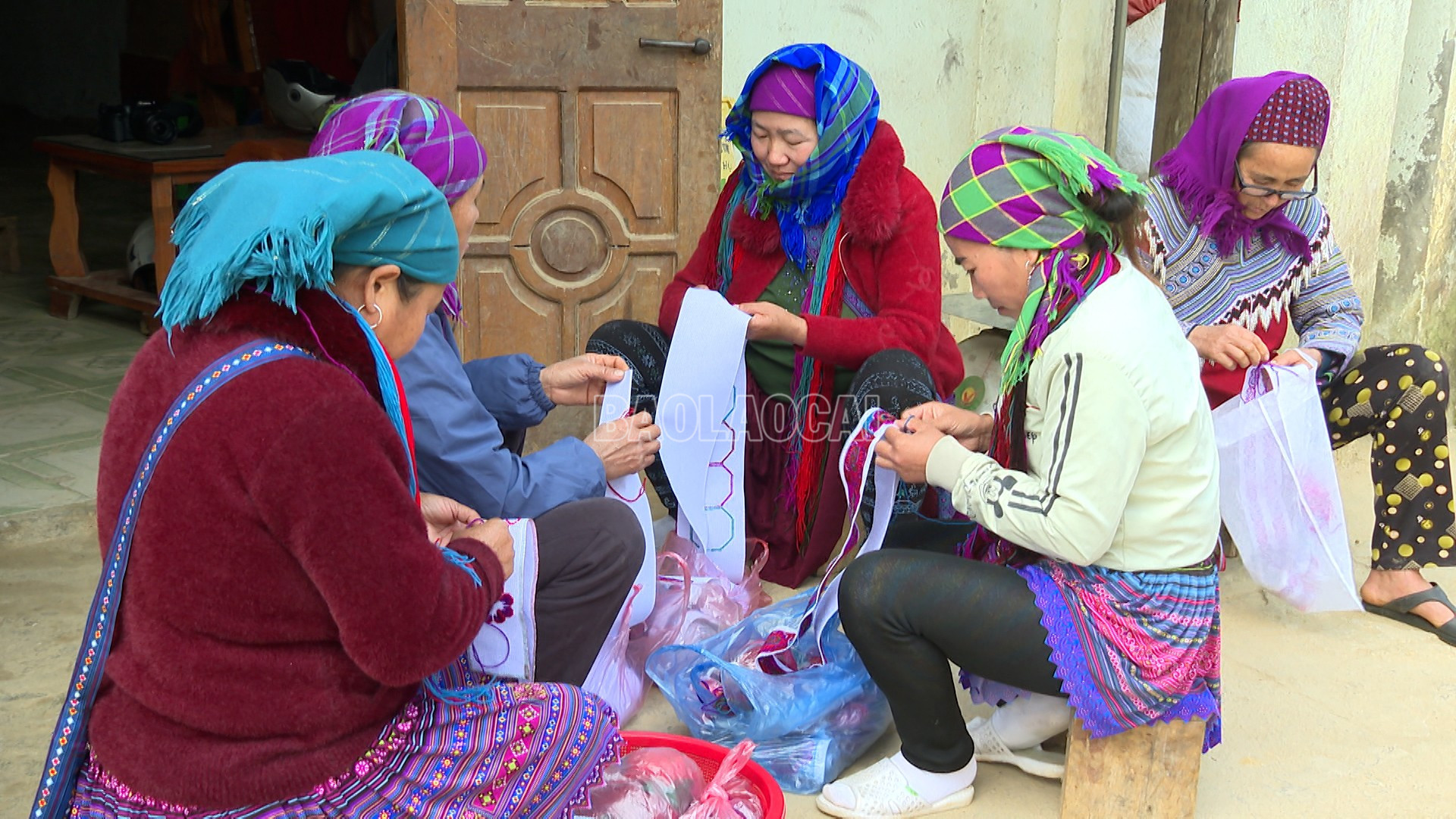
The women gathered together to embroider brocade.
Ms. Luu Thi My, from Mao Sao Chai village, Sin Cheng commune, shared: “The women in the village often gather together to embroider brocade to make new dresses and shirts. This is also an opportunity for everyone to pass on traditional embroidery techniques, share experiences in building happy families, and raising children to become successful adults…”
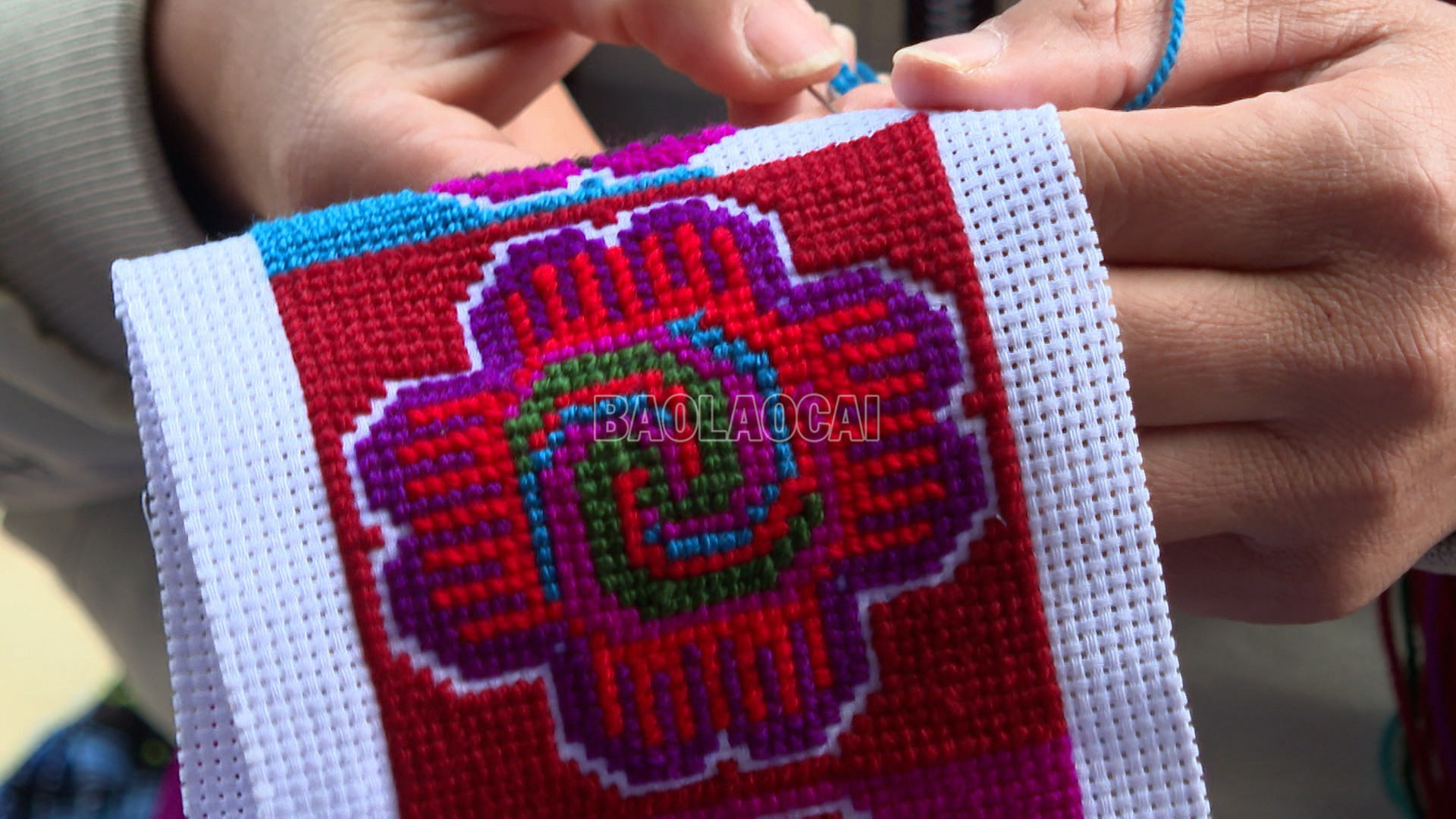
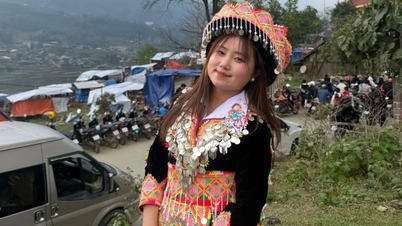
With the traditional brocade fabrics of the Hmong people, women often use brightly colored threads such as red, purple, and blue to embroider. The patterns are creatively varied, but mainly feature flowers, leaves, and branches, vividly reflecting the life and nature of the highlands. Each brocade strip varies in length, from short sections to strips over 5 meters long; to complete a long brocade strip, the embroiderer usually takes 2-3 months.
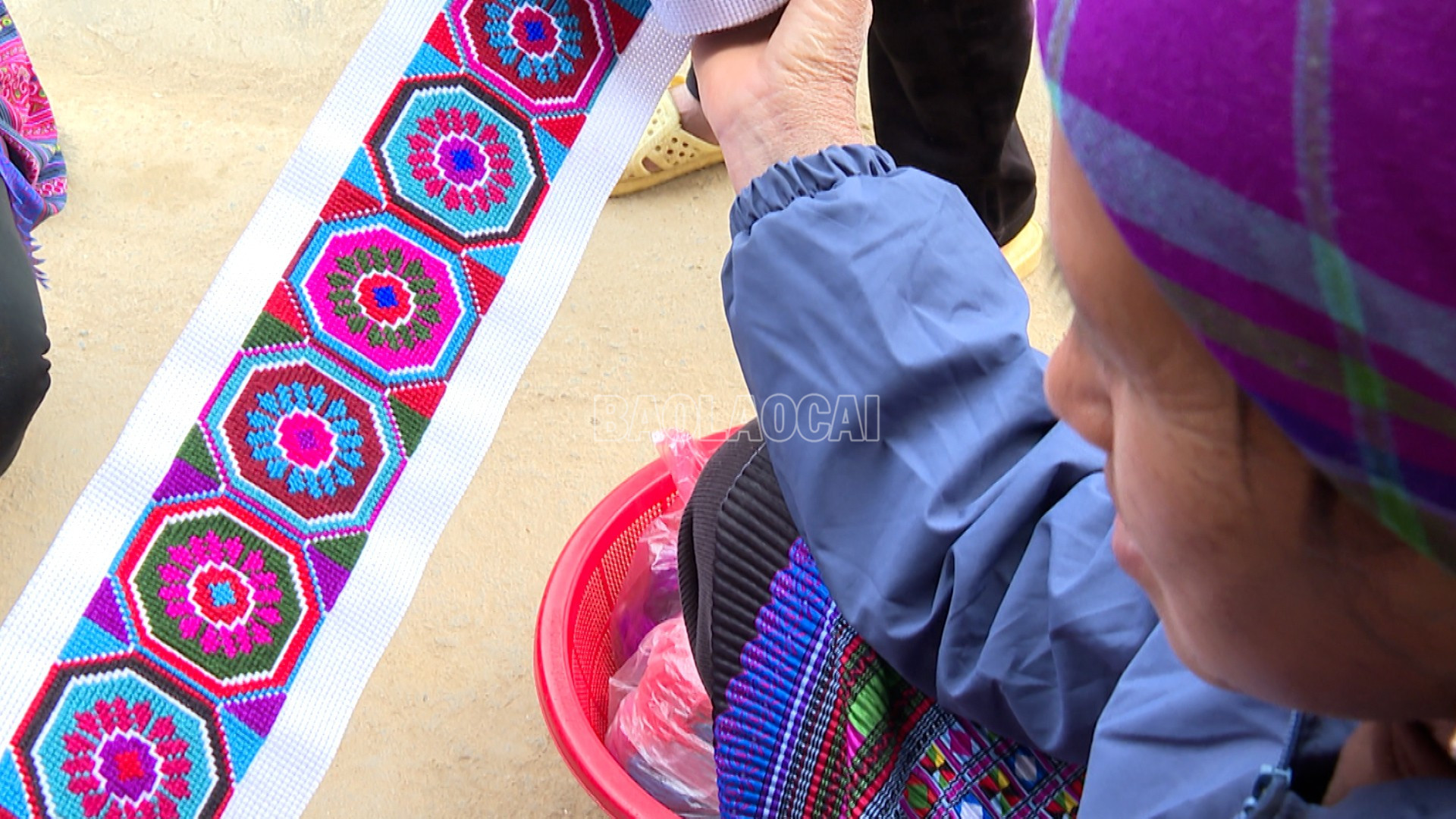
The brocade fabrics are rich in patterns and vibrant in color.
When the brocade fabrics are finished, it's also the time when families skilled in sewing traditional Hmong clothing begin a new season. Among them is the family of Ms. Luu Thi Su in Mao Sao Chai village. From the scattered brocade pieces, with skillful and meticulous hands, Ms. Su sews them into traditional dresses and blouses to serve the people during the New Year. Depending on customer demand, she will choose brightly colored fabrics to sew the bodice of the garment.
Ms. Su shared: "Sewing the shirt isn't too difficult, but it requires patience and meticulousness. The work starts with sewing the sleeves and collar, then cutting the fabric to sew the body. The hardest part is sewing the brocade strips onto the shirt so that they are harmonious and beautiful."
As Tet (Lunar New Year) approaches, the number of orders increases. Therefore, this is also the season that helps Ms. Su, as well as many other households that sew traditional dresses and clothing, to earn extra income.
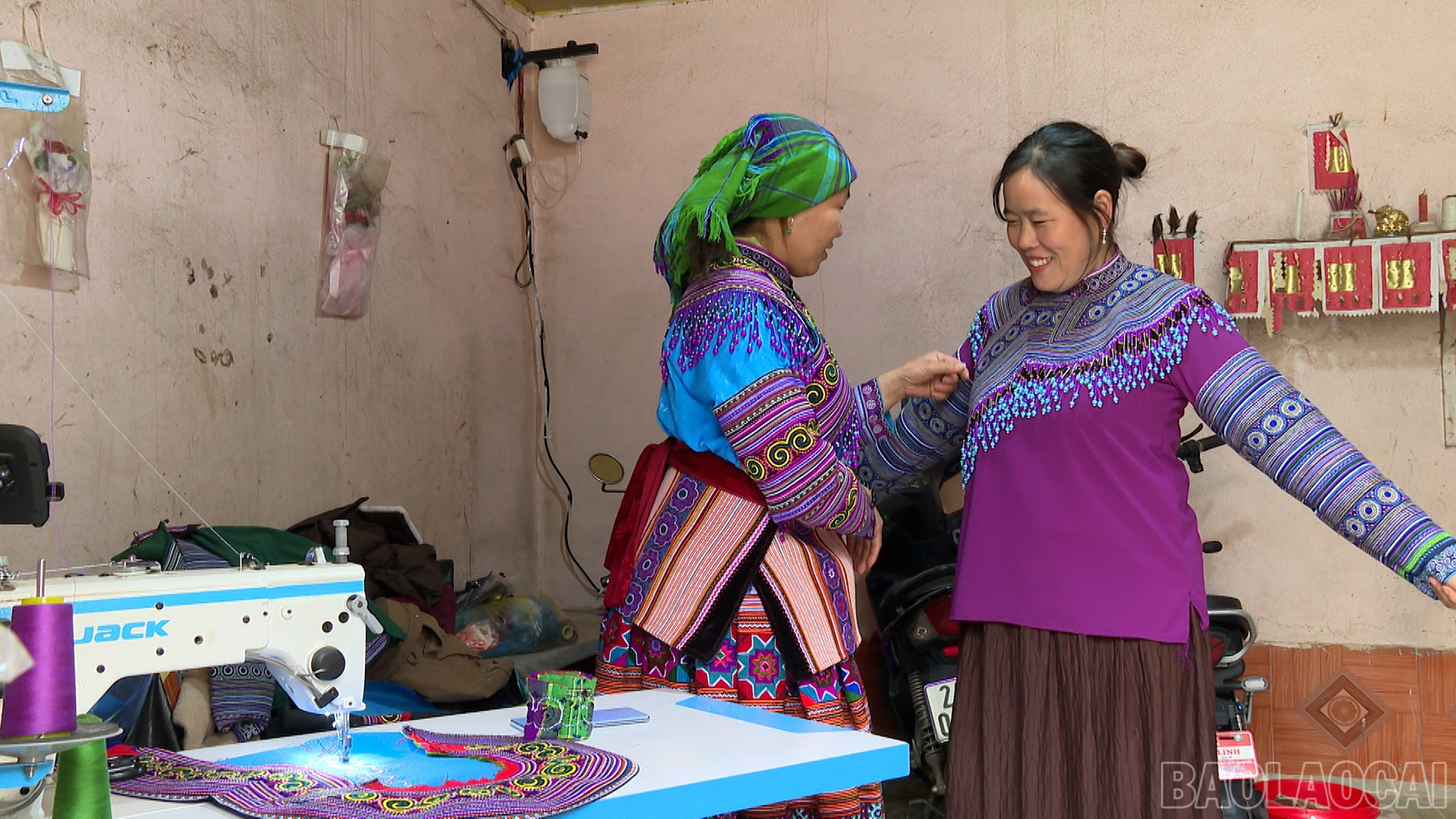
Ms. Luu Thi Su completes a new traditional Hmong shirt.
Like Ms. Su, as Tet approaches, Ms. Tan Mui Nay from Bat Xat commune is also working tirelessly day and night sewing new traditional Dao ethnic clothing to serve people in her village and many other localities.
Ms. Nay said: "As Tet approaches, the demand for traditional brocade clothing increases, so the work becomes more hectic. Although it's hard work, this is the time when I need to try harder to earn more income and prepare for Tet celebrations for my family."
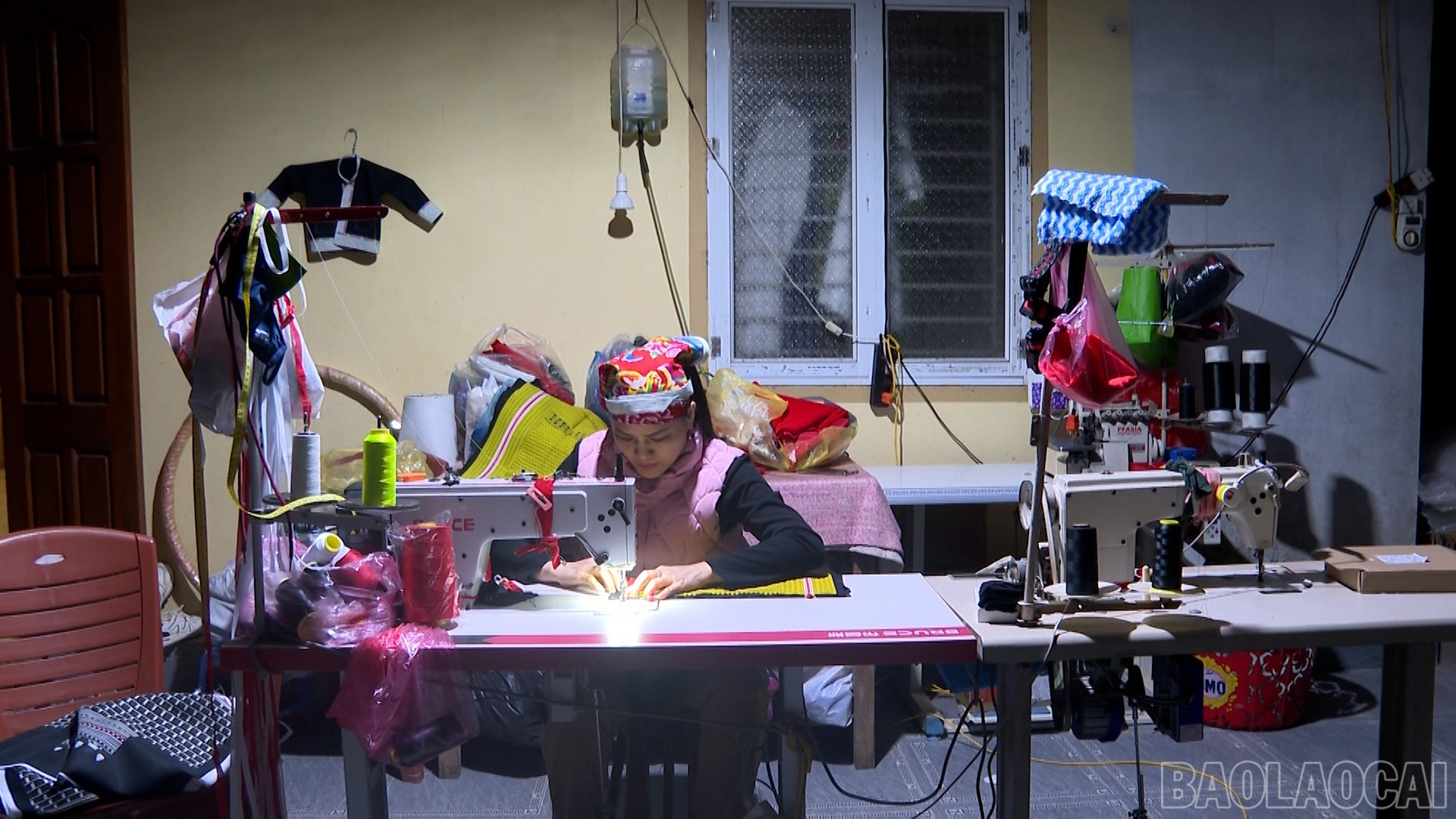
Ms. Tan Mui Nay diligently sews new pants and shirts for her customers.
Unlike Hmong traditional clothing, the brocade fabrics of the Dao people are usually shorter, wider, and have more minimalist colors. However, they are no less elaborate and meticulous. Therefore, when receiving brocade fabrics from her fellow villagers, Ms. Nay always tries her best to ensure they have new, well-made clothes to wear for Tet (Lunar New Year).
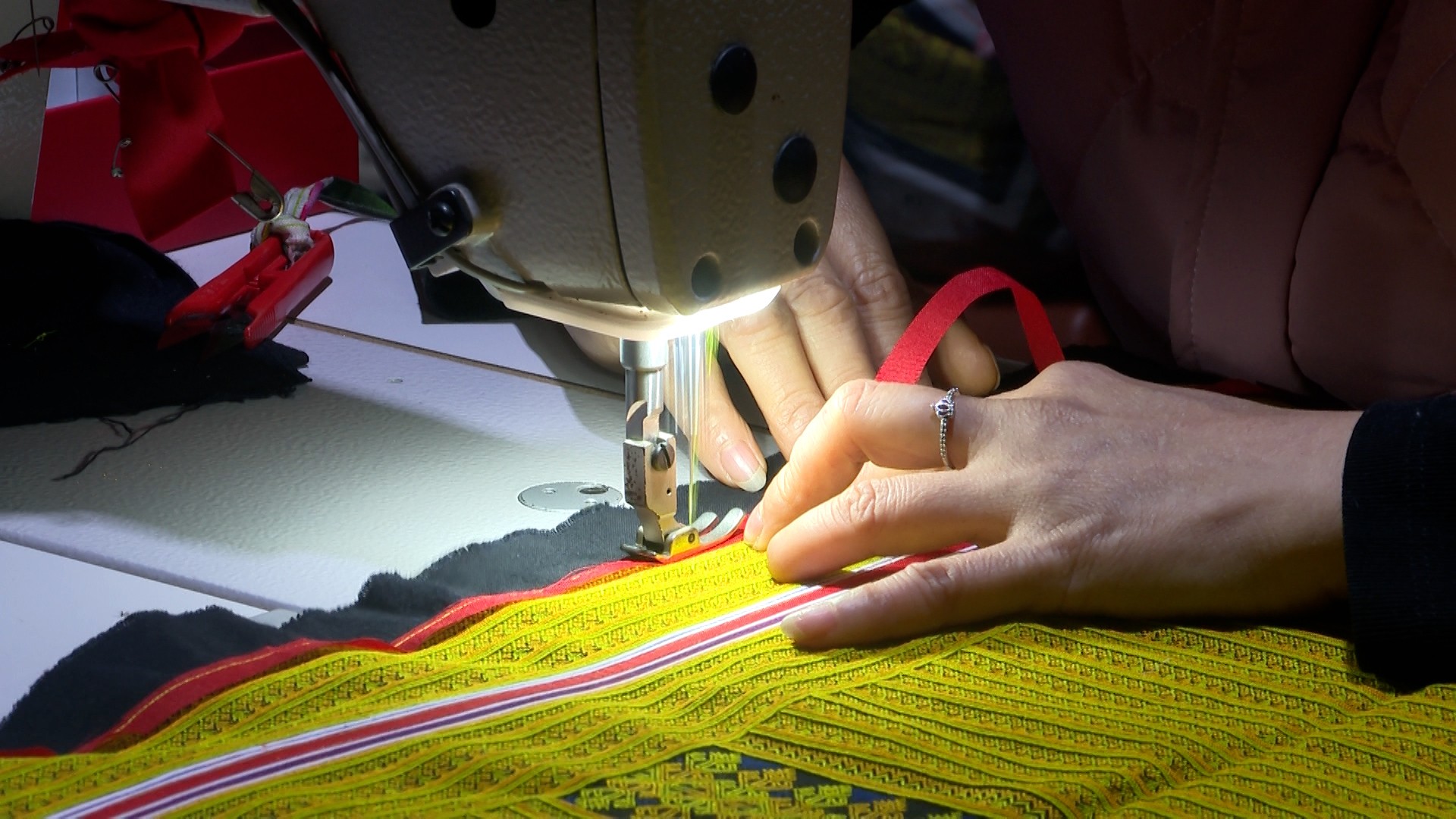
In modern life, with constant innovation, many traditional ethnic costumes have been improved and modernized, and many have been imported. But for women in the highlands, hand-embroidering, sewing, and wearing traditional ethnic clothing is not simply a daily habit, but also a way to preserve and pass on cultural values and the soul of their ethnic group amidst the ever-changing flow of life.
The quiet, daily needlework of the women in the highlands creates vibrant, colorful garments, contributing to the preservation of the traditional culture of the highland people. The season of sewing new clothes not only brings joy and community bonding but also helps families earn extra income to celebrate a prosperous and warm Tet holiday.
Source: https://baolaocai.vn/mua-may-ao-moi-post891878.html
![[Photo] A vibrant celebration of generations of Nhan Dan Newspaper staff](https://vphoto.vietnam.vn/thumb/1200x675/vietnam/resource/IMAGE/2026/03/11/1773228432744_cb-75-nam-7-7034-jpg.webp)





























































Comment (0)